
 Anjar Salim
Southwest Michigan has emerged as a premier destination for regional tourism, characterized by a sophisticated blend of natural preservation, interactive art, and high-end culinary development. Located within the corridor connecting the metropolitan hubs of Chicago and Detroit, the lakefront communities of New Buffalo and St. Joseph have undergone a significant transformation, evolving from seasonal retreats into year-round centers for cultural and ecological engagement. As of July 2026, the region reports a surge in visitor interest, driven by infrastructural improvements and a burgeoning reputation for "Third Coast" sophistication. This growth is supported by accessible transit options, including the Amtrak Wolverine and Blue Water lines, which provide direct connectivity from urban centers, alongside a well-maintained network of highways that facilitate the arrival of regional travelers.
The Socio-Economic Landscape of the Harbor Country Region
The development of southwest Michigan’s coastal towns is rooted in a historical legacy of maritime trade and agricultural production. However, in the modern era, the focus has shifted toward a robust tourism economy that leverages the unique geography of the Lake Michigan shoreline. The "Harbor Country" brand, which encompasses New Buffalo and surrounding municipalities, has become synonymous with a high quality of life and a commitment to preserving the "Small Town America" aesthetic while integrating modern amenities.
Data from the Michigan Economic Development Corporation (MEDC) indicates that the tourism sector in Berrien County contributes significantly to the state’s multi-billion dollar travel industry. The influx of visitors during the summer months supports thousands of jobs in the hospitality, retail, and outdoor recreation sectors. This economic vitality is further bolstered by the 2026 recognition of local culinary talent, which has elevated the region’s status within the national gastronomic landscape.
Silver Beach and the Revitalization of St. Joseph’s Waterfront
St. Joseph, often referred to as the "Riviera of the Midwest," serves as a focal point for family-oriented recreation. At the heart of this appeal is Silver Beach County Park, a facility that exemplifies the successful integration of public space and natural beauty. The park features a pristine shoreline that serves as a primary draw for swimmers and sunbathers, but its significance extends beyond simple beach access.
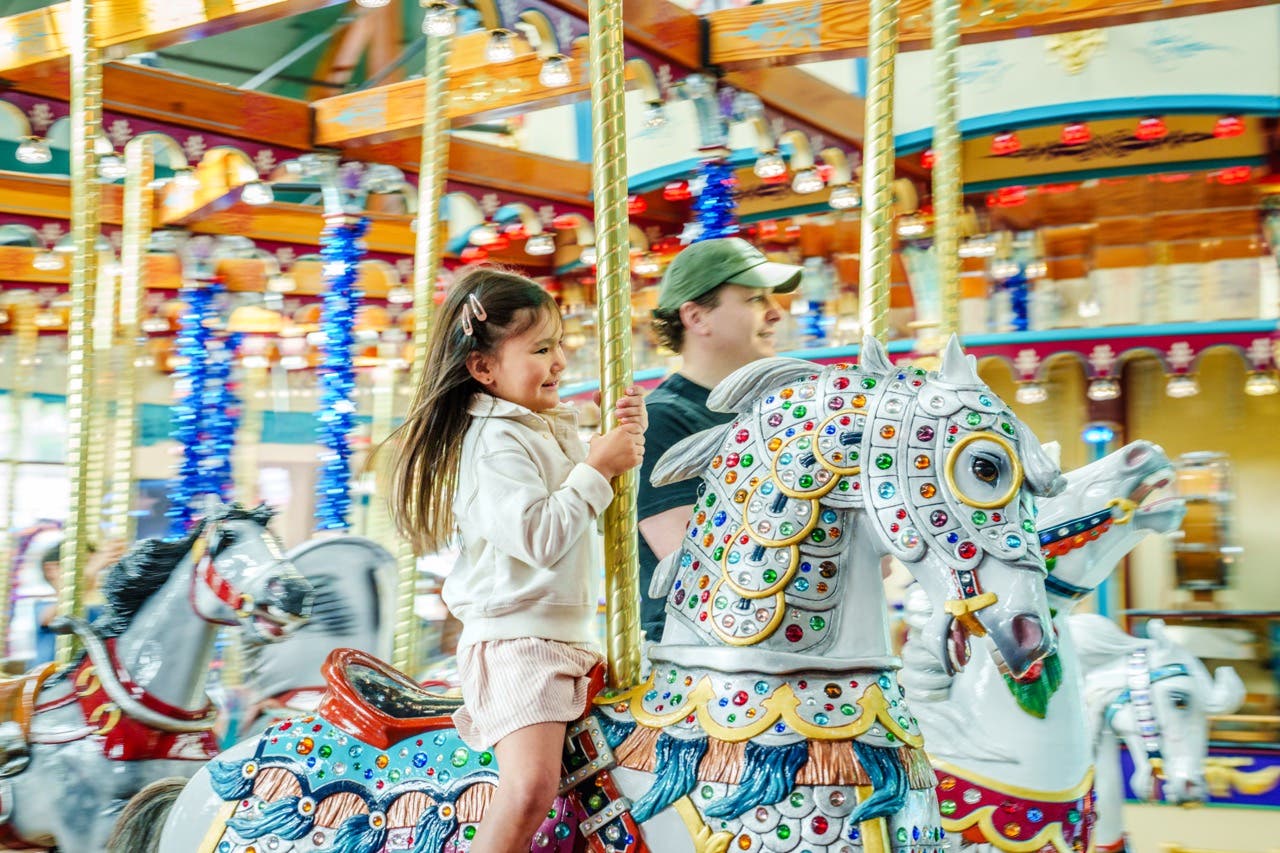
The Silver Beach Carousel, a meticulously restored landmark, serves as a testament to the region’s commitment to historical preservation. Originally a fixture of the area in the early 20th century, the carousel was recreated and reopened in 2010, featuring hand-painted figures that reflect the local heritage. This attraction, along with the adjacent Whirlpool Compass Fountain, represents a multi-million dollar investment in public infrastructure designed to foster community engagement.
Furthermore, the maritime history of St. Joseph is preserved through the North Pier Lighthouse. Accessible via Tiscornia Park, the lighthouse remains an iconic symbol of Lake Michigan’s navigational history. The South Pier continues to be a vital asset for the local fishing industry and recreational anglers. According to the Michigan Department of Natural Resources (DNR), the waters off St. Joseph are a productive habitat for Coho and Chinook salmon, as well as yellow perch and various trout species, contributing to a recreational fishing economy that brings millions of dollars to the state annually.
Geological Significance and Recreational Trends at Warren Dunes State Park
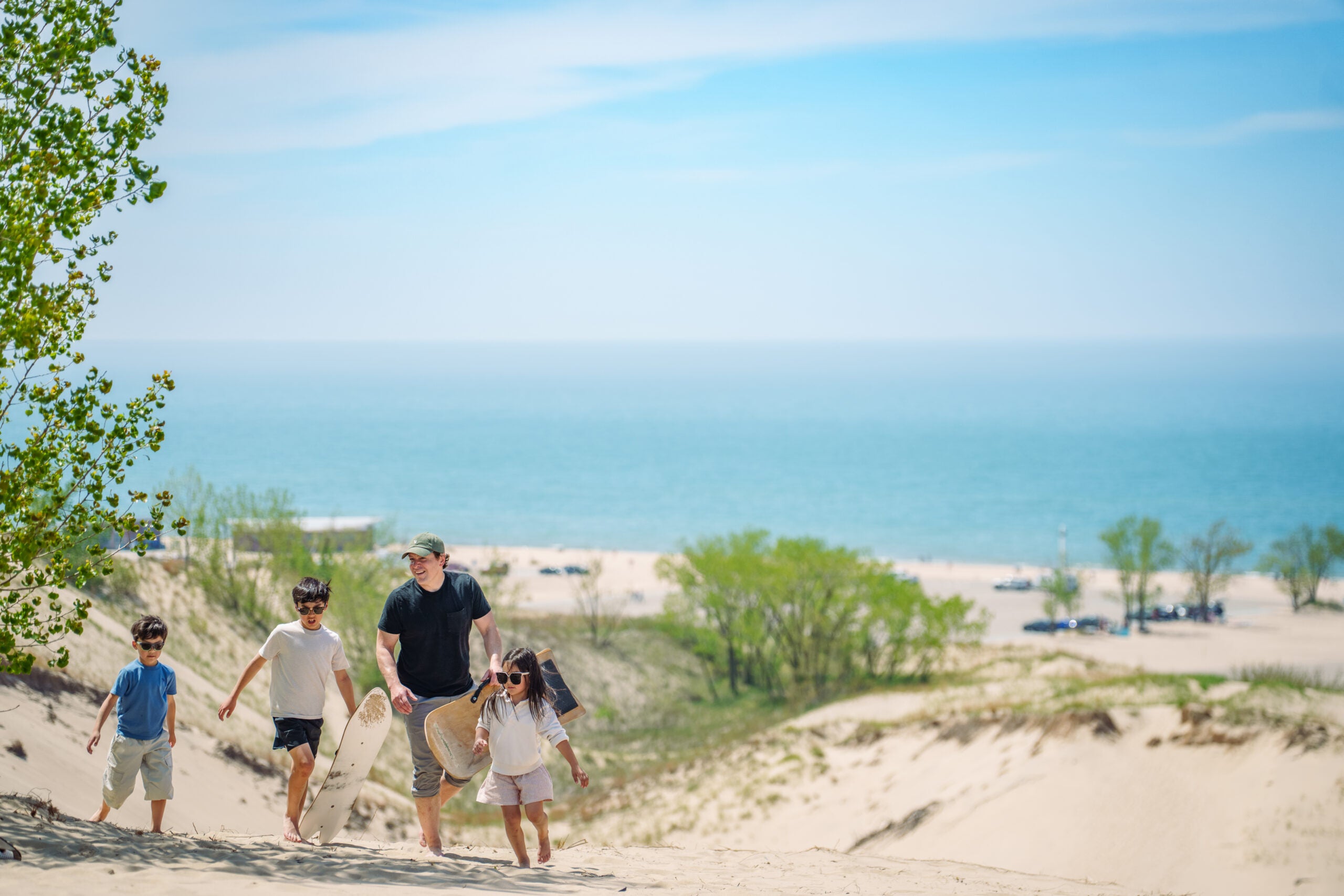
Located south of St. Joseph, Warren Dunes State Park encompasses 1,952 acres of diverse ecosystems, including massive sand dunes that rise 260 feet above the lake level. These formations are the result of thousands of years of post-glacial activity and wind erosion, creating a landscape that is both a geological marvel and a recreational playground.
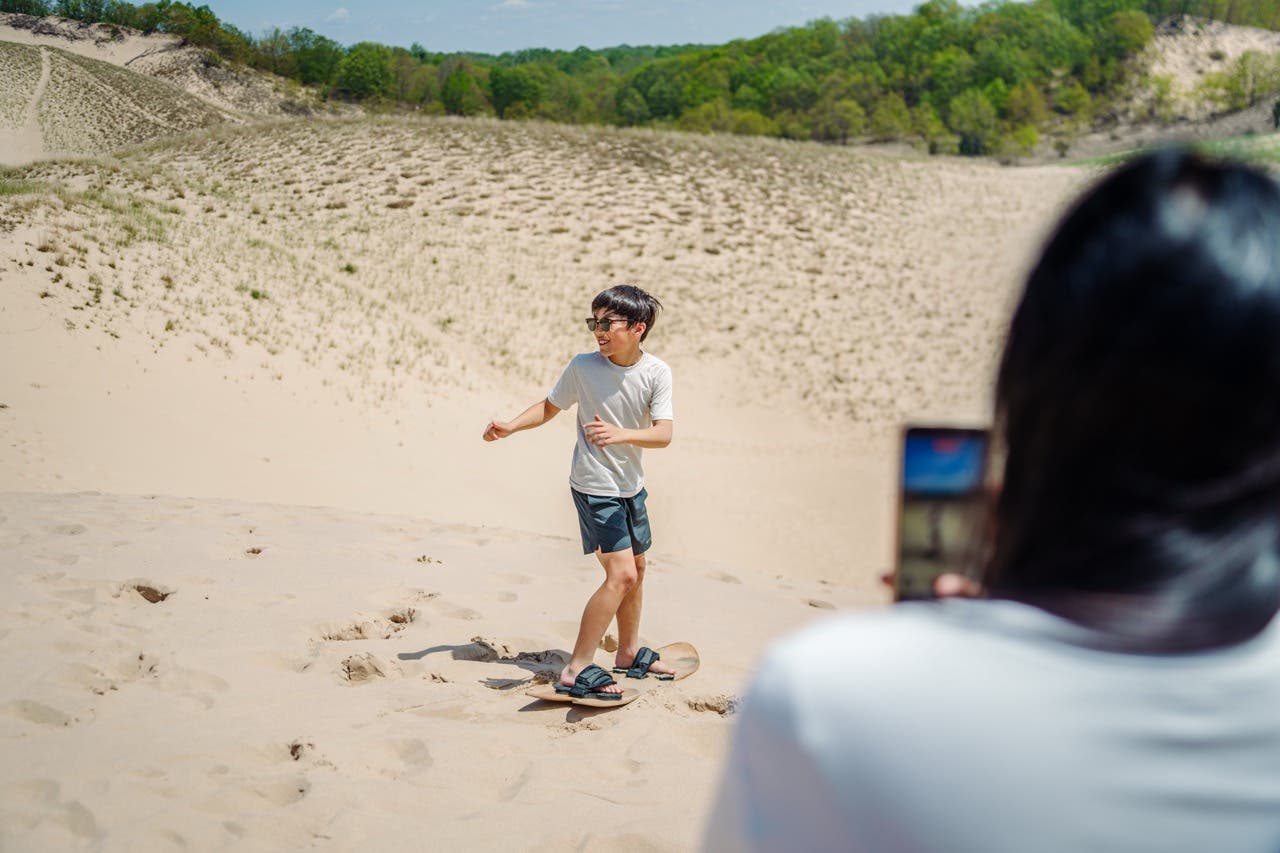
In recent years, the park has seen a rise in niche outdoor activities such as sandboarding and sand sledding. This trend has been facilitated by local outfitters like Third Coast Paddling, which provides specialized equipment for navigating the steep slopes. The park’s infrastructure also supports more traditional outdoor pursuits, including six miles of hiking trails and three miles of shoreline. The inclusion of dog-friendly beach zones reflects a broader trend in the travel industry toward pet-inclusive tourism.
Adjacent to the dunes, Warren Woods State Park offers a contrasting experience. As a designated National Natural Landmark, Warren Woods contains the last known stand of climax beech-maple forest in Michigan. The Galien River, which winds through the preserve, provides a critical habitat for local flora and fauna, offering a "quiet nature" alternative to the high-energy environment of the dunes.
The Expansion of Water Trails and Riparian Conservation
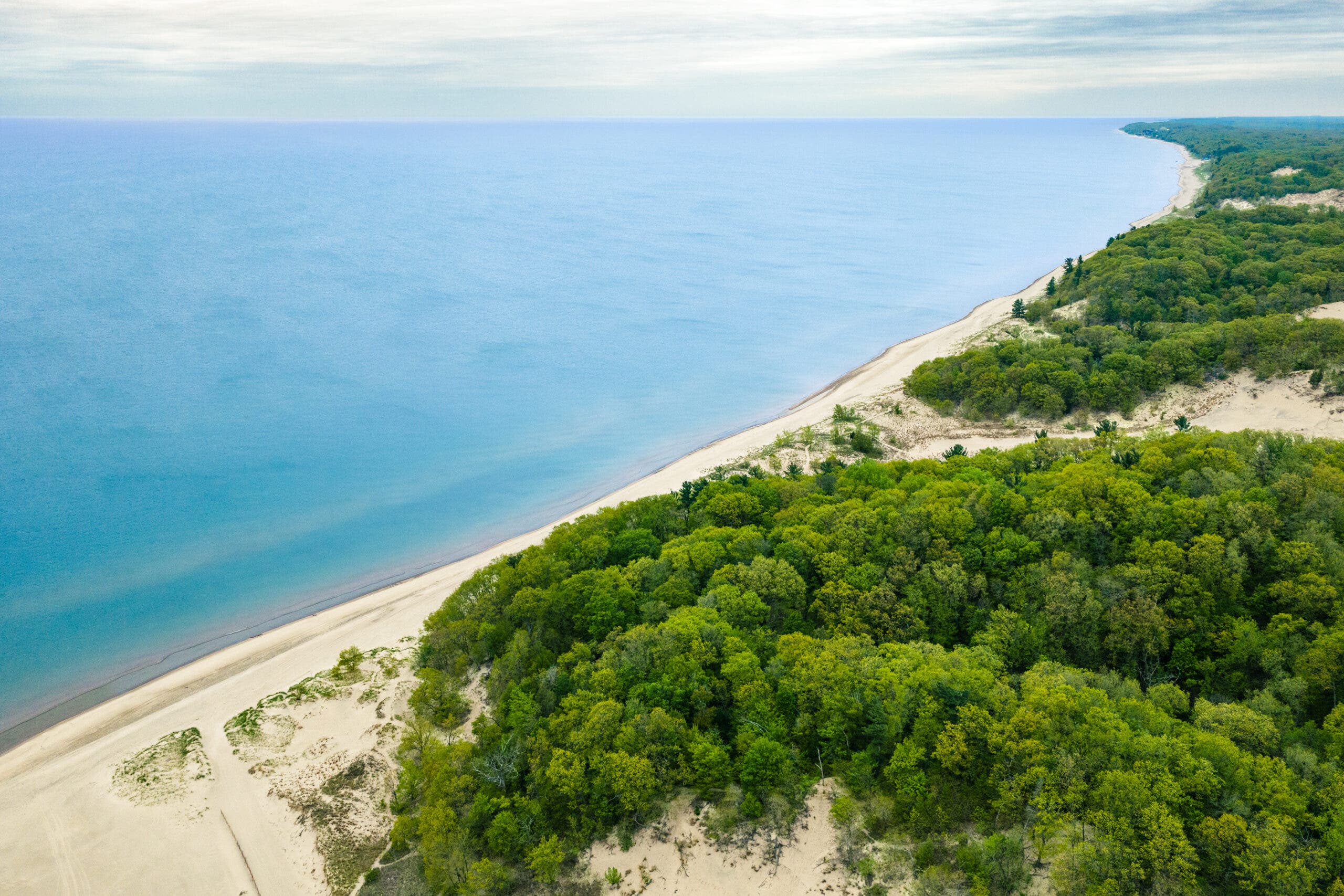
The development of the Galien River Marsh Water Trail and the St. Joseph River Water Trail highlights a regional emphasis on non-motorized water recreation. The Galien River Marsh, located near New Buffalo, offers a six-mile tranquil float through a sprawling wetland ecosystem. This area serves as a vital nursery for fish and a stopover for migratory birds, making it a priority for conservation groups.
The St. Joseph River Water Trail, spanning 67 miles from Niles to the lakefront, represents a collaborative effort between multiple municipalities to promote eco-tourism. By providing designated launch points and rental facilities, the region has made the river accessible to paddlers of all skill levels. This initiative aligns with the Michigan Water Trails program, which seeks to connect communities through their shared aquatic resources while promoting environmental stewardship.
Culinary Sophistication: The Impact of the James Beard Awards
New Buffalo has transitioned from a beach-town transit point to a legitimate culinary destination. This shift was solidified in 2026 when Chef James Galbraith of PostBoy was named a James Beard Award semifinalist. The recognition of Galbraith’s work, which emphasizes local sourcing and global techniques, has brought national attention to the Southwest Michigan food scene.
The success of establishments like PostBoy has a ripple effect on the local economy, encouraging the growth of the Lake Michigan Shore Wine Trail. This American Viticultural Area (AVA) benefits from a unique microclimate created by the "lake effect," allowing for the cultivation of high-quality vinifera grapes. The synergy between fine dining and local viticulture has created a sophisticated tourism product that appeals to affluent travelers and food enthusiasts, further diversifying the region’s economic base.
Interactive Art and Cultural Literacy at the Krasl Art Center
The Krasl Art Center in St. Joseph serves as a cultural anchor for the community, providing free access to contemporary sculpture and interactive installations. Since its founding in 1979, the center has championed the idea that art should be an accessible, tactile experience. "The Heavyweight," an 800-pound bronze hippopotamus installed in 1994, has become a regional icon, encouraging children to engage with sculpture through play.
The center’s East Garden and its Public Art Scavenger Hunt represent innovative approaches to municipal art. By integrating sculptures into the urban landscape of St. Joseph and neighboring Benton Harbor, the Krasl Art Center fosters a sense of place and encourages pedestrian exploration. This commitment to public art is not merely aesthetic; it is a strategic investment in "placemaking," a development philosophy that enhances the attractiveness of a city for both residents and visitors.
Conservation Initiatives and the Role of Chikaming Open Lands
As tourism and development pressures increase, the role of land trusts like Chikaming Open Lands has become increasingly vital. The preservation of sites such as the Jens Jensen Preserve, Turtle Creek Preserve, and Robinson Woods ensures that the region’s ecological diversity is protected for future generations. These sanctuaries provide essential ecosystem services, including water filtration and carbon sequestration, while offering public access to "hardwood forests and freshwater wetlands."
The recent completion of the Red Arrow Trail, connecting New Buffalo to Sawyer, exemplifies the region’s commitment to sustainable transport. By providing a safe, non-motorized path for cyclists and pedestrians, the trail reduces reliance on automobiles and encourages a slower, more immersive travel experience. Similarly, the Harbor Shores Nature and Fitness Trails in Benton Harbor demonstrate how post-industrial landscapes can be reclaimed for community health and wildlife habitat.
Broader Impact and Future Implications
The continued growth of Southwest Michigan as a tourism powerhouse carries significant implications for regional planning and environmental management. The balance between economic development and ecological preservation remains a central theme for local policymakers. As the region attracts more permanent residents—driven by the "work from anywhere" trend—the demand for infrastructure, housing, and services is expected to rise.
The 2026 season marks a turning point where Southwest Michigan has successfully branded itself as a sophisticated, multi-faceted destination. The integration of high-end dining, interactive culture, and world-class natural resources suggests a sustainable model for regional tourism. However, the long-term success of this model will depend on continued investment in conservation and a proactive approach to managing the impacts of climate change on the Great Lakes shoreline.
In conclusion, New Buffalo and St. Joseph represent a successful synthesis of natural beauty and intentional development. By leveraging their geographic assets and fostering a culture of innovation in art and food, these communities have established a blueprint for coastal revitalization in the 21st century. The region remains a primary example of how localized efforts in conservation and culture can produce a globally recognized destination.


 Chandra Hamzah
 Tatiana Tantri Indah Sari
 Budi Mulyono
