
 Anjar Salim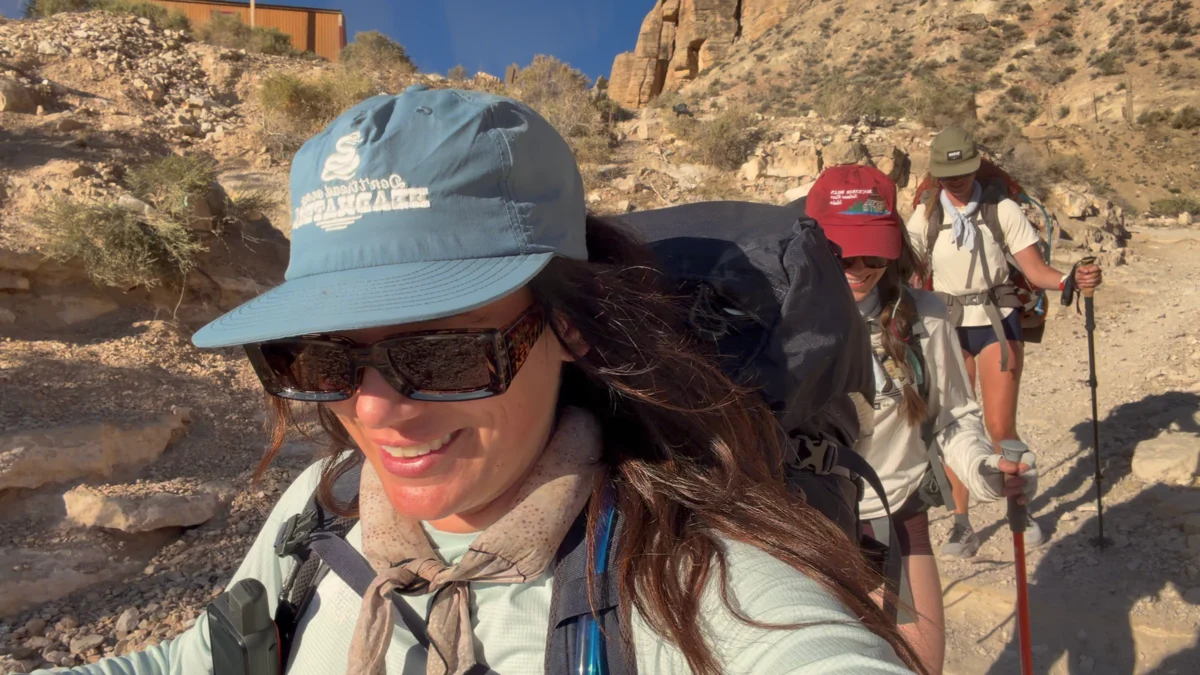
In early June 2026, as a record-breaking heatwave descended upon the American Southwest, a group of experienced backpackers embarked on a 43-mile journey through the Grand Canyon to Havasupai Falls. This expedition occurred during a period of heightened alert, as the National Park Service (NPS) and local authorities issued severe weather warnings following a string of fatalities within the canyon’s corridor. The convergence of pre-secured, difficult-to-obtain permits and extreme environmental conditions created a high-stakes scenario that required a total overhaul of traditional backpacking protocols. While the Grand Canyon remains one of the world’s most sought-after hiking destinations, the summer of 2026 has underscored the increasing volatility of desert climates and the absolute necessity of rigorous heat-management strategies for backcountry survival.
The Fatal Context of June 2026
The dangers of the Grand Canyon in the summer months are well-documented, but the early weeks of June 2026 proved particularly lethal. On June 3, a teenager succumbed to heat-related illness while navigating the Bright Angel Trail, a popular but grueling path along the South Rim. This tragedy was followed closely by the deaths of three additional hikers in the week preceding the Havasupai trek, all of whom were suspected of suffering from hyperthermia and severe dehydration.
The Grand Canyon creates a unique "inverted mountain" effect, where temperatures rise significantly as hikers descend into the inner canyon. While the South Rim might experience manageable temperatures in the 80s or 90s (Fahrenheit), the temperature at the canyon floor can frequently exceed 110 or 120 degrees. According to the National Park Service, the inner canyon absorbs and radiates heat from the rock walls, creating an oven-like environment where shade is scarce and the air is bone-dry. The fatalities recorded in early June served as a grim reminder that even fit, motivated individuals can be overwhelmed by the physiological demands of triple-digit temperatures.
Chronology of the Havasupai Expedition
The trek to Havasupai Falls, located on the Havasupai Indian Reservation adjacent to Grand Canyon National Park, involves a 12-mile out-and-back trail from the Hualapai Hilltop. The trail is deceptively difficult; while the descent is immediate, the first two miles of the return journey involve an elevation gain of approximately 2,000 feet through steep switchbacks and loose sand.
For the June 2026 expedition, the group’s total distance reached 43 miles over four days when accounting for side hikes to Mooney Falls and Beaver Falls. To navigate this safely, the team abandoned traditional daytime hiking schedules. The entry into the canyon began at 6:00 P.M. on the launch date, allowing the group to descend in the waning light and cooler evening air, reaching the campground at 11:30 P.M. The exit strategy was equally rigid, with the group breaking camp at 4:00 A.M. to ensure they completed the grueling 2,000-foot ascent before the sun reached its zenith.
The Physiology of Pre-Hydration and Electrolyte Management
Survival in extreme heat begins long before the first step is taken on the trail. The American Hiking Association notes that thirst is a lagging indicator of dehydration; by the time a hiker feels thirsty, they have already lost a significant percentage of their body’s water content.
In a high-desert environment, the body loses moisture through "insensible perspiration"—sweat that evaporates so quickly it is never felt on the skin. This can lead to a rapid drop in blood volume, forcing the heart to work harder to circulate oxygen. To combat this, the group utilized a strategy of pre-loading hydration 24 to 48 hours before the hike. This involves not only increasing water intake but also balancing it with electrolytes—specifically sodium, potassium, and magnesium. Over-hydration with plain water can lead to hyponatremia, a dangerous condition where blood sodium levels become dangerously low, leading to confusion, seizures, and in extreme cases, death. The use of electrolyte packets and tablets is now considered a mandatory component of desert backpacking kits.
Strategic Timing: The 10-to-4 Rule
One of the most critical decisions made by the group was the adherence to the National Park Service’s "10-to-4" recommendation. Data from the National Weather Service indicates that the most intense UV radiation and peak ambient temperatures in the canyon occur between 10:00 A.M. and 4:00 P.M.
During these hours, the group remained stationary, often seeking refuge in the turquoise waters of the Havasu Creek or under artificial shade. By shifting their physical exertion to the "wee hours" of the morning and the late evening, they avoided the period of maximum heat stress. This "crepuscular" hiking strategy—moving at dawn and dusk—is a primary survival tactic used by desert wildlife and is increasingly adopted by professional guides to minimize the risk of heat exhaustion among clients.
Technical Clothing and Evaporative Cooling Gear
In extreme heat, clothing serves as a barrier against solar radiation rather than a source of warmth. The group prioritized synthetic, light-colored fabrics with a high Ultraviolet Protection Factor (UPF) rating. Long-sleeved "sun hoodies," such as those designed by technical outdoor brands like The North Face, have become the industry standard. These garments protect the neck, ears, and arms from direct sun exposure, which can cause skin temperatures to rise significantly higher than the ambient air temperature.
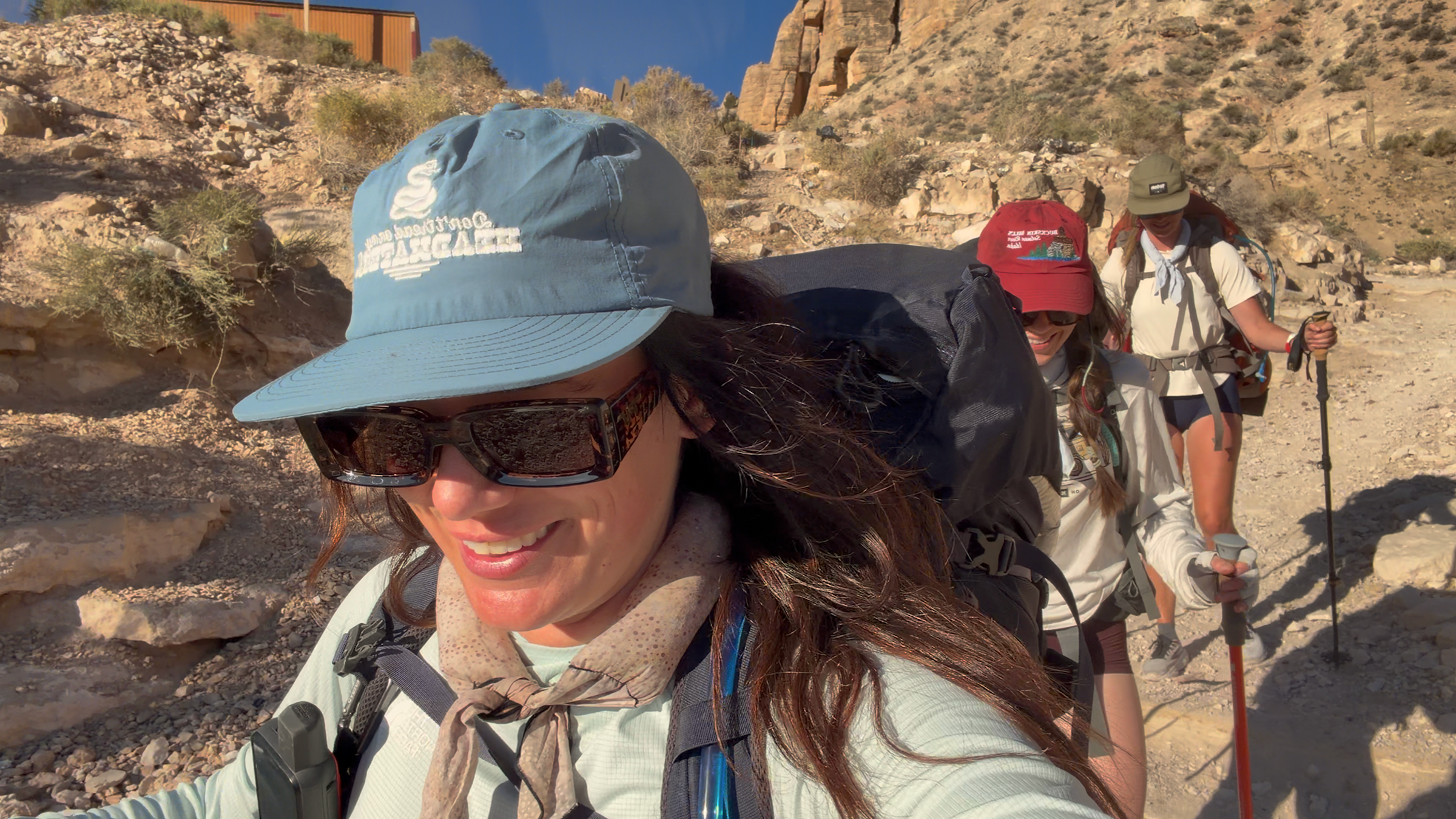
A specialized tool used during the trek was the Kafka Kool Tie, a neck wrap containing polymer crystals. These crystals absorb water and utilize evaporative cooling to lower the temperature of the blood flowing through the carotid arteries. As the water slowly evaporates over several hours, it provides a consistent cooling effect on the body’s core. This method of conductive and evaporative cooling is a vital supplement to the body’s natural sweating mechanism, which can fail under the stress of 100-degree-plus temperatures.
Water Infrastructure and Filtration Logistics
The weight of water is a primary challenge for desert hikers; at 2.2 pounds per liter, carrying a full day’s supply is physically taxing. The group’s protocol required carrying between 0.5 and 1 liter of water for every hour of movement. To manage this, they utilized high-capacity hydration bladders, such as the Platypus Big Zip, which allows for frequent sipping via a straw, ensuring a steady intake of fluids without the need to stop and retrieve bottles.
Reliable filtration was equally paramount. The team employed a dual-layer filtration system: a Sawyer Squeeze Filter for high-volume processing at camp and a portable MSR TrailShot for rapid "on-the-go" pumping from creek sources. In the desert, water sources can be silty or contain high mineral content; therefore, having robust, field-maintainable filters is essential to prevent gastrointestinal illness, which can lead to rapid, life-threatening dehydration.
Environmental Management: The Role of Artificial Shade
While natural shade is the gold standard for cooling, it is often unavailable in the exposed corridors of the Grand Canyon. The group carried an Eno ProFly Sil Rain Tarp, repurposing it as a sun shield. According to the National Weather Service, direct sunlight can make the "feels-like" temperature up to 15 degrees Fahrenheit hotter than the actual air temperature.
By creating a micro-environment of shade, the group was able to lower their thermal load during the peak heat of the day. This is particularly important for individuals with underlying health conditions. Medical experts at Cedars-Sinai have noted that direct heat and UV exposure can exacerbate migraines and respiratory issues, making the ability to create "portable shade" a critical safety measure for backcountry groups.
Identifying the Transition from Heat Exhaustion to Heat Stroke
A key component of the group’s safety protocol was the constant monitoring of "mental status" among team members. Heat exhaustion is characterized by heavy sweating, rapid pulse, dizziness, and nausea. However, the transition to heat stroke—a true medical emergency—is marked by a change in mental state.
The Centers for Disease Control and Prevention (CDC) warns that heat stroke can occur within minutes if the body’s core temperature rises to 104 degrees Fahrenheit or higher. At this point, the body may stop sweating, and the individual may become confused, combative, or lose consciousness. The group was trained to recognize these signs and understood the immediate intervention required: moving the victim to shade and applying cold, wet cloths to the "thermal windows" of the body—the neck, armpits, and groin—where large blood vessels are close to the skin.
Broader Implications and Analysis
The success of the June 2026 Havasupai trek, despite the surrounding fatalities, highlights a growing trend in outdoor recreation: the "permit pressure" phenomenon. Because permits for Havasupai and the Grand Canyon backcountry are often secured six months in advance and are non-refundable or non-transferable, many hikers feel compelled to proceed regardless of weather warnings.
This creates a significant burden on Search and Rescue (SAR) teams. In the Grand Canyon, SAR operations are among the most frequent in the National Park system. As climate change continues to push summer temperatures to new extremes, park authorities and tribal lands may face difficult decisions regarding "heat closures" of trails—a policy already being implemented in places like Phoenix, Arizona, where certain trails are closed when temperatures exceed 105 degrees.
The survival of the group in this case was not a matter of luck, but of technical adaptation. By treating the desert as a high-risk environment requiring specialized gear and a non-traditional schedule, they managed to complete a strenuous 43-mile journey during a lethal heatwave. Their experience serves as a blueprint for the future of desert hiking: a discipline where the traditional "day hike" is replaced by a sophisticated, data-driven approach to thermal regulation and environmental awareness.



 Chandra Hamzah
 Tatiana Tantri Indah Sari
 Budi Mulyono
