
 Budi Mulyono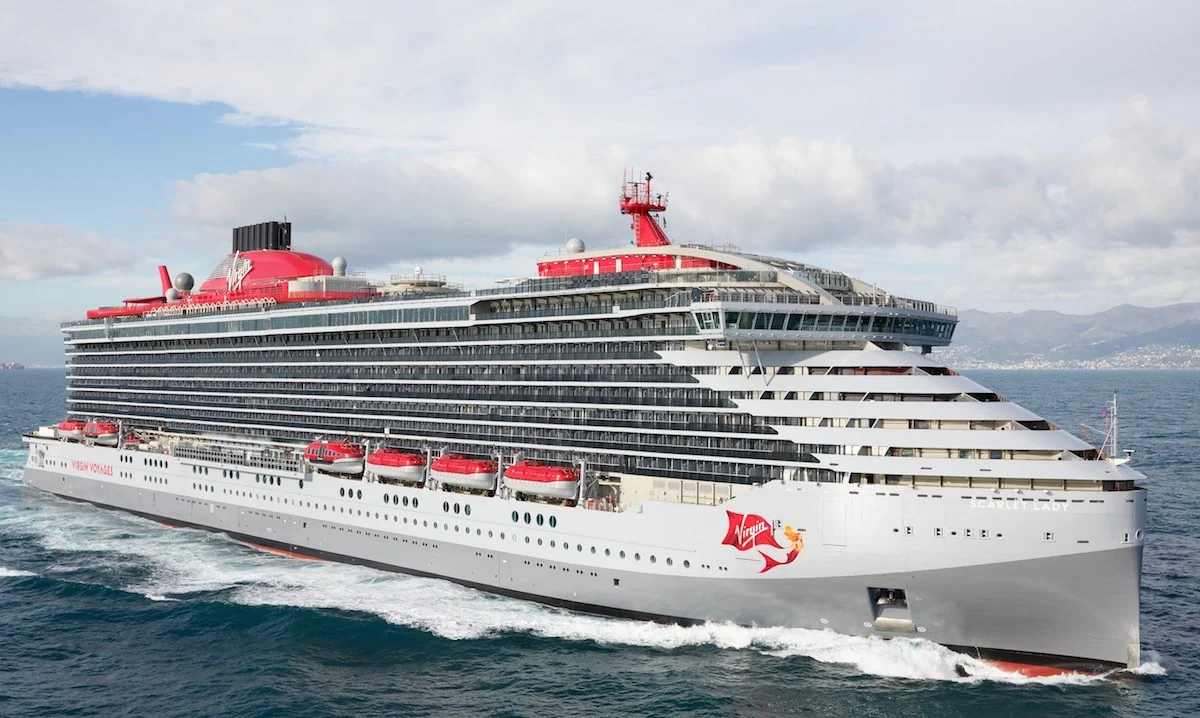
Turkish government officials have issued a last-minute directive blocking a Virgin Voyages cruise ship, chartered by the LGBTQ-focused travel company Atlantis Events, from docking at scheduled ports in Turkey. The decision, which affects approximately 1,900 passengers, was reportedly justified by authorities on the grounds of protecting "moral standards" and "family values." The move marks a significant departure from standard maritime protocols and highlights the increasing social and political conservatism within the Republic of Türkiye under the administration of President Recep Tayyip Erdoğan.
The 10-night Mediterranean voyage, operated by the Virgin Voyages vessel Scarlet Lady, was scheduled to depart from Athens, Greece, on July 5, 2026. The itinerary originally included high-profile stops in the Turkish ports of Kusadasi on July 7 and Istanbul on July 8. However, Turkish authorities intervened just days before the scheduled arrival, claiming the charter group’s presence was "incompatible with the fabric of society." This unprecedented exclusion has forced the cruise line and its charterer to undergo a major logistical overhaul of the ship’s route through the Eastern Mediterranean.
Background of the Atlantis Events Charter
Atlantis Events, founded in 1991, is the world’s largest travel company specializing in all-gay vacations. The company operates by chartering entire vessels from major cruise lines, including Virgin Voyages, Celebrity Cruises, and Royal Caribbean, and then customizing the onboard experience to cater to the LGBTQ+ community. This particular sailing on the Scarlet Lady was marketed as a high-energy, inclusive experience featuring themed parties, world-class entertainment, and stops at iconic Mediterranean destinations.
The Scarlet Lady, the flagship of Richard Branson’s Virgin Voyages, is an adults-only vessel designed with a progressive, boutique-hotel aesthetic. With a capacity for roughly 2,700 passengers, the ship currently hosts 1,900 guests for this specific charter, of which approximately 1,100 are citizens of the United States. The sudden denial of port access has not only disrupted the vacation plans of these travelers but has also raised concerns regarding the treatment of international tourists based on sexual orientation and gender identity.
Rich Campbell, CEO of Atlantis Events, noted that in the company’s 36-year history of operating global charters, this is the first instance in which a sovereign nation has explicitly denied a berth based on the identity of the passengers. The company has previously successfully navigated ports in various culturally conservative regions, typically operating under the principle that the ship remains a private venue under the flag of its registering nation—in this case, the Bahamas—while the passengers are treated as standard international tourists upon disembarking.
Political Context and the Shift in Turkish Policy
The decision to block the cruise ship is being viewed by international observers as a reflection of the tightening social controls in Turkey. While homosexuality was decriminalized in the Ottoman Empire in 1858 and remains legal in modern Turkey, the current administration has increasingly targeted LGBTQ+ visibility. President Erdoğan and his Justice and Development Party (AKP) have frequently utilized rhetoric that frames LGBTQ+ rights as a threat to the traditional Turkish family structure.
In recent years, the Turkish government has banned Pride marches in Istanbul and other major cities, citing security concerns and public morality. Furthermore, the country withdrew from the Istanbul Convention—a landmark international treaty aimed at preventing domestic violence—partly because officials argued it was being used to "normalize homosexuality."
According to human rights monitors, the blocking of a commercial cruise ship represents an escalation of these domestic policies into the realm of international tourism. Historically, Turkey has been a premier destination for cruise lines due to its strategic location and historical sites like Ephesus and the Hagia Sophia. The exclusion of a vessel based on the "moral standards" of its passengers suggests a new regulatory hurdle for the global cruise industry, which relies on predictable port access and the safety of its guests.
Revised Itinerary and Logistic Realities
In response to the Turkish blockade, Virgin Voyages and Atlantis Events have rerouted the Scarlet Lady to alternative ports in Egypt and Greece. The ship is now scheduled to dock in Alexandria, Egypt, for a single day, offering passengers excursions to the pyramids of Giza and other sites in Cairo. Additionally, the vessel will make a stop in Heraklion, the capital of the Greek island of Crete.
The choice of Alexandria as a replacement port has drawn scrutiny from travel analysts and human rights advocates. On most international equality indices, Egypt ranks significantly lower than Turkey regarding LGBTQ+ rights and protections. While Egypt does not have a specific law criminalizing same-sex acts, "debauchery" and "public morality" laws are frequently used to arrest and prosecute LGBTQ+ individuals.
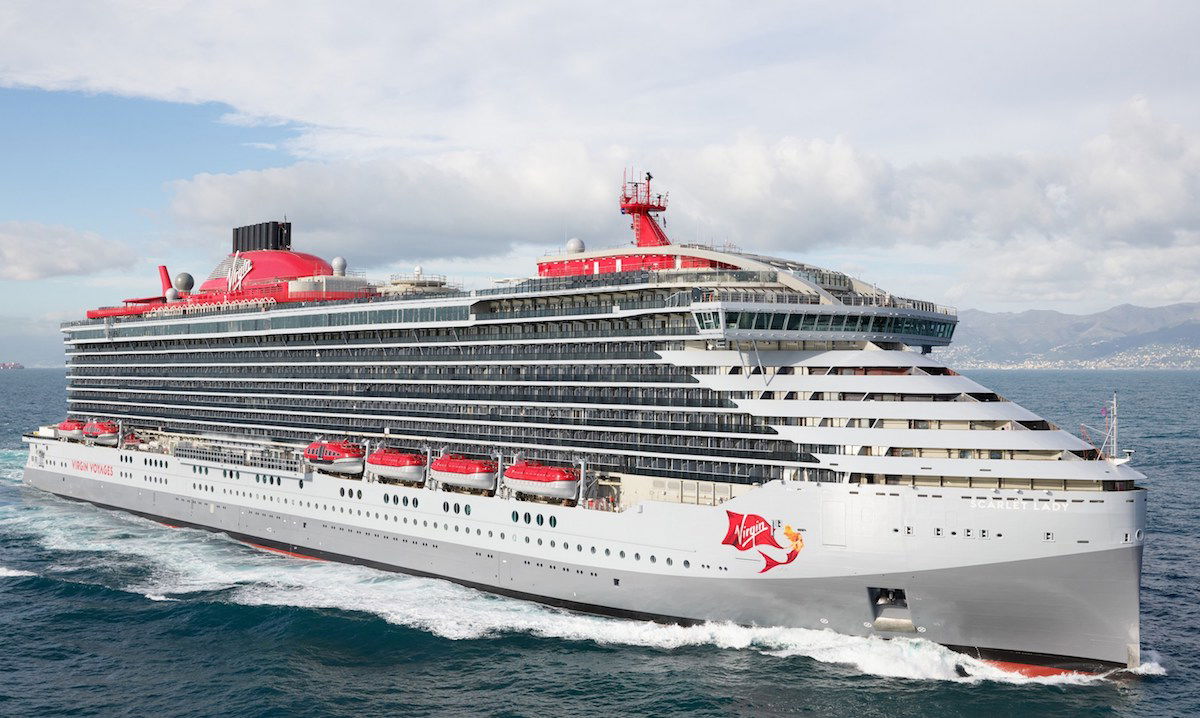
The decision to market the Alexandria stop as "Cairo (Alexandria)" has also been noted as a logistical stretch, as the drive between the port and the capital city can take three or more hours each way. Despite these challenges, the organizers were required to find a port capable of handling a vessel of the Scarlet Lady’s size (approximately 110,000 gross tons) on extremely short notice. Following the stops in Egypt and Greece, the ship will continue its planned route through Croatia before concluding the voyage in Venice, Italy.
Economic Impact and Industry Implications
The exclusion of the Scarlet Lady carries direct economic consequences for the Turkish ports of Kusadasi and Istanbul. The cruise industry is a vital component of the Turkish tourism sector, which accounts for roughly 10% of the nation’s GDP. A single port call from a vessel with 1,900 passengers can generate hundreds of thousands of dollars in revenue through port fees, local excursions, retail spending, and dining.
Kusadasi, in particular, is a major gateway for the ancient city of Ephesus, one of Turkey’s most visited archaeological sites. The loss of a high-spending charter group is a blow to local vendors and tour operators who rely on the steady influx of international cruise passengers.
Furthermore, the precedent set by this ban could influence the itinerary planning of other cruise lines. The global cruise industry operates on a multi-billion dollar scale, and companies prioritize stability and the safety of their passengers. If Turkey is perceived as a destination where port access can be revoked based on the demographic profile of the passengers, major lines may reconsider the frequency of their stops in the region to avoid the high costs associated with last-minute rerouting and guest compensation.
Reactions and Official Statements
While the Turkish Ministry of Transport and Infrastructure has not released an exhaustive public document detailing the specific legal mechanism used to block the ship, the cited reasons of "moral standards" have been communicated to the cruise line’s local agents.
Industry experts suggest that the "private venue" argument—that a ship in port remains a controlled environment—was insufficient to sway Turkish officials. The government reportedly viewed the ship’s presence and its associated marketing as a form of public expression that conflicted with state-endorsed values.
Virgin Voyages has focused its public communication on ensuring the guest experience remains high-quality despite the disruption. In a statement to booked passengers, the company emphasized its commitment to providing a safe and inclusive environment while acknowledging the necessity of adhering to the sovereign decisions of the countries they visit.
Human rights organizations have expressed concern over the development. A spokesperson for a leading international LGBTQ+ advocacy group stated, "The targeting of an international cruise ship based on the identity of its passengers is a concerning expansion of Turkey’s crackdown on civil liberties. It sends a message to the global community that Turkey is no longer a welcoming destination for all travelers."
Timeline of Events
- July 2025: Atlantis Events announces the "10th Anniversary Med Cruise" aboard Virgin Voyages’ Scarlet Lady for July 2026.
- Late June 2026: Turkish maritime authorities begin reviewing the passenger manifests and charter details for the upcoming Scarlet Lady arrival.
- July 2, 2026: Official notification is sent to Virgin Voyages and Atlantis Events stating that the ship will not be permitted to berth in Kusadasi or Istanbul.
- July 3, 2026: Atlantis Events and Virgin Voyages finalize a revised itinerary, replacing Turkish ports with Alexandria, Egypt, and Heraklion, Greece.
- July 5, 2026: The Scarlet Lady departs from Athens, Greece, with 1,900 passengers on board.
- July 7–8, 2026: The ship bypasses Turkey, heading toward the coast of North Africa.
Broader Implications for Global Travel
The blocking of the Atlantis Events cruise highlights a growing tension between the globalized travel industry and the rise of nationalist or conservative social policies in traditional tourism hubs. As cruise lines strive to create "safe spaces" for diverse populations, they are increasingly finding themselves at the intersection of complex geopolitical and cultural shifts.
For the 1,100 American passengers on board, the incident serves as a reminder of the differing legal and social landscapes encountered in international waters. The U.S. State Department typically advises travelers to be aware of local laws and customs, noting that U.S. citizenship does not provide immunity from local regulations. However, the proactive banning of a vessel before it even enters territorial waters is a rare move that may prompt diplomatic inquiries regarding the fair treatment of U.S. commercial interests and citizens.
As the Scarlet Lady continues its journey toward Venice, the cruise industry will likely watch closely to see if this incident is an isolated event or the beginning of a more restrictive era for specialized charters in the Eastern Mediterranean. For now, the 1,900 guests on board are left to navigate a vacation that has become a flashpoint for international debate on morality, sovereignty, and the right to travel.



 Anjar Salim
 Chandra Hamzah
 Tatiana Tantri Indah Sari
 Lukman Taruna Persada Ramadan
