
 Tatiana Tantri Indah Sari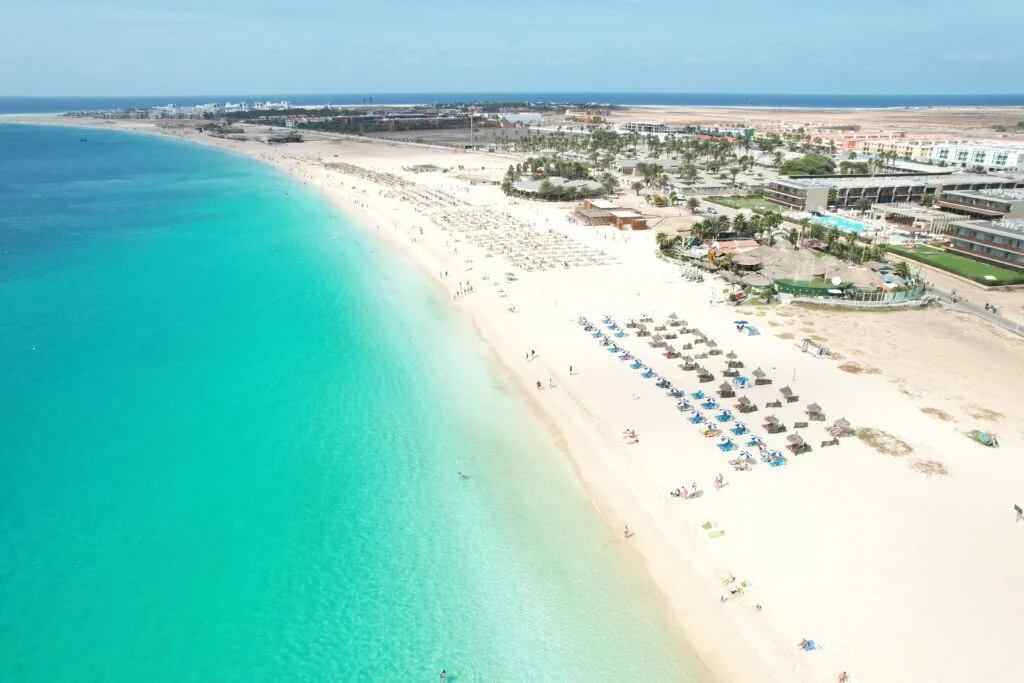
The tiny West African island nation of Cabo Verde, a relative unknown on the global football stage, delivered one of the most compelling narratives of the recent World Cup, pushing the defending champions, Argentina, to their absolute limits in a thrilling 3-2 extra-time defeat in the knockout stage. This unforeseen clash, which captivated millions of viewers worldwide, has transcved the boundaries of sport, igniting a surge of global interest in the archipelago and presenting an unprecedented opportunity for its nascent tourism industry to diversify and expand beyond its traditional European source markets.
The Unforeseen Upset: A Nation’s Journey to the Knockout Stage
Cabo Verde’s presence in the World Cup knockout stage was, in itself, a historic achievement. With a population of approximately 550,000, it became the smallest country ever to advance past the group phase in the tournament’s illustrious history. Their journey to this pivotal match against Lionel Messi’s formidable Argentina squad was one marked by resilience, tactical discipline, and an indomitable spirit. Having navigated a challenging qualification campaign, the "Blue Sharks" — as the national team is affectionately known — demonstrated their potential in the group stages. Placed in a competitive group, they defied pre-tournament odds by securing draws against stronger regional rivals and clinching a crucial victory in their final group fixture, showcasing a brand of football that was both organized defensively and surprisingly potent on the counter-attack. This performance, while perhaps flying under the radar of mainstream sports media initially, built a quiet momentum that exploded into global consciousness when their knockout stage draw pitted them against the reigning world champions.
The build-up to the Friday match against Argentina was charged with anticipation. Analysts universally predicted a comfortable victory for the South American giants, with many commentators framing the encounter as a mere formality before Argentina’s deeper progression in the tournament. However, the Cabo Verdean squad, fueled by national pride and an underdog mentality, approached the game with unwavering belief. From the opening whistle, it was clear this would be no walkover. Cabo Verde displayed remarkable composure, absorbing early pressure and executing quick transitions that repeatedly tested Argentina’s defense. The crowd, initially biased towards the star-studded champions, found themselves increasingly captivated by the spirited challenge mounted by the islanders.
The match itself unfolded as a dramatic spectacle. Cabo Verde, against all expectations, found the back of the net first, sending shockwaves through the stadium and across viewing parties globally. Argentina, stung by the early deficit, responded with characteristic brilliance, eventually leveling the score before taking a narrow lead. Yet, the Blue Sharks refused to yield, fighting back to equalize, pushing the game into a tense extra-time period. The decisive goal, scored by Argentina in the dying minutes of extra time, brought an end to Cabo Verde’s valiant campaign. Despite the narrow 3-2 loss, the performance was celebrated as a moral victory, a testament to their unwavering determination against a team widely considered to be one of the greatest in football history. The final whistle, though marking an exit from the tournament, signaled the arrival of Cabo Verde onto the world stage in a way few could have predicted.
Immediate Global Response: A Digital Tsunami of Interest
The immediate aftermath of the match saw an unprecedented surge in global interest for Cabo Verde, demonstrating the profound impact of major sporting events on geographical awareness. Data from leading travel platforms and search engines painted a clear picture of this phenomenon. Expedia, TUI, and Google all tracked a dramatic spike in searches related to the destination. Reports indicated that search queries for "Cabo Verde holidays" or "flights to Cabo Verde" jumped by over 300% in the 72 hours following the match, with some markets showing even higher proportional increases. Social media platforms were abuzz with discussions about the country, with hashtags related to Cabo Verde trending worldwide. News outlets, previously focused solely on the football narrative, began to feature articles highlighting the nation’s unique culture, stunning landscapes, and emerging tourism potential.
This digital tsunami of interest represents a critical inflection point for Cabo Verde. For decades, the archipelago has struggled with limited international visibility beyond specific European corridors. The World Cup exposure, however, has fundamentally altered this landscape, introducing the country to millions of viewers in North America, Asia, South America, and other parts of Europe who might never have otherwise encountered it. Travel industry analysts were quick to acknowledge the significance. A spokesperson for a major online travel agency, speaking on background, noted, "We’ve seen an unprecedented surge in interest for Cabo Verde, directly correlating with their impressive tournament run. This isn’t just a fleeting trend; it’s a foundational shift in global awareness that, if properly leveraged, could redefine their tourism trajectory for years to come." Similarly, data scientists at Google observed a significant broadening of search demographics, indicating that new potential source markets were actively exploring travel to the islands.
Cabo Verde’s Tourism Landscape: Challenges and Opportunities
Historically, Cabo Verde’s tourism industry, while a significant contributor to its economy, has operated within relatively narrow parameters. Tourism accounts for roughly a quarter of the nation’s Gross Domestic Product (GDP), underscoring its importance to economic stability and job creation. However, this economic engine has been largely dependent on a limited set of source markets, primarily from Europe. Countries such as the United Kingdom, Germany, Portugal, the Netherlands, and Scandinavia have traditionally provided the bulk of visitors, attracted by the islands’ year-round sunshine, pristine beaches, and relaxed atmosphere.
Furthermore, the structure of this tourism has been concentrated geographically and economically. The vast majority of international travelers tend to visit just two of the nine inhabited islands: Sal and Boa Vista. These islands are renowned for their expansive white-sand beaches and well-developed resort infrastructure. The prevalent model involves travelers booking all-inclusive packages through large foreign tour operators, such as TUI, and staying in resorts often managed by international hotel chains like Spain’s Meliá. While this model brings in foreign investment and a steady stream of tourists, it also presents challenges. A significant portion of tourist expenditure often "leaks" out of the local economy, as revenues are repatriated by foreign-owned operators and suppliers. This limits the direct economic benefit to local businesses, communities, and entrepreneurs, hindering broader economic diversification within the archipelago. The other seven inhabited islands, each with their distinct natural beauty, cultural heritage, and unique experiences – from the volcanic landscapes of Fogo to the vibrant music scene of São Vicente and the trekking paradise of Santo Antão – remain largely underexplored by international tourists, lacking the direct flight connectivity and established infrastructure of Sal and Boa Vista.
Charting a New Course for Tourism Diversification
The global attention garnered by the World Cup presents an unparalleled opportunity for Cabo Verde to strategically re-evaluate and reorient its tourism development. The immediate challenge is to convert this newfound awareness into sustainable, diversified tourist arrivals. The long-term vision must extend beyond the established sun-and-sea model to encompass the rich tapestry of experiences the archipelago offers.
One key area for diversification is the expansion into new source markets. The surge in searches from North America, South America, and parts of Asia indicates a burgeoning interest that was previously untapped. Capitalizing on this requires targeted marketing campaigns that highlight not only the familiar beach offerings but also the unique cultural heritage, ecotourism potential, adventure sports (such as surfing, kitesurfing, and hiking), and the vibrant local music and culinary scenes. This could involve partnerships with airlines to explore new direct flight routes from key cities in these emerging markets, a crucial step in making Cabo Verde more accessible.
Furthermore, there is a significant opportunity to promote multi-island itineraries, encouraging visitors to explore beyond Sal and Boa Vista. Developing infrastructure on islands like Santiago (home to the capital Praia and a UNESCO World Heritage site), São Vicente (cultural hub), and Santo Antão (renowned for its dramatic mountain landscapes and hiking trails) is essential. This would involve investing in improved inter-island transport links (ferries and domestic flights), developing boutique accommodations, and supporting local tour operators who can offer authentic cultural and adventure experiences. Such a shift would not only distribute tourist revenue more equitably across the archipelago but also cater to a growing segment of travelers seeking more immersive and authentic experiences.
Strategic Implications and Future Prospects
The Cabo Verdean government and its Ministry of Tourism are acutely aware of this historic moment. Sources close to the Ministry indicate that plans are being fast-tracked to capitalize on the unprecedented global visibility. This includes developing a comprehensive national tourism strategy focused on sustainability, community engagement, and digital marketing. Official statements from tourism bodies are expected to emphasize the nation’s commitment to responsible tourism development, ensuring that increased visitor numbers benefit local communities directly and preserve the islands’ pristine natural environment and cultural integrity.
One strategic implication is the potential to attract investment in niche tourism sectors. For instance, the islands’ excellent conditions for wind and water sports could draw a dedicated segment of adventure tourists. The rich Creole culture, influenced by African and Portuguese heritage, offers immense potential for cultural tourism, including music festivals, historical tours, and gastronomic experiences. The volcanic landscapes and diverse marine life present opportunities for eco-tourism and scientific research tourism.
However, challenges remain. Sustaining interest beyond the immediate afterglow of the World Cup will require consistent, well-funded marketing efforts. Managing growth responsibly, without overwhelming local infrastructure or eroding cultural authenticity, is paramount. Ensuring that local businesses and entrepreneurs are empowered to participate in and benefit from the expanded tourism sector will be crucial to avoiding the pitfalls of over-reliance on foreign operators. This may involve training programs for local guides, support for small and medium-sized tourism enterprises, and policies that encourage local sourcing of goods and services within the tourism supply chain.
In conclusion, Cabo Verde’s heroic performance against Argentina at the World Cup has unexpectedly thrust this small island nation into the global spotlight, presenting a monumental opportunity to redefine its international identity and broaden its tourism appeal. By strategically leveraging this newfound visibility, diversifying its offerings, expanding into new markets, and prioritizing sustainable and inclusive growth, Cabo Verde stands poised to transform a moment of sporting glory into a catalyst for long-term economic development and cultural enrichment. The world has discovered Cabo Verde through football; now, the challenge and opportunity lie in inviting them to discover the full breadth of its beauty, culture, and hospitality.



 Anjar Salim
 Chandra Hamzah
 Budi Mulyono
 Lukman Taruna Persada Ramadan
