
 Anjar Salim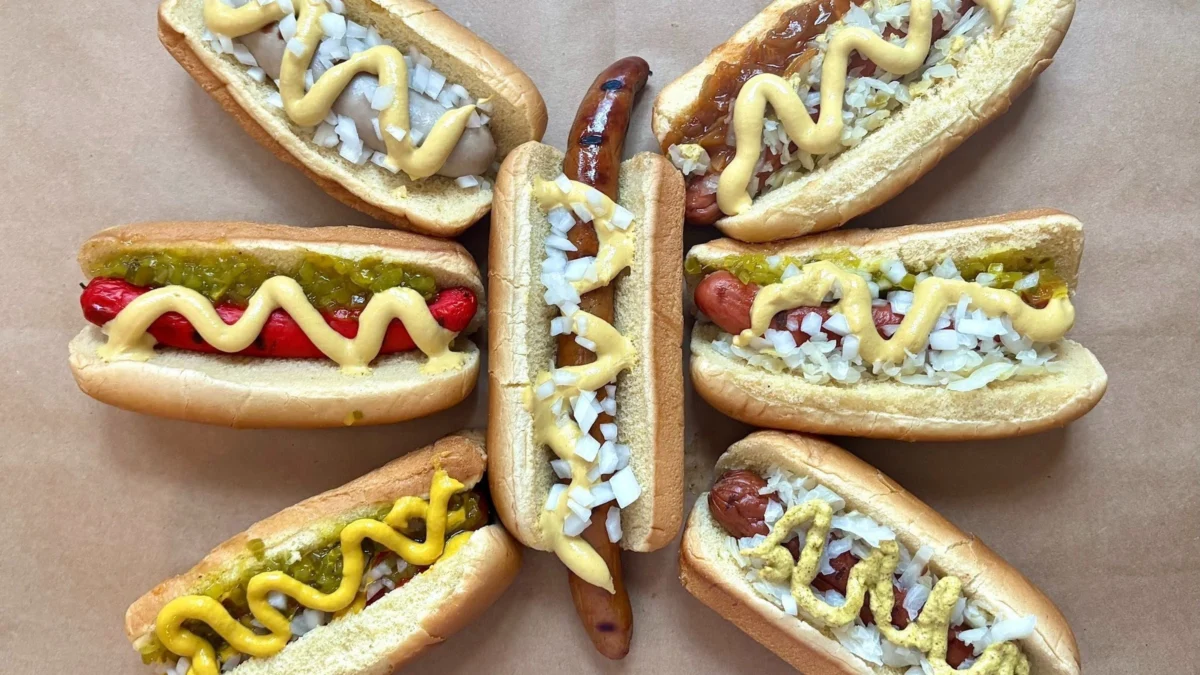
As the United States enters the peak of the summer outdoor season, the culinary focus of the nation shifts toward a staple of the American diet that is frequently misunderstood by modern gastronomic criticism. While high-end culinary publications often attempt to rank hot dogs through the same rigorous, qualitative lenses applied to vintage wines or artisanal cheeses, industry experts and historians suggest this approach misses the fundamental essence of the food. The hot dog is not a monolith to be scored on a singular scale; rather, it is a diverse category of encased meats reflecting deep-seated regional histories, immigration patterns, and evolving dietary preferences.
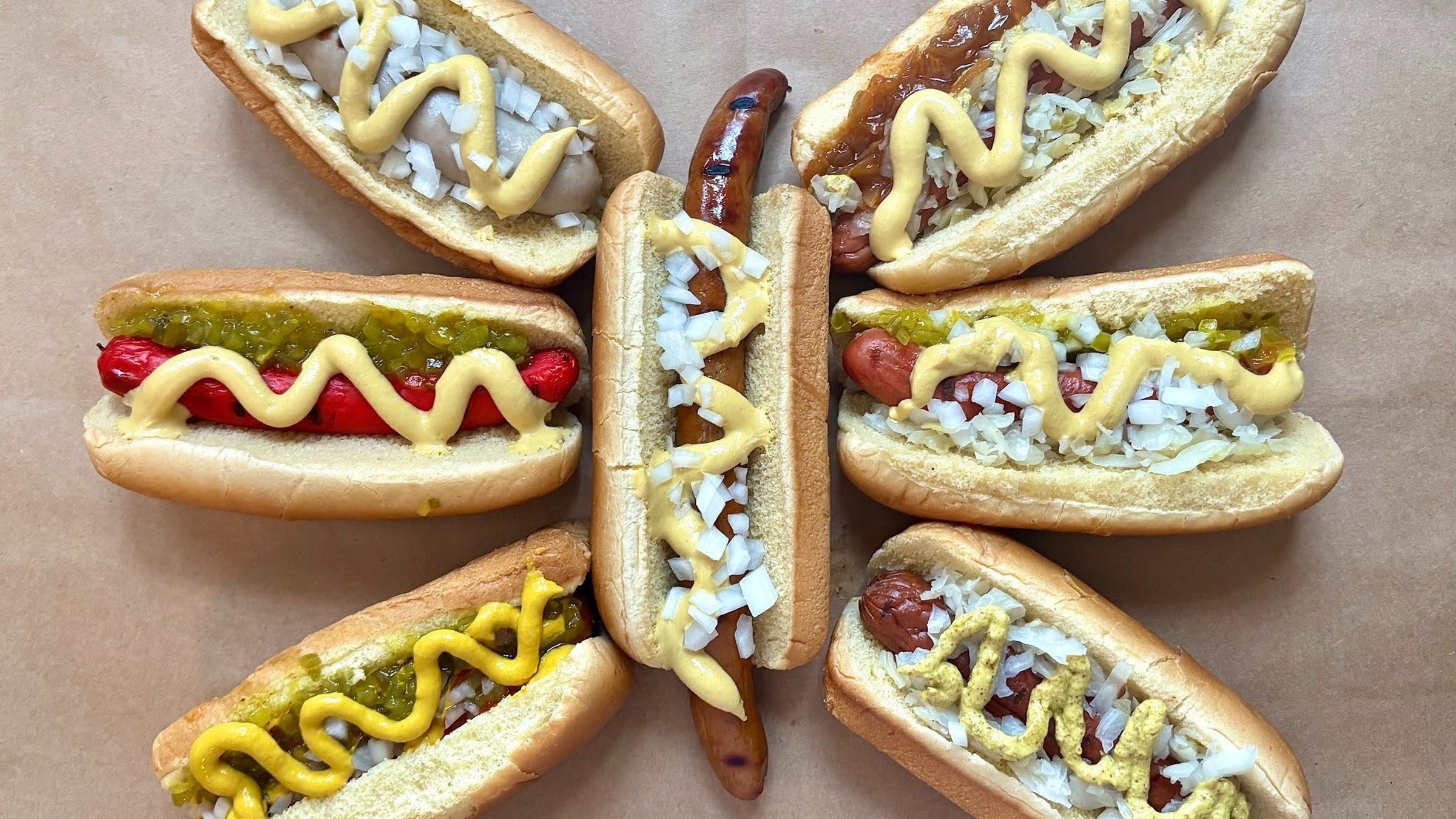
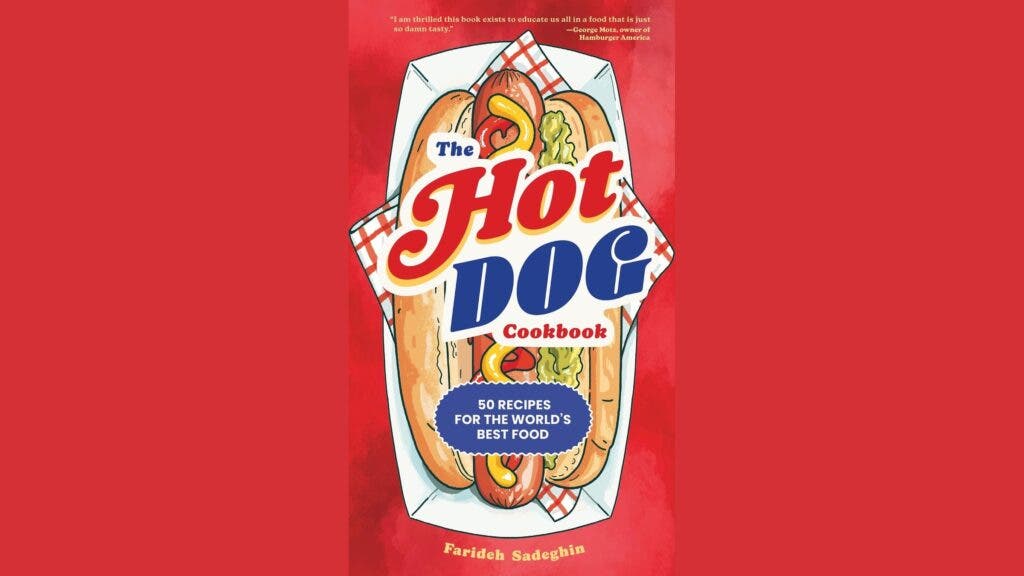
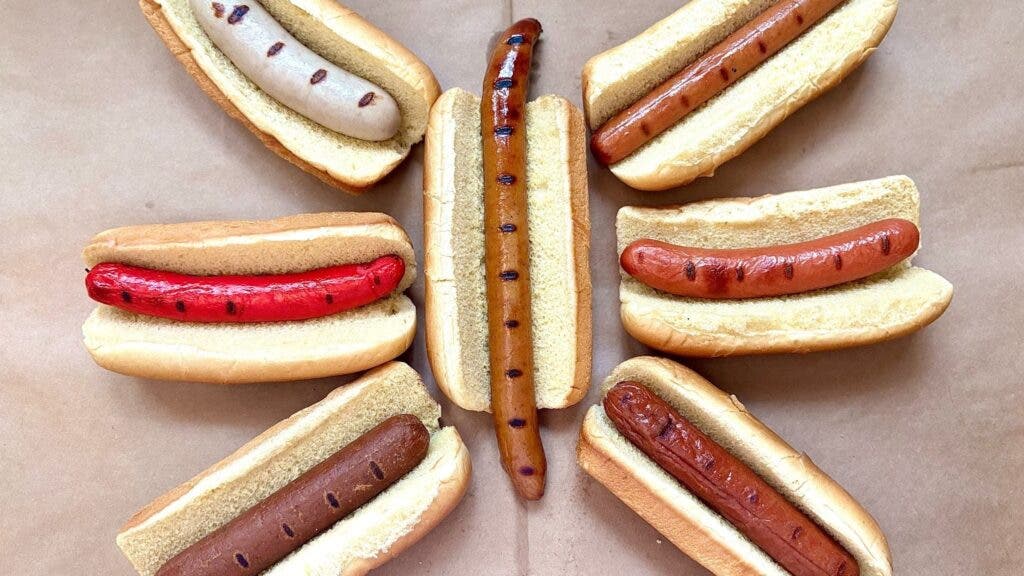
The publication of "The Hot Dog Cookbook: 50 Recipes for the World’s Best Food" by Farideh Sadeghin has recently reignited a national conversation regarding the cultural and technical nuances of the sausage. Sadeghin, a noted culinary pundit and author, argues that the "best of" lists published annually fail to account for the distinct regional styles that define the American experience. From the snap of a Maine "Red Snapper" to the subtle, uncured profile of a Rochester "White Hot," the diversity of the hot dog market represents a complex tapestry of food science and tradition.
The Economic and Cultural Scale of the Hot Dog Market
To understand the significance of the hot dog in the American landscape, one must first look at the industrial data. According to the National Hot Dog and Sausage Council (NHDSC), Americans consume approximately 20 billion hot dogs annually. A significant portion of this consumption occurs during the "peak season"—the period between Memorial Day and Labor Day—during which an estimated 7 billion hot dogs are consumed. On the Independence Day holiday alone, Americans typically eat 150 million hot dogs, a number sufficient to stretch from Washington, D.C., to Los Angeles more than five times.
The market is also seeing a shift in composition. While traditional all-beef and pork-beef blends remain dominant, the plant-based and "clean label" sectors have seen a compound annual growth rate (CAGR) of over 10% in recent years. This diversification is reflected in the modern pantry, where consumers now choose between traditional kosher certifications, natural casings, and high-protein vegan alternatives.
A Chronology of the Encased Meat in America
The history of the hot dog is inextricably linked to the history of German and Austrian immigration to the United States in the 19th century.
- The European Origins (1487–1805): The city of Frankfurt, Germany, claims the invention of the "frankfurter" in 1487, though residents of Vienna (Wien), Austria, point to the "wienerwurst" as the true ancestor. These early sausages were typically made of pork and beef, lightly smoked, and served with bread.
- The Coney Island Introduction (1867): German immigrant Charles Feltman began selling sausages in rolls from a specialized cart on Coney Island. This innovation—placing the meat in a bun—allowed for portable consumption in an increasingly mobile society.
- The Expansion of Regionalism (1900–1950): As immigrants moved inland, regional styles began to diverge. Chicago developed its "dragged through the garden" style using all-beef franks to cater to Jewish populations, while the Northeast maintained its preference for snappy, natural casings.
- The Modern Era (2000–Present): The rise of artisanal butchery and plant-based technology has expanded the hot dog definition to include gourmet "footlongs" and seitan-based alternatives, moving the food from a simple stadium snack to a versatile outdoor culinary tool.
A Taxonomy of Styles: Defining the Modern Standard
The technical differences between hot dog varieties are often defined by their protein source, casing type, and curing process. Expert Farideh Sadeghin notes that "every hot dog is a sausage, but not every sausage is a hot dog." To navigate the current market, a clear taxonomy is required.
The Frankfurter and the Wiener
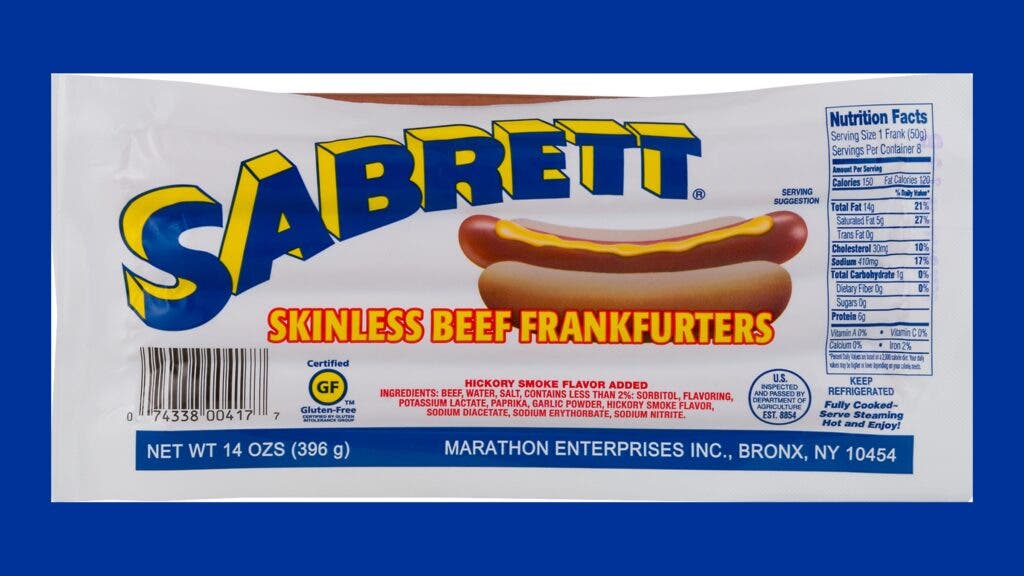
While the terms are often used interchangeably in the United States, they possess distinct technical lineages. The traditional Frankfurter Würstchen is a protected geographical status in Germany, consisting of a lightly smoked pork sausage in a sheep casing. In the American market, brands like Sabrett have popularized the "New York Style" frankfurter—an all-beef sausage that may be skinless or encased in a natural sheep casing for a characteristic "snap."
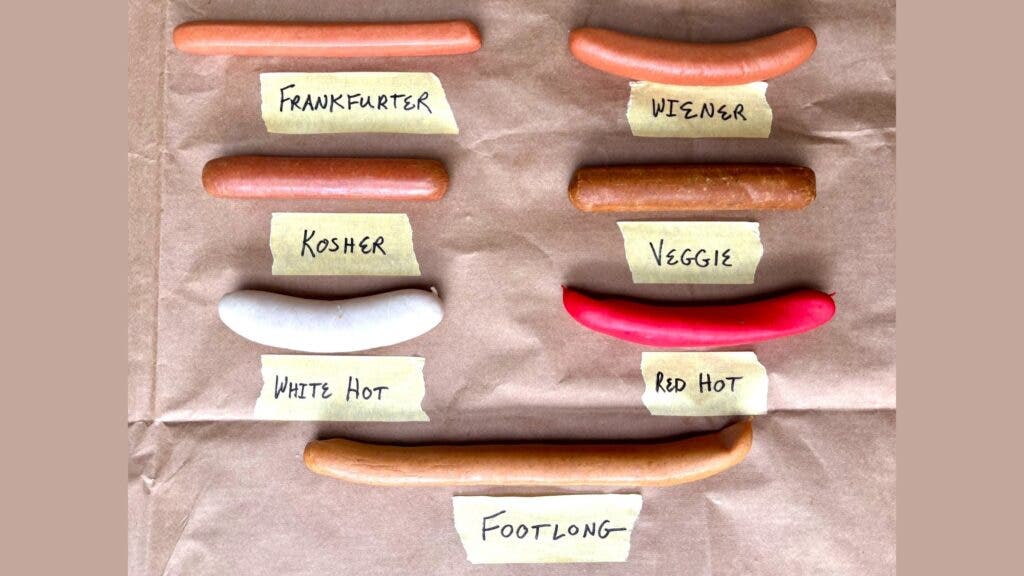
In contrast, the American "wiener" (derived from the Wiener Würstchen) typically utilizes a blend of pork and beef. These sausages are often characterized by a finer grind and the inclusion of warming spices such as paprika, coriander, white pepper, and ginger. Producers like Smith’s, based in Erie, Pennsylvania, maintain the traditional hardwood smoking process, which offers a softer flavor profile compared to the heavy hickory smoke often found in mass-market brands.
Kosher and All-Beef Standards
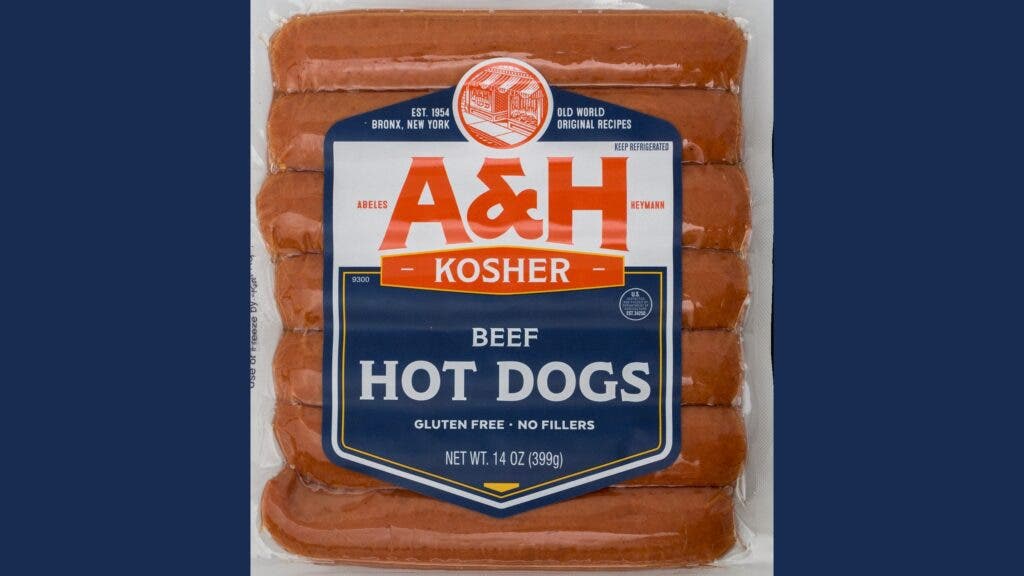
Kosher hot dogs, such as those produced by Abeles & Heymann, are subject to strict rabbinical supervision and are guaranteed to contain no pork or by-products. The "Glatt Kosher" designation represents an even higher level of scrutiny regarding the health of the animal’s lungs. These sausages are typically all-beef and skinless, as traditional casings are made from hog or sheep intestines. The absence of a casing often results in a heartier, beefier texture that holds up well under high-heat grilling.
The Regional "Hots": Whites and Reds
The geographic isolation of certain styles has created cult followings. The "White Hot," a staple of Rochester, New York, is an uncured and unsmoked blend of pork, beef, and veal. Brands like Zweigle’s produce a "Pop Open" variety that is famous for its casing bursting under the heat of a grill. Because they are uncured, they lack the pink hue associated with nitrates, resulting in a white or off-white appearance and a flavor profile closer to a mild bratwurst.
Conversely, the "Red Hot" varies by region. In Maine and parts of the South, red hots are characterized by a vibrant red dye. The Maine "Red Snapper," produced by W.A. Bean & Sons, uses a natural casing and a pork-beef blend, standing out as a visual and textural icon of New England summer culture.

The Plant-Based Evolution
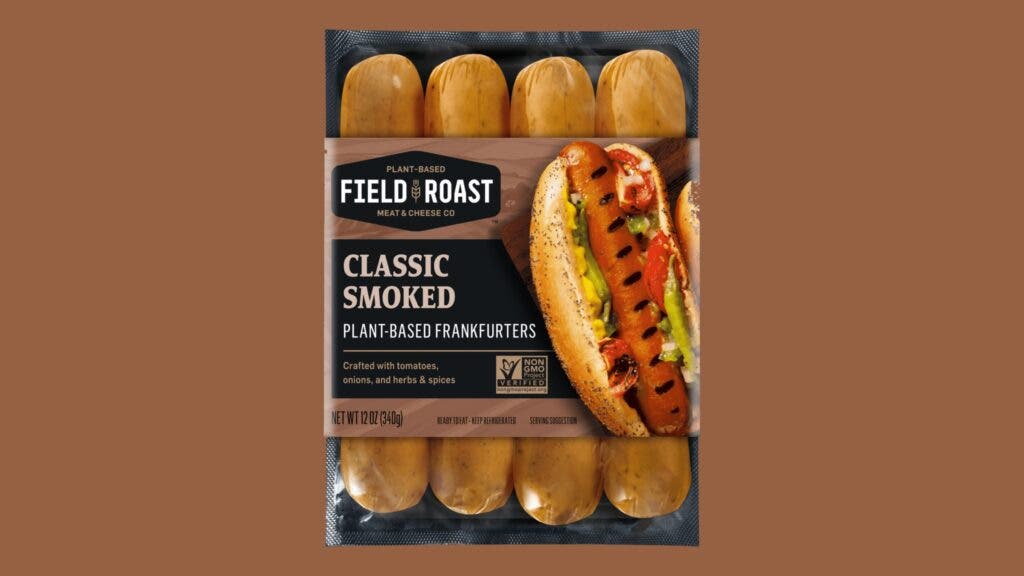
The "Veggie Dog" has transitioned from a niche dietary substitute to a mainstream contender. Success in this category is increasingly measured by texture. Field Roast, for instance, utilizes seitan (wheat gluten) to provide a dense, "meaty" chew that mimics the resistance of a traditional sausage. Other manufacturers have turned to pea protein to achieve a juicier, "stadium-style" mouthfeel.
Technical Innovations for Outdoor Consumption
As hot dogs remain synonymous with outdoor life—from camping trips to professional-grade tailgates—culinary experts are introducing new techniques to maintain quality in the field. Sadeghin suggests a "boil and store" method for hikers: boiling hot dogs in advance and storing them in boiling water inside a vacuum-sealed heatproof bottle or thermos. This method allows for a hot meal on the trail four to six hours after preparation, effectively decanting the sausages for immediate consumption without the need for a portable stove.
Elias Cairo, the founder of Olympia Provisions and a master sausage maker, emphasizes the importance of the "overhang." Cairo, who apprenticed in Switzerland, argues that a high-quality frankfurter should extend beyond the bun. This allows the consumer to experience the unadulterated flavor and snap of the sausage before engaging with condiments. Cairo’s own footlong frankfurters utilize natural lamb casings and fresh-ground spices, representing a return to European artisanal standards in the American Pacific Northwest.
Analysis of Broader Implications
The resilience of the hot dog in the American diet can be attributed to its socio-economic accessibility and its role as a vessel for regional identity. During periods of economic fluctuation, hot dog sales historically remain stable or increase, serving as a "recession-proof" protein. Furthermore, the lack of a standardized "best" version allows the food to act as a cultural bridge, adapting to the spices of Argentine chimichurri or the specific requirements of Alaskan Coca-Cola-sauteed onions.
The shift toward transparency in labeling—such as the "uncured" movement, which replaces synthetic nitrates with natural sources like celery powder—indicates that the hot dog is keeping pace with broader health trends without sacrificing its status as a comfort food. As the industry moves toward the late 2020s, the focus is likely to remain on high-quality sourcing and the preservation of regional diversity, ensuring that the hot dog remains a central, though varied, fixture of the American culinary identity.




 Chandra Hamzah
 Tatiana Tantri Indah Sari
 Budi Mulyono
 Lukman Taruna Persada Ramadan