
 Anjar Salim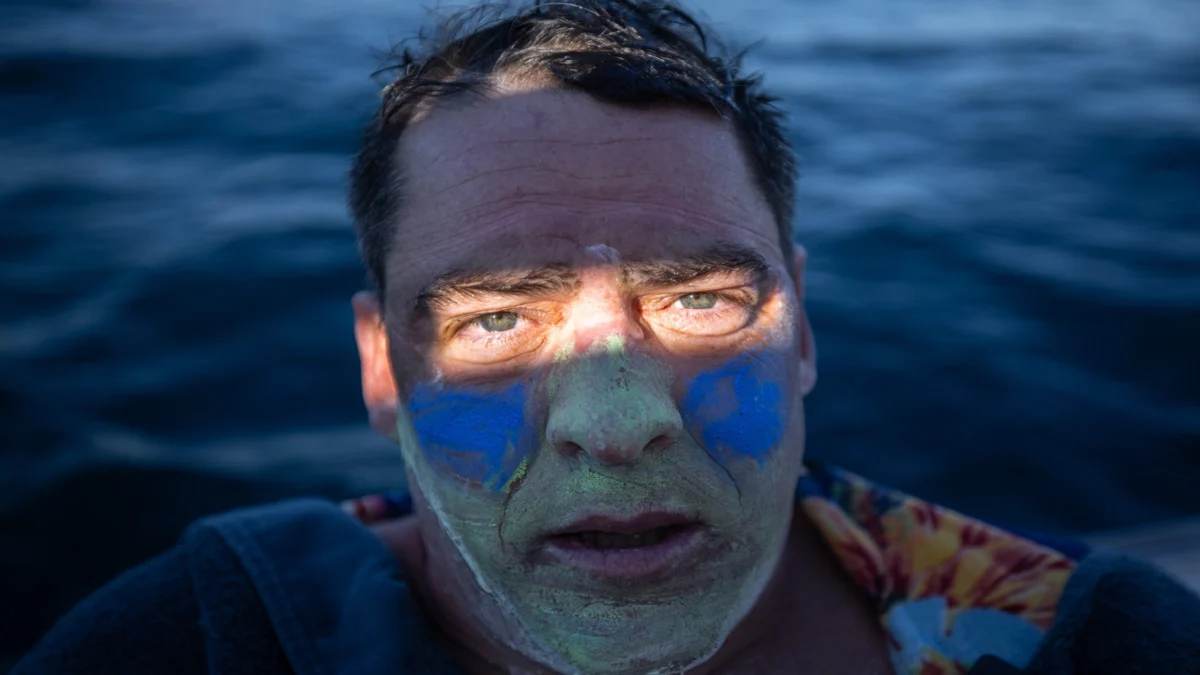
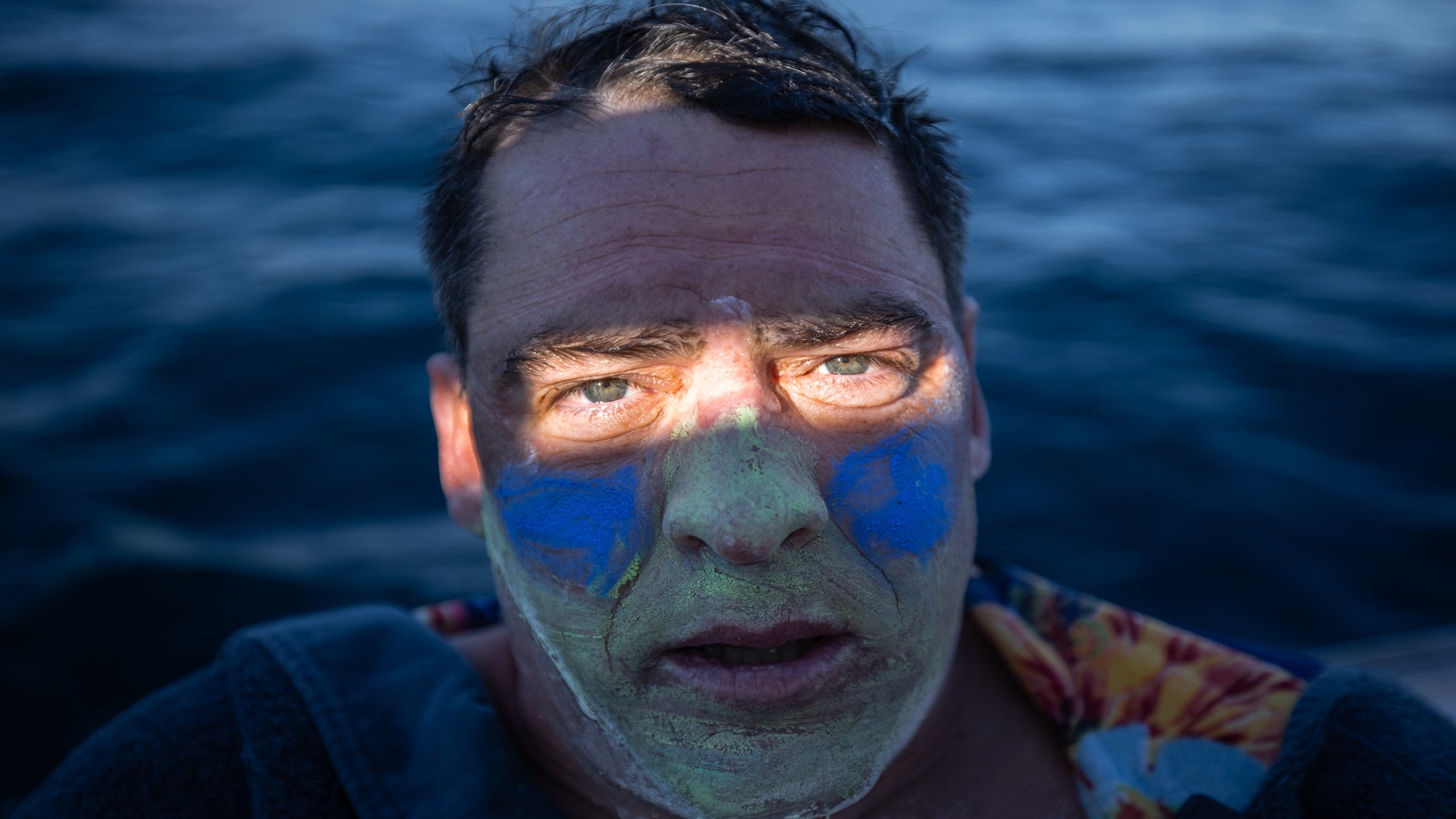
On the morning of June 30, 2026, Rob Lea crawled onto the rugged shoreline of Hokkaido, Japan’s northernmost island, marking the end of a physical and psychological journey that spanned nearly two decades. Salt-crusted, coated in thick green zinc paste, and visibly trembling from exhaustion, the 44-year-old endurance athlete from Park City, Utah, had just completed a 12-hour crossing of the Tsugaru Strait. This final swim secured his place in history as the first person believed to have completed the "Double Seven," an unprecedented feat of endurance that combines the Seven Summits—the highest peaks on each of the seven continents—with the Oceans Seven, a collection of the world’s most treacherous open-water channel crossings.
The completion of the Tsugaru Strait was more than a singular athletic achievement; it was the culmination of 17 years of calculated risk, physiological adaptation, and relentless training. While hundreds of climbers have successfully reached the peaks of the Seven Summits, and approximately 44 swimmers have completed the Oceans Seven, the intersection of these two disparate disciplines has remained an untouched frontier in professional endurance sports until now.
The Final Hurdle: Navigating the Tsugaru Strait
The Tsugaru Strait, which connects the Sea of Japan with the Pacific Ocean between the islands of Honshu and Hokkaido, is widely regarded as one of the most difficult legs of the Oceans Seven. Known for its unpredictable and powerful currents, the strait presents a formidable barrier even for elite swimmers. Lea’s successful crossing followed a failed attempt in 2023, during which regulatory authorities halted his progress after it became clear he would not meet the mandatory 14-hour daylight cutoff—a safety protocol designed to prevent the extreme dangers of night swimming in a high-traffic shipping lane.
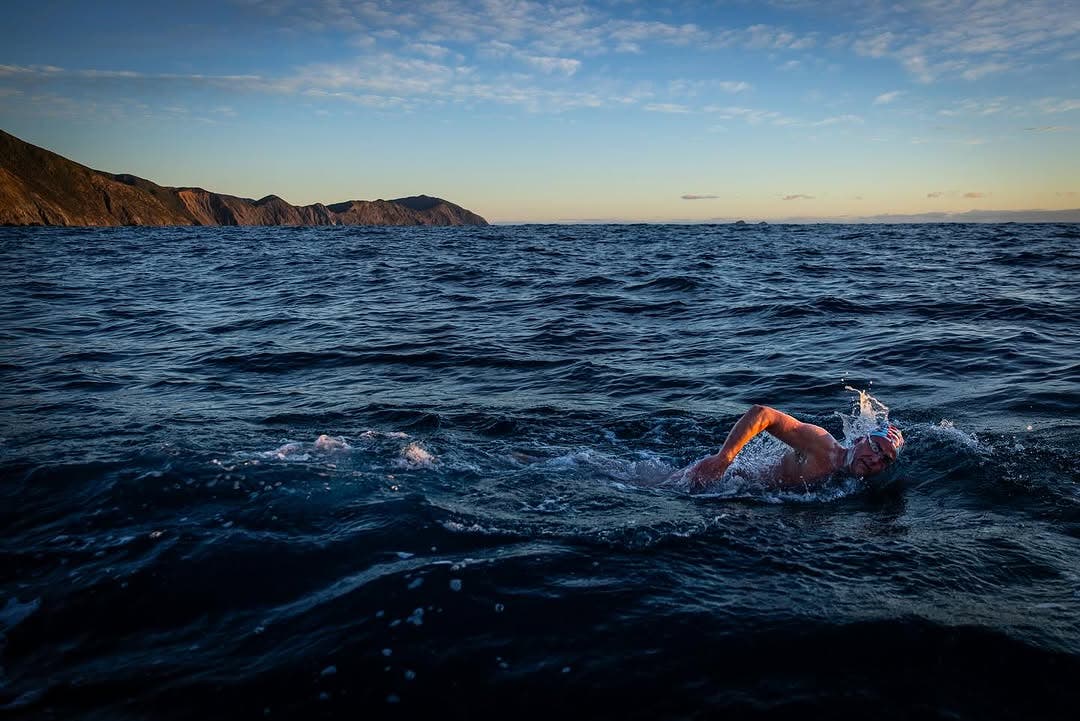
For his 2026 attempt, Lea entered the water at 4:09 A.M. to maximize his daylight window. The first five hours of the swim were deceptively calm, but as he reached the midpoint, the Kuroshio Current intensified. At its peak, the current reached 4.7 knots, threatening to sweep Lea parallel to the coast and away from his landing point. To combat the drift, Lea was forced to increase his stroke rate, effectively "punching through" the moving wall of water for hours. He finished the crossing in 11 hours and 44 minutes.
The physical toll of the 12-hour exposure to saltwater was immediate. Upon reaching the shore, Lea reported severe swelling of the tongue and throat—a common condition among long-distance swimmers known as "salt tongue"—along with extensive canker sores caused by the abrasive nature of the brine. His joints were inflamed, and his skin was raw from the constant friction of the water and his own movement.
Defining the Double Seven Challenge
The concept of the "Double Seven" represents a unique synthesis of mountaineering and marathon swimming. To complete the challenge, an athlete must conquer the highest point on every continent and swim across seven iconic maritime channels.
The Seven Summits
The Seven Summits include:
- Mount Everest (Asia) – 29,032 ft
- Aconcagua (South America) – 22,837 ft
- Denali (North America) – 20,310 ft
- Kilimanjaro (Africa) – 19,341 ft
- Mount Vinson (Antarctica) – 16,050 ft
- Mount Elbrus or Mont Blanc (Europe) – 18,510 ft / 15,774 ft
- Puncak Jaya or Mount Kosciuszko (Oceania) – 16,024 ft / 7,310 ft
Lea’s list included Mont Blanc for the European summit, citing the ongoing geopolitical instability in Russia as a primary reason for avoiding Mount Elbrus. This decision aligns with the "Messner list" or "Bass list" variations that athletes often navigate based on continental definitions.
The Oceans Seven
The Oceans Seven, established in 2008 as the swimming equivalent to the Seven Summits, includes:
- The English Channel (England to France)
- The North Channel (Ireland to Scotland)
- The Molokai (Ka’iwi) Channel (Hawaii)
- The Catalina Channel (California)
- The Tsugaru Strait (Japan)
- The Cook Strait (New Zealand)
- The Strait of Gibraltar (Spain to Morocco)
Each of these swims must be completed solo and unassisted, meaning the swimmer cannot touch a boat or wear a wetsuit, adhering to the strict "Channel Rules" that permit only a standard swimsuit, cap, and goggles.
A Chronology of Endurance: From 2009 to 2026
Lea’s journey began in 2009 when he summited Aconcagua in Argentina. At the time, he was a competitive triathlete and former Ironman 70.3 age-group world champion with no intentions of pursuing a global endurance record. However, a catastrophic ankle injury in 2017 led to a surgical intervention that ended his running career. Seeking a new outlet for his competitive drive that would accommodate his physical limitations, Lea turned his focus toward the water.
In 2019, Lea gained international attention for completing what he termed the "Ultimate World First," which involved climbing Mount Everest and swimming the English Channel in a single season. The logistics of this feat required a radical physiological transformation. To survive the thin air and extreme cold of Everest, Lea maintained a lean, high-altitude physique. However, to survive the 21-mile English Channel without a wetsuit, he had to gain 30 pounds in 46 days, consuming a high-calorie diet of pizza and heavy cream to create a layer of "bioprene"—body fat used for insulation against hypothermia.
The 2019 season served as the proof of concept for the Double Seven. Over the following years, Lea methodically checked off the remaining summits and channels, including a month-long expedition to the Vinson Massif in Antarctica and a perilous crossing of the Ka’iwi Channel in Hawaii.
The Perils of the Deep: Medical and Environmental Obstacles
The Double Seven is as much a medical challenge as it is an athletic one. During his crossing of the Ka’iwi Channel seven months prior to his Japan swim, Lea spent 14 hours in the water. To mitigate the risk of attacks from Cookiecutter sharks, which are known to inhabit the channel’s deeper waters and have bitten swimmers in the past, organizers required Lea to swim the deepest section during daylight hours. This forced him to contend with significantly higher winds and choppy sea states.
Six hours after completing the Hawaii swim, Lea was hospitalized with Swimming-Induced Pulmonary Edema (SIPE). SIPE is a life-threatening condition where fluid accumulates in the lungs due to the pressure of the water and the physiological stress of the swim. "I was in essence drowning in my own fluids," Lea recalled. The recovery process took three months, highlighting the razor-thin margin between success and medical catastrophe in these environments.
Furthermore, environmental hazards such as jellyfish presented constant obstacles. During his English Channel crossing, Lea was stung more than 100 times by compass jellyfish. He described the pain as a "necessary stimulus" that helped him stay awake and focused during the 12-hour ordeal.
The Support System: A "Rope Team" on the Water
While the swims and climbs are solo efforts, Lea’s success was heavily dependent on his support crew, led by his wife, Caroline Gleich. A professional ski mountaineer and environmental activist, Gleich climbed five of the Seven Summits alongside Lea and served as the primary crew member for his channel swims.
The logistics of crewing a channel swim are intricate. From a support boat, Gleich managed Lea’s "feeds"—liquid nutrition bottles attached to a retractable dog leash to ensure no physical contact was made, which would disqualify the swim. Her role also involved monitoring Lea for signs of hypothermia or cognitive decline. During the Tsugaru Strait crossing, Gleich noticed a change in Lea’s stroke mechanics and preemptively added crushed analgesics to his nutrition to manage his mounting shoulder pain.
Lea likened the relationship to a mountain climbing team: "The best way to think about a crew on a swim is being on a rope team with someone. If one person goes down, the whole team’s going down."
Implications and the Future of Multi-Sport Endurance
Rob Lea’s completion of the Double Seven marks a significant milestone in the evolution of endurance sports. It demonstrates that the human body can be trained to adapt to polar opposites of environmental stress: the hypoxic, high-altitude conditions of the world’s tallest peaks and the hypothermic, high-pressure environments of the world’s deepest channels.
Sports physiologists may look to Lea’s journey as a case study in "extreme multi-discipline" training. The ability to transition from a mountaineering physiology to a marathon swimming physiology within a single calendar year challenges previous assumptions about specialized athletic training.
As for Lea, the "Double Seven" was a pursuit of the full spectrum of human experience. "You go from the lowest low to the highest high," he stated shortly after his recovery in Japan. For the resident of Park City, the focus now shifts to recovery and reflection. While he has not yet announced a new project, his achievement has already set a new benchmark for what is possible when two of the most prestigious lists in the outdoor world are combined into a single, lifelong pursuit.
His wife, Caroline Gleich, hopes the feat serves as a broader inspiration. "We all have that dream that feels scary," she said. "I hope this inspires people to put that date on the calendar and turn their dreams into plans."



 Chandra Hamzah
 Tatiana Tantri Indah Sari
 Budi Mulyono
