
 Susilo Edi Turonggo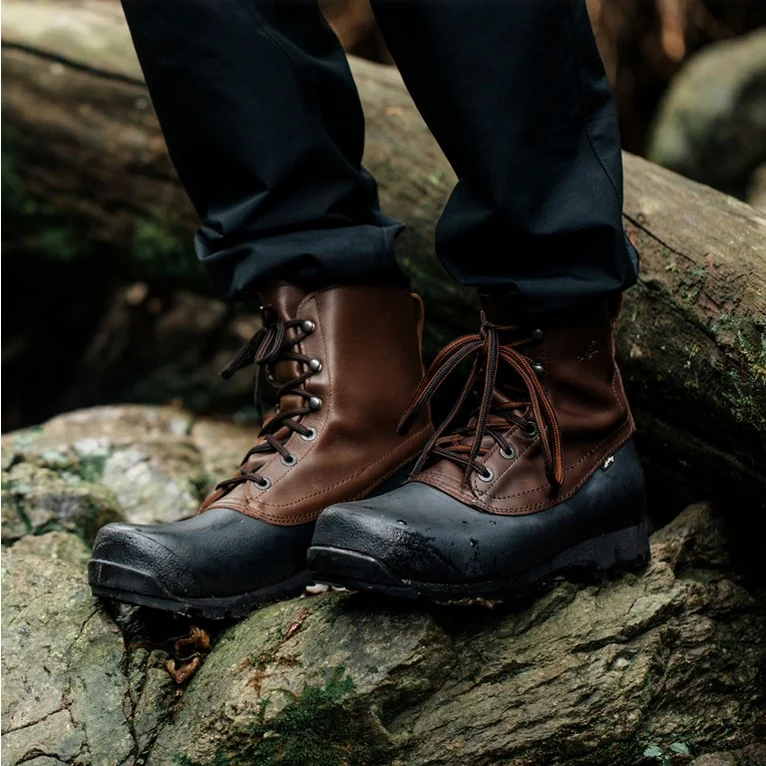
As winter approaches and the natural world dons its mantle of snow and ice, the necessity for reliable footwear becomes paramount. Yet, beyond mere warmth and traction, a critical concern has emerged within the apparel industry: the environmental and health implications of per- and polyfluoroalkyl substances (PFAS). These ubiquitous chemicals, often employed for their exceptional water and stain-repellent properties, represent a significant challenge for consumers seeking truly sustainable and safe winter boots. The modern consumer now demands products that not only withstand the elements but also uphold stringent environmental and ethical standards, free from the shadow of "forever chemicals."
The Pervasive Threat of "Forever Chemicals"
Per- and polyfluoroalkyl substances (PFAS) are a class of synthetic chemicals that have been widely used across numerous industries since the 1940s. From non-stick cookware to firefighting foams, and crucially, in outdoor apparel and footwear, PFAS compounds have been prized for their ability to create highly durable water-repellent (DWR) and stain-resistant finishes without compromising breathability. In the context of winter boots, these substances have historically been instrumental in ensuring snow-proof and slush-resistant performance, a critical feature for consumer safety and comfort in harsh conditions.
However, the scientific community and environmental advocates have increasingly raised alarms about the long-term consequences of PFAS. Often referred to as "forever chemicals," these compounds are characterized by exceptionally strong carbon-fluorine bonds, rendering them highly resistant to degradation in the environment. Once released, whether through manufacturing processes, product use, or disposal, PFAS can persist for hundreds, if not thousands, of years, contaminating soil, water sources, and air. The U.S. Environmental Protection Agency (EPA) has extensively documented the environmental risks, highlighting their widespread presence in drinking water across the United States and globally. A 2023 U.S. Geological Survey (USGS) study, for instance, detected PFAS in nearly half of the nation’s tap water samples, underscoring the scale of this pervasive contamination.
Beyond environmental persistence, exposure to PFAS has been linked to a range of adverse health effects in humans. The Centers for Disease Control and Prevention (CDC) and the Agency for Toxic Substances and Disease Registry (ATSDR) have compiled evidence associating PFAS exposure with increased cholesterol levels, liver damage, decreased immune response, thyroid disease, certain cancers (including kidney and testicular cancer), and reproductive and developmental issues. These health concerns have spurred a growing demand for transparency and the elimination of PFAS from consumer products, particularly those with direct and prolonged human contact, such as footwear.
A Shifting Paradigm: Industry Response and Regulatory Landscape
The escalating awareness of PFAS risks has prompted a significant shift in both consumer behavior and industry practices. Consumers, increasingly informed by environmental and health advocacy, are actively seeking alternatives, driving brands to innovate and reformulate their products. This shift is not merely a niche concern; the global market for sustainable footwear, valued at approximately $8.5 billion in 2022, is projected to grow significantly, with a compound annual growth rate (CAGR) indicating a strong preference for eco-friendly and non-toxic options.
Regulatory bodies worldwide have also begun to respond. The European Union has taken steps to restrict certain PFAS compounds, and the EPA in the United States has proposed national drinking water standards for several PFAS, alongside initiatives to designate them as hazardous substances under federal law. These regulatory pressures, combined with increasing public scrutiny, have compelled outdoor and fashion brands to re-evaluate their material choices and manufacturing processes. For many, the transition to PFAS-free waterproofing technologies has become a competitive differentiator and a moral imperative.
Identifying truly PFAS-free products requires vigilance from consumers. Unless a brand explicitly states that its waterproofing finish is PFAS-free, PFC-free, or free of fluorinated chemicals, it is generally prudent to assume the presence of these "forever chemicals." This transparency is a cornerstone of responsible manufacturing in the current climate.
Criteria for Sustainable and PFAS-Free Winter Boots
Beyond the critical elimination of PFAS, a truly sustainable winter boot encompasses a broader set of criteria, reflecting a holistic commitment to environmental stewardship and social responsibility. These criteria guide discerning consumers and define the benchmark for ethical brands in the footwear sector.
-
Safe & Sustainable Materials: The foundation of a sustainable boot lies in its constituent materials.
- PFAS-Free Waterproofing: This is the primary non-negotiable. Brands must explicitly certify their DWR treatments as free from perfluorinated chemicals.
- Responsibly Sourced Leather: For naturally water-resistant options, leather can be a durable choice, but its production often carries environmental burdens. Certifications from the Leather Working Group (LWG) are crucial. LWG audits tanneries for environmental performance, including water and energy usage, waste management, and chemical handling, ensuring a more sustainable tanning process.
- Certified Recycled Materials: Many brands are incorporating recycled content, such as polyester or rubber. To verify these claims, look for certifications like the Global Recycled Standard (GRS), which tracks and verifies the content of recycled materials in a final product and ensures responsible social, environmental, and chemical practices in production.
- Chemical Management: Beyond PFAS, brands should adhere to a Restricted Substances List (RSL) and ideally pursue certifications like bluesign®. bluesign® is a holistic system that traces the path of textiles and ensures that sustainable products are manufactured with a minimum impact on people and the environment, utilizing approved chemicals and processes.
-
Transparent Supply Chain: Ethical production extends beyond the finished product to every stage of its creation.
- Traceability: Brands should demonstrate a clear understanding of their supply chain, from raw material sourcing to final assembly. This includes knowing the locations and practices of their Tier 1 (final assembly), Tier 2 (components), and ideally Tier 3 (raw materials) suppliers.
- Ethical Labor Practices: Ensuring fair wages, safe working conditions, and respect for human rights is paramount. Partnerships with organizations like the Fair Wear Foundation or public disclosure of factory lists and robust codes of conduct are indicators of a brand’s commitment to social responsibility. Regular, independent audits of supplier facilities further reinforce these commitments.
-
After-Market Repair and Longevity: The most sustainable product is often the one that lasts the longest.
- Durability by Design: Brands committed to sustainability design products for resilience and reparability, using high-quality components and construction methods that withstand years of use.
- Repair Services & Parts: Offering replacement parts (e.g., laces, insoles, outsoles) or providing comprehensive repair services directly or through authorized partners significantly extends a product’s lifespan, reducing waste and promoting a circular economy. Information on self-repair or care guides also empowers consumers to maintain their gear.
Leading Brands in PFAS-Free Winter Footwear
The market is responding to the demand for sustainable and safe winter boots, with several brands leading the charge. These companies demonstrate a commitment to both performance and principles, offering stylish and durable options without compromising environmental or health standards.
-
Keen: A pioneer in the outdoor footwear sector, Keen distinguished itself by becoming the first outdoor brand to eliminate PFAS from its manufacturing processes. This commitment was not kept proprietary; Keen openly shared its transition process with the broader industry, encouraging and enabling other brands to follow suit. Keen’s winter boots feature a PFAS-free Durable Water Repellent (DWR) and are celebrated for their robust construction and comfort. The brand’s dedication extends to its material sourcing, working exclusively with Leather Working Group (LWG)-certified tanneries. Keen also maintains a rigorous Restricted Substances List (RSL) and ensures ethical production by manufacturing at least one in three pairs in its own factories, while consistently auditing its Tier 1 and Tier 2 suppliers against a strict code of conduct.
- Price Range: $115-$250
- Availability: Primarily U.S., with select products available via global dealers in China, Australia, and most European and Asian countries.
-
Jack Wolfskin: This German outdoor brand is a prominent advocate for PFAS-free gear, leveraging its proprietary Texapore technology for waterproof and windproof membranes across its extensive product line, including winter boots. Jack Wolfskin prides itself on an innovative approach to earth-conscious design that prioritizes longevity and performance. The brand demonstrates exceptional transparency, publicly listing all its supply chain partners. Crucially, all these partners are either bluesign-approved—signifying adherence to stringent chemical management and environmental standards—or demonstrably avoid hazardous substances. Jack Wolfskin also mandates regular independent inspections of its manufacturing facilities to ensure safe and fair working conditions.
- Price Range: $120-$230
- Availability: Predominantly in most European countries.
-
Lundhags: With a heritage dating back to 1932 in Sweden, Lundhags embodies Scandinavian outdoor craftsmanship. Specializing in durable leather boots, the brand maintains a short supply chain by manufacturing its products in Europe, sourcing materials from a German tannery. Lundhags offers a range of innovative shell, one-layer, and three-layer boots designed for extreme conditions. A cornerstone of their sustainability philosophy is their commitment to product longevity, exemplified by their in-house after-market repair shop, dedicated to extending the lifespan of their gear. Factory working conditions are regulated under the Brav code of conduct, ensuring ethical production standards.
- Price Range: $217-$597
- Availability: Most European countries.
-
Vaude: This German brand is a leader in sustainable outdoor equipment, with its winter boots featuring a high-performance, water and wind-proof PFAS-free membrane made from recycled polyester. Vaude’s commitment to local sourcing is evident in its use of leather uppers from a local tannery in Germany. The brand offers exceptional transparency, allowing consumers to trace the manufacturing origin of each boot directly on the product page. Vaude actively promotes a circular economy through its comprehensive repair program, offering both affordable replacement parts and full-service repairs, ensuring that its products remain in use for as long as possible.
- Price Range: $200-$263
- Availability: Canada and most European countries (not available in the U.S.).
-
Forsake: Forsake offers a diverse range of waterproof boots, from sneaker-boots to heeled hiking styles, all crafted with LWG-certified leather. The brand operates under a parent group that enforces a robust code of conduct for all its suppliers and conducts regular audits to ensure compliance with ethical and environmental standards. While Forsake demonstrates strong commitments in its primary materials and supply chain oversight, consumers should be mindful of the sourcing of specific components like memory foam insoles, as the lack of clarity here might indicate potential gaps in chemical management or material origin transparency.
- Price Range: $145-$160
- Availability: The U.S.
-
EcoAlf: A certified B-Corp, EcoAlf stands out for its innovative use of recycled materials and its "Because there is no Planet B" ethos. Their vegan, PFAS-free boots are constructed with GRS-certified recycled polyester and a combination of new and recycled rubber. EcoAlf is committed to supply chain transparency, tracking its production down to Tier 3 suppliers, providing a comprehensive overview of its manufacturing process. However, for complete transparency, further disclosure regarding the raw material origins for all components would enhance consumer confidence.
- Price Range: $145-$299
- Availability: U.S., most South American countries, most European countries, and most Asian countries.
-
Will’s Vegan Store: This brand specializes in vegan footwear, with many of its waterproof boots being made in Italy and Portugal. They utilize bio-based leathers (reducing reliance on petroleum-based synthetics) and recycled polyester insulation. Will’s Vegan Store champions ethical practices by meticulously tracing every step of its production process to ensure sustainable and fair labor conditions. It is important for consumers to verify that specific waterproof models are explicitly PFAS-free, as not all "vegan leather" products inherently exclude these chemicals, and the term "unspecified vegan leather" can sometimes refer to conventional plastics.
- Price Range: $134-$190
- Availability: All countries.
-
Poppy Barley: Poppy Barley offers stylish, water-resistant ankle and calf-length boots, emphasizing quality and ethical production. Their footwear utilizes LWG-certified leather, ensuring responsible tanning practices. The brand collaborates with audited factories located in Europe and Mexico, reflecting a commitment to ethical manufacturing close to key markets. Consumers are advised to check individual product pages for LWG certification, as not all boots may carry this specific label, ensuring that their chosen pair meets the highest sustainable sourcing standards.
- Price Range: $293-$480
- Availability: Continental U.S., Mexico, Canada, and Australia.
-
REI Used Gear: As a crucial component of the circular economy, REI Used Gear provides a platform for buying, selling, and trading pre-owned outdoor equipment, including winter boots. This initiative offers a sustainable alternative by extending the lifecycle of existing products and making high-quality gear more accessible at discounted prices. While REI as a company is actively working to eliminate PFAS from its proprietary products, consumers purchasing through the Used Gear platform should diligently check product details, as the inventory comprises various brands and models, some of which may predate the widespread industry shift to PFAS-free materials. This platform champions affordability and waste reduction, reinforcing the principle that the most sustainable product is often one that already exists.
- Price Range: $22-$149.50
- Availability: The U.S.
The Future of Sustainable Winter Footwear
The journey towards entirely sustainable and PFAS-free winter footwear is an ongoing evolution, driven by scientific discovery, regulatory pressures, and increasing consumer demand. The brands highlighted here represent the forefront of this movement, demonstrating that high-performance, weather-resistant boots can be produced without compromising planetary health or human well-being. As research into non-toxic alternatives continues and supply chain transparency becomes the norm, consumers can look forward to an even broader selection of winter boots that truly align with the principles of environmental responsibility and ethical manufacturing. The choices made today by both brands and consumers will shape a future where warmth, protection, and sustainability walk hand in hand through every winter landscape.



 Budi Mulyono
 Anjar Salim
 Chandra Hamzah
 Tatiana Tantri Indah Sari

 Lukman Taruna Persada Ramadan