
 Susilo Edi Turonggo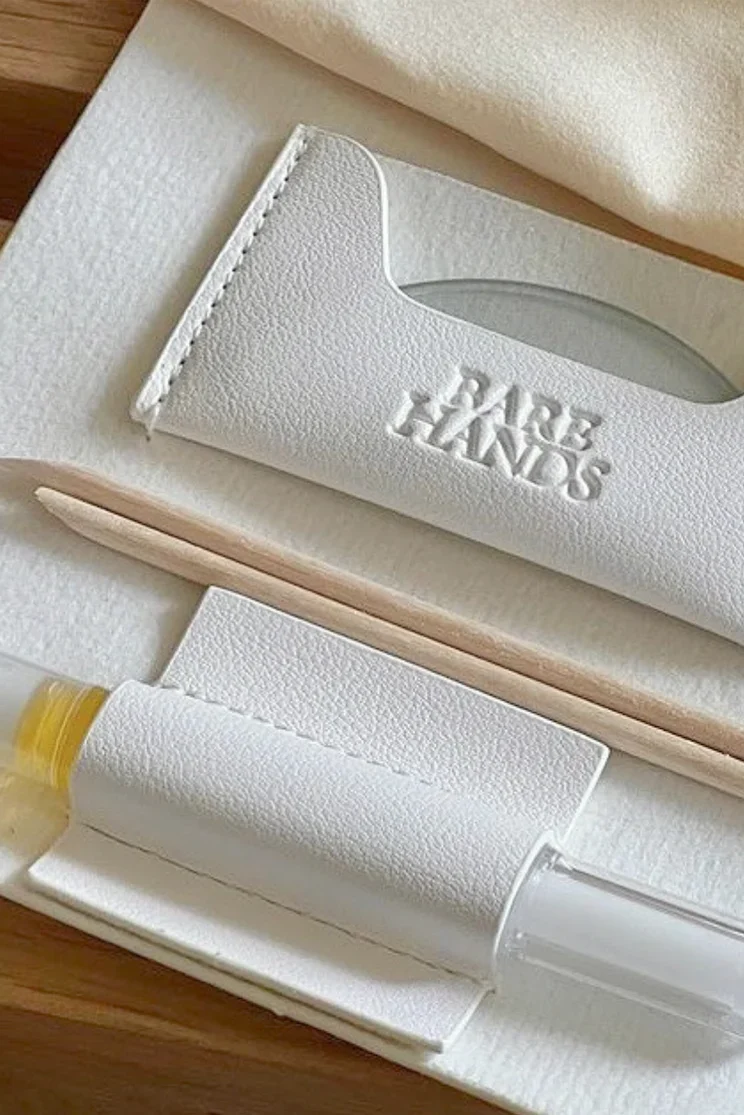
As colder weather prompts increased demand for skin hydration and inflationary pressures strain household budgets, the concept of an at-home spa day has transitioned from a luxury to a practical, mindful approach to personal well-being. This shift underscores a broader trend towards accessible self-care, emphasizing non-toxic formulations and sustainable practices across skincare, haircare, nail care, and holistic relaxation products. The contemporary consumer is increasingly seeking efficacious yet environmentally conscious options that offer both personal pampering and peace of mind without the significant financial outlay of professional spa services.
The Evolving Landscape of Self-Care and Wellness
The wellness industry has experienced a transformative period, particularly in the wake of global events that have re-prioritized personal health and mental well-being. Historically, self-care was often viewed as an indulgence, primarily accessible through high-end spas and specialized clinics. However, economic fluctuations and a heightened awareness of environmental and health impacts have democratized this sector, fostering innovation in at-home solutions. The current economic climate, characterized by rising costs across various sectors, has further amplified the appeal of DIY wellness. Consumers are increasingly discerning, seeking value not just in price, but also in the quality of ingredients, ethical sourcing, and overall brand integrity. This confluence of factors has positioned at-home spa experiences as a strategic and sustainable alternative to external services, offering respite and rejuvenation within the comfort of one’s personal space.
The Ascendancy of Clean Beauty and Sustainable Practices
A pivotal driver in the at-home wellness movement is the burgeoning demand for "clean beauty" products. This category, broadly defined by formulations free from parabens, sulfates, phthalates, artificial fragrances, and other potentially harmful chemicals, has moved from a niche market to a mainstream expectation. Consumers are more educated about ingredient lists and the long-term effects of chemicals on their bodies and the environment. This awareness has spurred a significant shift in manufacturing practices, with many brands now prioritizing transparency, ethically sourced ingredients, and sustainable packaging solutions. The "clean" label extends beyond mere ingredient exclusion; it encompasses a holistic approach to environmental stewardship, fair labor practices, and cruelty-free testing.
The trajectory of the clean beauty market demonstrates this growth. According to reports by Grand View Research, the global clean beauty market size was valued at USD 7.22 billion in 2022 and is projected to grow at a compound annual growth rate (CAGR) of 13.5% from 2023 to 2030. This robust expansion is a testament to sustained consumer interest in products that align with their values for health and environmental responsibility. Brands that lead in this space often implement comprehensive sustainability programs, from sourcing raw materials to end-of-life product cycles. For instance, companies like Grown Alchemist meticulously vet supply chain partners for sustainability and utilize majority recycled and refillable packaging, setting a benchmark for responsible production. Similarly, OSEA Malibu highlights its use of sustainably-harvested seaweed and maintains a stringent "no-list" of harmful ingredients, reinforcing consumer trust through transparent practices.
The Economic Imperative: Value and Accessibility
Beyond ethical considerations, economic factors play a substantial role in the pivot towards at-home self-care. With inflation impacting discretionary spending, luxurious spa treatments often become a lower priority. At-home alternatives offer a cost-effective way to maintain personal grooming and well-being routines. Basic yet effective ingredients like Epsom salts, bentonite clay, and coconut oil provide affordable foundations for DIY treatments, demonstrating that effective self-care does not necessitate exorbitant spending. The ability to create a personalized spa experience with readily available, budget-friendly items underscores the accessibility aspect of this trend. Furthermore, the longevity and multi-purpose nature of many non-toxic products often represent a better long-term investment compared to single-use or conventional alternatives, further appealing to budget-conscious consumers.
Enhancing the At-Home Experience: Product Categories and Innovations
The market has responded with a diverse array of products designed to replicate professional spa treatments at home, all while adhering to non-toxic and sustainable principles. These offerings span various categories, each contributing to a comprehensive wellness regimen.
Facial and Body Care: Nurturing the Skin
For facial and body care, the emphasis is on rejuvenation, detoxification, and hydration, particularly crucial during colder months. Brands like Grown Alchemist offer extensive ranges of skincare, hand care, and body care kits, formulated with carefully sourced ingredients and packaged sustainably. OSEA Malibu’s At-Home Spa Set, featuring its signature sustainably-harvested seaweed, exemplifies a luxurious yet non-toxic approach to skin pampering. The brand’s commitment to a vegan and cruelty-free ethos resonates deeply with the conscious consumer base.

More accessible options, such as MyChelle’s exfoliators and masks, demonstrate that clean beauty can also be affordable. These products are vegetarian, cruelty-free, and free from common irritants like phthalates, parabens, and artificial fragrances. For those exploring ancient wellness rituals, the Wildling Gua Sha Empress Collection offers a non-invasive method for lymphatic drainage, wrinkle prevention, and skin brightening. The brand’s dedication to sourcing wild-foraged plants and supporting fair-trade communities highlights a profound connection to nature and traditional wisdom. Similarly, Tata Harper Skincare provides an array of in-home spa tools and facial kits, sourcing over 300 high-quality ingredients globally, all free from GMOs and synthetic chemicals. Surreal Skincare, a trans-owned business, leverages natural tree resin extracts in its "Advanced Guide to Cheating Death" bundle, offering potent healing compounds for skin resurfacing, catering to those seeking more intensive treatments.
Hair Care: Restoring Vitality and Color
Hair health is another critical component of the at-home spa experience. The demand for non-toxic hair solutions extends to coloring, driven by concerns over harsh chemicals found in conventional dyes. Innovations in this sector focus on restoring natural hair health and pigment. Hairprint Color Restorer, for instance, is not a dye but a product designed to replenish the natural pigment in graying brown and black hair, simultaneously acting as a protein treatment to enhance body, strength, and sheen. This represents a significant departure from traditional hair coloring methods, offering a restorative rather than merely cosmetic solution.
For those seeking to change their hair color with minimal chemical exposure, brands like Desert Shadow offer certified organic, vegan, and palm oil-free at-home hair dye kits in a spectrum of natural shades. Surya Brasil provides henna-based hair color creams, which offer a safer, natural alternative for covering grays or altering hair color while protecting the scalp. These options underscore the market’s response to consumer apprehension regarding synthetic ingredients in hair care, providing viable and ethically sound alternatives.
Nail Care: Strengthening and Beautifying Naturally
The nail care segment has also seen a robust shift towards non-toxic solutions, moving away from harsh chemicals often found in polishes and treatments that can damage nails over time. The Bare Hands Dry Gloss Manicure Kit exemplifies this trend, enabling users to achieve glossy, healthy natural nails without chemicals or chipping. This innovation caters to individuals seeking sustainable beauty practices that promote long-term nail health. Lauren B. Beauty offers specialized products like Nail Growth Serum and Cuticle Oil, formulated with simple, non-toxic ingredients such as amino acids, antioxidants, and vitamins, specifically targeting brittle or slow-growing nails. The emphasis here is on nurturing and strengthening the natural nail, rather than masking imperfections with synthetic coatings. This aligns with the broader clean beauty philosophy of enhancing innate health rather than relying on artificial fixes.
Holistic Wellness: Cultivating Inner Peace
Beyond topical treatments, the at-home spa experience increasingly integrates elements for mental and emotional well-being. This holistic approach recognizes that true pampering extends to fostering inner peace and reducing stress. Products designed for relaxation and aromatherapy play a crucial role in creating a tranquil environment. The Total Tranquility Set from BLK + GRN, a black-owned business championing non-toxic products, includes items like a chakra soy candle, white sage smudge stick, herbal tea, and essential oils, all curated to ease anxiety and promote a calming atmosphere.
The burgeoning interest in CBD products also reflects this focus on stress reduction. Prima’s organic CBD supplements, derived from organically grown hemp extract and optimized for absorption with natural oils, offer a natural avenue for managing stress and improving focus or winding down. Brands like Herbivore Botanicals and 100% Pure provide therapeutic bath salts and soaks, leveraging high-quality, food-grade botanicals, vitamins, and minerals to soothe the body and mind through aromatherapy. Unplugged Essentials takes this further with hemp-infused soaks, inspired by flotation therapy, combining Epsom salt, hemp, charcoal, and essential oils for detoxification and nourishment. These offerings collectively highlight the expanded definition of self-care, encompassing mental and emotional restoration alongside physical rejuvenation.
Broader Implications and Future Outlook
The enduring popularity of at-home spa days and non-toxic beauty products signals a fundamental shift in consumer behavior and industry priorities. This movement is not merely a fleeting trend but a reflection of deeper societal values concerning health, sustainability, and mindful consumption. The implications are far-reaching:
- Democratization of Wellness: By providing accessible and affordable alternatives, the at-home wellness trend makes self-care attainable for a broader demographic, fostering a more inclusive approach to well-being.
- Industry Transformation: Mainstream beauty and wellness companies are compelled to adapt by incorporating clean ingredients, sustainable packaging, and ethical sourcing into their core strategies. This pushes the entire industry towards higher standards of corporate social responsibility.
- Consumer Empowerment: Individuals are becoming more informed and proactive in managing their health and beauty routines. This increased awareness drives demand for transparency and accountability from brands, fostering a more collaborative relationship between consumers and producers.
- Environmental Stewardship: The emphasis on sustainable practices within the clean beauty sector contributes to reducing the environmental footprint of the cosmetics industry, from minimizing waste to promoting biodiversity through responsible sourcing.
In conclusion, the modern at-home spa day transcends simple indulgence; it embodies a conscious choice towards holistic well-being, economic prudence, and environmental responsibility. As consumers continue to navigate complex economic and environmental landscapes, the demand for non-toxic, sustainable, and effective self-care solutions is poised to grow, shaping the future of the beauty and wellness industries towards a more mindful and ethical paradigm.




 Anjar Salim
 Chandra Hamzah
 Tatiana Tantri Indah Sari
 Budi Mulyono
 Lukman Taruna Persada Ramadan
