
 Tatiana Tantri Indah Sari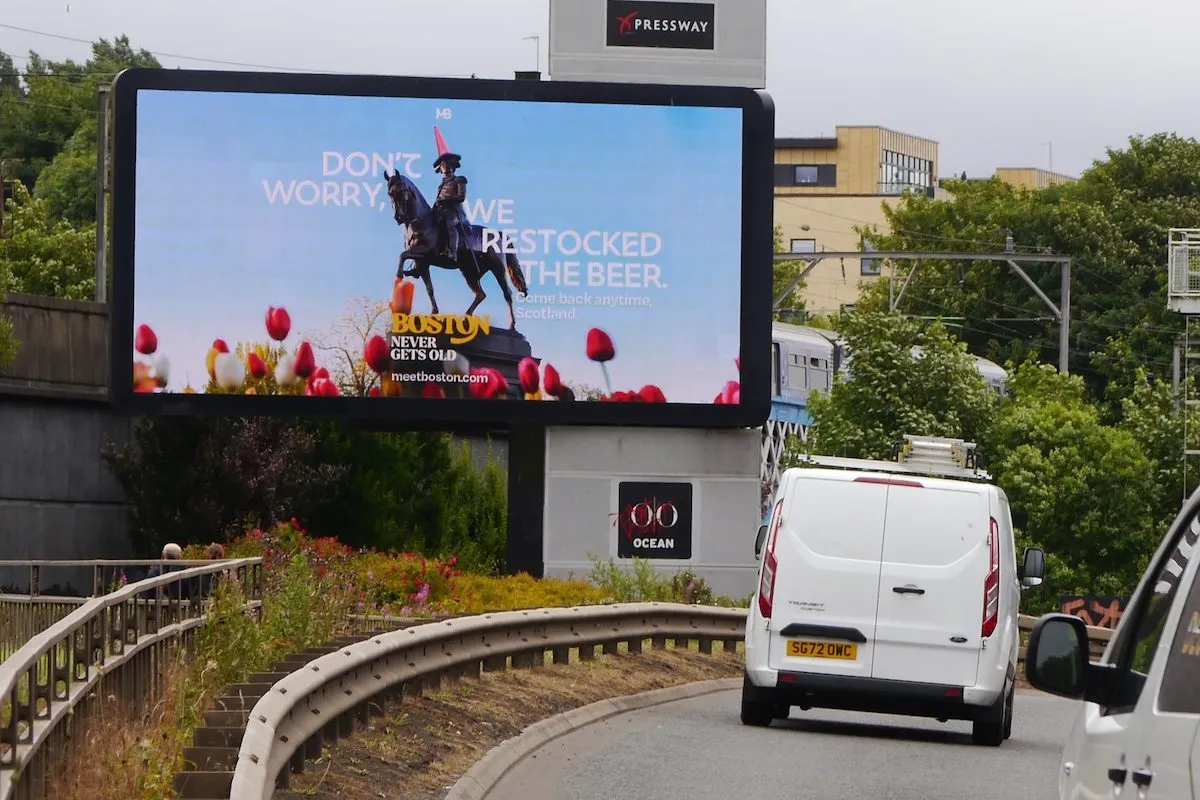
Four weeks into the monumental 2026 FIFA World Cup, a new paradigm in sports marketing has emerged, characterized by the swift and strategic capitalization on organic, fan-driven viral moments by non-sponsoring brands. These agile campaigns, often executed for a fraction of the cost associated with official FIFA partnerships, have generated significant buzz and demonstrated the power of real-time engagement in a global spectacle. From the legendary Scottish "Tartan Army" emptying Boston’s beer taps to Norwegian fans’ captivating "Viking Row" chant and even the quirky detail of FIFA-mandated tape covering press box condiments, these unscripted occurrences have become prime fodder for creative marketing initiatives.
The 2026 FIFA World Cup, spanning 16 cities across the United States, Canada, and Mexico, is unprecedented in its scale, featuring 48 teams for the first time. This expanded format not only promises more matches and greater geographic reach but also amplifies the potential for diverse cultural interactions and spontaneous viral phenomena. For host cities and ancillary businesses, the tournament represents an unparalleled economic opportunity, with projections estimating billions of dollars in economic activity and tourism revenue. In this high-stakes environment, the ability of brands, particularly destination marketing organizations (DMOs), to react instantaneously to unfolding events has proven to be a potent tool for cutting through the noise.
The Genesis of Viral Gold: Unscripted Moments Take Center Stage
The tournament’s early weeks provided a rich tapestry of memorable incidents that quickly transcended traditional sports reporting to become global talking points. These moments, born from authentic fan passion and unexpected circumstances, offered a fertile ground for brands seeking to connect with audiences in a genuine, non-commercialized manner.
One of the earliest and most impactful instances involved the fervent Scottish national team supporters, affectionately known as the "Tartan Army." Their arrival in Boston, one of the U.S. host cities, was marked by an exuberant pre-tournament celebration that reportedly saw local establishments struggling to keep up with demand for beverages. News reports and social media posts detailing Boston bars "running dry" due to the Scots’ enthusiastic patronage spread like wildfire. This narrative, steeped in good-natured revelry and the unique camaraderie of football fans, quickly became a symbol of the World Cup’s inclusive and festive spirit.
Concurrently, another cultural phenomenon captivated audiences: the "Viking Row" chant initiated by Norwegian fans. While Norway’s national team was not participating in the tournament, their supporters, known for their passionate following of the sport, attended matches featuring other Nordic nations or simply absorbed the atmosphere in host cities. The "Viking Row," characterized by a rhythmic clap and chant, gained traction across social media platforms like TikTok and X (formerly Twitter), showcasing a powerful display of collective energy and national pride, irrespective of on-field performance. Its origins are often attributed to Icelandic football fans, popularized during Euro 2016, and subsequently adopted by various Nordic supporter groups, demonstrating the cross-cultural pollination within football fandom.
A more peculiar, yet equally viral, moment emerged from the media centers: photographs of press box condiments—ketchup, mustard, and other sauces—with their brand labels meticulously covered in plain tape. This seemingly trivial detail quickly became a visual metaphor for FIFA’s stringent brand protection policies. FIFA, a global commercial juggernaut, meticulously guards its official sponsor relationships, which constitute a significant portion of its revenue. These policies extend to preventing any unauthorized brand exposure within official tournament venues, even down to the smallest details like condiment bottles. While a necessary measure for FIFA to uphold its multi-billion-dollar sponsorship agreements, the visual of taped-over brands ironically generated an unprecedented level of discussion and awareness around these very restrictions, highlighting the fine line between brand protection and public perception.
Meet Boston’s Rapid Response: A Masterclass in Destination Marketing
Among the first to strategically leverage these viral moments was Meet Boston, the city’s official destination marketing organization. Recognizing the immense, unsolicited positive publicity generated by the "Tartan Army" narrative, Meet Boston swiftly launched a series of advertisements that transformed a perceived logistical challenge into a charming invitation.
Within hours of the "bars running dry" stories breaking, Meet Boston’s creative team mobilized. Their campaign featured taglines such as "Don’t worry, we restocked the beer," often accompanied by imagery that subtly referenced the Scottish presence. One particularly effective visual depicted a statue of a historical figure, perhaps a local Boston icon, playfully crowned with a traffic cone – a humorous nod to a long-standing Scottish tradition of placing cones on statues as a form of irreverent public art. This creative choice demonstrated a deep understanding of the cultural context and an ability to speak directly to the humor and spirit of the Scottish fans, and by extension, a global football audience.
A representative from Meet Boston, speaking anonymously due to the rapid-response nature of the campaign, reportedly stated, "Our goal was to embrace the narrative, not counter it. The Tartan Army’s energy was infectious, and it presented an authentic, relatable story about Boston’s hospitality. We wanted to reinforce that welcoming spirit and ensure that positive impression lingered, not just for Scottish fans, but for all future visitors."
The impact of Meet Boston’s agile campaign was immediate and substantial. Social media metrics indicated a significant spike in engagement, with their posts garnering millions of impressions across platforms like X, Instagram, and Facebook. Industry analysts estimated that the organic reach and earned media generated by this campaign far exceeded what a traditional, pre-planned advertising spend of several hundred thousand dollars might achieve. This demonstrated the immense return on investment (ROI) possible through timely, culturally resonant real-time marketing, particularly when compared to the hundreds of millions paid by official FIFA sponsors for their global exclusivity. The campaign not only celebrated the Scottish fans but also subtly positioned Boston as a vibrant, welcoming city, capable of handling large-scale events and diverse international visitors.
The Broader Implications for Real-Time Marketing and Brand Agility
The success of Meet Boston and the general buzz around these viral moments underscore a significant shift in the landscape of global event marketing. Brands are increasingly recognizing that while official sponsorships offer unparalleled visibility and exclusivity, they are often prohibitively expensive for many entities. Real-time marketing, or "moment marketing," provides an alternative pathway to relevance and audience engagement.
This approach demands exceptional agility, a deep understanding of current events, and a quick-thinking creative team. Brands that excel in real-time marketing are those with streamlined approval processes, access to relevant data analytics for trend spotting, and the courage to take calculated risks. The benefits extend beyond cost savings; campaigns born from genuine, organic moments often resonate more deeply with audiences, fostering a sense of authenticity and relatability that can be challenging to achieve through traditional advertising.
However, navigating this space requires careful consideration. Brands must avoid direct infringement on trademarks or intellectual property, particularly those heavily protected by organizations like FIFA. The line between clever real-time engagement and "ambush marketing"—the practice of associating a brand with an event without paying sponsorship fees—is often blurry. FIFA’s strict brand guidelines exist precisely to protect its official partners, whose investments fund much of the tournament’s operations. Therefore, successful real-time campaigns tend to focus on cultural aspects, fan experiences, or general themes associated with the event, rather than using official logos, names, or imagery that could constitute infringement. The "taped condiments" incident, while viral, serves as a stark reminder of FIFA’s vigilance in this domain.
The Economic and Cultural Ripple Effect
Beyond immediate marketing wins, these viral moments and the responsive campaigns built around them contribute to the broader economic and cultural impact of the World Cup. For host cities like Boston, the positive narratives reinforce their image as desirable tourist destinations, potentially leading to increased visitor numbers long after the final whistle. The sheer volume of international visitors for the 2026 World Cup—projected to be in the millions—represents an enormous economic injection, from hospitality and retail to transportation and local attractions. The positive buzz generated by the "Tartan Army" is not just about beer sales during the tournament; it’s about building a reputation for hospitality that attracts future conventions, events, and leisure travel.
Moreover, these moments enrich the fan experience, creating lasting memories that become part of the World Cup’s folklore. The shared experience of the "Viking Row" or the collective chuckle over taped condiments fosters a sense of global community and camaraderie that transcends national boundaries and sporting rivalries. Social media platforms, acting as amplifiers, play a crucial role in disseminating these moments globally within seconds, turning local incidents into worldwide phenomena.
The Future of Event Marketing: Agility as the New Currency
As major global events like the FIFA World Cup continue to grow in scale and digital interconnectedness, the role of real-time marketing is poised to expand further. Brands that cultivate an agile, responsive marketing infrastructure will be best positioned to capitalize on the unpredictable yet powerful currents of public sentiment and viral content. This requires not only creative talent but also a robust understanding of legal boundaries, cultural nuances, and the rapid pace of digital communication.
The 2026 FIFA World Cup is proving to be a watershed moment, not just for football, but for the evolution of brand engagement in a hyper-connected world. It demonstrates that while billion-dollar sponsorships secure prime real estate, authentic connection and cultural relevance, often sparked by the most unexpected moments, can yield equally invaluable returns for brands astute enough to seize them before the moment passes. The legacy of this World Cup may well include not just memorable matches, but a new blueprint for how brands can thrive by embracing the unpredictable magic of global fandom.



 Budi Mulyono
 Anjar Salim
 Chandra Hamzah

 Lukman Taruna Persada Ramadan