
 Gabriela Annisa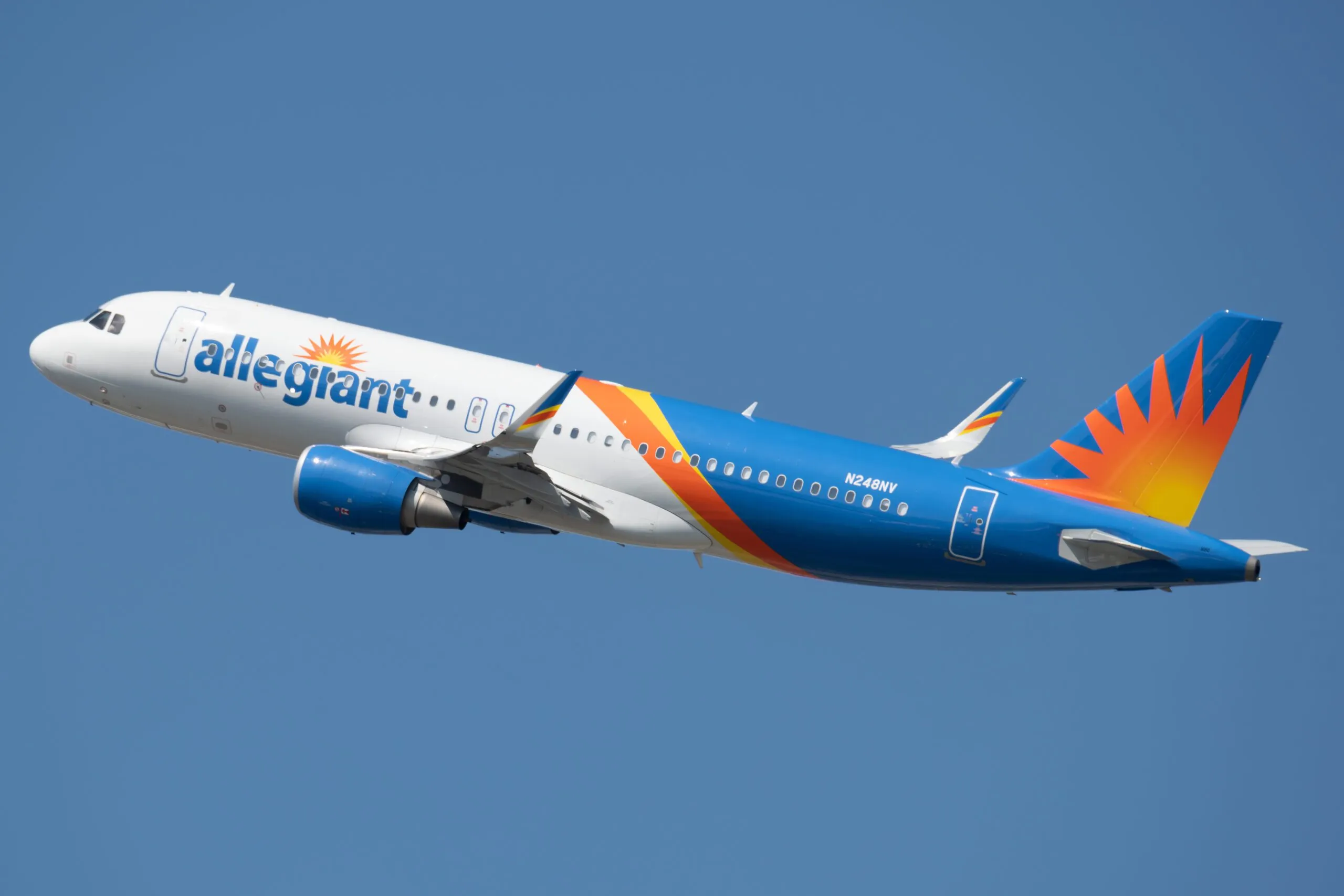
Las Vegas, long celebrated as an aviation "rock star" market, is currently grappling with a notable downturn in air traffic, while San Diego, its Southern California counterpart, is experiencing a significant surge in airline capacity and passenger volumes. This stark contrast highlights evolving dynamics within the U.S. domestic travel landscape, influenced by shifts in consumer behavior, strategic airline decisions, and broader economic factors. Recent data reveals that passenger volumes at Harry Reid International Airport (LAS) in Las Vegas were down 6% last year and continued this trend through April of the current year. This decline marks a significant departure from its historical performance and its immediate post-pandemic recovery.
The Fading Luster of Las Vegas: A Market in Flux
For decades, Las Vegas held an almost mythical status in the airline industry. Allegiant Air, headquartered in the city, famously referred to it as an "all-star" market, a testament to its consistent ability to draw massive inbound tourism. The city’s unique blend of entertainment, gambling, and conventions created a perpetual demand for air service, making it a critical hub in the networks of numerous carriers. However, recent trends suggest that this vigor, much like Elvis in his later years, has waned.
One of the most immediate and impactful factors contributing to Las Vegas’s current struggles is the substantial reduction in service from Spirit Airlines. As recently as last summer, Spirit was the second busiest airline at LAS, a major provider of air service for a city whose economy is overwhelmingly dominated by tourism. Spirit’s effective exit from a significant portion of the market has left a substantial void, with analysts attributing a considerable portion of the 6% traffic decline directly to this capacity withdrawal. This situation underscores the vulnerability of markets heavily reliant on ultra-low-cost carriers (ULCCs) for volume.
Beyond the Spirit Airlines departure, Las Vegas has also witnessed a significant decrease in international visitors. The most pronounced example is the reduced flow of Canadian tourists, a historically crucial demographic for the city. Economic factors, including exchange rate fluctuations that have impacted the Canadian dollar’s value against the U.S. dollar, alongside evolving travel preferences, have contributed to this decline. Similar trends are observed with fewer European and Asian visitors. While Las Vegas isn’t a primary direct international gateway with a multitude of foreign airlines, a substantial portion of its international traffic arrived via connecting flights on U.S. carriers through major hubs like Atlanta, Chicago, or Dallas. The dwindling numbers from abroad represent a substantial loss to the city’s tourism sector.
The largest airline in Las Vegas, Southwest Airlines, had expanded its presence significantly in the immediate post-pandemic period, growing substantially larger in LAS compared to its 2019 footprint. However, over the past couple of years, this growth has tapered off. Southwest, like other major carriers, has strategically shifted its focus to other markets deemed more promising or requiring defensive capacity deployment.
Shifting Consumer Preferences and Market Repositioning
A deeper, more structural reason behind Las Vegas’s current predicament lies in a broader shift in American travel preferences and the city’s own repositioning. Immediately following the pandemic, in early 2022, Las Vegas, alongside other domestic leisure hotspots like Florida, experienced a rapid rebound, quickly surpassing 2019 passenger numbers. This indicated a strong pent-up demand for accessible, familiar leisure destinations.
However, as 2023 and 2024 unfolded, a new trend emerged: Americans developed a stronger affinity for international travel and premium domestic experiences. Major U.S. carriers like United, American, and Delta are now increasingly focusing their resources on lucrative long-haul international routes to destinations such as Paris, London, and Tokyo, where premium cabins yield significantly higher revenues. This strategic pivot means less attention and fewer resources are being directed towards traditional domestic leisure markets like Las Vegas, which, from an airline perspective, are less about premium yield and more about volume.
Compounding this is Las Vegas’s own deliberate move upmarket. The city has actively sought to transform its image from a "dirt cheap" destination of subsidized hotel rooms and buffets to a premium experience centered around high-profile events, luxury amenities, and top-tier entertainment. A recent Wall Street Journal article highlighted this transformation, noting that hotel rates in Vegas have risen faster than in any other major U.S. market. While this strategy aims to attract higher-spending visitors, it inadvertently alienates the middle-class segment that historically underpinned its mass appeal. The consequence is a "lumpier" demand profile, with traffic concentrating around major events like Formula One races, the Super Bowl, the Consumer Electronics Show (CES), or specific concerts at venues like the Sphere, rather than a steady year-round stream of spontaneous leisure travelers.
This shift impacts low-cost carriers particularly hard. If Las Vegas is no longer an affordable, last-minute getaway for the everyday American, the core market for ULCCs diminishes. The question arises whether Spirit Airlines, for example, could have sustained its significant presence if Vegas had remained an "affordable vacation for everyday Americans." The city’s increased cost of living and tourism, ironically, might be contributing to its air traffic woes by making it less accessible to the very demographic that fueled its growth for decades.
Furthermore, the proliferation of online sports gambling apps and the expansion of regional casinos across the U.S. present significant competition to Las Vegas’s traditional gambling revenue model. Historically, gambling revenue subsidized many of the city’s low-cost attractions. With increased accessibility to betting from home or at local casinos in states like Indiana, the unique allure of traveling to Vegas solely for gambling has diminished for a segment of the population.
San Diego’s Ascendance: A Strategic Battleground
In stark contrast to Las Vegas, San Diego has emerged as a booming market for airline capacity, ranking as the number one U.S. airport and third globally in terms of growth for total seats in the upcoming third quarter, according to Cirium Diio data. Its capacity is projected to increase by a remarkable 15%. This growth is largely fueled by an intense competitive battle between two major carriers: Alaska Airlines and Southwest Airlines.
Alaska Airlines is set to increase its seat counts in San Diego by an impressive 35% (including Hawaii routes). This aggressive expansion is a strategic move for Alaska, which faces growth limitations at its primary hub in Seattle due to airport capacity constraints. While its past attempts to expand significantly in Los Angeles and San Francisco after acquiring Virgin America did not fully materialize, San Diego has presented a viable and attractive alternative for growth. For Alaska, San Diego is its fourth most important market, highlighting its strategic significance.
Southwest Airlines, the long-standing market leader in San Diego and its 12th largest market overall, is fiercely defending its territory. It is growing its seat capacity by 28%, unwilling to cede ground to Alaska. This "little war," as some characterize it, is a boon for consumers, potentially leading to more competitive fares and increased flight options.
San Diego’s inherent market attractiveness underpins this fierce competition. Despite being the 18th most populous metro area in the U.S. and experiencing limited recent population growth, it boasts an extraordinarily wealthy economy. The city benefits from significant inbound tourism, a strong business sector, and a high concentration of affluent residents. This profile makes it an excellent market for carriers targeting premium leisure and business travelers.
Alaska Airlines believes it holds an advantage in catering to the premium segment, a growing demographic in the U.S. aviation market. While Southwest is gradually introducing premium-like features such as extra legroom seats and considering lounges, Alaska’s established first-class offering and loyalty program appeal strongly to this higher-yield customer base. San Diego fits the mold of other "not quite hub" but economically robust markets like Nashville, Austin, and Raleigh-Durham, which offer strong economies and a substantial base of high-value travelers.
Airport Constraints and California’s Development Ethos
The intense competition in San Diego occurs within unique infrastructural constraints. San Diego International Airport (SAN) holds the distinction of being the busiest single-runway airport in the U.S. This physical limitation means that while airlines can increase frequencies and capacity in the short term, long-term expansion faces significant hurdles. Building additional runways in California, often characterized by a "wealth preservation" ethos, is an arduous and protracted process, if not outright impossible, due to stringent environmental regulations and local opposition.
This "wealth preservation" mindset, prevalent in much of California, prioritizes maintaining the existing quality of life and property values over rapid development or expansion. This contrasts sharply with "wealth creation" regions, particularly in the Sunbelt states like Texas, where new infrastructure, housing, and business development are more readily embraced to attract growth. While San Diego did recently see a new terminal development, the core airport capacity remains constrained, a challenge that airport authorities must navigate as airline interest intensifies.
The broader California market dynamics also play a role. Los Angeles, for instance, has seen a significant decrease in airline capacity over the years, with carriers like Southwest and American de-prioritizing it. This is partly due to population decline in Los Angeles, as residents seek more affordable living in places like Las Vegas, driven by California’s high cost of living and housing. This migration, however, hasn’t translated into sustained air traffic growth for Vegas, while San Diego, despite its own high costs, maintains its appeal due to its distinct economic and demographic profile.
Looking Ahead: A Divergent Path
The divergent trajectories of Las Vegas and San Diego offer a fascinating case study in the evolving U.S. airline market. Las Vegas faces the complex challenge of balancing its new premium aspirations with the need to maintain accessible tourism, potentially requiring a re-evaluation of its market strategy by both the city and its airline partners. While carriers like Frontier Airlines and Breeze Airways are stepping in to fill some of the capacity gaps left by Spirit and Allegiant’s reduced interest, the "Big Three" legacy carriers remain focused elsewhere. The question of whether Las Vegas’s current dip is a temporary setback or a structural realignment remains open, but the impact of rising costs and shifting consumer habits is undeniable.
San Diego, on the other hand, is currently enjoying the benefits of intense airline competition, which could lead to enhanced connectivity and consumer choices. However, the sustainability of such aggressive growth, particularly given the airport’s single-runway constraint, will be a key factor to watch. Airport officials, while welcoming the increased activity, must strategically plan for future infrastructure needs while navigating the unique development challenges of the California context. The ongoing battle between Alaska and Southwest in San Diego underscores the strategic value of resilient, affluent markets in a competitive and evolving aviation landscape. The coming months will provide further insights into how these two distinct U.S. markets adapt to their respective challenges and opportunities.




 Anjar Salim
 Chandra Hamzah
 Tatiana Tantri Indah Sari
 Budi Mulyono
 Lukman Taruna Persada Ramadan
