
 Budi Mulyono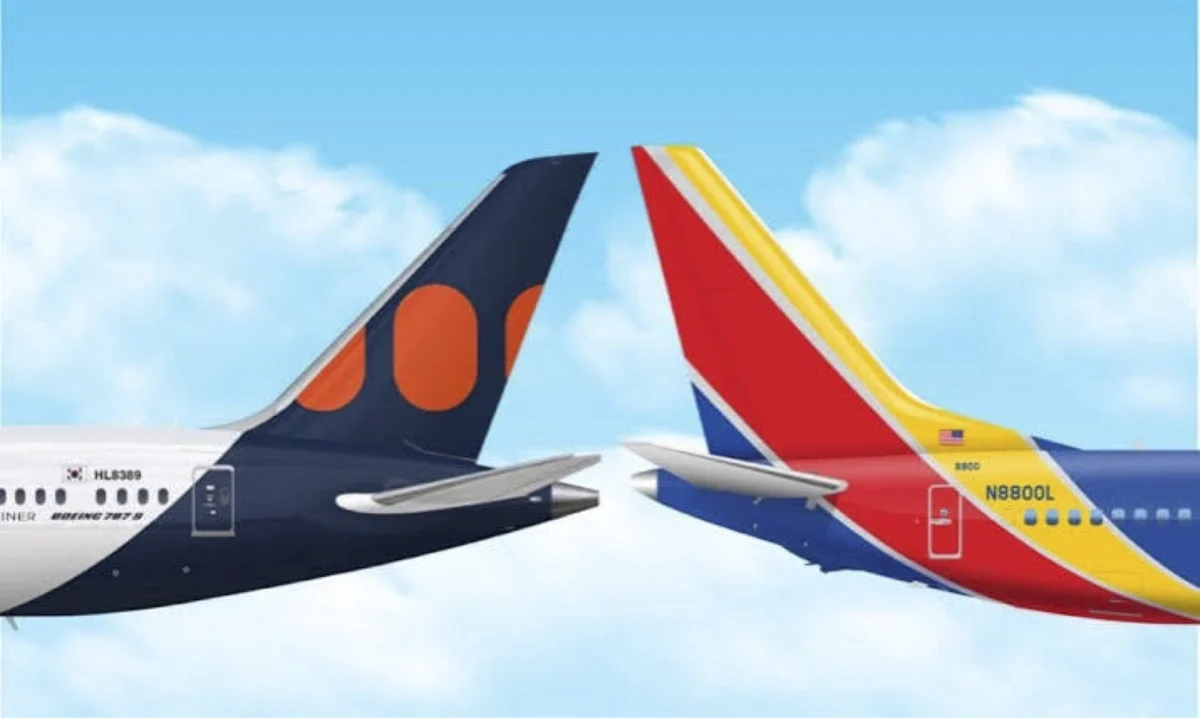
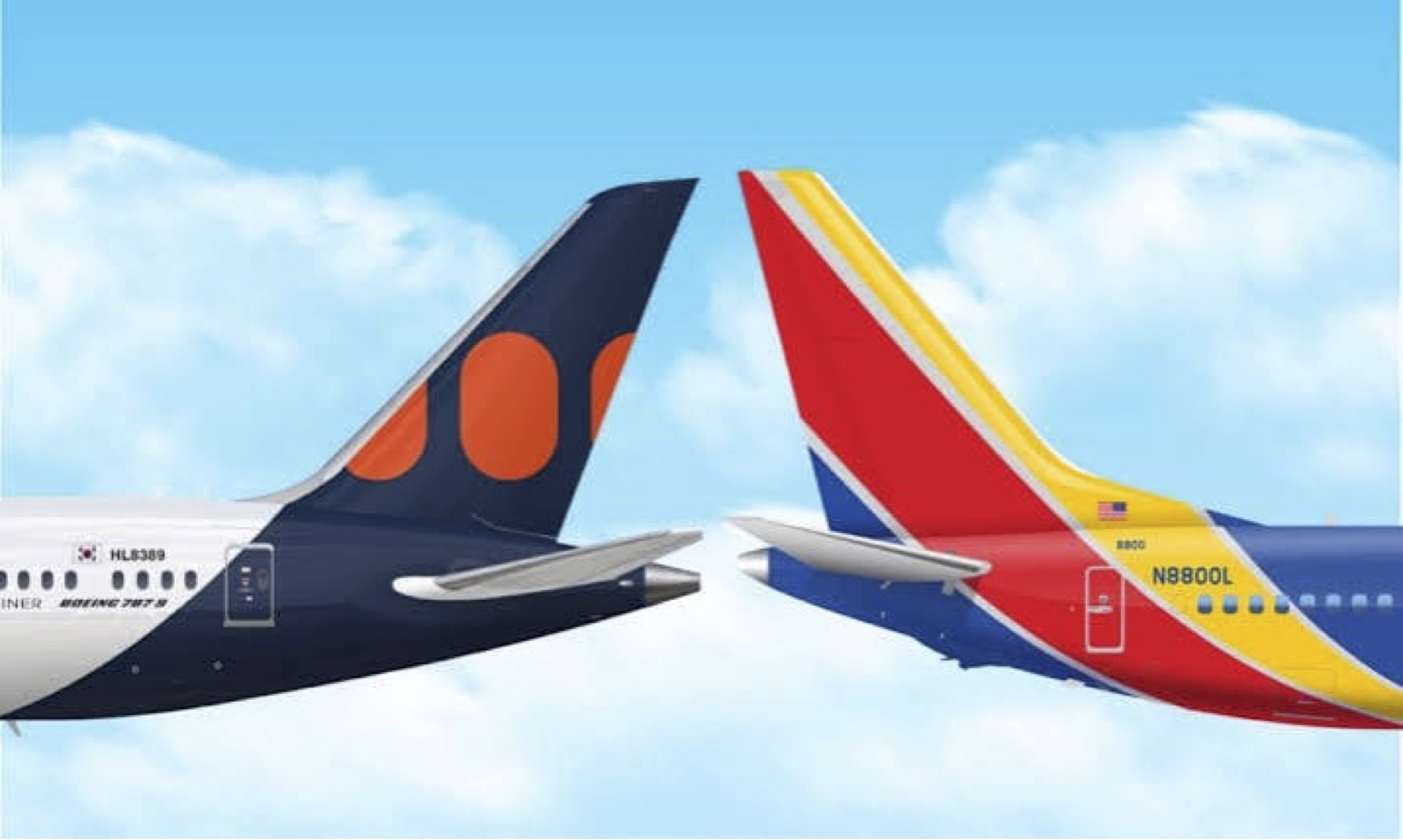
Southwest Airlines has officially entered into a strategic interline agreement with South Korean carrier Air Premia, marking a significant milestone in the Dallas-based airline’s ongoing efforts to broaden its international reach. This collaboration represents the ninth international partnership Southwest has secured in recent years, signaling a fundamental shift in the carrier’s traditional business model. By integrating Air Premia’s transpacific service with its own extensive domestic network, Southwest aims to offer passengers seamless travel options between the United States and various destinations across Asia.
The agreement allows travelers to book comprehensive itineraries that combine Southwest’s domestic flights with Air Premia’s long-haul services through three primary gateway airports: Honolulu’s Daniel K. Inouye International Airport (HNL), Los Angeles International Airport (LAX), and San Francisco International Airport (SFO). Tickets for these combined routes are currently available for purchase through Air Premia’s booking channels, authorized travel agents, and various online travel platforms. This move is designed to simplify the logistics of international travel, providing a single-ticket solution for passengers originating in smaller U.S. markets who wish to travel to the Asia-Pacific region.
The Strategic Importance of the Air Premia Partnership
Air Premia, a South Korean carrier that describes itself as a "hybrid" airline, operates a fleet of state-of-the-art Boeing 787-9 Dreamliner aircraft. From its primary hub at Seoul Incheon International Airport (ICN), the airline serves a growing list of high-demand destinations, including Hong Kong, Japan, Thailand, and Vietnam. The partnership with Southwest provides Air Premia with a vital "last-mile" connection in the United States, allowing its passengers to access hundreds of domestic destinations that Air Premia does not serve directly.
For Southwest, the partnership offers a way to compete for international traffic without the immense capital expenditure required to operate wide-body aircraft or manage the regulatory complexities of long-haul transoceanic routes. Southwest’s fleet consists entirely of Boeing 737 variants, which are optimized for short-to-medium-haul domestic and "near-international" flights to the Caribbean, Mexico, and Central America. By partnering with carriers like Air Premia, Southwest can effectively market itself as a global player while maintaining its operational focus on the narrow-body domestic market.
A Chronology of Southwest’s Global Expansion
The partnership with Air Premia is the latest step in a multi-year strategy to enhance Southwest’s global connectivity. For decades, Southwest Airlines focused almost exclusively on the U.S. domestic market, priding itself on a point-to-point system that eschewed the traditional hub-and-spoke models of legacy carriers. However, as the domestic market reached saturation and investor pressure increased, the airline began looking beyond U.S. borders.
- Initial International Foray (2014): Southwest launched its first international flights following the acquisition of AirTran Airways, serving destinations in Mexico and the Caribbean.
- The Launch of Strategic Partnerships (Early 2020s): Recognizing the limitations of its 737 fleet, Southwest began seeking interline agreements. Icelandair was among the first major partners, opening up European connections via Reykjavik.
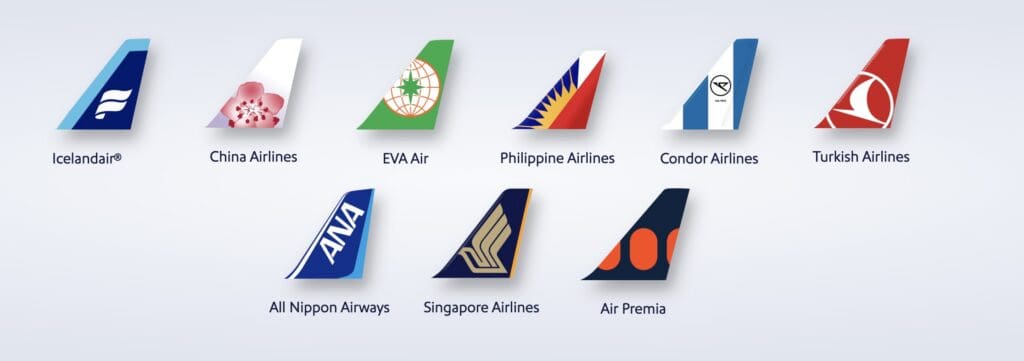
- Rapid Partnership Growth (2023–2024): In a span of less than 24 months, Southwest accelerated its partnership program. Before the Air Premia announcement, the airline had already established agreements with All Nippon Airways (ANA), China Airlines, Condor, EVA Air, Icelandair, Philippine Airlines, Singapore Airlines, and Turkish Airlines.
- The Air Premia Agreement (Late 2024): This ninth partnership solidifies Southwest’s presence in the South Korean market, a critical hub for both business and leisure travel in Northeast Asia.
Operational Synergies and Gateway Logistics
The selection of Honolulu, Los Angeles, and San Francisco as the primary connection points is a calculated move. These three airports serve as the primary gateways for transpacific travel.
- Los Angeles (LAX): As one of Southwest’s largest operation bases, LAX provides hundreds of daily flights to cities across the continental United States. The ability to transfer passengers from Air Premia’s Seoul flight onto Southwest’s domestic network at LAX creates a powerful transit hub.
- San Francisco (SFO): This gateway serves the tech-heavy corridor between Silicon Valley and Asian markets, making it a high-value connection point for business travelers.
- Honolulu (HNL): Hawaii is a premier destination for South Korean tourists. By interlining at HNL, Air Premia can funnel passengers into Southwest’s robust inter-island network as well as its flights to the U.S. mainland.
The interline agreement differs from a full codeshare in that it primarily focuses on the technical ability to sell tickets across both airlines and the coordination of baggage handling. While passengers may not receive full frequent flyer reciprocity or elite status benefits across both carriers initially, the convenience of a single check-in process and protected connections is a significant draw for the value-conscious traveler.
Evolving the Southwest Customer Experience
The timing of this partnership coincides with a broader transformation of the Southwest Airlines brand. To better align with the expectations of international travelers and those connecting from long-haul premium cabins, Southwest has recently announced several major changes to its service model.
Historically known for its "open seating" policy and single-class cabin, Southwest is transitioning to assigned seating. Furthermore, the airline is introducing "Extra Legroom" sections to cater to passengers willing to pay a premium for comfort—a feature common among the international partners Southwest is now courting. These enhancements, along with updated boarding procedures and improved Wi-Fi and in-seat power, are intended to make the transition from a long-haul Air Premia Dreamliner to a Southwest 737 feel more seamless for the passenger.
Market Analysis: The U.S.-South Korea Corridor
The aviation market between the United States and South Korea is one of the most resilient and high-volume corridors in the world. According to data from the U.S. Department of Commerce and the Korea Tourism Organization, travel between the two nations has seen a steady recovery following the pandemic, driven by the global popularity of Korean culture (the "Hallyu" wave) and strong bilateral trade.
By partnering with Air Premia, Southwest is positioning itself to capture a portion of the "VFR" (Visiting Friends and Relatives) market, as well as budget-conscious leisure travelers. Air Premia’s model, which offers a premium economy product ("Premia 42") and a standard economy product ("Economy 35"), fits well with Southwest’s brand identity of providing high value and "transfarency."
Industry analysts suggest that this partnership is also a defensive move. With the pending merger between Korean Air and Asiana Airlines, the competitive landscape in Seoul is shifting. Smaller players like Air Premia are seeking strong American allies to maintain their market share, while Southwest is seeking to ensure its customers have options that bypass the traditional dominance of the "Big Three" U.S. legacy carriers (Delta, United, and American) and their respective alliances.
Broader Implications for the Airline Industry
The expansion of Southwest’s interline network signifies a maturing of the low-cost carrier (LCC) model. Traditionally, LCCs avoided the complexity of interlining to keep costs low. However, the "Southwest Effect"—the phenomenon where the airline’s entry into a market lowers fares—is now being applied to international connectivity.
This strategy allows Southwest to:
- Increase Load Factors: By filling seats with international connecting passengers, Southwest can improve the profitability of its domestic routes.
- Enhance Brand Loyalty: Rapidly expanding the list of reachable destinations makes the Rapid Rewards loyalty program more attractive to travelers who want to use their domestic points for global adventures.
- Mitigate Fleet Constraints: Until the Boeing 737 MAX 7 is certified and delivered in significant numbers, Southwest’s growth is somewhat constrained. Partnerships provide a "virtual expansion" of the network without requiring additional aircraft.
Official Responses and Future Outlook
While official statements from Southwest leadership emphasize "signature hospitality" and "enhanced choice," the underlying message is one of modernization. The airline is clearly signaling that it is no longer just a domestic short-haul specialist but a critical component of the global aviation infrastructure.
Air Premia representatives have expressed optimism that the partnership will bolster their load factors on the competitive LAX and SFO routes. For Air Premia, the ability to sell a ticket to a passenger in Nashville, Phoenix, or Baltimore—with a seamless connection in California—is a significant competitive advantage.
As the partnership matures, travelers can expect further integration. While the current agreement is a foundational interline arrangement, the history of airline partnerships suggests that successful collaborations often evolve into deeper codeshare agreements or even loyalty program integrations. For now, the addition of Air Premia as the ninth partner marks a definitive era of global "connectivity" for Southwest Airlines, ensuring that the "Bulkhead Seat" is now a gateway not just to the next state, but to the next continent.




 Anjar Salim
 Chandra Hamzah
 Tatiana Tantri Indah Sari
 Lukman Taruna Persada Ramadan
