
 Diana Nuri Rohmawati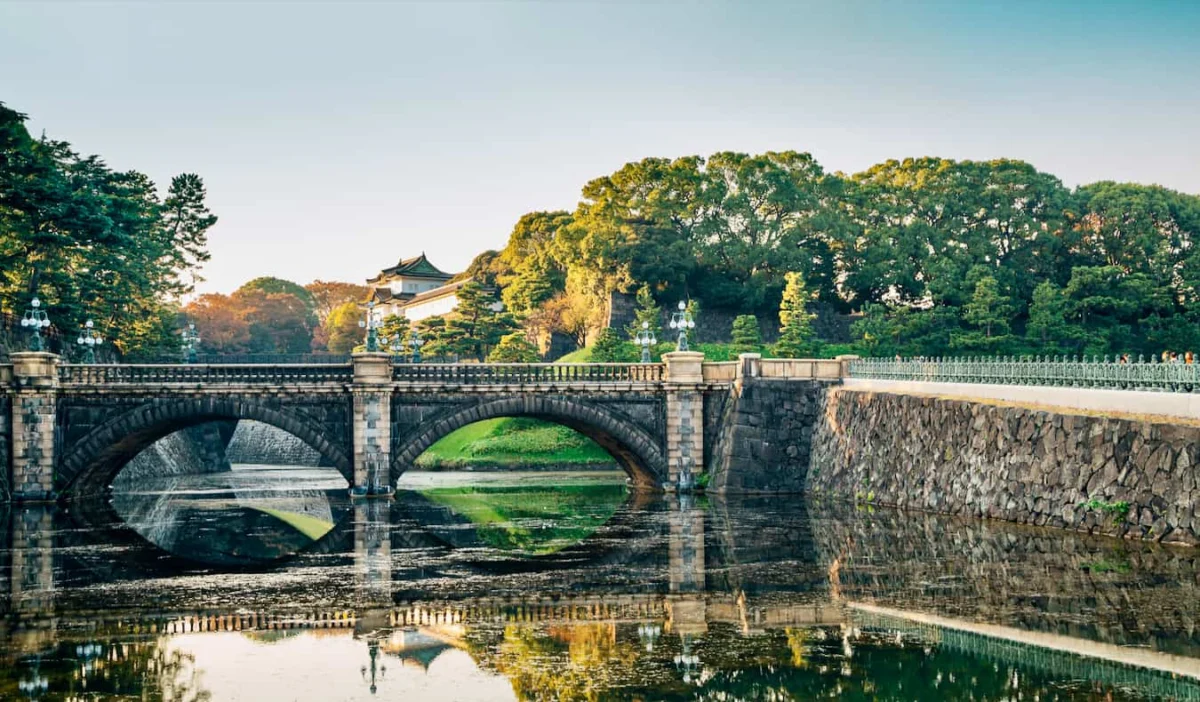
The landscape of international tourism in Tokyo has undergone a fundamental shift, moving away from high-volume, landmark-centric sightseeing toward highly specialized, local-led "experiences" that emphasize cultural immersion and niche expertise. As Japan’s capital continues to break records for inbound tourism—following the full lifting of border restrictions in late 2022—the demand for authentic interactions has catalyzed a surge in platform-based tourism, most notably through the Airbnb Experiences model. This evolution reflects a broader global trend where travelers prioritize "human-centric" storytelling over traditional, "cookie-cutter" bus tours, effectively decentralizing the tourism economy and providing a direct financial pipeline to local artisans, historians, and hospitality professionals.
The Post-Pandemic Resurgence of Tokyo Tourism
The current state of Tokyo’s tourism industry is characterized by an unprecedented volume of visitors. According to data from the Japan National Tourism Organization (JNTO), the number of foreign visitors to Japan exceeded 3 million for several consecutive months in early 2024, surpassing 2019 levels. However, the nature of these visits has changed. While the Imperial Palace, Shibuya Crossing, and the Shinjuku Gyoen National Garden remain staples, there is a measurable pivot toward the "Experience Economy."
Industry analysts suggest that the three-year hiatus caused by the global pandemic fostered a desire for deeper connection among travelers. Consequently, Tokyo has seen the proliferation of micro-tours that focus on specific culinary techniques, historical neighborhoods often overlooked by mainstream guides, and the city’s evolving subcultures. This shift has forced traditional tour operators to adapt, while simultaneously allowing independent residents to enter the market as specialized guides.
The Culinary Sector: From Consumption to Education
A primary driver of Tokyo’s experiential growth is its culinary heritage. While Tokyo remains the city with the highest number of Michelin-starred restaurants in the world, the modern traveler is increasingly seeking to understand the "why" behind the food. Sushi-making, once a spectacle observed from a distance, has transitioned into a pedagogical exercise.
Current trends show a preference for classes held within authentic omakase environments rather than industrial kitchens. These sessions, often led by trained sushi masters or their apprentices, focus on the technicalities of shari (vinegar-seasoned rice) and the precision of neta (fish toppings). The educational focus has shifted toward the science of seasonality and the regional variations of seafood, reflecting a more sophisticated consumer base that views Japanese cuisine as a craft rather than a mere commodity.
Similarly, the "Ramen Tour" has evolved into a study of regional sociology. Beyond simply eating, participants now investigate the three-hour preparation of broths—ranging from tonkotsu (pork bone) to shoyu (soy sauce)—and the alkaline chemistry of noodle production. By visiting multiple shops in a single session, tourists are able to contrast the traditional "salaryman" shops of the Showa era with modern "fusion" experiments, providing a chronological map of Japan’s most famous comfort food.
The Nightlife Economy and the Izakaya Culture
The decentralization of Tokyo’s nightlife tourism has been particularly impactful in districts like Shibuya and Shinjuku. Historically, these areas were difficult for non-Japanese speakers to navigate due to the "members-only" feel of many izakayas (Japanese pubs) hidden in narrow alleyways or upper-floor tenements.
The rise of local-led nightlife tours has bridged this gap. Guides now act as cultural intermediaries, explaining the social etiquette of the nomikai (drinking party) and the "unwritten rules" of ordering in small-scale establishments. In Shibuya, tours led by local residents focus on "un-touristy" spots that rely on regular neighborhood clientele. These experiences often include unlimited beverage packages and communal dining, which serve to demystify the izakaya for the international traveler.
In Shinjuku, the focus often leans toward the expertise of sake sommeliers. These tours provide a historical context for sake production, moving beyond basic tasting to discuss the grading of rice polishing and the impact of regional water sources. By integrating education with social interaction, these tours have helped sustain small, family-run businesses that might otherwise be overlooked by the mass tourism market.
Historical Preservation and the "Old Tokyo" Narrative
As Tokyo modernizes at a rapid pace, there is a growing movement to preserve and showcase the "Shitamachi" (Low City) atmosphere. This is most evident in neighborhoods like Yanaka and Nezu, which were largely spared from the destruction of World War II.
Educational walking tours led by historians and lecturers have become a vital part of the city’s cultural preservation. These tours offer a 2.5-hour deep dive into the Edo period and the Meiji Restoration, using landmarks like the Nezu Shrine and its iconic torii gates as visual aids. Unlike traditional tours that focus on dates and names, these local-led walks analyze the changing role of the samurai and the impact of Westernization on Japanese architecture. This intellectual approach to tourism caters to a demographic that seeks to understand the socio-political foundations of the modern metropolis.
Niche Subcultures: Coffee, Street Art, and Tea
The diversification of Tokyo’s tourism portfolio is further evidenced by the rise of niche interest tours. Two burgeoning sectors include the specialty coffee scene and the underground street art movement.
- The Coffee Culture: Tokyo’s "third-wave" coffee movement has found a home in under-visited neighborhoods like Jimbocho and Kanda. Tours in these areas contrast the traditional kissaten (old-school coffee shops) with modern, meticulous brewing labs. This sector highlights Japan’s cultural obsession with "monozukuri" (the art of making things), applying the same level of precision to a pour-over coffee as one would to a tea ceremony.
- Street Art and Urban Expression: In a city known for its cleanliness and strict adherence to order, the street art scene in Shibuya and Harajuku provides a rare look at Japan’s underground culture. Because large-scale murals are legally restricted, the "tourable" art often consists of hidden installations and ephemeral works. These tours provide context on how subcultures thrive within a restrictive environment, offering a counter-narrative to the stereotypical image of Japanese uniformity.
- The Modern Tea Ceremony: While the tea ceremony is a centuries-old tradition, modern iterations focus on the accessibility of organic matcha. These short, one-hour sessions are designed to fit into a busy itinerary while providing a foundational understanding of the "Way of Tea."
Data and Economic Implications
The economic impact of these localized experiences is significant. According to a 2023 report on the "Experience Economy" in Asia, travelers are now spending roughly 20% more on activities and tours than they did in 2019. This spending is increasingly fragmented, moving away from large bus companies and toward individual hosts and small-scale agencies like Arigato Travel.
This trend has several implications for Tokyo’s urban planning and tourism policy:
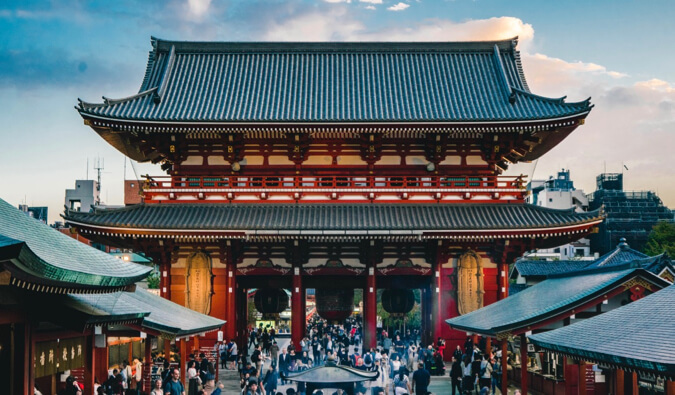
- Economic Resilience: By spreading tourists across various neighborhoods (e.g., Yanaka, Jimbocho) instead of concentrating them in Akihabara or Asakusa, the city can mitigate the effects of "overtourism."
- Cultural Sustainability: Micro-tours provide a financial incentive for the continuation of traditional crafts and the maintenance of historic sites.
- Employment: The platform model has created a new gig-economy sector for bilingual residents, students, and retirees who possess specialized knowledge.
Official Responses and Future Outlook
Governmental bodies, including the Tokyo Metropolitan Government, have begun to recognize the value of these "authentic" experiences. Recent initiatives have focused on promoting "Sustainable Tourism," which encourages visitors to engage with local communities in a respectful and mutually beneficial manner.
While traditional tour companies like Get Your Guide continue to hold a significant market share, the success of the Airbnb Experience model has forced a rebranding of the industry. Companies are now emphasizing "small groups" and "expert-led" itineraries to compete with the perceived authenticity of independent local guides.
As Tokyo moves into the mid-2020s, the integration of technology and personal storytelling will likely continue to define the travel experience. The city is no longer viewed as a monolithic destination of neon lights and skyscrapers, but as a collection of thousands of individual stories, accessible one "experience" at a time. For the global traveler, the value proposition has shifted: the best souvenir is no longer a physical object, but a skill learned or a cultural nuance understood through a direct connection with a Tokyo resident.




 Anjar Salim
 Chandra Hamzah
 Tatiana Tantri Indah Sari
 Budi Mulyono
 Lukman Taruna Persada Ramadan
