
 Walid Sujud Trenggono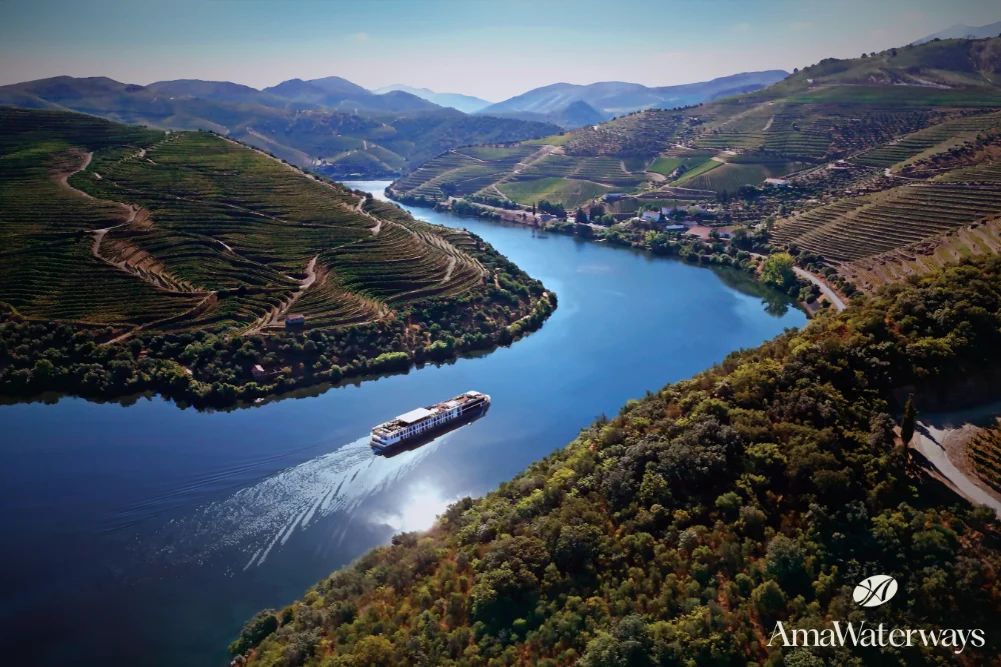
The landscape of European and international river travel has undergone a significant transformation over the past quarter-century, driven largely by a shift toward personalized, wellness-oriented, and amenity-rich experiences. At the forefront of this evolution is AmaWaterways, a company that has spent nearly 25 years challenging the traditional constraints of river vessel design and itinerary structure. From the introduction of the industry’s first double-width ship to the integration of full-sized pickleball courts and comprehensive wellness programs, the company has transitioned river cruising from a passive sightseeing exercise into an active, multi-sensory journey. As the travel industry continues to recover and expand in the post-pandemic era, the strategies employed by AmaWaterways offer a blueprint for the future of boutique luxury travel.
A Legacy of Innovation in Vessel Architecture
The history of river cruising was, for decades, dictated by the physical dimensions of the locks on the Rhine and Danube rivers. Standard river ships are typically 135 meters long and 11.4 meters wide, a footprint designed to navigate the narrow passages of the European waterway system. However, in 2019, AmaWaterways disrupted this architectural status quo with the launch of the AmaMagna. At nearly twice the width of traditional river ships, the AmaMagna represented a paradigm shift in how space is utilized on the water.
This increased square footage allowed the company to introduce amenities previously reserved for large ocean liners. The AmaMagna features four unique dining venues, a cinema, and an expansive Zen Wellness Studio. Most notably, the company recently introduced a full-sized pickleball court on the Sun Deck, reflecting the explosive growth of the sport in North America and Europe. This architectural bravery is set to continue with the upcoming launch of the AmaRudi in 2027, which promises to further refine the use of public spaces and private accommodations. By prioritizing space and variety, AmaWaterways has effectively addressed the primary criticism of river cruising: the feeling of confinement.
The Evolution of the Shore Excursion Model
In the traditional cruise business model, base fares often cover only the most basic amenities, with "premium" experiences, shore excursions, and specialty dining serving as significant additional revenue streams. AmaWaterways has notably inverted this structure. The company’s operational philosophy is built on an all-inclusive excursion model that emphasizes guest autonomy and variety. On many itineraries, passengers are offered up to six different daily excursion choices, all included in the fare.
This approach acknowledges the diverse demographic now participating in river travel. While a "gentle walk" through a medieval town like Melk remains a staple for some, others may opt for a high-intensity hike through terraced vineyards or a guided bike tour along the Danube’s flat, scenic paths. This "choose-your-own-adventure" style of travel allows couples or groups with varying physical abilities and interests to separate during the day and reconnect over dinner, a factor that travel analysts suggest has increased the brand’s appeal among multi-generational families and younger "active-lifestyle" travelers.
Wellness as a Core Operational Pillar
The integration of wellness into the cruising experience has moved beyond the inclusion of a small fitness room. Since 2017, AmaWaterways has pioneered the role of the "Wellness Host" on its ships. These professionally trained staff members lead a variety of daily activities, including sunrise yoga on the Sun Deck, resistance band training, core strengthening, and even active dance classes.
Data from the Global Wellness Institute suggests that the wellness tourism market is growing at a rate nearly twice as fast as general tourism. AmaWaterways has capitalized on this trend by weaving physical activity and mental restoration into the fabric of the itinerary. The wellness philosophy extends to the ship’s culinary offerings. With four distinct dining venues on the larger ships and a focus on locally sourced ingredients, the company emphasizes the "farm-to-table" concept. By sourcing produce, meats, and wines from the regions the ship is currently passing through, the line provides a sensory connection to the geography. For example, the inclusion of more than 32 premium regional wines as part of the standard experience allows guests to taste the terroir of the Wachau Valley or the Douro while sailing through them.
Expanding the Map: From the Rhine to the Magdalena
While the Rhine and Danube remain the "heart" of European river cruising, AmaWaterways has aggressively expanded into emerging markets. The company currently operates a fleet of 34 ships across Europe, Asia (the Mekong), Africa (the Chobe), and South America. A significant milestone in the company’s chronology is its entry into Colombia. AmaWaterways became the first major river cruise line to navigate the Magdalena River, a move that required custom-designed ships with shallow drafts to handle the specific environmental conditions of the region.
The expansion into Colombia’s Magdalena River represents a strategic move to capture the growing interest in South American eco-tourism. Unlike the well-trodden paths of Central Europe, the Magdalena offers access to vibrant colonial towns and biodiversity-rich ecosystems that were previously difficult for luxury travelers to access. This trend of "pioneer cruising" allows the company to maintain a competitive edge by offering unique itineraries that cannot be replicated by larger ocean-going vessels.
Chronology of Key Milestones
To understand the current trajectory of AmaWaterways, it is essential to look at the timeline of its growth and innovation:
- 2002: Founded by Rudi Schreiner, Kristin Karst, and Jimmy Murphy, with a vision to bring a more active and personal touch to the industry.
- 2006: The company began commissioning its own custom-built ships, moving away from chartered vessels.
- 2010: Introduction of the "Twin Balcony" concept, featuring both a French balcony and a full outside balcony in a single suite.
- 2017: The formal introduction of the Wellness Program and dedicated Wellness Hosts across the fleet.
- 2019: The launch of the AmaMagna, the industry’s first double-width river ship on the Danube.
- 2021-2023: Expansion of the fleet during the global travel recovery, including new ships for the Nile and the Douro.
- 2024: Launch of operations on the Magdalena River in Colombia, a first for the industry.
- 2027: Scheduled debut of the AmaRudi, representing the next generation of ship design and sustainability.
Economic and Industrial Implications
The shift toward boutique, high-touch river cruising has broader implications for the global travel economy. River cruise passengers tend to spend more time in "gateway cities" like Amsterdam, Budapest, and Ho Chi Minh City before and after their cruises, providing a significant boost to local hospitality sectors. Furthermore, because river ships dock in the heart of small communities rather than massive industrial ports, the economic benefit is distributed more directly to local artisans, guides, and family-owned businesses.
Industry analysts note that AmaWaterways’ focus on sustainability and local integration is a response to the growing "over-tourism" debate in Europe. By spreading passengers across multiple excursion types—from bike tours to culinary classes—the company minimizes the physical impact of large groups on historic city centers. The move toward electric-powered shore power and advanced water purification systems on newer ships like the AmaMagna also aligns with the European Union’s tightening environmental regulations for inland waterways.
Strategic Analysis: The Human Element of Service
A critical, yet often overlooked, component of the company’s success is its approach to staffing and service. In an era of increasing automation, AmaWaterways has doubled down on human connection. The "heartfelt service" mentioned by many returning guests is a result of a specific corporate culture that encourages crew members to interact with guests on a first-name basis. This focus on "genuine connection" is more than just a marketing slogan; it is a retention strategy. In the cruise industry, high crew retention leads to more consistent service and a "club-like" atmosphere that encourages repeat bookings.
The company’s leadership, particularly co-founders Rudi Schreiner and Kristin Karst, are frequently seen on the ships, engaging with both staff and passengers. This visibility at the executive level fosters a sense of accountability and passion that filters down through the ranks. As the brand moves toward 2027 and beyond, the challenge will be to maintain this intimate, personalized feel while scaling the fleet to meet increasing global demand.
Conclusion: The Future of the River Journey
As AmaWaterways approaches its 25th anniversary, the company stands as a testament to the power of specialized, considered travel. By decoupling the river cruise experience from the "standard" itinerary and focusing on wellness, architectural innovation, and deep regional immersion, they have redefined what it means to travel by water. The ship is no longer merely a floating hotel used to move between destinations; it has become a destination in itself—a sanctuary for the nervous system and a hub for cultural discovery.
With the upcoming launch of the AmaRudi and the continued exploration of rivers in South America and Africa, the company is poised to remain a dominant force in the luxury travel sector. For the modern traveler, the message is clear: the most profound journeys are those that move the body, engage the mind, and respect the traditions of the rivers that have connected humanity for millennia. Whether through a yoga session at dawn on the Sun Deck or a deep dive into the culinary heritage of the Mekong, AmaWaterways continues to prove that the art of the journey is in the details.


 Anjar Salim
 Chandra Hamzah
 Tatiana Tantri Indah Sari
 Budi Mulyono

