
 Cholid Fahmi Thalib
Nestled within the geographic cradle of the scenic Rogue Valley, Medford, Oregon, has increasingly transitioned from a regional agricultural hub into a celebrated destination for culinary tourism. Surrounded by dramatic topographies—including the iconic Table Rocks and the imposing silhouette of Mount McLoughlin—Southern Oregon offers an environment uniquely suited for viticulture, orchard farming, and artisanal food production. Recent economic and tourism data from Jackson County indicate a steady upward trajectory in visitor spending tied to agritourism and regional gastronomy, positioning Medford as a formidable rival to more traditional Pacific Northwest culinary capitals.
This comprehensive analysis examines the structural evolution of Medford’s dining and agritourism sectors, charting the chronological experiences of travelers and local stakeholders through seven foundational establishments that define the region’s contemporary food and wine identity.
Economic and Agricultural Context of the Rogue Valley
The viability of Medford’s culinary sector is fundamentally anchored in its rich alluvial soils and Mediterranean-like microclimate. Historically recognized for pear production and timber, the Rogue Valley American Viticultural Area (AVA) has gained international acclaim over the last three decades for cool-climate varietals, particularly Pinot Noir, Chardonnay, and aromatic whites. According to regional economic development reports, agritourism serves as a vital economic engine for Jackson County, generating tens of millions of dollars annually while supporting hundreds of local farms, vineyards, and independent food enterprises.
Local restaurateurs, vintners, and market vendors increasingly rely on a "farm-to-table" ethos not merely as a marketing strategy, but as an operational necessity driven by proximity to abundant agricultural yields. This localized supply chain insulates culinary establishments from broader national supply chain disruptions while guaranteeing exceptional freshness. Regional tourism boards have capitalized on this synergy, promoting curated itineraries that seamlessly connect outdoor recreation—such as rafting on the Rogue River or hiking in Crater Lake National Park—with high-end dining and vineyard tastings.
Chronological Itinerary and Operational Profiles of Key Establishments
To understand the breadth of Medford’s culinary offerings, a logistical examination of key dining and agritourism sites reveals a diverse ecosystem ranging from rustic morning bakeries to sophisticated evening cocktail lounges.
Morning Fuel: Bakery and Breakfast Traditions
The visitor experience in Medford frequently begins early, driven by proximity to regional wilderness attractions. For travelers preparing for excursions such as whitewater rafting on the Rogue River or alpine trekking toward Crater Lake, morning caloric intake is a primary logistical consideration.
At Ruby’s, located at 310 Genessee Street, operations commence daily at 7:00 AM, catering to both locals and early-rising tourists. The establishment has built a reputation on locally sourced ingredients prepared at accessible price points. Among its signature offerings is the heavy breakfast burrito, constructed with a dense matrix of ham, bacon, sausage, scrambled eggs, potatoes, onions, tomatoes, and cheese. For lighter appetites, the "Little Devil" sandwich utilizes house-made English muffins paired with a fried egg and a choice of protein. Beyond breakfast, Ruby’s functions as a community hub, offering board games and an eclectic sandwich menu featuring extensive vegetarian selections.
Similarly, Buttercloud Bakery & Cafe, situated at 315 South Front Street, emphasizes heavy, scratch-made comfort food anchored by traditional baking techniques. Operating as a staple for breakfast and lunch enthusiasts, the bakery is internationally recognized regionally for its signature flaky biscuits. These biscuits serve as the structural base for dishes such as the Farmhouse Biscuit Sandwich—comprising a fried egg, bacon, tomato, and basil aioli—as well as specialized iterations of eggs Benedict and French toast. Buttercloud’s operational model incorporates a monthly rotating menu of scratch-baked scones, sticky buns, and mini cream pies, reflecting a dynamic approach to seasonal baking that continuously engages returning patrons.
Midday Markets and the Local Vendor Economy
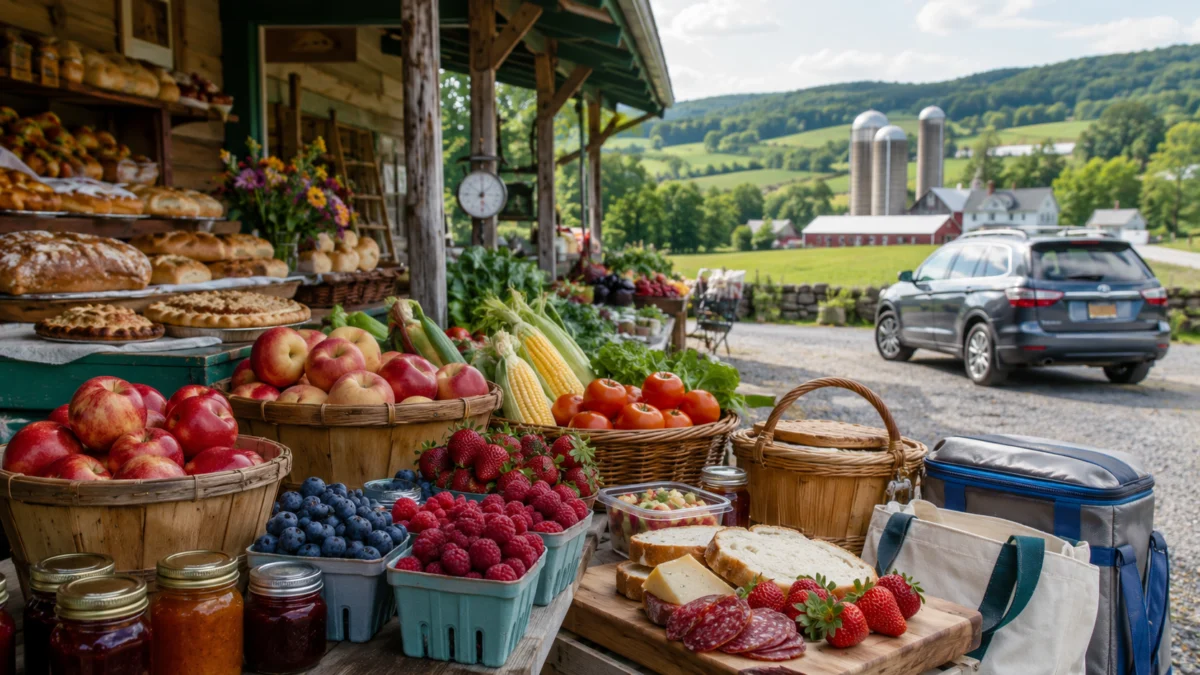
The integration of community commerce and fresh agriculture is most visible at the Rogue Valley Growers & Crafters Market. Operating primarily outdoors at Hawthorne Park (501 E. Main Street) from March through November, and transitioning to an indoor winter venue from December through February, the market represents a vital economic channel for regional producers.
Recognized consistently among the premier farmers’ markets in the United States by national travel publications, the market hosts over 150 local growers, artisans, and food purveyors operating within a 200-mile radius. Chronologically, visits to the Thursday Medford market typically occur in the early morning hours, where patrons encounter unique culinary innovations such as specialty breakfast muffins containing roasted mushrooms, green onions, and a soft-boiled egg encapsulated in the center. The market functions as an essential logistics node for tourists seeking sustainable picnic provisions, organic produce, and regional crafts prior to embarking on wider Southern Oregon explorations.
Viticulture and Agritourism: Vineyards of the Rogue Valley
Wine production constitutes a cornerstone of Jackson County’s tourism revenue. Two distinct properties illustrate the operational diversity and aesthetic appeal of Medford’s wine country.
Dos Mariposas Vineyard and Lavender Farm, located at 3976 Bellinger Lane, exemplifies the diversification of agricultural land into agritourism. The family-run property combines viticulture with lavender cultivation, creating a dual-crop operational model that peaks during the summer months when lavender fields achieve full bloom in June. While the vineyard does not operate a full-scale restaurant, it offers curated wine and cider tastings paired with comprehensive charcuterie boards featuring local meats and regional cheeses. Designed as a low-impact, family- and dog-friendly destination, Dos Mariposas incorporates weekend live music, shaded patios, and views oriented toward the Table Rocks and Mount McLoughlin.
Complementing this is DANCIN Vineyards, situated on the forested foothills at 4477 South Stage Road. Operating in a sophisticated garden setting overlooking the Rogue Valley, DANCIN specializes in award-winning cool-climate varietals, notably Pinot Noir and Chardonnay. The vineyard’s culinary program directly integrates its estate wines into the menu preparation, offering items such as house-made meatballs and stuffed mushrooms infused with wine-based cream sauces and marinaras. Additionally, the estate utilizes wood-fired ovens to produce artisan pizzas, such as the Soppressata & Asparagus pie finished with Calabrian hot honey, illustrating an advanced pairing philosophy between estate vinification and wood-fired gastronomy.
Evening Dining: Upscale Eateries and Downtown Revitalization
As evening descends, Medford’s downtown core transitions into a vibrant center for nightlife and fine dining, anchored by establishments along East Main Street.
Pomodori Osteria and Bar (410 East Main Street) brings traditional Italian culinary techniques to downtown Medford through a rustic yet sophisticated dining environment. Operating Tuesday through Saturday evenings, the restaurant emphasizes from-scratch pasta production, including linguine dishes paired with house-made beef, pork, and veal meatballs in Bolognese sauce. A defining characteristic of Pomodori’s menu integration is its incorporation of regional dairy, notably utilizing award-winning Caveman blue cheese crumbles from the nearby Rogue Creamery in its elevated wedge salads. This cross-sector collaboration underscores a broader economic trend in Jackson County, where local artisanal producers cross-market their goods through upscale dining venues.
Adjacent to the dining scene is Jefferson Spirits (404 East Main Street), which provides an elevated lounge experience blending historical atmosphere with modern mixology. Open daily until midnight, the establishment curates an extensive craft cocktail program, notable for traditional preparations such as the Old Fashioned served with bourbon-soaked cherries. While primarily recognized for its bar program—which features daily happy hour pricing and weekly community events such as open-mic nights and trivia—Jefferson Spirits maintains a focused food menu offering Asian-fusion items, crispy dumplings, and local desserts like Oregon wild berry cheesecake.
Stakeholder Perspectives and Community Implications
Interviews and observations gathered from group travel delegations highlight the distinct appeal of Medford’s culinary landscape: the absence of pretension combined with high technical execution. Vintners and restaurateurs in the Rogue Valley frequently emphasize community collaboration over direct competition. For instance, the inclusion of Rogue Creamery cheeses on Italian menus at Pomodori or the incorporation of regional wines into DANCIN’s culinary sauces demonstrates a tightly knit regional supply chain that benefits all participating commercial entities.
From an economic development perspective, the maturation of Medford’s food and wine sectors has yielded significant implications for local employment and real estate values. The influx of culinary tourists has catalyzed the revitalization of downtown Medford, transforming formerly underutilized commercial real estate into bustling hubs of hospitality. Furthermore, the emphasis on sustainable agriculture and farm-to-table sourcing aligns with shifting consumer preferences favoring localized, transparent supply chains.
Broader Impact and Future Outlook
The trajectory of Medford, Oregon, as an emerging culinary destination suggests continued growth in both domestic and international tourism. As regional infrastructure expands to accommodate increasing visitor volumes, local stakeholders face the dual challenge of scaling operations while preserving the intimate, agricultural character that defines the Rogue Valley.
Data compiled from regional tourism authorities indicate that visitors drawn initially by outdoor landmarks such as Crater Lake frequently extend their stays to explore the valley’s vineyards, farmers’ markets, and downtown eateries. This multi-day engagement maximizes economic yield for Jackson County businesses, cementing Medford’s status not merely as a transit stop, but as a primary destination for discerning culinary travelers in the Pacific Northwest.


 Anjar Salim
 Chandra Hamzah
 Tatiana Tantri Indah Sari
 Budi Mulyono
 Lukman Taruna Persada Ramadan
