
 Cholid Fahmi Thalib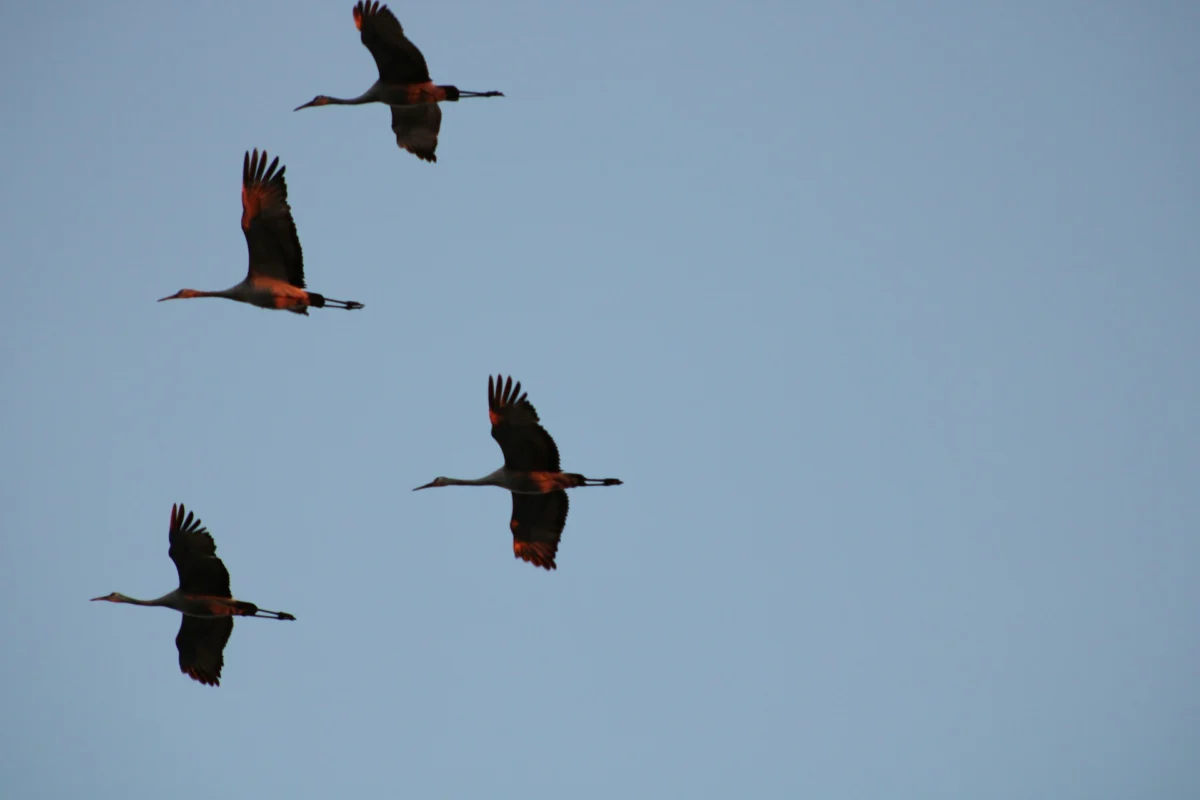
Nestled in the heart of North Central Florida, the city of Gainesville stands apart from the state’s typical coastal tourism corridor, offering a distinct cultural, ecological, and academic landscape. Shaped indelibly by the presence of the University of Florida, the municipality of roughly 145ative residents and tens of thousands of transient students balances a vibrant intellectual energy with a deep commitment to preserving its surrounding natural resources. Far from the neon-lit boardwalks and crowded theme parks of South and Central Florida, Gainesville invites visitors and researchers alike to examine a quieter, more deliberate facet of the Sunshine State—one rooted in historical preservation, ecological diversity, and community-driven enterprise.
The Historical Intersection of Town and Gown
To understand contemporary Gainesville, one must examine its foundational timeline, which dates back to its establishment in 1853 as the county seat of Alachua County. Named after State Militia General Edmund Pendleton Gaines, the city grew initially as a hub for the cotton trade, accelerated by the arrival of the Florida Railroad in 1859. However, the trajectory of the municipality shifted permanently in 1906 when the state legislature consolidated several institutions to create the University of Florida in Gainesville.
Over the subsequent decades, the university expanded outward, establishing a symbiotic relationship with the local economy and culture. Today, the campus spans over 2,000 acres, characterized by historic brick collegiate architecture interspersed with cutting-edge research facilities. University officials and city planners have long collaborated to ensure that the intellectual capital generated within campus borders feeds directly into the broader community. According to regional economic impact reports, the university contributes billions of dollars annually to the local economy, fueling a thriving ecosystem of technology startups, healthcare networks, and independent commercial ventures.
Curating Cultural Institutions: The Harn and the Florida Museum of Natural History
Gainesville’s commitment to education extends beyond traditional classrooms into its robust network of public museums. Situated on the university campus, the Florida Museum of Natural History serves as the official state repository for biological and anthropological artifacts. Established formally in the late 19th century, the museum houses millions of specimens documenting Florida’s prehistoric eras, indigenous cultures, and fragile modern ecosystems.
Adjacent to the museum is the renowned Butterfly Rainforest, a controlled outdoor exhibit containing hundreds of free-flying butterflies and tropical plants. Environmental scientists note that such exhibits play a crucial role in public outreach, translating complex ecological data regarding habitat loss and conservation into accessible, tangible experiences for the general public.
A short distance away, the Harn Museum of Art offers a heavily curated contrast, housing extensive collections of African, Asian, modern, and contemporary art. Museum leadership emphasizes educational outreach, integrating gallery spaces with outdoor sculpture gardens designed to promote quiet contemplation. Local arts administrators frequently point to institutions like the Harn and the Phillips Center for the Performing Arts—a premier venue hosting everything from touring Broadway acts to symphony orchestras—as vital anchors that elevate Gainesville’s cultural profile well above what is typically expected of a mid-sized inland city.
Geological Anomalies and Ecological Preservation
Beyond urban cultural spaces, Gainesville’s true distinction lies in its geography. Unlike the flat, sandy coastlines that dominate Florida’s tourism marketing, North Central Florida features a dynamic karst landscape defined by sinkholes, subterranean aquifers, and expansive prairies.
A prime example is Devil’s Millhopper Geological State State Park, a massive 120-foot-deep limestone sinkhole. Formed thousands of years ago when the ceiling of a subterranean cavern collapsed, the sinkhole acts as a natural bowl exposing various geological strata. Descending the wooden boardwalk into the shaded basin reveals a microclimate distinct from the surrounding uplands, complete with lush ferns, cascading spring-fed streams, and distinct ecological zones that shift with every vertical foot. Environmental historians and geologists utilize the site as a living laboratory to study climate history and hydrological shifts within the Floridan Aquifer.
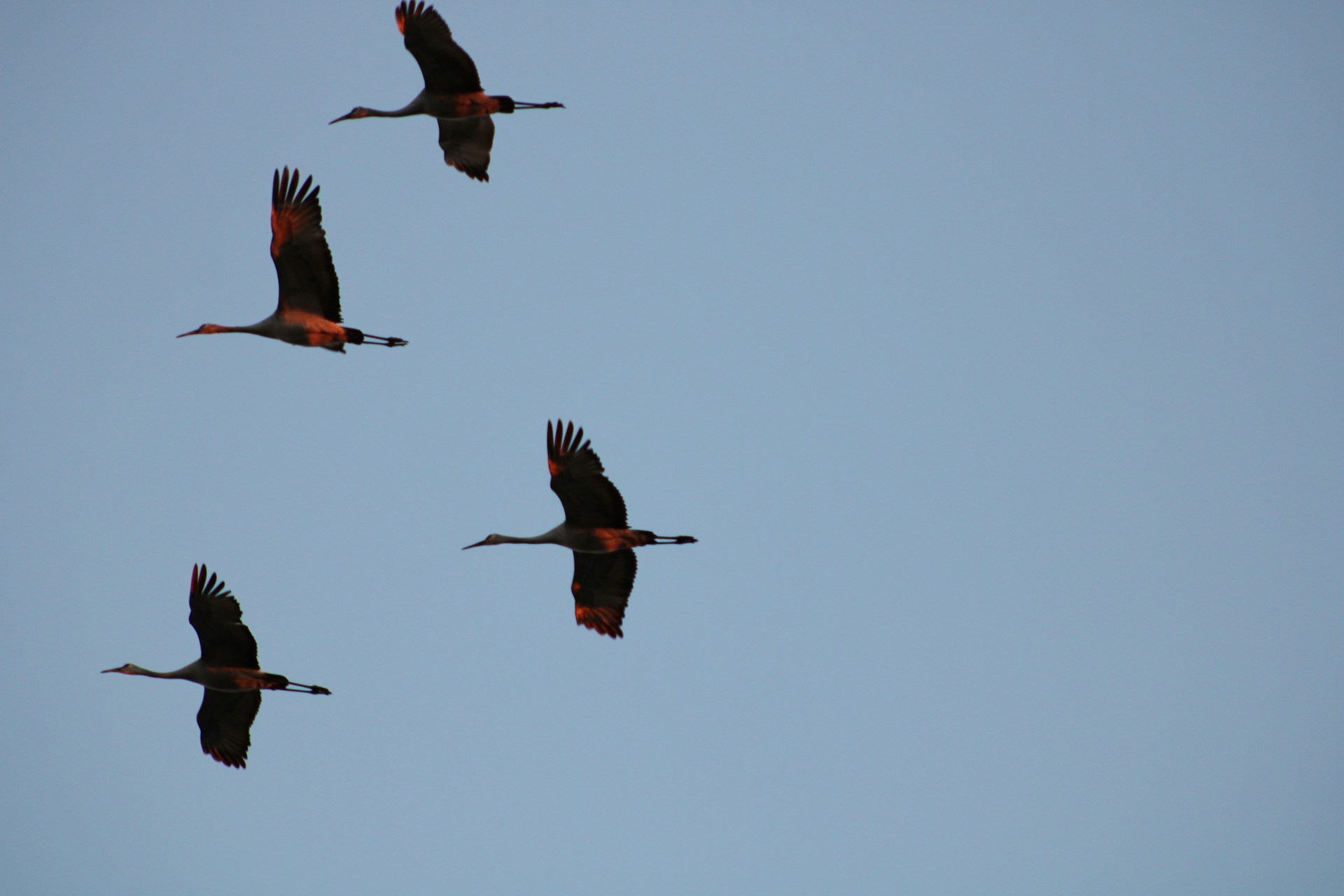
Equally striking is Paynes Prairie Preserve State Park, located immediately south of the city limits. Encompassing over 21,000 acres, the state park is a vast savanna basin characterized by cyclical flooding and drying periods. Historically utilized by Native American tribes and later as one of Florida’s earliest cattle ranches, the prairie is now a protected refuge for wild horses, American bison, alligators, and hundreds of species of migratory birds.
According to the Florida Department of Environmental Protection, Paynes Prairie functions as a critical wildlife corridor. State wildlife biologists monitor the reintroduced bison and cracker horse populations closely, using the preserve as a benchmark for restoring inland wetland ecosystems. Elevated observation towers and extensive trail networks allow visitors to observe this complex habitat without disrupting the delicate ecological balance.
Urban Planning and Sustainable Water Management
Urban sustainability in Gainesville is perhaps best exemplified by Sweetwater Wetlands Park. Opened in 2015 as a man-made wetland designed to improve the water quality of local stormwater runoff before it enters nearby Paynes Prairie and the Floridan Aquifer, the park has evolved into a premier destination for ecological tourism and ornithological research.
Spanning over 125 acres, the park filters millions of gallons of water daily through engineered marshes planted with native vegetation. City engineers and environmental policy analysts frequently cite Sweetwater Wetlands as a national model for municipal water management, proving that functional civil infrastructure can successfully double as public recreational green space. With miles of raised gravel pathways and boardwalks, the park accommodates thousands of visitors annually while maintaining undisturbed habitats for apex predators, wading birds, and amphibians.
Downtown Commerce and Culinary Independence
While ecological and academic institutions provide the framework for Gainesville’s identity, the downtown district supplies its daily pulse. Rejecting the homogenized commercial sprawl characteristic of many American municipalities, downtown Gainesville has cultivated a retail and culinary scene anchored by independent business owners.
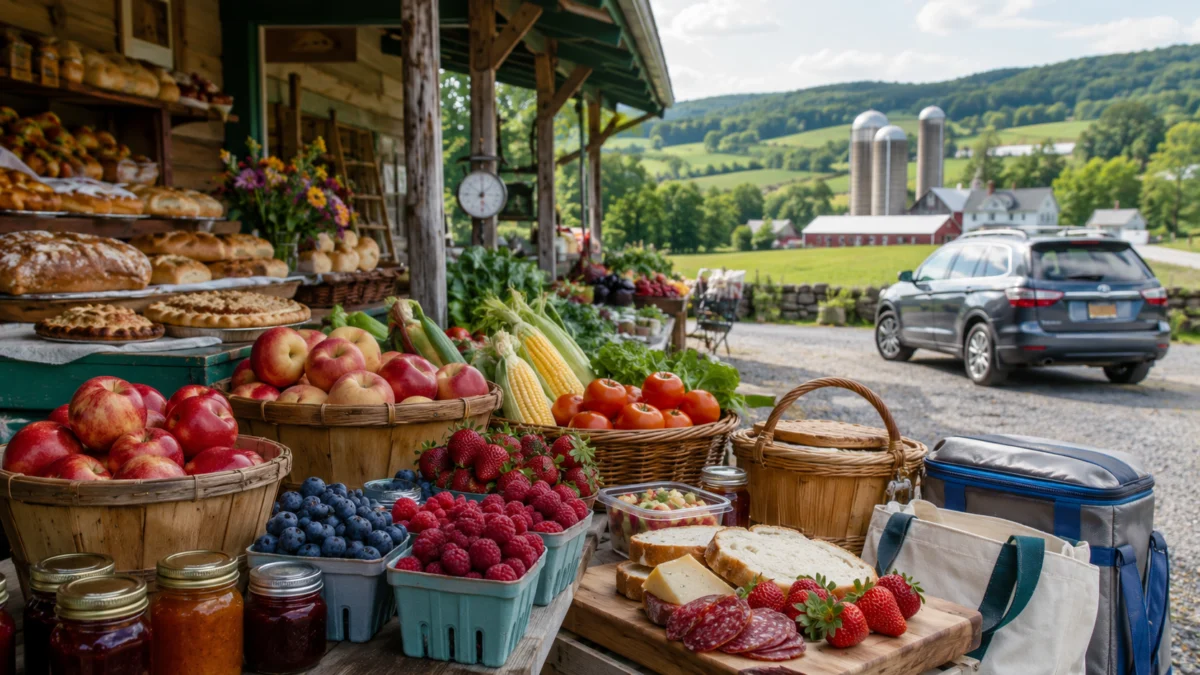
Economic development boards note a deliberate strategy to support local enterprise through micro-loans, downtown improvement districts, and farmer’s markets that connect regional agricultural producers directly with consumers. Independent bookstores, vinyl record shops, and farm-to-table restaurants line the historic streets, creating a pedestrian-friendly environment that encourages lingering.
Furthermore, the integration of health-conscious dining options and delivery services reflects a broader demographic shift toward wellness and sustainability among the city’s sizable student and young professional population. Market analysts observe that downtown Gainesville’s economic resilience stems largely from this network of localized commerce, which insulates the area from the volatility of national corporate retail trends.
Implications and Future Outlook for North Central Florida
As Florida continues to experience rapid population growth and subsequent developmental pressures, Gainesville faces the ongoing challenge of balancing urban expansion with environmental conservation. Regional planners and municipal officials emphasize smart-growth policies, protecting the surrounding canopy roads, and maintaining the strict zoning laws that have historically safeguarded the city’s green spaces.
The broader implications of Gainesville’s development model suggest a viable alternative to the high-density, coast-centric urbanization pattern that dominates the rest of the state. By leveraging its academic assets, protecting unique geological features like Paynes Prairie and Devil’s Millhopper, and fostering an independent local economy, the city has carved out a sustainable niche. For researchers, travelers, and residents alike, Gainesville offers a study in equilibrium—proving that economic vitality and environmental preservation can coexist within the dynamic landscape of the American South.



 Anjar Salim
 Chandra Hamzah
 Tatiana Tantri Indah Sari
 Budi Mulyono
 Lukman Taruna Persada Ramadan
