
 Diana Nuri Rohmawati
Madrid stands as the political, financial, and cultural epicenter of Spain, accommodating approximately 3.5 million residents within its sprawling municipal boundaries and drawing upwards of 10 million international and domestic visitors annually. While coastal destinations like Barcelona frequently capture global tourism headlines, the inland capital offers a distinct architectural heritage, an internationally acclaimed culinary ecosystem, and an urban tempo characterized by late-night social engagement. Recent tourism analytics from the Spanish Ministry of Industry and Tourism indicate a sustained post-pandemic recovery, with visitor expenditures in the capital region reaching record highs. For travelers navigating this expansive metropolis, a structured five-day itinerary provides an optimal balance between iconic cultural landmarks and lesser-known historical enclaves.
Day 1: Immersion in the UNESCO Paseo del Prado Art Walk
The inaugural day of exploration centers on the "Landscape of Light," a prestigious urban corridor designated as a UNESCO World Heritage site in 2021. This zone encompasses over 40 distinct monuments and architectural structures, representing a synthesis of royal patronage, scientific enlightenment, and natural landscaping.
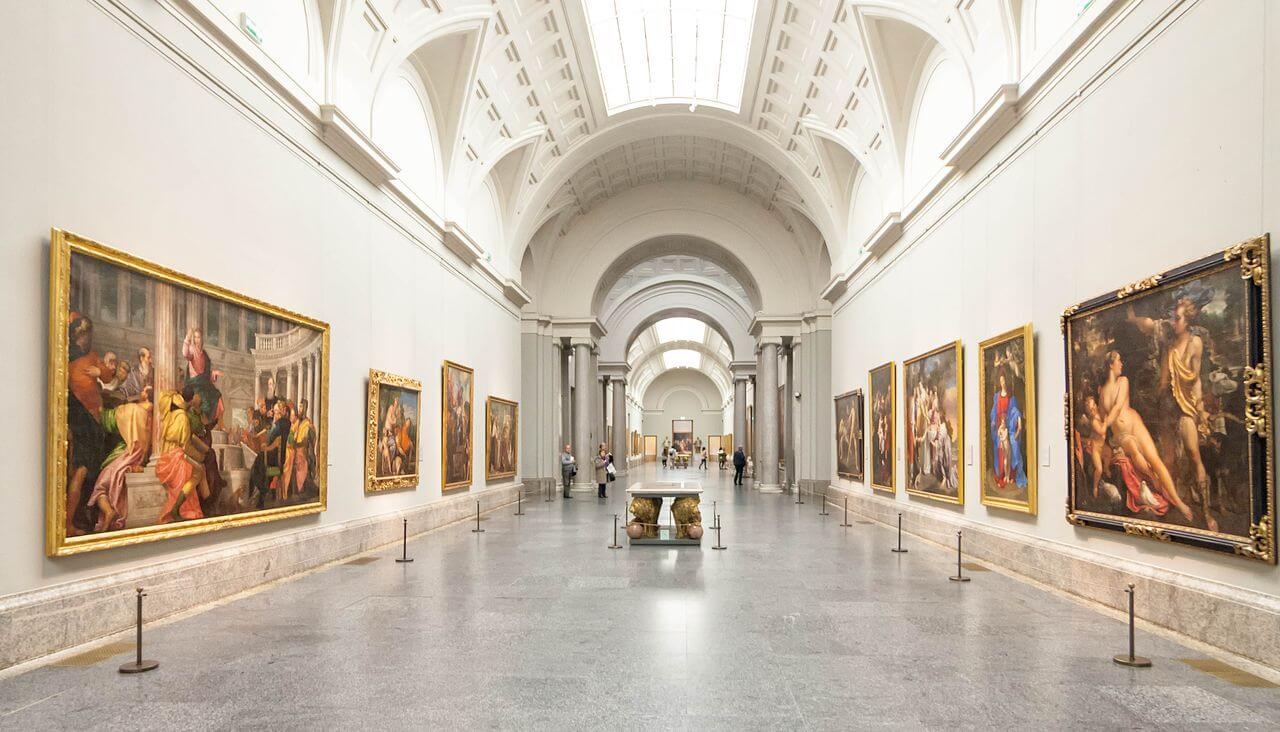
The cultural itinerary commences at the Prado Museum, widely recognized as one of the preeminent fine arts institutions globally. Housing extensive collections amassed by the Spanish Habsburg and Bourbon dynasties, the museum features foundational works by Spanish masters such as Francisco Goya, Diego Velázquez, and El Greco, alongside canonical European painters including Peter Paul Rubens, Sandro Botticelli, and Caravaggio. Given the sheer scale of the institution, international art historians recommend a minimum allocation of three to four hours to navigate its primary galleries.
A ten-minute constitutional southward along the Paseo del Prado leads to the Thyssen-Bornemisza Museum, which bridges historical gaps through a private collection spanning from the early Renaissance to Pop Art. The day’s formal art circuit concludes at the Reina Sofía National Art Center, Madrid’s premier contemporary art repository. Housed in a former 18th-century hospital, the museum exhibits works by Pablo Picasso, Joan Miró, Salvador Dalí, and Wassily Kandinsky. The focal point of the collection remains Picasso’s 1937 masterwork, Guernica, universally cited as one of the most influential anti-war visual statements of the 20th century.
Culinary integration follows the morning museum circuit. Visitors can sample traditional cocido madrileño—a historic, multi-course chickpea and meat stew native to the region—at historic establishments such as Taberna La Fragua de Vulcano. Alternatively, the garden terrace at Arzábal near the Reina Sofía offers contemporary takes on traditional Spanish tapas, while the 17th-century wine caves of Bodega de los Secretos provide a subterranean dining environment near the Prado.
The afternoon introduces Madrid’s distinct "House Museums"—former private aristocratic residences preserved in their historical states. Among these, the Sorolla Museum, dedicated to the Impressionist canvases of Joaquín Sorolla, represents a significant architectural asset following extensive modernization and renovation efforts.
Day 2: Architectural Grandeur in Habsburg Madrid
The second day investigates the medieval and Renaissance foundations of the city, historically designated as Madrid de los Austrias (Habsburg Madrid). Urban circulation frequently begins at Puerta del Sol, a central public square that functions as Kilometer Zero—the literal geographic origin point for Spain’s national radial highway network. The square also features the iconic statue of the Bear and the Strawberry Tree (El Oso y el Madroño), an heraldic symbol derived from Madrid’s medieval municipal coat of arms.
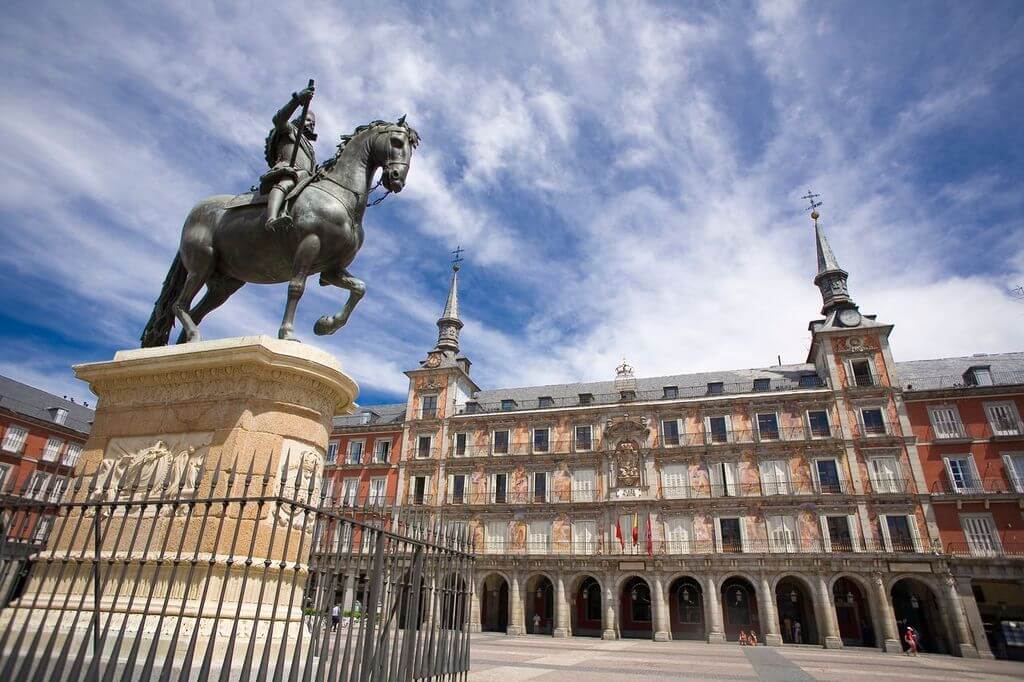
Pedestrian routes extend naturally toward the Plaza Mayor, a monumental porticoed square commissioned by King Philip III in the early 17th century. Historically utilized for public spectacles, royal ceremonies, market fairs, and judicial executions, the plaza now operates primarily as a civic focal point flanked by commercial storefronts and cafes. Culinary tradition in this immediate district dictates the consumption of the quintessential fried calamari sandwich (bocadillo de calamares) from neighborhood purveyors.
The afternoon schedule advances to the Royal Palace of Madrid (Palacio Real), constructed upon the foundations of a 9th-century Muslim fortress originally established during the Emirate of Córdoba. As the largest functioning royal palace in Western Europe by floor area, the 18th-century Baroque structure contains over 3,400 rooms. Although no longer the residential domicile of the Spanish royal family—who reside in the more modest Palace of Zarzuela—the structure remains the official venue for state ceremonies. Guided and self-guided tours permit public access to the grand staircase, state apartments, throne room, and the Royal Armory, which preserves an extensive collection of medieval tournament and combat armor.
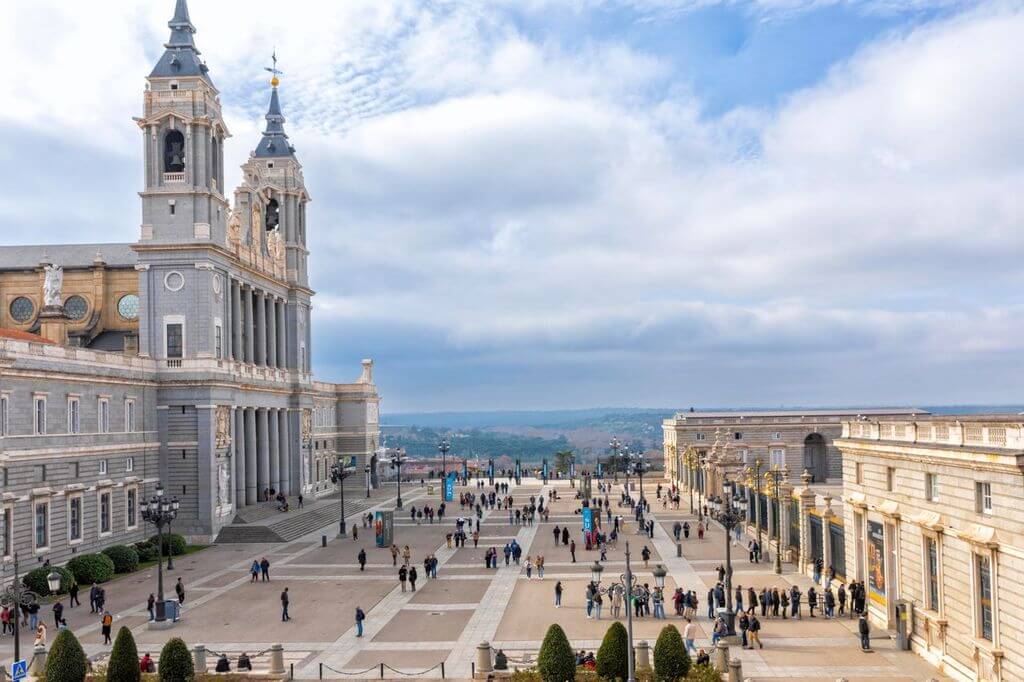
Adjacent to the palace stands the Almudena Cathedral. Construction on this monumental religious edifice commenced in the late 19th century under the architectural direction of Francisco de Cubas, though prolonged delays—compounded by the Spanish Civil War—resulted in a 1993 consecration by Pope John Paul II. The exterior exhibits a Neoclassical adherence to the adjacent palace, while the interior features a Neo-Romanesque crypt supported by over 400 unique monolithic columns.
Day 3: Gastronomic Evolution and Contemporary Dining
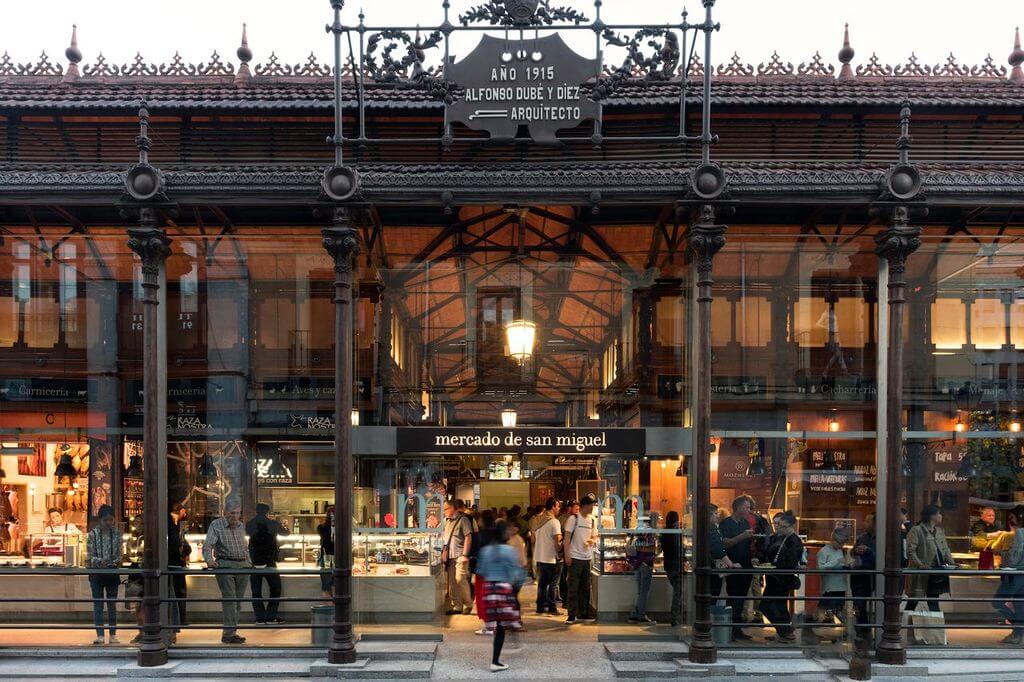
Madrid’s culinary identity reflects an integration of historical Castilian traditions and modern international migration patterns. The third day prioritizes the city’s dynamic food culture, commencing with its architectural food markets. The Mercado de San Miguel, a landmark wrought-iron and glass structure adjacent to Plaza Mayor, operates as an upscale epicurean marketplace specializing in gourmet tapas and regional wines. Neighborhood alternatives, such as the Mercado de San Antón in Chueca and the Mercado de Vallehermoso in Chamberí, offer localized provisions frequented by residents rather than tourists.
For evening dining, historical documentation highlights Sobrino de Botín, certified by Guinness World Records as the oldest continuously operating restaurant in the world, having opened its doors in 1725. The establishment gained notable 20th-century literary patronage, featuring prominently in Ernest Hemingway’s seminal novel The Sun Also Rises. Alternatively, travelers seeking informal dining can engage in traditional tapas crawls through the historic quarters of La Latina or the Literary Quarter (Barrio de las Letras).
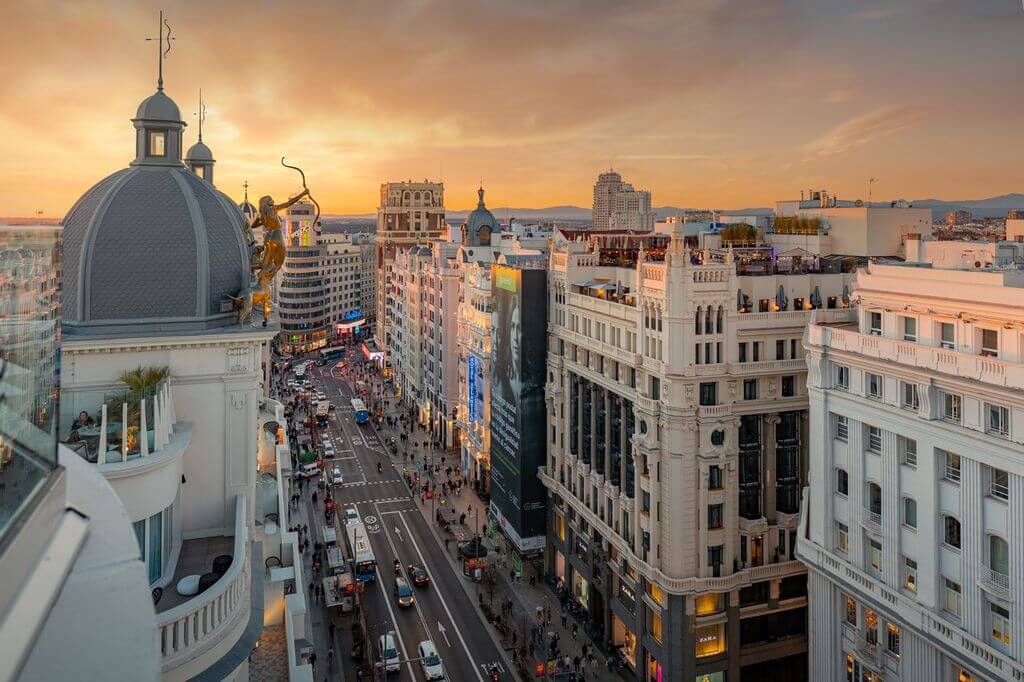
As evening transitions to night, urban activity shifts upward. The Gran Vía, a historic thoroughfare constructed between 1910 and 1929 to modernize urban transit, anchors Madrid’s burgeoning rooftop culture. Venues such as the Riu Plaza España sky bar and Picalagartos provide panoramic 360-degree views of the metropolitan skyline. Furthermore, demographic shifts over the past decade have established Madrid as a leading European hub for plant-based dining, with districts like Malasaña hosting an array of innovative vegetarian and vegan establishments reimagining classic Iberian cuisine.
Day 4: Regional Day Excursions and UNESCO Heritage Sites
While the metropolitan center contains dense cultural assets, the surrounding Community of Madrid region preserves substantial imperial and literary history recognized by international preservation bodies. Day four is dedicated to regional excursions within a one-hour radius of the capital.
The first major option is the Royal Monastery of San Lorenzo de El Escorial, located approximately 50 kilometers northwest of Madrid in the foothills of the Sierra de Guadarrama. Commissioned by King Philip II in 1563 as a monument to Spanish political and religious hegemony, the massive granite complex served simultaneously as a royal palace, basilica, pantheon for Spanish monarchs, monastery, and library. Its austere Herrera architectural style reflects the Counter-Reformation aesthetic favored by the monarch.
A secondary regional destination is the Royal Palace and Gardens of Aranjuez, situated 50 kilometers south. Established as a royal spring residence along the banks of the Tagus River, the palace exhibits a synthesis of Renaissance and Baroque design principles. The surrounding monumental gardens, irrigated by intricate canal systems designed in the 16th century, reflect landscape design philosophies comparable to contemporary French royal estates.
Alternatively, historians and literature enthusiasts frequently select Alcalá de Henares, located 35 kilometers northeast. Designated a UNESCO World Heritage site in 1998, the historic university city is the birthplace of Miguel de Cervantes, author of Don Quixote. The municipality preserves an intact layout from the Spanish Golden Age, anchored by the historic Colegio Mayor de San Ildefonso.
Day 5: Off-the-Beaten-Path Monasteries and Green Spaces
The final day of the itinerary directs attention toward lesser-known monastic institutions and municipal green infrastructure that define urban life for local residents.
The morning schedule features two foundational religious houses: the Monastery of Las Descalzas Reales and the Royal Monastery of La Encarnación. Founded in 1559 by Joanna of Austria within a former 16th-century palace, Las Descalzas Reales housed cloistered women of high aristocratic lineage who brought substantial dowries, art collections, and tapestries into the monastic community. Similarly, La Encarnación, established in 1611 under the patronage of Queen Margaret of Austria, maintains a collection of Baroque religious iconography, reliquaries, and royal portraiture behind its austere exterior façade.
Concluding the five-day metropolitan exploration, visitors frequently transition to the Casa de Campo. Spanning over 17 square kilometers (6.5 square miles), this expansive municipal park was historically reserved as royal hunting grounds before being transferred to public ownership by the Second Spanish Republic in 1931. Featuring an artificial lake, extensive arboreal zones, and panoramic vistas overlooking the western facade of the Royal Palace and the Almudena Cathedral, the park represents the integration of natural preservation and civic recreation characteristic of modern Madrid administration.



 Anjar Salim
 Dwi Wanna
 Chandra Hamzah
 Gabriela Annisa
 Susilo Edi Turonggo
 Tatiana Tantri Indah Sari