
 Anjar Salim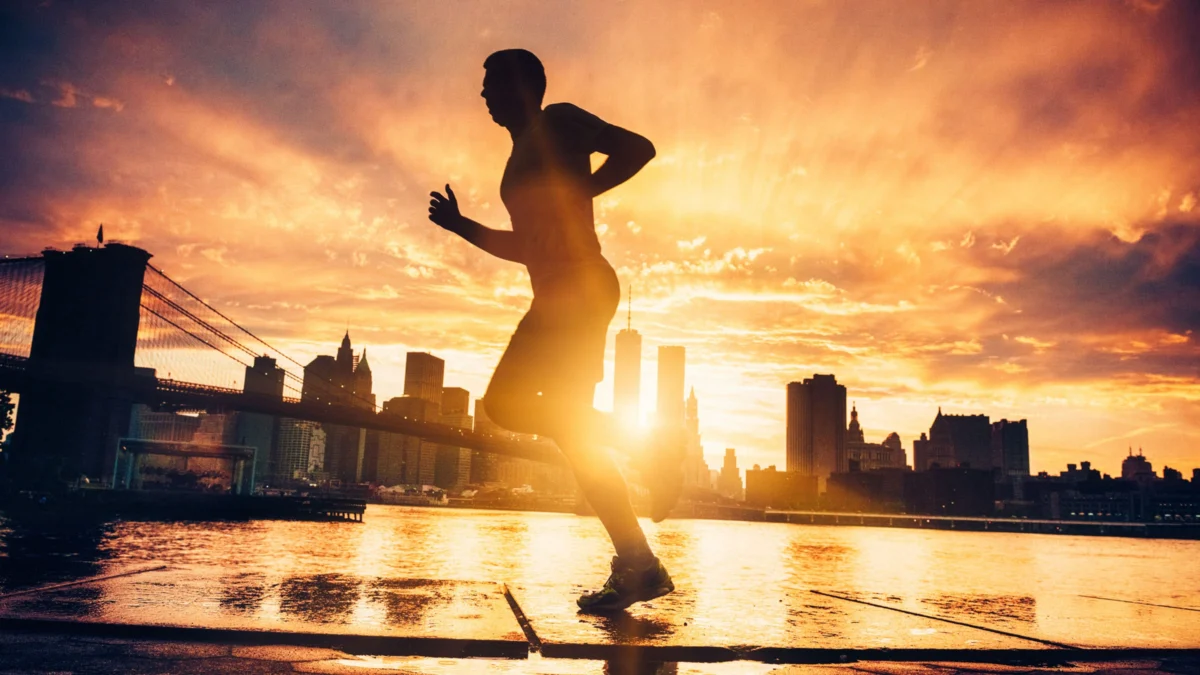
The intersection of personal endurance, historical remembrance, and environmental shift has defined a generation of athletic and civic reflection in New York City. On the 25th anniversary of the September 11 terrorist attacks, endurance athletes across the metropolitan area took to the pavement to mark a solemn milestone. For one runner, this annual observance represents more than a commemorative ritual; it serves as the foundation of a twenty-six-mile discipline born five years prior during the twentieth anniversary of the tragedy. As the city prepares for the upcoming New York City Marathon—a cornerstone event drawing tens of thousands of international competitors and generating hundreds of millions of dollars in economic activity—the convergence of personal history, collective memory, and ecological change offers a poignant lens through which to examine a quarter-century of progress and loss.
Main Facts of the Commemorative Tradition
The practice of long-distance running as an act of remembrance has grown significantly within urban centers over the past two decades. What began on September 11, 2021, as an impromptu 13-mile trek through the boroughs transformed into a dedicated training regimen that culminated two years later in a full marathon debut. Every subsequent September 11 has been marked by an extended run, culminating this year in a commemorative route that mirrors the endurance required to process historic grief.
This athletic journey parallels the broader timeline of New York City since 2001. Arriving in the city during the summer prior to the attacks, residents of that era experienced a sudden transition from the boundless optimism of early adulthood to the stark realities of national crisis. The subsequent establishment of September 11 as both a day of national mourning and a catalyst for personal transformation highlights the complex ways individuals internalize historical trauma.
Chronology of a Changing City: From 2001 to 2026
To understand the trajectory of modern endurance running against the backdrop of historical events, it is essential to examine the chronological progression of the past twenty-five years:
- Summer 2001: A new wave of college graduates arrives in New York City, entering a booming local economy and establishing residences in neighborhoods such as SoHo and the East Village.
- September 11, 2001: Terrorist attacks orchestrated by al-Qaeda strike the World Trade Center towers in Lower Manhattan, the Pentagon, and a field in Shanksville, Pennsylvania. The subsequent weeks are characterized by unprecedented civic solidarity, emergency blood drives, and grassroots volunteerism.
- Autumn 2001: New York City records its warmest November in meteorological history, devoid of traditional seasonal indicators such as sustained cold fronts, early snowfalls, or the customary drop in regional temperatures.
- September 11, 2021: On the twentieth anniversary of the attacks, an impromptu half-marathon distance run through Chinatown and the Lower East Side sparks a long-term commitment to endurance sports.
- November 2023: The runner completes their first official New York City Marathon, integrating the discipline of long-distance racing into an annual September 11 remembrance ritual.
- September 11, 2026: Marking the twenty–fifth anniversary of the attacks, athletes and community members complete commemorative routes across the city, reflecting on a quarter-century of civic and environmental evolution.
- November 1, 2026: The upcoming New York City Marathon is scheduled to bring together approximately 50,000 runners across the five boroughs, continuing a legacy of athletic resilience.
Supporting Data: Weather Anomalies and Marathon Demographics
The psychological experience of that first autumn in New York City is grounded in verifiable meteorological data. According to regional climate records maintained by the National Oceanic and Atmospheric Administration (NOAA) and local meteorological services, the autumn of 2001 shattered historical temperature baselines. November 2001 stands as one of the warmest on record for the Northeastern United States, registering average temperatures significantly above historical norms and setting a precedent for subsequent decades characterized by accelerated global warming trends.
In parallel, the New York City Marathon has expanded into a massive logistical and economic enterprise. Managed by New York Road Runners (NYRR), the race regularly hosts participants from more than 120 countries, pumping upwards of $400 million into the local economy through tourism, hospitality, and retail expenditures. The physical demands of the course—spanning 26.2 miles from Fort Wadsworth in Staten Island, through Brooklyn, Queens, Manhattan, and the Bronx, to the finish line in Central Park—require months of rigorous preparation, making weather predictability a critical factor for both training and race-day performance.
Official Responses and Civic Perspectives
Public discourse surrounding the legacy of September 11 has evolved from immediate calls for national unity to broader discussions regarding political polarization and societal fragmentation. Commentators and civic leaders, including former municipal officials and policy speechwriters, have frequently debated the nature of the solidarity witnessed in the autumn of 2001. While initial reactions emphasized a unified national resolve, subsequent analyses suggest that the true challenge lies in sustaining cooperative civic engagement without the catalyst of a catastrophic event.
In recent anniversary commentaries, public figures have noted that the genuine lesson of the era is not merely the fleeting unity prompted by disaster, but the ongoing necessity to find common ground in everyday governance and community welfare. However, observers point out that modern unifying forces extend beyond traditional political structures, increasingly encompassing shared environmental realities and public health challenges that transcend municipal and national borders.
Broader Impact and Implications: Climate as a Universal Catalyst
The convergence of historical remembrance and environmental observation highlights a profound shift in how urban populations perceive the natural world. The unseasonably warm autumn of 2001 served as an early indicator of shifting climatic baselines that have since become undeniable. Over the past twenty-five years, extreme weather events—ranging from intense urban heat domes and coastal flooding to diminished winter snowpacks and regional wildfire smoke advisories—have fundamentally altered the urban experience in North America.
This environmental transformation directly impacts endurance sports. Marathon training schedules, once anchored by predictable autumn cooling trends, now routinely require adaptation to unseasonal heat waves, elevated humidity, and poor air quality days. Organizations such as the New York Road Runners have implemented enhanced medical protocols, hydration stations, and adaptive start times to safeguard participants against rising ambient temperatures.
Ultimately, the act of running twenty-six miles through the five boroughs of New York City functions as a physical manifestation of perseverance. Whether measured against the backdrop of historical recovery or the escalating challenges of global climate change, the commitment to put one foot in front of the other remains a steadfast response to an unpredictable world. As the city prepares for the upcoming November marathon, athletes will once again lace up their sneakers, check the updated forecasts, and step forward into a future shaped by the lessons of the past twenty-five years.


 Dwi Wanna
 Chandra Hamzah
 Gabriela Annisa
 Susilo Edi Turonggo
 Tatiana Tantri Indah Sari