
 Gabriela Annisa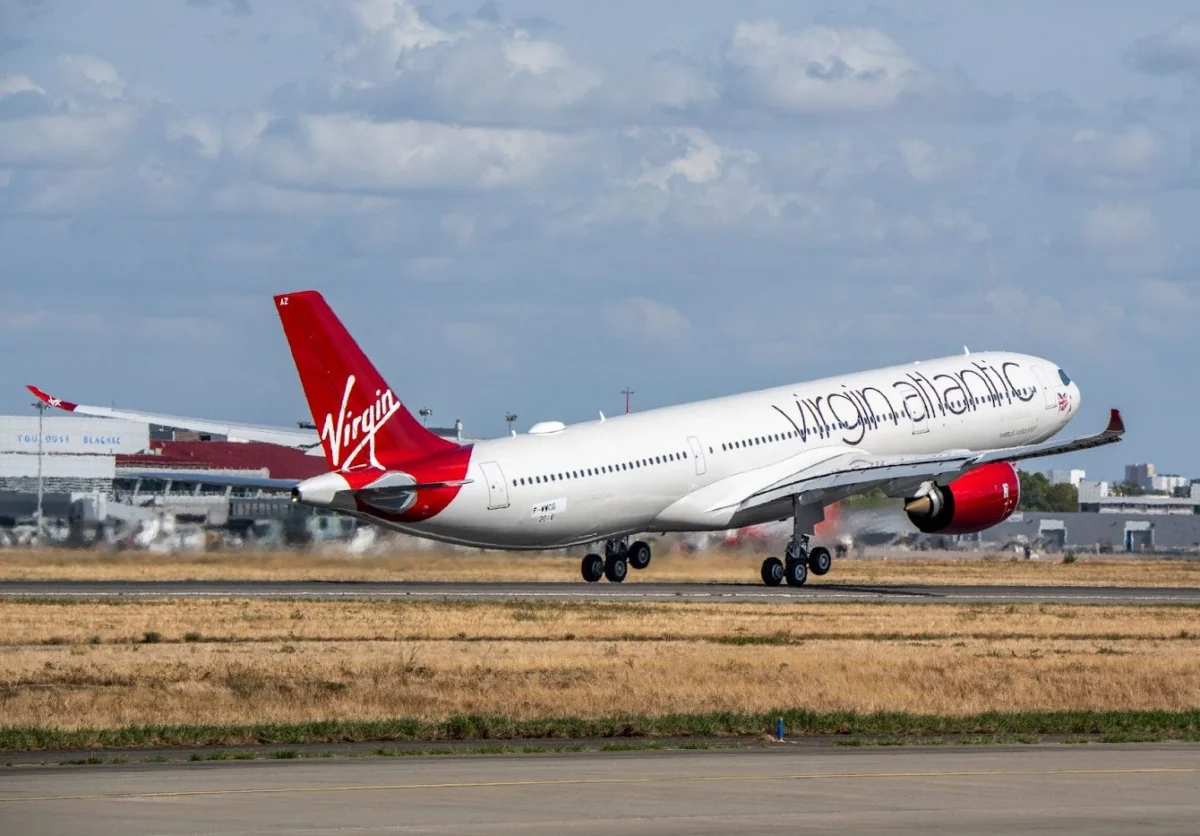
As the global aviation industry navigates a complex landscape defined by technological integration, evolving passenger expectations, and shifting geopolitical corridors, the upcoming Skift Global Forum 2026 in New York has emerged as a focal point for strategic discourse. Scheduled for September 22-24, the forum serves as a critical juncture for industry leaders to address the operational realities of the post-pandemic era. Among the marquee participants, Air Canada and Virgin Atlantic have been identified as key voices, with their respective leadership teams set to provide insights into network expansion, fleet modernization, and the pursuit of long-term financial sustainability.
The Strategic Significance of the Skift Global Forum
The Skift Global Forum has historically served as a bellwether for the travel and hospitality sectors, bridging the gap between high-level corporate strategy and the day-to-day realities of travel operations. In 2026, the focus on aviation is particularly acute. Following years of volatile fuel prices and labor market instability, airlines are now transitioning toward a phase of stabilization and growth. The inclusion of major network carriers like Air Canada and Virgin Atlantic reflects a broader industry interest in how legacy operators are balancing the demands of high-yield international travel against the rising costs of sustainability mandates and infrastructure limitations.
Air Canada: Navigating the North American Corridor
Air Canada, the nation’s flag carrier, enters the 2026 forum in a period of calculated expansion. The airline has been instrumental in positioning Canada as a premier transit hub for passengers traveling between the United States and the Asia-Pacific region, as well as Europe. By leveraging its geographic advantage in cities like Vancouver and Toronto, Air Canada has managed to capture a significant share of connecting traffic that might otherwise bypass North American hubs.
Analysts point to the airline’s recent investments in long-haul capacity, particularly through the utilization of its Boeing 787 Dreamliner fleet, as a cornerstone of its current profitability. As the carrier prepares to address attendees at the forum, the discussion is expected to center on how the airline maintains operational integrity amid the logistical challenges of winter operations and the ongoing need for fleet renewal. Furthermore, Air Canada’s loyalty program, Aeroplan, continues to be a major profit driver, demonstrating the industry-wide trend of viewing frequent flyer programs as sophisticated fintech assets rather than mere marketing tools.
Virgin Atlantic: The Boutique Transatlantic Challenger
In contrast to the vast network scale of Air Canada, Virgin Atlantic represents the evolution of the boutique, premium-focused long-haul carrier. Virgin Atlantic’s presence at the Skift Global Forum is particularly noteworthy given the airline’s unique position in the transatlantic market—a corridor that remains the most lucrative and competitive in the world.
Virgin Atlantic has invested heavily in its product differentiation, focusing on its “Upper Class” service and sustainable aviation fuel (SAF) initiatives. As the industry moves toward 2030 sustainability targets, Virgin Atlantic’s leadership in testing low-carbon aviation solutions positions them as a representative of the “greener” future of aviation. For investors and industry observers, the discussion will likely focus on how a mid-sized, premium-heavy airline maintains margins in a market increasingly dominated by low-cost long-haul carriers and massive global alliances.
Industry Chronology: A Path to 2026
The lead-up to this year’s forum has been characterized by a series of industry-wide milestones. The following timeline provides context for the current state of the aviation sector:
- Q1 2025: Airlines reported record-breaking demand for premium-cabin seating, signaling a permanent shift in corporate travel habits toward "bleisure" (business and leisure) spending.
- Q3 2025: Significant supply chain delays in aircraft deliveries from major manufacturers led to a tightening of available seat capacity globally, forcing airlines to prioritize route profitability over expansion.
- Q1 2026: Global fuel prices fluctuated within a narrow band, allowing carriers to hedge more effectively than in previous years, leading to improved balance sheet stability.
- Q2 2026: The implementation of new air traffic management technologies in North American and European airspace began to show measurable improvements in fuel efficiency and delay reduction.
Supporting Data and Market Analysis
The financial health of major carriers is currently being measured through metrics that differ from pre-2020 standards. Revenue per available seat mile (RASM) remains high, buoyed by the persistence of premium demand, but the rise in non-fuel operating expenses—driven by labor negotiations and inflation—has placed a ceiling on profit margins.

Recent data indicates that international long-haul traffic has fully recovered to 2019 levels, with many carriers reporting seat load factors exceeding 85% on key routes. Air Canada, specifically, has benefited from a robust Canadian domestic market and a strong recovery in transpacific routes. Virgin Atlantic, meanwhile, has optimized its fleet around the Airbus A330-900, a move designed to lower seat-mile costs while providing the high-quality passenger experience necessary to maintain its premium brand identity.
The Role of Technology and Sustainability
A central theme of the upcoming forum will be the intersection of digital transformation and environmental sustainability. For both Air Canada and Virgin Atlantic, technology is not just about the passenger-facing app; it is about back-end optimization. Artificial intelligence is increasingly being used to predict maintenance needs, optimize flight paths for weather avoidance, and manage dynamic pricing in real-time.
Sustainability, meanwhile, has moved from a corporate social responsibility talking point to a core operational expense. With the European Union’s ReFuelEU mandates and similar initiatives in North America, airlines are under pressure to secure reliable supplies of Sustainable Aviation Fuel. The forum will likely see executives from these airlines debating the cost-sharing mechanisms required to make the transition to net-zero carbon emissions a reality without placing the entire burden on the passenger.
Official Responses and Industry Outlook
While specific keynote addresses remain under wraps, industry analysts suggest that the narratives coming out of the forum will emphasize "resilient growth." Industry consultants have noted that, "The goal for 2026 is no longer just recovery; it is the recalibration of the business model to handle the inherent volatility of the current decade."
For the traveling public, these discussions have tangible impacts. Decisions made by leadership at these forums often dictate the future of route availability, loyalty program valuations, and the quality of onboard experiences. Whether through the lens of Air Canada’s hub strategy or Virgin Atlantic’s focus on the passenger experience, the forum will illustrate that the aviation industry is moving toward a more specialized, tech-forward, and environmentally conscious future.
Broader Implications for Global Travel
The Skift Global Forum 2026 is more than a gathering of aviation executives; it is a platform where the future of global connectivity is drafted. As Air Canada and Virgin Atlantic prepare to take the stage, the insights they provide will offer a roadmap for the rest of the industry.
The convergence of these two distinct carriers at the forum highlights the diversity of strategies currently being deployed in the market. While Air Canada represents the power of network connectivity and regional dominance, Virgin Atlantic embodies the strength of brand positioning and premium focus. Together, their participation underscores a universal truth in the modern aviation sector: the airlines that succeed in the coming years will be those that can successfully integrate advanced technology, sustainable practices, and an unwavering commitment to the passenger experience in a manner that is both profitable and scalable.
As the industry converges on New York this September, the aviation preview provided in the lead-up to the event suggests that the sector is entering a period of maturity. The challenges of the past five years have tested the limits of aviation, but the current outlook suggests a sector that has not only survived but has fundamentally restructured itself for the challenges of the next decade. Stakeholders and industry participants are advised to monitor the discussions closely, as the outcomes of the Skift Global Forum 2026 will undoubtedly shape the trajectory of global aviation for years to come.


 Tatiana Tantri Indah Sari
 Walid Sujud Trenggono
 Cholid Fahmi Thalib
 Budi Mulyono
 Lukman Taruna Persada Ramadan