
 Budi Mulyono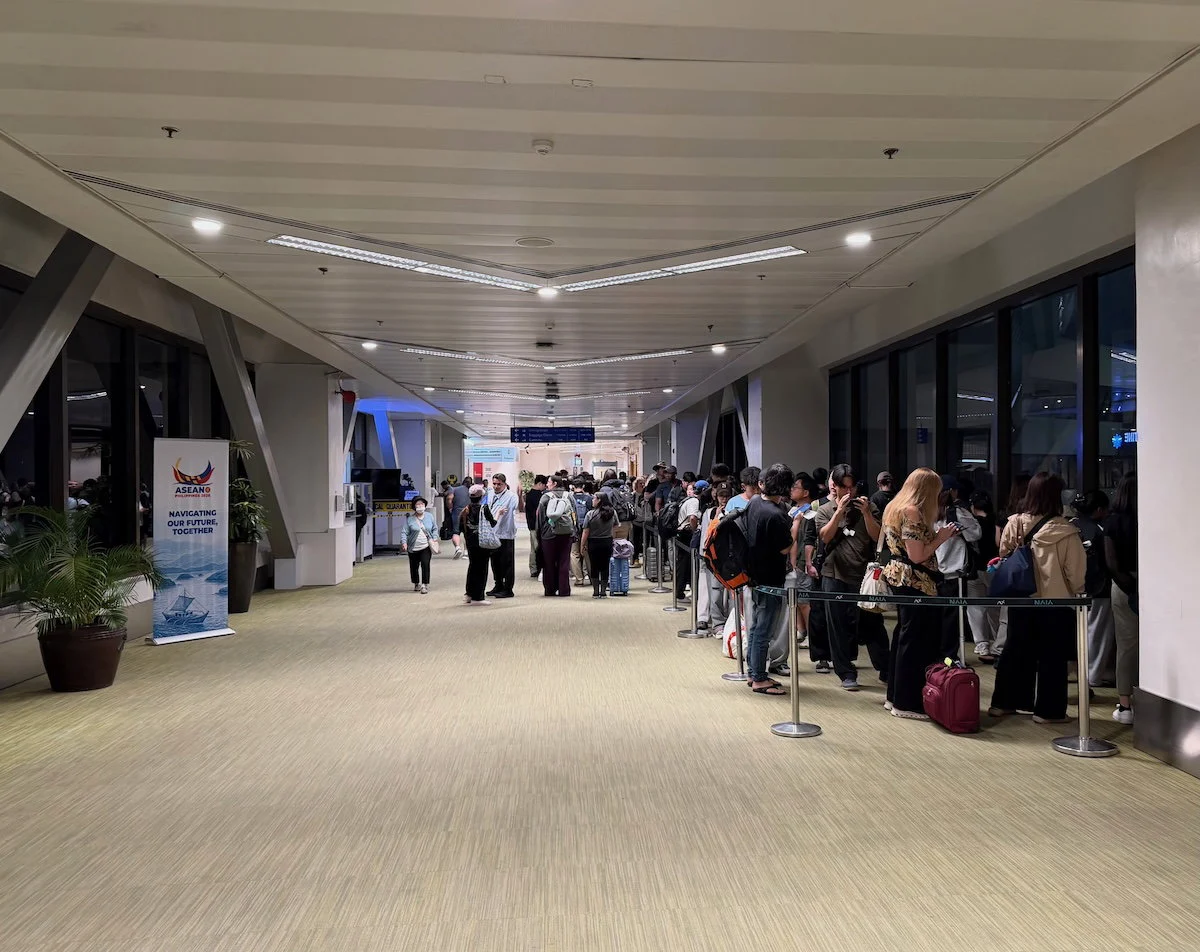
The modern aviation landscape places immense pressure on hub airports to deliver seamless transitions for international travelers, particularly as carriers expand their global footprints and compete for coveted Skytrax ratings. However, structural and operational bottlenecks at major facilities frequently undermine these efforts. Recent transit experiences at Ninoy Aquino International Airport (NAIA) Terminal 1 in Manila highlight the persistent challenges faced by international passengers, casting a spotlight on the friction points between airport infrastructure and airline-operated lounges. As Philippine Airlines pursues an aggressive international growth strategy centered on international transit passengers, the ground experience at its primary hub has emerged as a critical vulnerability in the carrier’s service delivery model.
Chronology of the Transit and Lounge Experience

The transit sequence for international passengers connecting through Manila International Airport’s Terminal 1 begins immediately upon deplaning. Historically plagued by complex terminal transfers—such as those requiring external bus rides between disparate facilities—recent itineraries involving arrivals and departures within Terminal 1 were expected to streamline the process. Instead, travelers encounter immediate congestion at the international transit security checkpoint.
Upon leaving the aircraft, passengers frequently join extensive queues that rival traditional immigration lines. Operational constraints at this checkpoint, characterized by limited screening lanes and minimal metal detector capacity, routinely extend processing times to roughly 40 minutes. Following security clearance, passengers face further physical hurdles, including traversing staircases with carry-on luggage due to the absence of elevators in the primary transit pathway, though wheelchair-accessible alternatives exist.
Upon clearing security, passengers attempting to locate the flagship Philippine Airlines Mabuhay Lounge encounter minimal and obscured directional signage within the concourses. Signage pointing toward general airline lounges leads travelers through a labyrinth of terminal corridors, requiring up to ten minutes of navigation. Access to the lounge itself involves aged elevator infrastructure. Upon entry, travelers frequently encounter severe capacity constraints during peak operational windows, leading to prolonged seating searches before navigating internal lounge amenities, Wi-Fi connectivity barriers, and continuous boarding announcements.

Infrastructure Deficiencies and Operational Bottlenecks
The operational shortcomings observed at Manila International Airport reflect broader systemic challenges within the facility’s legacy infrastructure. Transit security checkpoints operating with limited scanning equipment create artificial bottlenecks that disrupt the flow of connecting traffic. Industry standards dictate that hub airports aiming to capture lucrative international transfer markets must prioritize efficient security screening to maintain minimum connection times and passenger satisfaction.
Compounding these terminal-wide issues are specific limitations within the airline’s proprietary lounge environment. Data collected from recurring passenger interactions highlight critical infrastructure failures, including network incompatibilities that prevent foreign-issued laptop computers from connecting to the facility’s wireless network—a technical anomaly attributed by staff to regional device configurations. Furthermore, the acoustic management of the lounge presents significant challenges. Frequent, repetitive public address announcements regarding upcoming boarding calls—often repeated across multiple languages and lengthy verbal templates—deter from the functional purpose of a premium airport lounge, prompting passengers to seek refuge in the general terminal gate areas.

Context of Philippine Airlines and Hub Development
Philippine Airlines has increasingly focused its commercial strategy on capturing high-yield international transit traffic across Southeast Asia, Oceania, and North America. Fleet modernization efforts, including the anticipated introduction of advanced long-haul aircraft such as the Airbus A350-1000, are intended to position the carrier as a premier global competitor. However, an airline’s product offering is inextricably linked to the operational performance and infrastructure of its primary hub.
Ninoy Aquino International Airport has long faced scrutiny from international aviation bodies and traveler advocacy groups regarding capacity constraints, aging facilities, and sub-optimal passenger processing capabilities. While recent privatization initiatives and planned master-plan rehabilitations aim to modernize NAIA’s terminals, runways, and baggage systems over the coming decade, the interim passenger experience remains encumbered by decades of underinvestment. Airlines operating out of constrained hubs frequently face limited leverage in rectifying terminal-level inefficiencies, though lounge facilities remain within direct operational control.

Broader Industry Implications and Future Outlook
The friction experienced by travelers transiting through Manila underscores a wider challenge facing emerging global hubs: the alignment of ground infrastructure with premium airline ambitions. As carriers invest heavily in onboard product enhancements, premium seating, and digital service layers, the physical journey through the airport terminal often serves as the weakest link in the customer experience chain.
For Philippine Airlines, bridging the gap between its international aspirations and the realities of its Manila hub requires targeted coordination with airport authorities to address security throughput, wayfinding signage, and facility accessibility. Simultaneously, internal reviews of lounge management—spanning Wi-Fi reliability, seating capacity, and acoustic announcements—are essential to maintaining competitive parity with regional and global peers. As the aviation sector continues to recover and expand, passenger expectations regarding seamless multimodal transit will only intensify, placing mounting pressure on airports and airlines alike to deliver holistic service reliability.



 Lukman Taruna Persada Ramadan
 Anjar Salim
 Dwi Wanna
 Chandra Hamzah
 Gabriela Annisa