Cholid Fahmi Thalib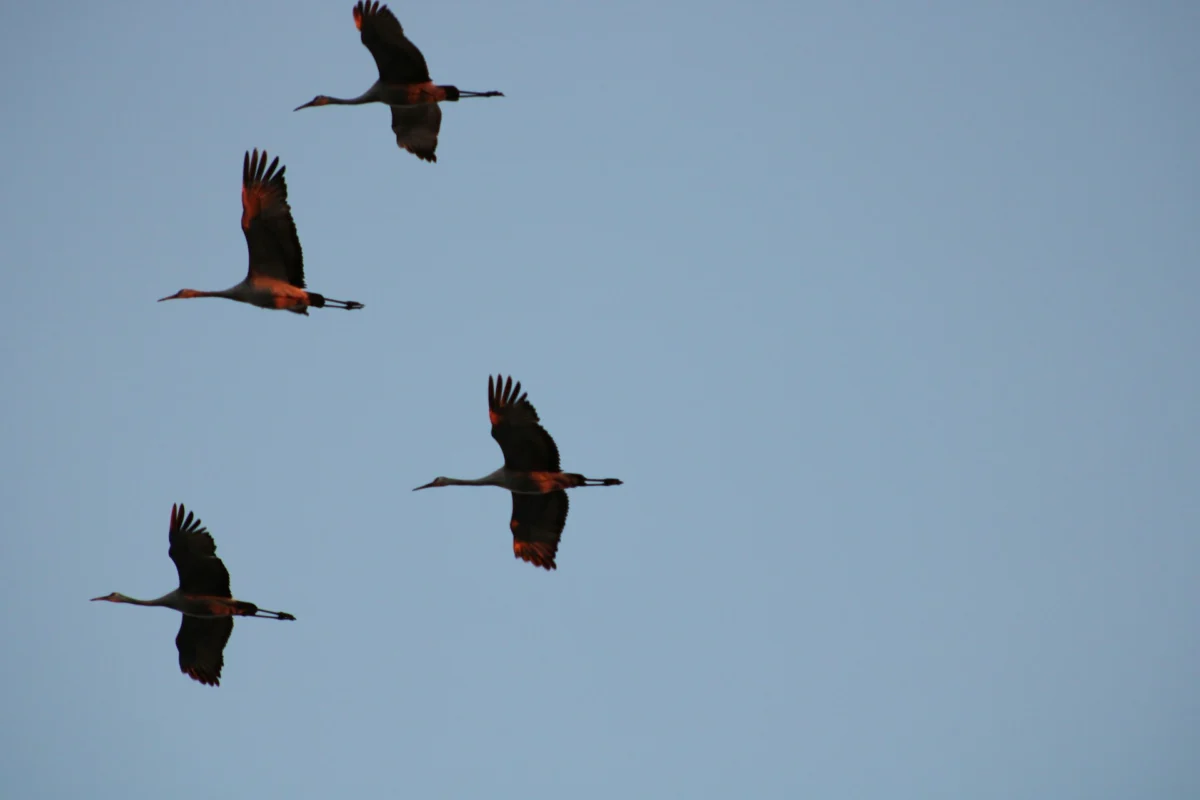
Nestled in the heart of North Central Florida, far from the bustling beach resorts and commercialized theme parks that typically define the Sunshine State’s tourism sector, Gainesville offers a distinctly different narrative. Shaped indelibly by the presence of a major research university, an intricate network of protected wetlands, and a deliberate community pace, this inland municipality has emerged as a compelling destination for cultural enrichment and ecological preservation. Rather than catering to the rapid itinerary of the traditional tourist, Gainesville invites visitors and urban researchers alike to examine the intersection of higher education, biodiversity, and sustainable municipal development.
A Century-Old Academic Engine: The University of Florida
The foundational pillar of Gainesville’s socio-economic and cultural identity is the University of Florida (UF). Established in its current location in 1906, the campus spans over 2,000 acres and operates as an autonomous civic ecosystem within the broader city limits. According to historical municipal records, the university’s growth directly mirrors the urbanization of Alachua County, transforming a modest regional seminary into a top-tier public research institution serving more than 60,000 students.
Architecturally, the campus presents a chronological cross-section of collegiate Gothic and modern brutalist design. The historic core features red-brick structures originally constructed in the early 20th century, juxtaposed against cutting-edge research facilities funded by state and federal grants. Beyond academics, UF serves as a primary driver for the regional economy, injecting billions of dollars annually into the local market through research expenditures, healthcare operations via UF Health, and cultural programming. Performance spaces, public art installations, and academic lecture series routinely draw regional and national audiences, cementing the institution’s role as the intellectual anchor of North Central Florida.
Preserving Environmental Legacy: Natural History and Geological Wonders
Gainesville’s commitment to scientific education and conservation is prominently displayed at institutions such as the Florida Museum of Natural History (FLMNH), located on the UF campus. Recognized as the official state museum of natural history, the facility houses millions of specimens spanning paleontology, archaeology, and ornithology. Institutional data highlights that the museum attracts hundreds of thousands of annual visitors, functioning as both an educational resource for K-12 school districts and an active center for biodiversity research.
A central attraction within the museum complex is the Butterfly Rainforest, a controlled outdoor-indoor exhibit housing hundreds of free-flying butterflies and tropical plants. Environmental scientists note that such exhibits play a critical educational role, raising public awareness regarding the vulnerability of subtropical ecosystems.
Complementing the museum’s indoor exhibits are the region’s unique geological formations, most notably Devil’s Millhopper Geological State Park. Formed through a massive karst sinkhole process over tens of thousands of years, the site plunges 120 feet deep into the earth. Descending the wooden staircase reveals exposed limestone layers that serve as a physical timeline of Florida’s geological history. Ecological surveys of the sinkhole indicate a microclimate capable of sustaining lush, northern-latitude vegetation rarely found in the surrounding flatlands, providing invaluable data for botanists and hydrologists studying aquifer recharge zones.
Urban Revitalization and Culinary Economics
While natural and academic institutions form the perimeter of Gainesville’s identity, downtown Gainesville acts as the city’s commercial and social nucleus. Over the past decade, municipal planning initiatives have prioritized downtown revitalization, encouraging a dense concentration of independent retail outlets, farm-to-table dining establishments, and cooperative workspaces.
Economic development reports from the Gainesville Area Chamber of Commerce indicate a steady upward trend in small business formation within the urban core. This commercial landscape relies heavily on locally sourced agricultural inputs, supported by a network of regional farmers markets. Furthermore, the diversification of downtown dining has accommodated modern urban trends, including the proliferation of specialized health-focused culinary services and alternative food delivery infrastructures that cater to the health-conscious student and professional demographic.
Urban planners attribute the success of downtown Gainesville’s commercial sector to strict zoning regulations that limit big-box retail encroachment within the historic district, thereby preserving architectural heritage and fostering pedestrian-friendly thoroughfares that host community events and live musical performances year-round.
Ecological Safeguards: Paynes Prairie and Sweetwater Wetlands
The city’s environmental ethos extends far beyond academic study into active municipal conservation, epitomized by Paynes Prairie Preserve State Park and Sweetwater Wetlands Park. Situated immediately south of the city limits, Paynes Prairie is a vast 21,000-acre basin designated as a National Natural Landmark. Historically a massive water body, the prairie experiences periodic cyclical drying, transforming into a savanna inhabited by American bison, wild horses, alligators, and hundreds of migratory bird species.
Conservation management teams, overseen by the Florida Department of Environmental Protection, utilize controlled burns and invasive species removal to maintain the prairie’s delicate ecological balance. Wildlife biologists emphasize that Paynes Prairie represents one of the few remaining intact inland prairie ecosystems in the American Southeast, serving as a critical habitat corridor for endangered fauna.
Complementing this natural expanse is Sweetwater Wetlands Park, an engineered 125-acre wetland created by the city of Gainesville in 2015. Designed primarily to improve water quality in the Alachua Sink and ultimately Florida’s Floridan Aquifer, the park filters millions of gallons of stormwater runoff daily. Municipal utility data demonstrates a significant reduction in nitrogen and phosphorus levels entering the regional watershed since the park’s inception. Simultaneously, the site has evolved into a premier destination for ecotourism, boasting extensive boardwalks that attract regional ornithologists and environmental researchers monitoring wetland restoration techniques.
Visual and Performing Arts Infrastructure
In addition to its scientific and ecological contributions, Gainesville maintains a robust cultural infrastructure supported by both the university and independent civic organizations. The Harn Museum of Art, situated within the UF Cultural Plaza, houses a permanent collection exceeding 11,000 works, with specialized focus areas in African art, Asian art, modern and contemporary art, and photography. Art historians and curators have frequently lauded the museum for its community outreach programs, which integrate local school curricula with global artistic perspectives.
For performing arts, the Curtis M. Phillips Center for the Performing Arts provides a world-class venue capable of hosting major theatrical productions, symphony orchestras, and international dance companies. Cultural economists point out that venues of this scale generate substantial secondary economic activity for local hospitality and dining sectors, drawing patrons from a multi-county radius.
Implications and Future Outlook
As mid-sized American cities grapple with the pressures of rapid population growth and climate change, Gainesville presents a unique case study in balanced urban development. The symbiotic relationship between the University of Florida, municipal conservation agencies, and local enterprise has insulated the city from the boom-and-bust cycles typical of tourism-dependent economies in coastal Florida.
Public policy analysts suggest that Gainesville’s focus on sustainable infrastructure—exemplified by its extensive network of protected wetlands, renewable energy initiatives by Gainesville Regional Utilities, and pedestrian-centric urban planning—serves as a viable model for regional resilience. By prioritizing ecological preservation alongside academic innovation, Gainesville demonstrates that inland municipalities can foster economic vitality without sacrificing their distinct cultural and environmental heritage.




 Budi Mulyono
 Susilo Edi Turonggo
 Walid Sujud Trenggono