Budi Mulyono
Recent developments across the commercial aviation, hospitality, and maritime sectors have highlighted critical operational updates for travelers, ranging from major domestic route expansions to subtle digital account management pitfalls and bizarre infrastructure incidents. As airlines continuously recalibrate their networks and digital security protocols evolve, passengers face an increasingly complex landscape of logistical considerations.
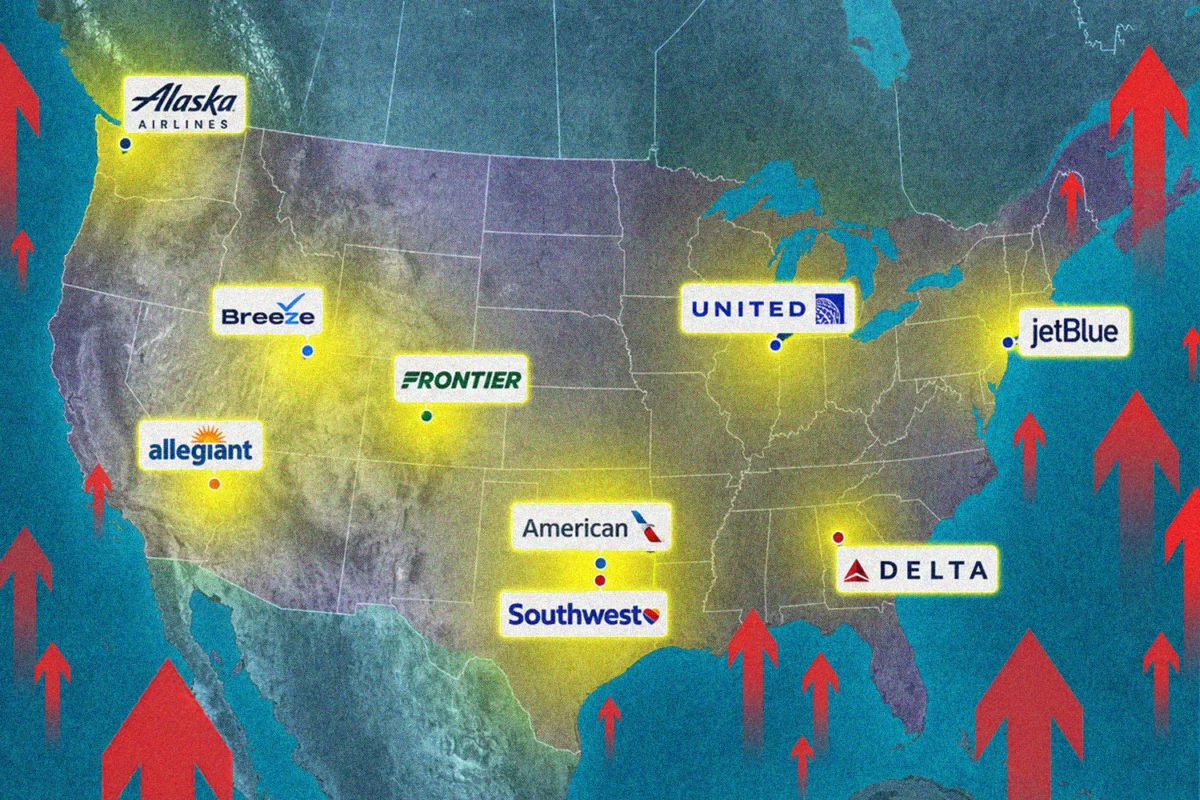
Delta Air Lines Expands Los Angeles Hub Operations
Delta Air Lines has announced a significant bolstering of its presence at Los Angeles International Airport (LAX), introducing new nonstop routes and heightened flight frequencies that promise to alter competitive dynamics in Southern California. The centerpiece of the expansion is a newly established nonstop service targeting a major transcontinental corridor currently dominated by a single competing carrier, thereby offering Southern California flyers a viable alternative. Additionally, Delta is rolling out a secondary California route slated for launch in the near future alongside increased frequencies to several key regional destinations.
This strategic growth underscores Delta’s long-term commitment to solidifying LAX as a premier Western gateway. Industry analysts note that by increasing capacity and introducing competitive nonstop alternatives on traditionally monopolized routes, the airline aims to capture a larger share of both corporate and leisure travelers originating from the Greater Los Angeles area. Despite these positive developments, regional travelers continue to voice concerns regarding service distribution, with frequent flyers expressing a desire for increased operational focus and expanded route offerings at alternative local facilities, such as Hollywood Burbank Airport.
Passengers holding existing reservations with Delta Air Lines have been strongly advised to review their itineraries immediately. Airline schedule adjustments—particularly those implemented over recent weekends—can significantly alter departure times, aircraft configurations, or routing. Travelers affected by these schedule modifications are encouraged to evaluate all available options rather than automatically accepting automated changes, as alterations often unlock eligibility for alternative routings or full refunds under current conditions of carriage.
Digital Account Management Risks: The Hidden Cost of Card Deletions
A newly highlighted vulnerability in digital loyalty and travel booking management has revealed how routine administrative housekeeping can inadvertently jeopardize future travel plans. The issue came to light following a routine account cleanup wherein a frequent traveler removed a canceled credit card from their online profile. Shortly thereafter, prepaid hotel reservations booked through the platform—scheduled months in advance—mysteriously vanished from the user interface.
Investigation into the incident confirmed that the reservations were not formally canceled by the properties or the booking engine; rather, the underlying payment profile disassociation severed the digital linkage between the user’s active account dashboard and the active itineraries. While reservations generally remain legally binding and active within the central reservation systems of the hotel brands, the loss of visibility can cause significant distress and operational confusion for travelers who rely on digital portals to manage their upcoming travel itineraries.
Financial and travel technology experts recommend that consumers exercise caution when purging expired, closed, or replaced payment cards from digital wallets, loyalty accounts, and third-party booking platforms. To mitigate the risk of administrative errors or vanishing itineraries, travelers should ensure that active reservations are properly migrated to alternative payment methods or documented with independent confirmation numbers before any profile modifications are executed.
Infrastructure Challenges and Unusual Maritime Developments
In addition to commercial aviation and hospitality updates, recent weeks have brought a series of bizarre and logistically challenging incidents across global transit infrastructure.
At the world’s busiest aviation hub, Hartsfield-Jackson Atlanta International Airport, ground operations were briefly disrupted by the unexpected presence of a small Cessna aircraft operating outside normal expectations, drawing scrutiny from aviation safety regulators. Simultaneously, an incident involving a Norwegian Cruise Line vessel, the Norwegian Jade, saw the ship unexpectedly break away from its docking facility in Alaska, highlighting potential vulnerabilities in maritime port mooring protocols under adverse environmental conditions.
Further compounding unusual transportation news, municipal authorities in Long Beach, California, are currently grappling with a protracted and costly logistical dilemma involving a decaying, Cold War-era Soviet submarine. The rusting vessel, which has long resided in the local harbor, presents significant financial and environmental burdens, with removal estimates projected in the millions of dollars. Local stakeholders and city planners are engaged in ongoing deliberations regarding the ultimate disposition of the submarine, balancing historical preservation interests against the substantial public expenditure required for its remediation or dismantling.
On a separate front, federal and local authorities are reviewing a complex legal and logistical case stemming from a missed airport gate change. What began as a routine missed connection escalated into a severe procedural breakdown, resulting in a 71-year-old traveler enduring an extended two-night incarceration due to miscommunication and identification discrepancies within airport security and law enforcement frameworks. Civil liberties advocates have pointed to the incident as an urgent reminder of the need for improved communication protocols between airport operators, airline personnel, and local law enforcement agencies when handling passenger disputes or logistical errors.
Broader Industry Implications and Recommendations for Travelers
The convergence of these events highlights the multifaceted challenges facing modern travelers. As airlines aggressively expand hubs and reconfigure flight networks, schedule volatility remains a persistent reality. Concurrently, the increasing digitization of travel management—while offering unprecedented convenience—introduces new vulnerabilities related to account security, data management, and platform integration.
Industry experts emphasize proactive management as the primary defense against travel disruptions and administrative oversights. Key recommendations for travelers include:
- Frequent Itinerary Audits: Travelers with advance bookings should regularly monitor their flight schedules and hotel reservations for unannounced modifications, schedule shifts, or digital synchronization errors.
- Careful Profile Maintenance: When closing financial accounts or updating digital wallets tied to travel profiles, users should verify that all associated active bookings retain their confirmation validity and are linked to active payment mechanisms.
- Comprehensive Documentation: Maintaining physical or offline digital copies of all reservation confirmations, ticketing details, and communications can prevent disruptions caused by temporary portal outages or accidental profile disassociations.
As the travel sector continues to navigate technological advancements and operational expansions, staying informed of both policy updates and logistical anomalies remains essential for ensuring seamless travel experiences.




 Gabriela Annisa
 Tatiana Tantri Indah Sari
 Chandra Hamzah