
 Budi Mulyono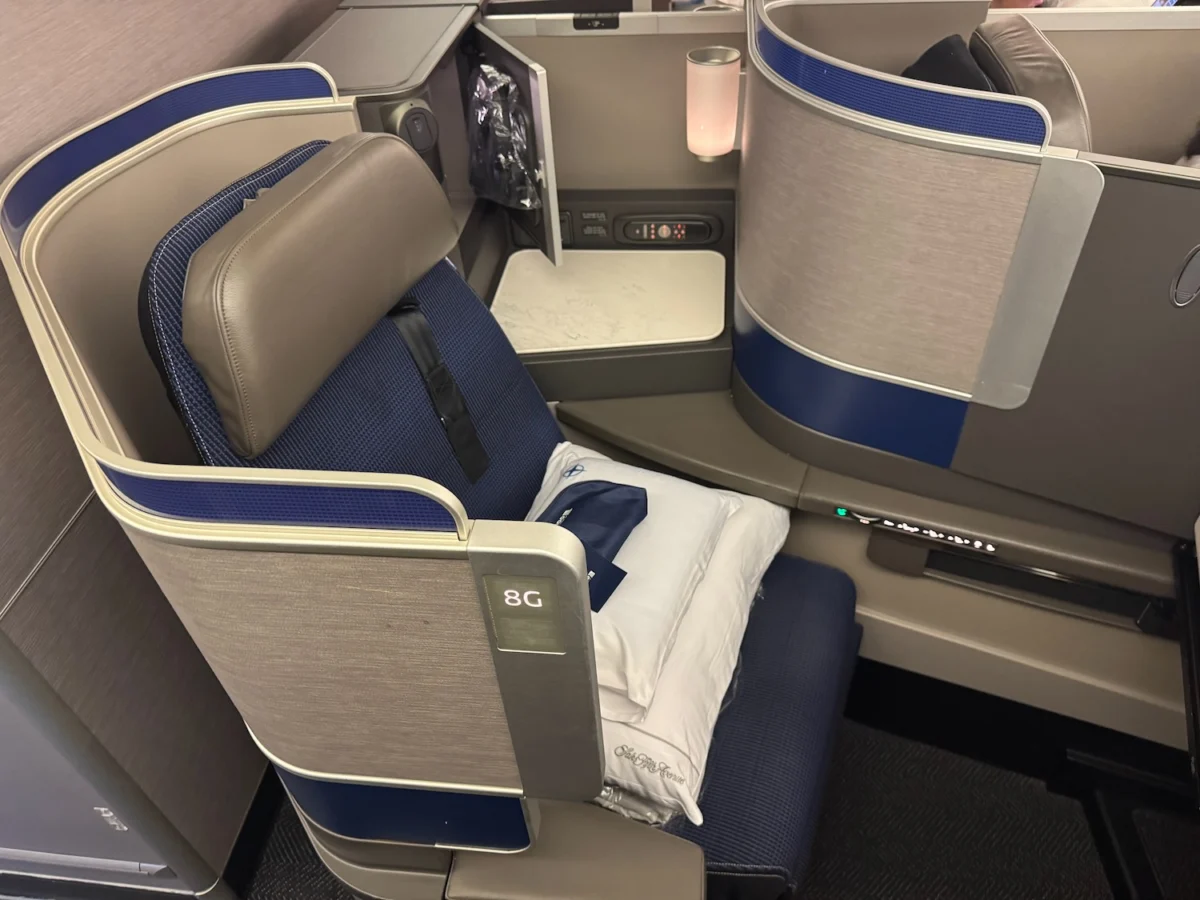
The global travel sector is undergoing a profound structural transformation, characterized by an unprecedented surge in demand for luxury and premium-class accommodations. While standard economy travel figures have largely stagnated or returned to predictable pre-pandemic patterns, the market for first-class flights, business-class seats, and five-star lodging is experiencing exponential growth. According to recent comprehensive data released by global travel service provider Trip.com, worldwide searches for first-class and business-class flight itineraries soared by 99 percent year-over-year during the first half of 2026. This stark bifurcation highlights a lasting shift in consumer priorities, with travelers increasingly willing to allocate discretionary funds toward comfort, extended durations, and personalized travel experiences rather than material possessions.
The widening chasm between the front and the back of the aircraft is no longer viewed as a temporary artifact of post-pandemic pent-up demand. Instead, aviation analysts and hospitality executives recognize this trend as a permanent baseline adjustment in consumer behavior. This evolution is reshaping airline fleet configurations, hotel developments, and cruise line deployment strategies worldwide, signaling a new era in global tourism economics.
Background Context and Evolution of the Premium Boom
To understand the current state of luxury travel, industry observers look back to the immediate aftermath of the COVID-19 pandemic. During 2022 and 2023, the global travel industry experienced a massive wave of revenge travel, where consumers across all economic brackets rushed to book vacations, regardless of cost. However, by late 2024 and 2025, that generalized surge began to cool. Analysts anticipated a return to traditional macroeconomic correlations, wherein luxury spending would contract alongside inflationary pressures.
Instead, the market diverged. The middle-income consumer adopted a more cautious approach, highly sensitive to rising airfares and hotel rates. Concurrently, a resilient demographic of high-earning consumers—bolstered by accumulated savings, asset appreciation, and a generational shift toward experiential spending over physical goods—continued to elevate their travel standards.
By 2025 and into 2026, this dynamic solidified into a structural split. Airlines and hospitality providers realized that their most reliable and lucrative revenue streams were originating from a distinct minority of passengers who generate an outsized share of corporate and leisure profits. Consequently, travel providers began accelerating investments tailored specifically to this affluent demographic.
Comprehensive Data and Key Findings from Travel Analytics
The empirical evidence supporting this structural shift is substantial. Trip.com’s mid-year market analysis provides quantitative benchmarks for the current travel landscape. Beyond the 99 percent year-over-year doubling of premium-class flight searches, the data reveals several telling shifts in consumer habits:
- Five-Star Hospitality Surge: Global searches for five-star hotel properties rose by 57 percent over the same period, significantly outpacing growth in the mid-scale and economy lodging sectors.
- Extended Trip Durations: Luxury travelers are committing to longer itineraries, with average trip lengths surpassing 14 days. This indicates a more time-rich demographic that prioritizes deep, immersive travel over short weekend getaways.
- Long-Haul Dominance: More than 40 percent of second-half premium bookings are concentrated on long-haul international routes, illustrating a strong willingness among consumers to invest heavily in comfort for extended journeys across oceans.
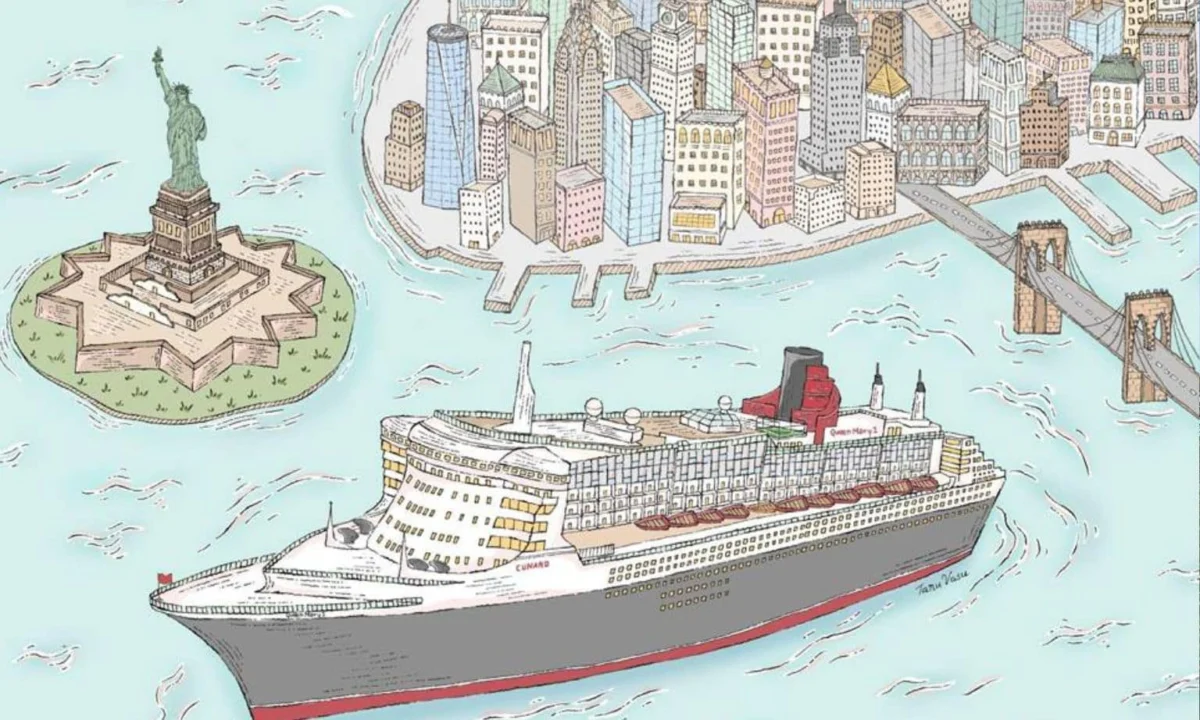
This trend is similarly reflected in the maritime sector. Luxury and expedition cruise operators report unprecedented financial yields. Demand for remote, high-end destinations such as Antarctica has surged. While standard-tier polar expeditions historically ranged from $11,000 to $14,000 per person, current baseline rates for edge-of-season departures now sit between $10,000 and $12,000, with prime-date and extended itineraries commanding anywhere from $17,000 to $25,000 per person.
Despite these steep price points, capacity is being absorbed rapidly. Major cruise conglomerates are responding aggressively: Royal Caribbean continues to expand its fleet with massive, city-sized vessels; MSC Cruises is rolling out new World Class ships; and ultra-luxury entrants like Explora Journeys are aggressively scaling their fleet sizes. Specialized operators, including Four Seasons and Orient Express, are introducing luxury yacht and rail experiences, while traditional lines are dry-docking ships specifically to engineer new penthouse-level suites.
Airline Fleet Reshaping and Strategic Adjustments
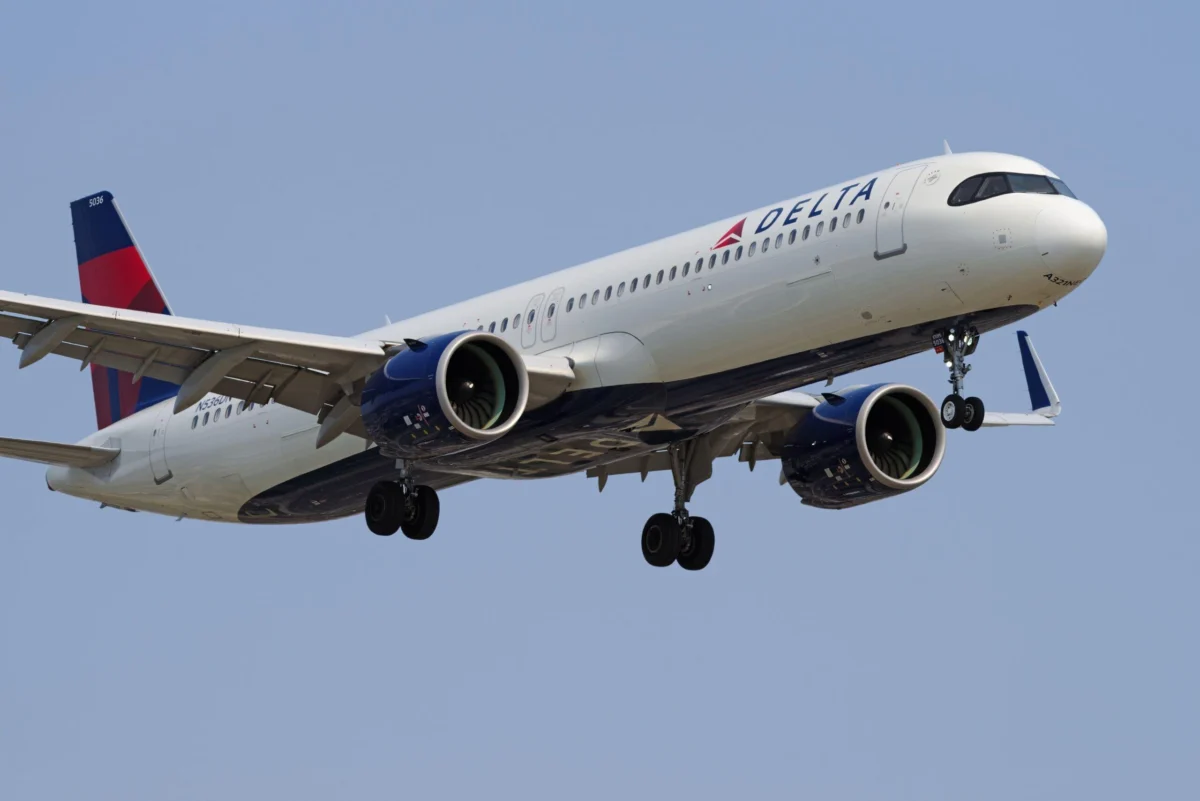
Major legacy carriers have recognized these economic realities and are systematically redesigning their aircraft cabins. Airlines such as Delta Air Lines, United Airlines, American Airlines, and their international counterparts have spent the past several years systematically increasing the square footage dedicated to business class and premium economy, while simultaneously trimming standard economy seating.
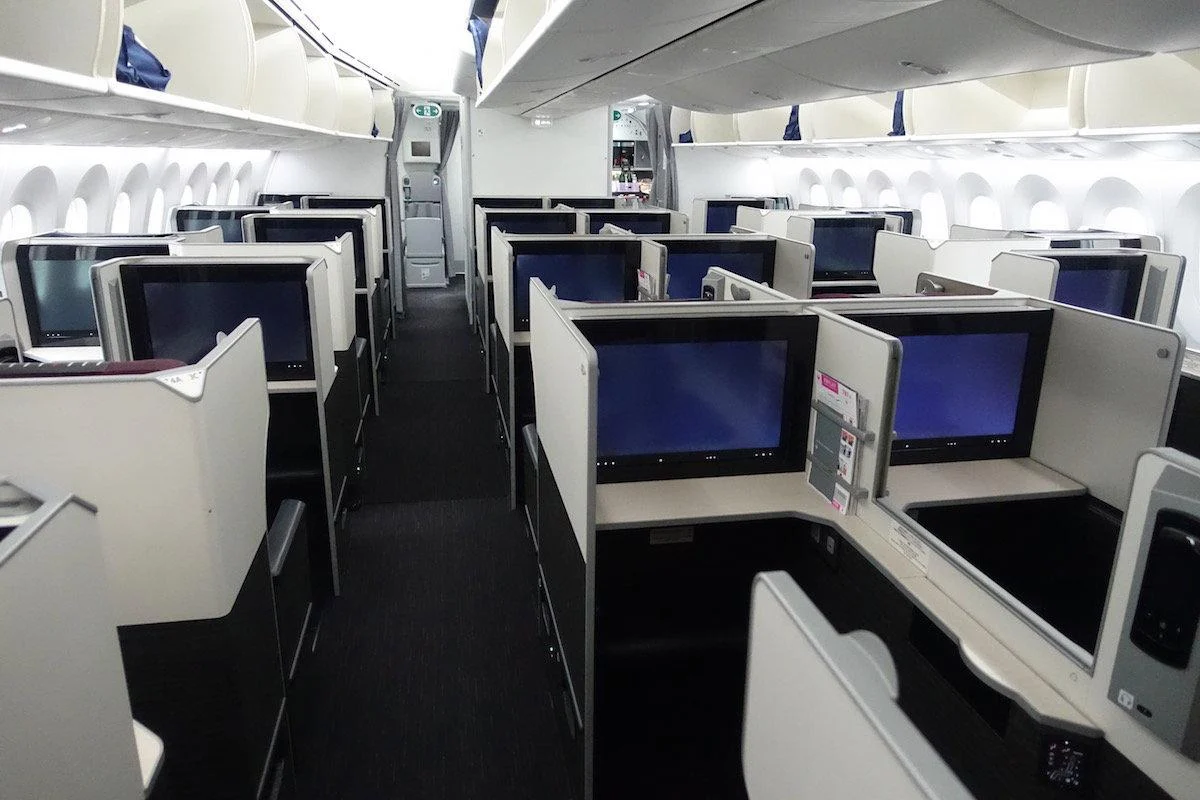
Historically, aircraft cabin layouts followed a predictable formula where premium cabins occupied only the foremost nose of the plane. Today, premium-heavy configurations frequently extend well past the aircraft doors and deep into the wing sections. This structural redesign reflects a fundamental pivot in airline revenue models. Rather than relying on high-volume, low-margin economy seats to fill every square inch of an airframe, carriers are maximizing yields per square foot by catering to the growing minority of passengers willing to pay top dollar for lie-flat seats, enhanced dining, and priority service.
Industry Stakeholder Reactions and Agency Perspectives
Travel agencies and corporate booking desks report firsthand alignment with the broader data trends. Frontline advisors note that client inquiries have evolved significantly over the past two years. Consultations rarely focus on identifying the absolute cheapest transatlantic connection; instead, travelers routinely inquire about the specific merits of competing business-class hard and soft products, weighing whether the financial or point-based upgrade is worth the investment.
In the hospitality sector, hotel operators observe that top-tier inventory consistently clears out first. Luxury suites and entry-level luxury boutique properties are experiencing minimal pricing resistance, even as standard four-star business hotels face slower booking windows. Properties that aggressively increased room rates heading into the peak travel seasons are encountering the least pushback from consumers, proving that high-end demand remains largely inelastic.
Implications for Loyalty Programs and Point Collectors
While the surge in premium demand signals robust health for airline and hotel balance sheets, it presents a complex challenge for frequent flyer loyalists and points enthusiasts.
In theory, an expanded inventory of business and first-class seats should create more opportunities for award redemptions. In practice, however, intense revenue demand is rapidly crowding out award availability. Airlines are deploying sophisticated yield-management algorithms that prioritize cash-paying customers, causing the best premium cabin award seats to disappear from booking calendars the moment they are released to the public.
Even with airlines stretching premium cabins across unprecedented sections of the aircraft, the sheer volume of cash-paying demand outpaces available award inventory. Consequently, loyalty program members are finding that the greatest value now resides in booking windows that open months in advance, or within airline and hotel programs that maintain fixed, predictable award charts rather than dynamic, demand-based pricing models.
Market Nuances and Analytical Caution
Industry analysts emphasize an important caveat when evaluating search data: spikes in search volume do not always equate to closed financial transactions.
Part of the dramatic year-over-year increase in premium-class searches may be driven by relative price comparisons. As base economy airfares have steadily climbed—fueled by rising operational costs, fuel price volatility, and high seasonal demand—some consumers are conducting exploratory searches to gauge the literal financial gap between a standard coach ticket and a premium seat. When economy fares for seemingly routine domestic or short-haul routes approach historical first-class thresholds, travelers frequently browse upper-cabin options out of sheer curiosity or frustration.
Nevertheless, even accounting for exploratory searches, the underlying trajectory of the travel market remains clear. The widening gap between standard travel and luxury experiences is cementing itself as the defining economic characteristic of the modern tourism industry. As airlines, hotels, and cruise operators continue to pivot their infrastructure toward high-net-worth and experiential travelers, the front of the plane—and the top tier of global hospitality—will undoubtedly continue to pull away from the rest of the market.

 Chandra Hamzah
 Gabriela Annisa
 Susilo Edi Turonggo
 Tatiana Tantri Indah Sari
 Walid Sujud Trenggono