
 Anjar Salim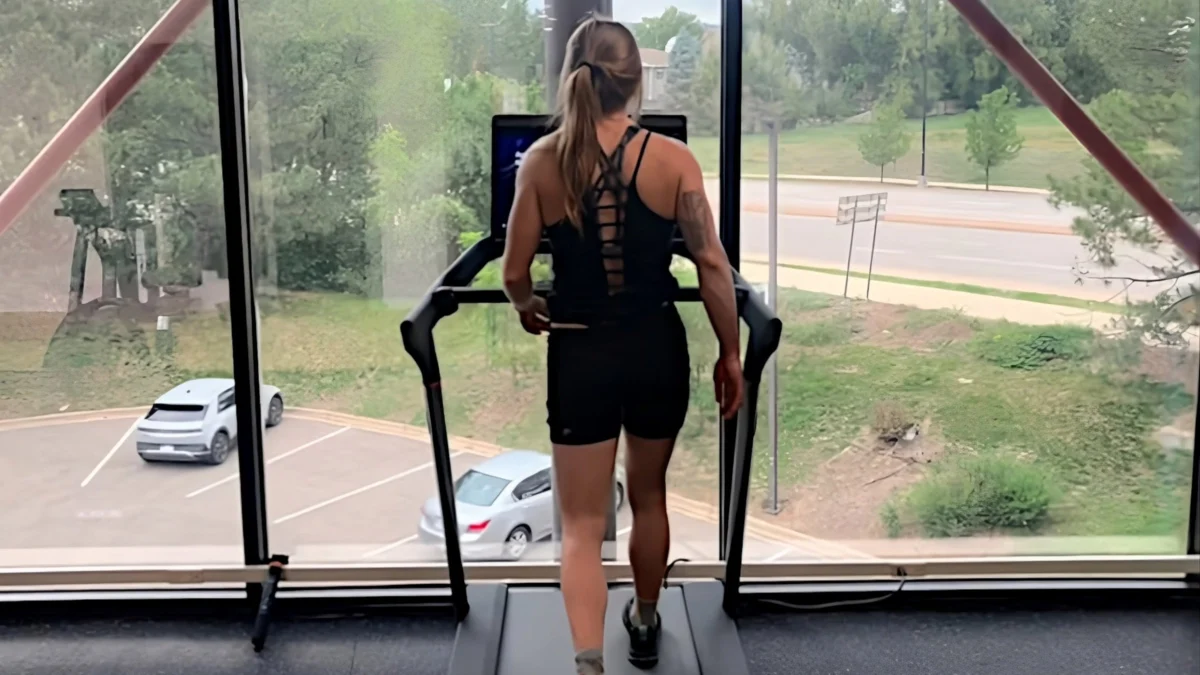
Published September 20, 2026, the investigation into biomechanical asymmetries highlights a growing shift in sports medicine toward movement pattern diagnostics. For many outdoor enthusiasts, chronic pain during long-distance treks is an accepted hazard of the trail. Persistent aches in the right hip, knee, or ankle—while the left side remains entirely unaffected—are frequently dismissed as standard fatigue or the inevitable toll of carrying a heavy pack. However, an increasing number of sports scientists, physical therapists, and athletic trainers argue that localized discomfort is rarely random. Instead, it is often the direct result of a faulty gait, an asymmetrical movement pattern that, over thousands of consecutive steps, compounds into chronic strain and injury.
The Mechanics of Movement: Understanding Gait Asymmetry
Gait refers to the distinct kinetic pattern an individual exhibits while walking, hiking, or running. Similar to handwriting, a person’s gait is a deeply ingrained signature shaped by years of muscle memory, learned movement shortcuts, minor historical injuries, and daily posture habits. While slight idiosyncrasies in movement are normal and typically benign over short distances, long-duration endurance activities amplify these deviations.
According to Dr. Steve Brown, an athletic trainer, chiropractor, and co-owner of the Boulder Sports Clinic in Colorado, minor imbalances accumulate exponentially over time. "The number-one predictor of injury is previous injury," Dr. Brown notes. "But the number-two predictor is asymmetry."
Biomechanical experts frequently compare the human body to an automobile out of alignment. A vehicle with misaligned wheels may track straight and feel normal during a short drive, but over thousands of miles, the mechanical imbalance causes accelerated, uneven wear and tear on the tires, steering components, and suspension system. Similarly, when a hiker unconsciously favors one side of their body or tilts slightly off-axis, the kinetic forces of locomotion are distributed unequally. Over thousands of strides on uneven terrain, these micro-imbalances place disproportionate stress on targeted joints, tendons, and ligaments.
A Diagnostic Case Study in Motion-Capture Technology
To understand how modern diagnostics address this issue, consider the diagnostic process utilized at specialized sports medicine clinics. Traditional remedies for unilateral lower-body pain—ranging from targeted single-leg strength exercises and physical therapy to foam-rolling, sports massage, and alternative bodywork—frequently fail because they address muscular strength rather than dynamic movement execution. Recognizing this limitation, medical professionals increasingly recommend a comprehensive gait analysis.
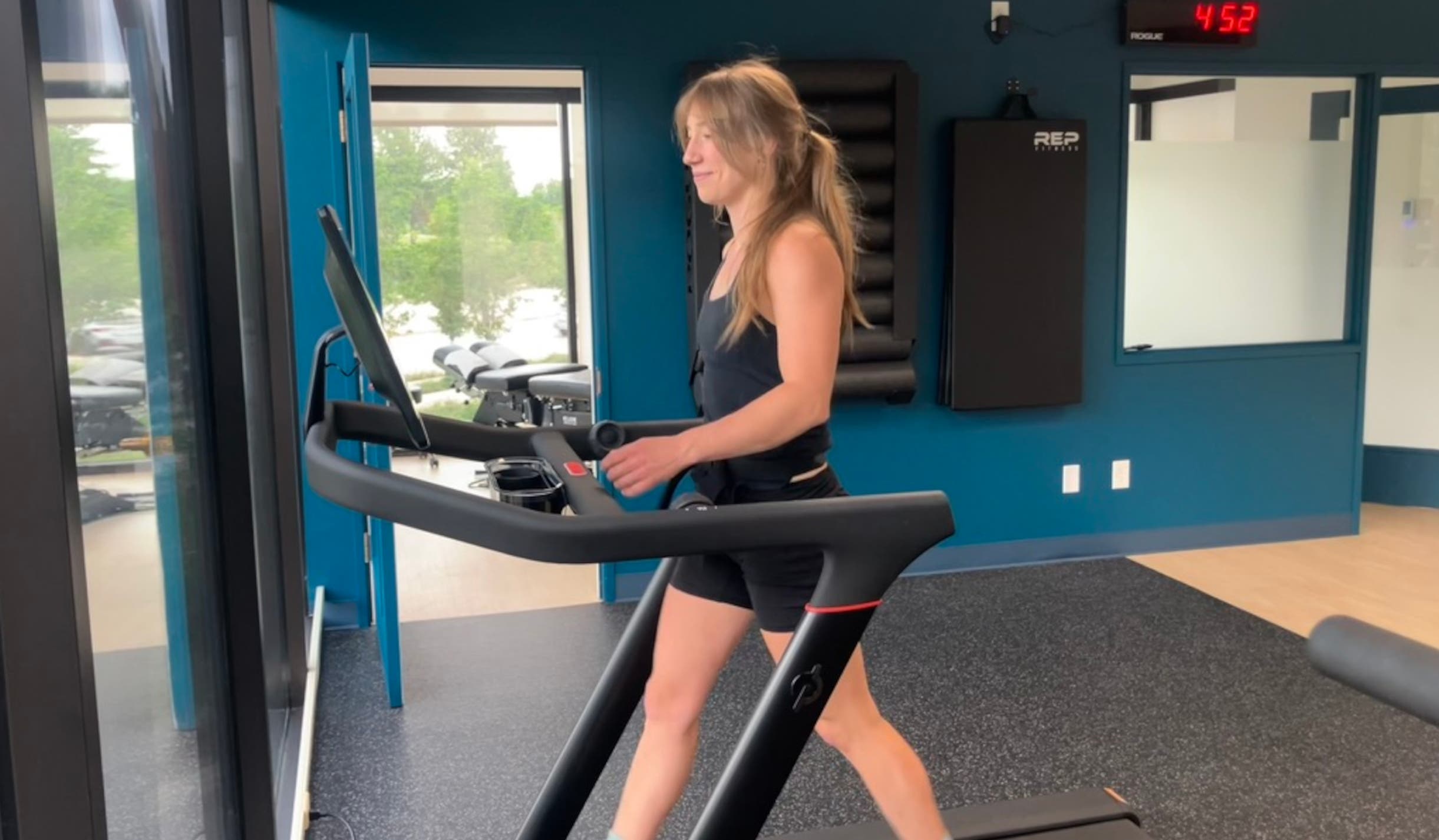
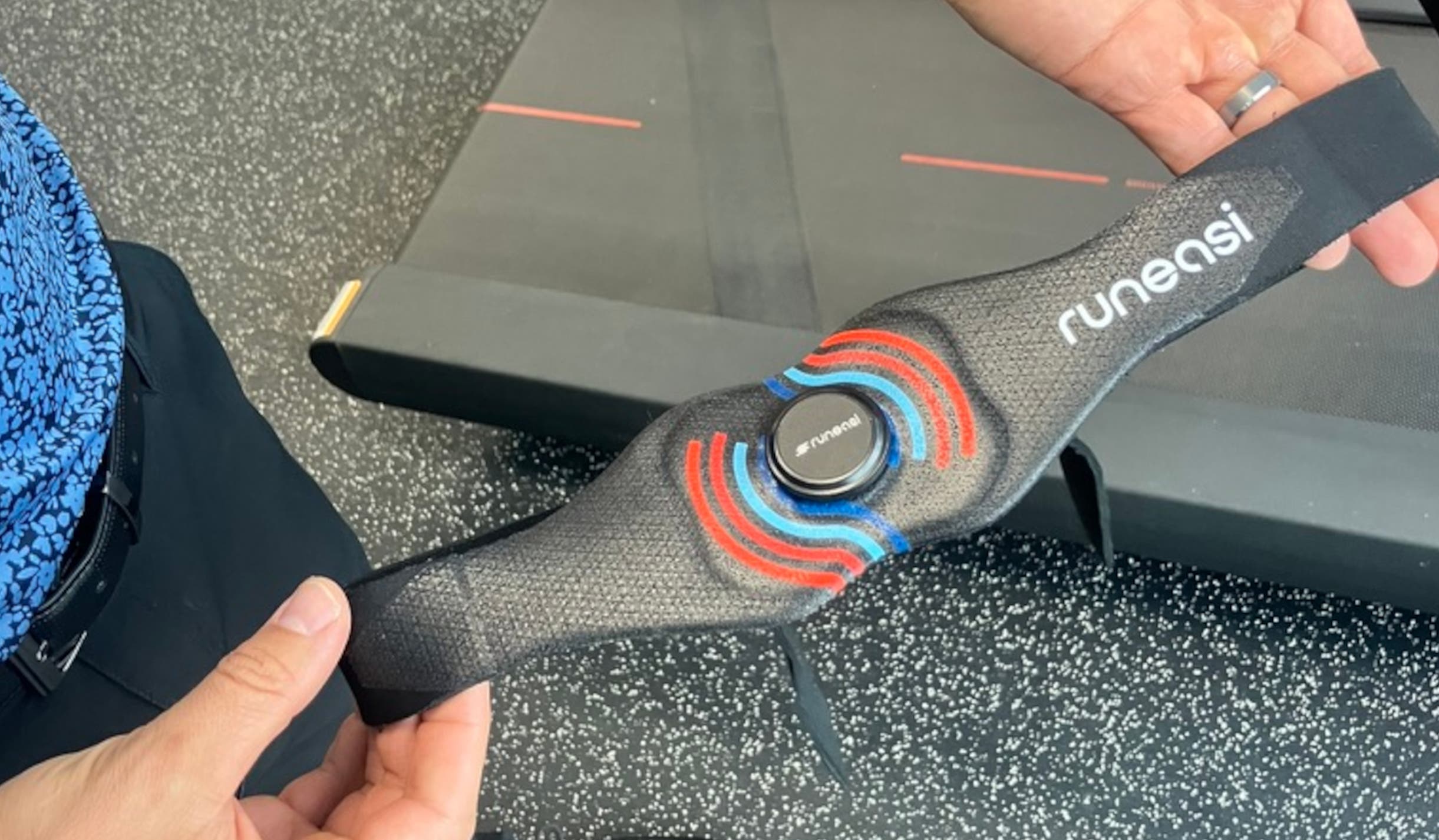
A clinical gait analysis moves far beyond the rudimentary visual assessments offered at retail athletic footwear stores. In a professional clinical setting, patients are outfitted with advanced motion-capture sensors, such as systems integrated with platforms like Runeasi. These lightweight sensors, typically secured via a hip belt, track real-time spatial metrics, including vertical displacement, pelvic rotation symmetry, and the exact force distribution of each leg stroke.
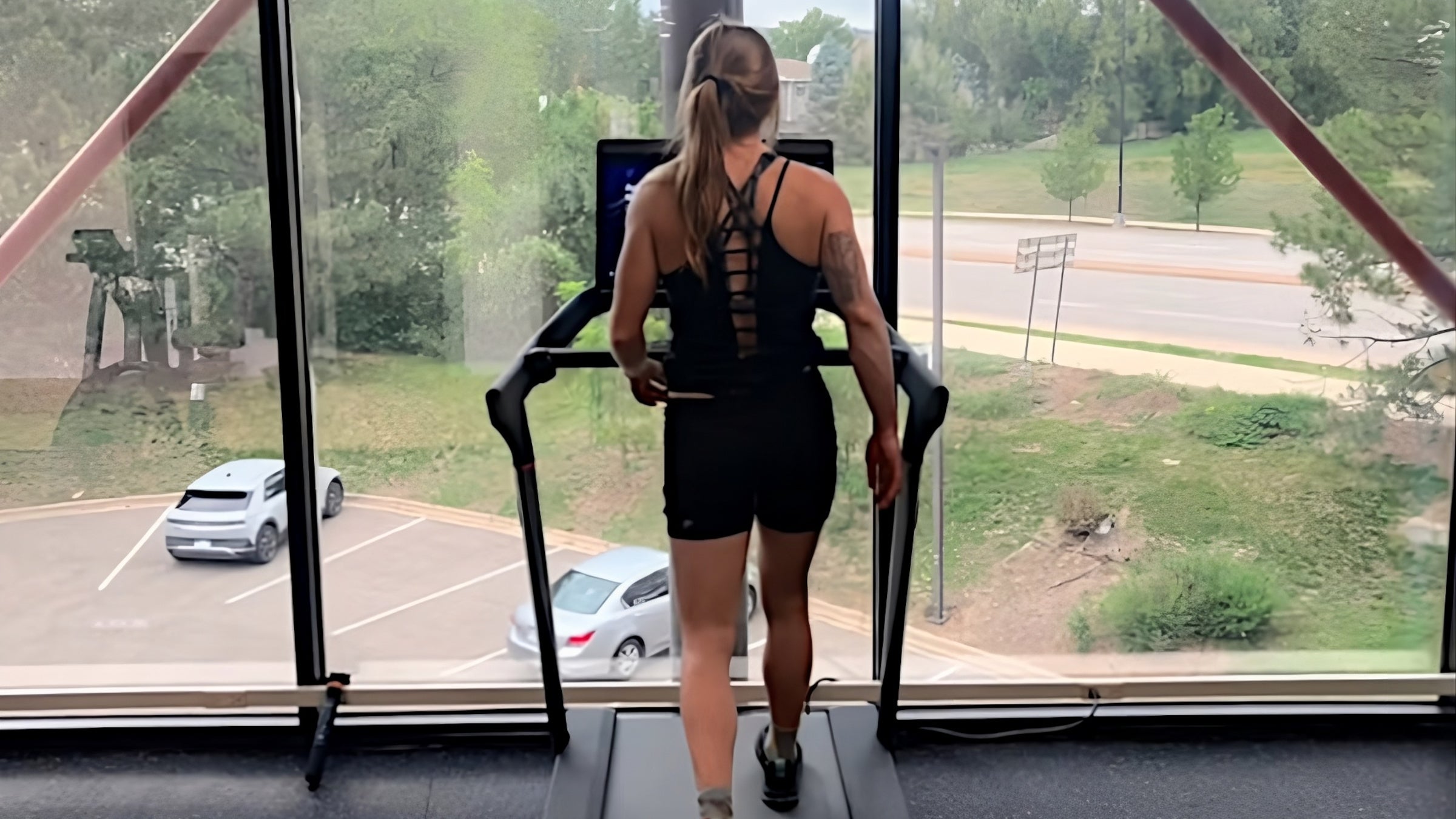
During a treadmill assessment conducted at a ten-percent incline, sensors measure the pistons of the lower limbs under load. In clinical evaluations of hikers presenting with unilateral symptoms—such as recurring right-sided plantar fasciitis, ankle stiffness, and hip aches—data frequently reveals a stark mechanical reality. Restricted mobility in one joint, such as a locked right hip, forces the torso into a compensatory, lateral lean. This postural shift drives substantially higher impact force into the dominant side with every stride, explaining why pain manifests exclusively on one half of the body.
Origins of Movement Imbalances and Compensatory Cascades
The development of a gait asymmetry is rarely attributed to a single, isolated event. While major acute traumas, such as a severe sprained ankle or a snowboarding crash, can permanently alter a person’s movement mechanics, many imbalances emerge from a cascade of minor, cumulative habits.
- Subconscious Pain Avoidance: The human nervous system is hardwired to avoid discomfort. If a muscle is strained during a gym workout, the body instinctively shifts the workload to adjacent muscle groups. This protective adaptation alters the kinetic chain, causing compensatory stress elsewhere in the body without conscious awareness.
- Repetitive Asymmetrical Tasks: Daily lifestyle habits heavily influence biomechanical baseline symmetry. Prolonged sitting postures, regularly driving with constant right-foot pressure on a gas pedal, or consistently carrying an infant on one specific hip systematically trains the nervous system to favor one side of the body.
- Lack of Corrective Cross-Training: Professional athletes engage in rigorous, structured programs designed to restore bilateral strength and mobility. Without targeted intervention, the average active adult gradually drifts toward pronounced physical asymmetry.
These compensatory patterns manifest in various ways, ranging from a visible limp to subtle postural adjustments that only sophisticated motion-capture software can accurately quantify.
Clinical Implications and Targeted Intervention Strategies
The broader implications of untreated gait asymmetries extend well beyond temporary trail soreness. Over time, persistent biomechanical imbalances are strongly correlated with chronic overuse injuries, including patellofemoral pain syndrome, iliotibial (IT) band syndrome, Achilles tendinitis, and lower back pathology.
When a patient undergoes a professional gait analysis, the objective of the physical therapist is twofold: identifying kinetic deficits and designing a targeted intervention protocol. As Dr. Brown explains, physical therapy is fundamentally about "figuring out what’s not moving enough and making it move—and figuring out what’s moving too much and reeling it in."
Treatment regimens following a diagnostic session are highly individualized. For patients suffering from restricted hip mobility, clinicians often employ targeted manual therapy, such as deep-tissue manipulation or myofascial release, to restore normal joint range of motion. However, clinical experts emphasize that manual adjustments provide only temporary relief unless paired with an active neuromuscular retraining program. Patients must commit to specific stretching, mobility, and unilateral strengthening routines to re-educate the nervous system and maintain structural alignment during high-load activities like backpacking.
Accessing Gait Analysis: Options and Financial Investment
For active individuals seeking to evaluate their own movement patterns, diagnostic options vary widely in scope, technology, and cost:
- Retail Visual Analysis: Many specialty running and outdoor gear stores offer complimentary visual gait assessments. While lacking precision sensors, store associates can observe stride patterns, pronation, and foot strike mechanics to recommend appropriate footwear. This serves as an accessible entry point for beginners.
- Clinical Biomechanical Analysis: For persistent, unilateral pain that has failed to resolve through standard conditioning, specialized physical therapy clinics provide advanced evaluations. Utilizing accelerometers, high-speed video capture, and specialized software, these sessions are conducted by licensed physical therapists or sports medicine doctors.
- Cost and Time Investment: Comprehensive clinical gait evaluations typically range from $100 to $400 depending on the technological complexity and regional market. A standard 60-minute diagnostic session averages approximately $280, encompassing data collection, immediate manual treatment, and a customized corrective exercise prescription.
As sports science continues to bridge the gap between elite athletic training and recreational outdoor pursuits, tools like gait analysis offer a data-driven path forward for hikers seeking to transition from managing chronic pain to achieving long-term, symmetrical performance on the trail.



 Chandra Hamzah
 Susilo Edi Turonggo
 Tatiana Tantri Indah Sari
 Walid Sujud Trenggono
 Cholid Fahmi Thalib