
 Susilo Edi Turonggo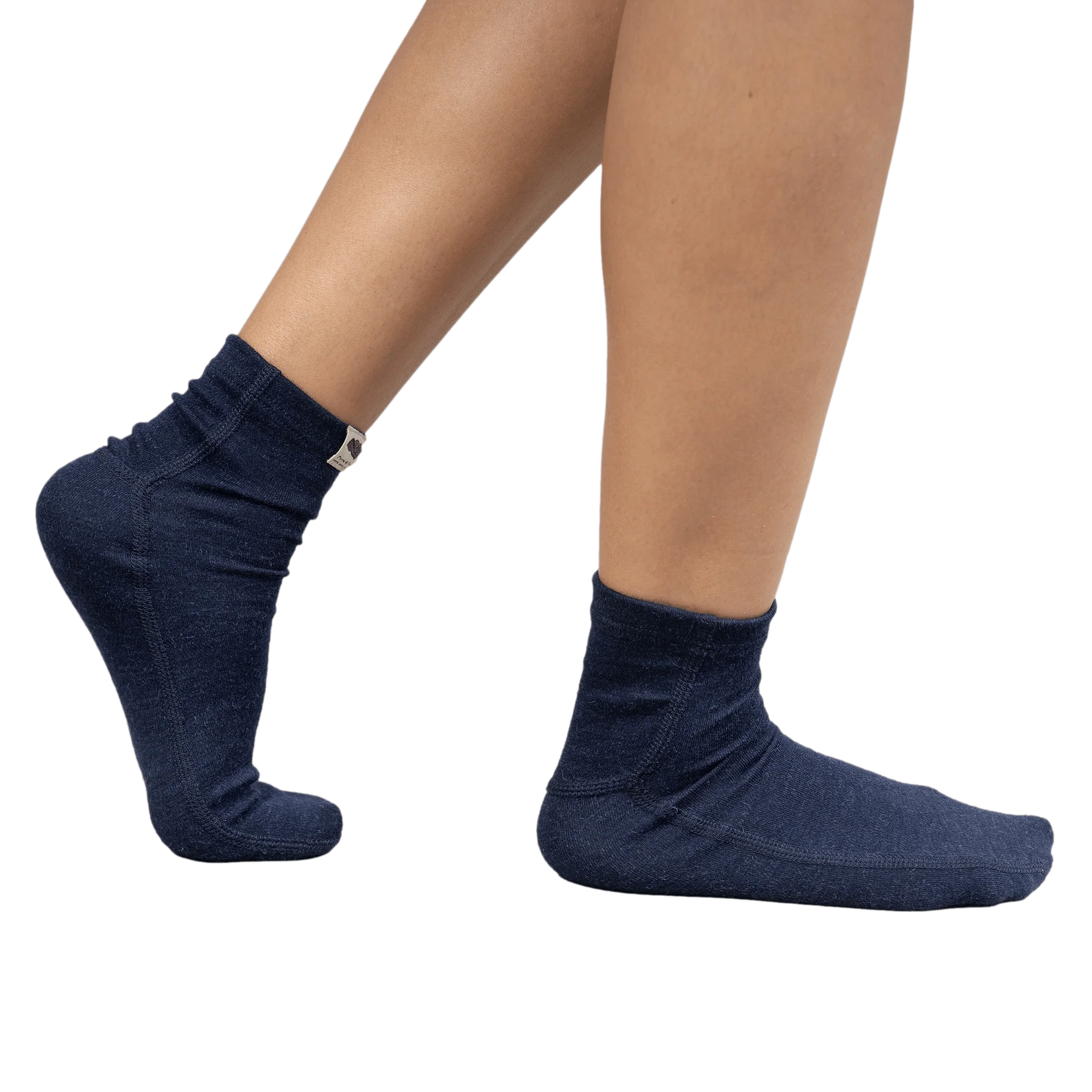
Socks are frequently the most overlooked component of a daily wardrobe, yet they represent a significant point of continuous contact between the human body and industrial textiles. While often viewed as a commodity item, the modern sock industry relies heavily on synthetic polymers and chemical dyes that may pose latent health risks to consumers. Recent dermatological and environmental research suggests that the transition toward natural fibers and transparent, non-toxic manufacturing processes is no longer merely a preference for sustainable shoppers, but a vital health consideration for those prone to skin sensitivities or systemic chemical exposure.
The Chemical Reality of Modern Hosiery
The prevalence of plastic-based materials in footwear is largely driven by the demand for durability, elasticity, and low-cost production. However, the reliance on polyester, nylon, and elastane comes with significant trade-offs. Beyond the well-documented issue of odor retention—caused by the way synthetic fibers trap bacteria rather than wicking moisture away from the skin—the chemical finishing processes present more profound concerns.
A primary area of focus for health advocates is the use of azo-benzene disperse dyes. These compounds are frequently employed in the textile industry to color synthetic fabrics. Peer-reviewed research, including studies referenced by the National Center for Biotechnology Information (NCBI), has highlighted that these dyes act as potent skin sensitizers. When combined with sweat, these chemicals can be absorbed through the dermal layer, leading to contact dermatitis or more severe systemic reactions. Furthermore, certain azo dyes are categorized as carcinogenic. Because socks are worn in high-friction, high-moisture environments, the rate of chemical absorption is theoretically accelerated compared to other articles of clothing.
The Evolution of Textile Standards and Certification
The shift toward safer hosiery is supported by an evolving framework of global certifications designed to mitigate consumer exposure to harmful substances. The Oeko-Tex Standard 100, for instance, has become a benchmark for the industry, ensuring that every thread and button has been tested for a wide range of regulated and non-regulated harmful substances. Similarly, the bluesign system focuses on the elimination of hazardous chemicals from the very beginning of the manufacturing process, rather than testing the finished product alone.
Historically, the textile industry operated with limited oversight, prioritizing cost-efficiency over consumer health. The last decade has seen a shift as supply chain transparency has moved from a fringe concern to a central pillar of corporate responsibility. Consumers are increasingly scrutinizing labels for certifications like the Responsible Wool Standard (RWS), which prohibits the practice of mulesing—the surgical removal of strips of wool-bearing skin from around the breech of a sheep to prevent flystrike. This movement is not just about animal welfare; it is emblematic of a broader push for integrity in the supply chain that ensures both environmental and human safety.
Material Science: Natural Fibers vs. Synthetic Blends
To address these concerns, manufacturers are increasingly returning to natural fibers. Merino and alpaca wool are currently experiencing a resurgence in the hosiery market. These fibers offer natural moisture-wicking properties and inherent antimicrobial characteristics, which reduce the need for harsh chemical treatments. Organic cotton, Tencel (a wood-pulp-based fiber), and linen provide breathable alternatives, though they often require small percentages of synthetic elastane to maintain shape and comfort.
Finding a 100% synthetic-free sock remains a significant challenge for the industry. Brands such as Cottonique and Arms of Andes have distinguished themselves by engineering products that rely entirely on natural fibers, catering specifically to individuals with severe latex allergies or chemical sensitivities. For the average consumer, however, the industry standard involves a hybrid approach, where natural fibers are prioritized for their surface contact, while minimal synthetic content is utilized to enhance the longevity of the garment.
Key Market Players and Manufacturing Transparency
The landscape of responsible hosiery production is diverse, ranging from small-scale domestic manufacturers to global B Corp entities. A breakdown of industry leaders reveals distinct approaches to sustainability and health:
-
Harvest & Mill: Operating with a hyper-local model, this brand prioritizes unbleached, dye-free organic cotton. By focusing on domestic supply chains in the United States, they significantly reduce the carbon footprint associated with transport and eliminate the chemical variables introduced by complex, multi-national manufacturing processes.
-
Paka: By utilizing alpaca wool, Paka leverages the superior thermal regulation of high-altitude fibers. Their commitment to B Corp standards and the use of Oeko-Tex-certified dyes demonstrates a dual commitment to performance and safety.
-
Cottonique: As a specialized manufacturer, Cottonique provides a clinical-grade solution for those with severe sensitivities. Their focus on eliminating latex and bleaching agents highlights the importance of the medical-textile interface in the consumer market.
-
Darn Tough: Representing the performance end of the spectrum, this Vermont-based company demonstrates that high-performance, durable outdoor gear can be achieved through rigorous testing protocols and adherence to restricted substance lists (RSL).
-
Subset and Kotn: Both brands emphasize the importance of Fair Trade certification. By ensuring that the laborers in their supply chains are treated equitably, these companies reduce the likelihood of corner-cutting in the manufacturing process—such as the use of prohibited chemicals—which often occurs in unregulated or opaque facilities.
The Economic and Environmental Implications
The transition toward non-toxic hosiery has broader implications for waste management and the circular economy. The packaging of small items like socks has historically been a major source of single-use plastic pollution. Leading brands are now shifting toward FSC-certified recycled paper and compostable materials. This shift is not merely aesthetic; it reflects a systemic recognition that the environmental impact of a product encompasses its entire lifecycle, from the raw fiber harvest to the final disposal of the packaging.
From a consumer standpoint, the economic argument for higher-quality, non-toxic socks is based on the cost-per-wear metric. While organic, responsibly manufactured socks may carry a higher upfront price point compared to mass-produced synthetic alternatives, the durability of natural fibers often results in a longer product lifespan. Furthermore, the potential savings in medical expenses related to skin conditions and the long-term health benefits of avoiding chemical exposure provide a compelling justification for the initial investment.
Future Outlook and Industry Trajectory
The trajectory of the hosiery industry is increasingly moving toward "radical transparency." Regulatory bodies, particularly in the European Union and parts of North America, are beginning to enforce stricter guidelines regarding supply chain traceability. Brands that do not disclose their manufacturing partners or that fail to provide evidence of chemical safety testing will likely face increasing pressure from both regulators and a more informed consumer base.
For the modern consumer, the "sock test" is becoming more rigorous. It is no longer enough for a product to look good or feel soft; it must satisfy a checklist of health and environmental requirements. As we look to the future, the integration of blockchain-based supply chain tracking and advanced molecular testing for textile chemicals will likely become the standard for premium hosiery.
In conclusion, the decision to invest in non-toxic, responsibly sourced socks is a reflection of a growing awareness of the interconnectedness between personal health and environmental health. By choosing materials that are inherently safe and supporting manufacturers who prioritize transparency and ethical standards, consumers can exercise influence over an industry that has for too long operated in the shadows. Whether for the daily commute or for athletic performance, the socks we choose to wear are a fundamental, yet often overlooked, extension of our commitment to a healthier, more sustainable lifestyle. The shift toward better hosiery is a clear indicator that even the smallest components of our lives are ripe for meaningful, positive change.



 Tatiana Tantri Indah Sari
 Walid Sujud Trenggono
 Cholid Fahmi Thalib
 Budi Mulyono
 Chandra Hamzah