
 Chandra Hamzah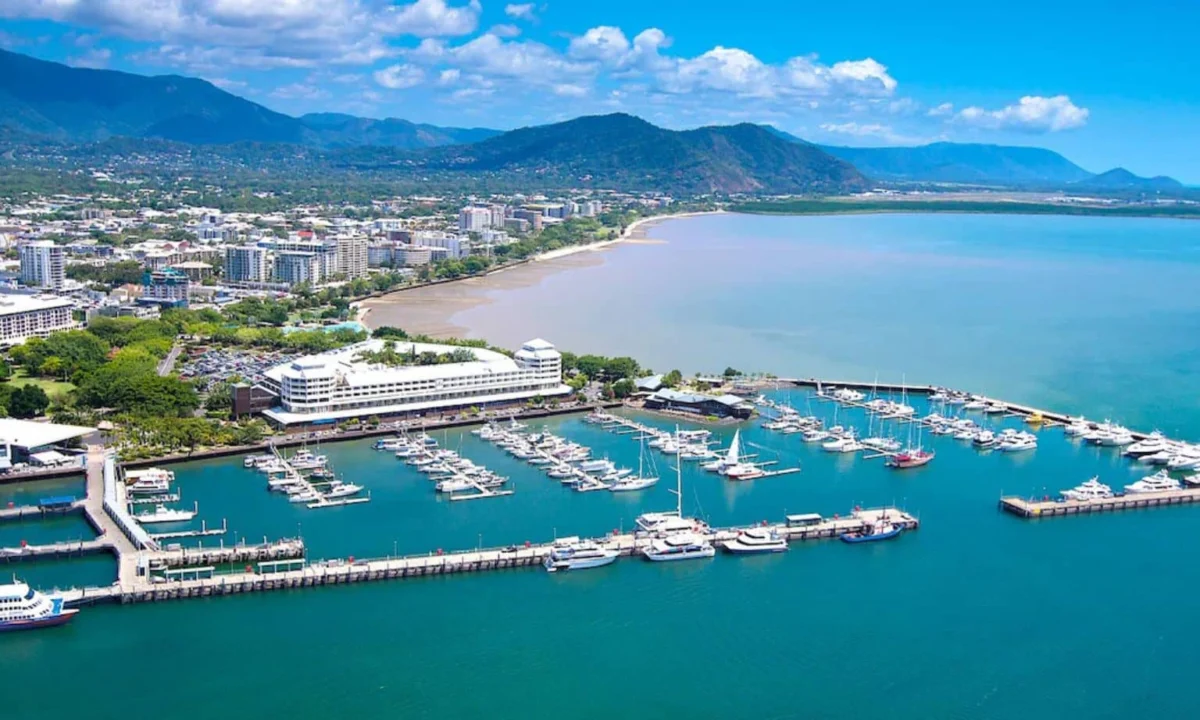
The Port of Cairns is currently navigating a period of significant logistical instability, as ongoing challenges with channel depths continue to force major cruise lines to alter their scheduled itineraries. The latest development involves the Carnival Encounter, which has been forced to cancel an overnight stay in the tropical Queensland port. This disruption highlights a growing tension between the city’s ambitions as a premier cruise destination and the physical limitations of its aging maritime infrastructure, which requires constant maintenance to accommodate the modern generation of deep-draft vessels.
Chronology of Recent Maritime Adjustments
The decision to truncate the Carnival Encounter’s visit serves as the most recent example of how environmental and maintenance factors are dictating tourism outcomes in Far North Queensland. Originally slated for an overnight stay beginning September 29, the vessel will now depart on the evening of the 29th rather than remaining in port until the following day.
This follows a series of similar adjustments throughout September. Earlier in the month, the Carnival Splendor faced significant operational hurdles when it was forced to tender passengers from Yorkeys Knob—a location further north—rather than docking directly at the Cairns Cruise Liner Terminal. Reports from the ground, including accounts shared by the maritime advocacy group Voyage Ready, described a scene of significant passenger frustration. Massive queues for tenders reportedly persisted well beyond the ship’s scheduled 4:00 PM departure, underscoring the logistical friction caused when cruise lines are forced to bypass the primary dock.
The Engineering Challenge: Dredging and Bed Levelling
At the heart of these disruptions is the complex task of maintaining the Port of Cairns’ navigational channels. Ports North, the government-owned corporation responsible for the port’s management, has been engaged in a delicate balancing act to ensure the safety of large vessels.
A spokesperson for Ports North confirmed that the port historically carries out an annual maintenance dredging campaign. However, the current sediment accumulation appears to have exceeded the capacity of standard operations, necessitating more aggressive intervention. "The Port of Cairns has historically undertaken an annual maintenance dredging campaign in the main channels to maintain adequate depths for deep-draft vessels," the spokesperson stated.
In response to the current crisis, Ports North has deployed several mitigation strategies, including bed levelling in the most severely affected areas. Furthermore, the organization is actively exploring alternative dredging methodologies and has moved to expedite the 2026 dredging campaign to address the backlog. Despite these efforts, the current window for dredging operations is expected to extend through November, meaning that cruise operators may face continued uncertainty for the remainder of the peak season.
Carnival Cruise Line’s Operational Response
For Carnival Cruise Line, the priority has shifted from maintaining fixed itineraries to ensuring the safety of passengers and crew under increasingly restrictive tidal windows. In a formal communication to guests aboard the Carnival Encounter, the line explained the rationale behind the itinerary change: "Current channel depths and forecasted tidal levels are expected to affect the ship’s ability to safely depart Cairns at the originally scheduled time on Wednesday, 30 September. Because the safety of everyone on board is always a priority, we have revised the itinerary to take advantage of more favourable tidal conditions the evening before."
To compensate for the loss of the second day in Cairns, the ship has been redirected to Townsville. This shift creates a secondary logistical challenge: the redistribution of passenger shore excursions. Carnival has indicated that affected guests will have their excursions moved to the first day where capacity allows, or receive a full refund if the activity cannot be accommodated. Such measures, while standard in the cruise industry, underscore the financial and administrative strain placed on cruise operators when port access is compromised.
The Broader Economic and Tourism Implications
The recurring nature of these port access issues poses a significant question for the future of Cairns as a Tier-1 cruise destination. Cairns relies heavily on the cruise industry for seasonal tourism revenue, with thousands of passengers contributing to local retail, hospitality, and tour operations each time a vessel docks.
When a ship is forced to bypass the port or cut its stay short, the local economic ripple effect is immediate. Small businesses that rely on the arrival of large passenger volumes for their daily revenue are particularly vulnerable to these sudden changes. Moreover, the reputation of the port among major international cruise lines is a critical factor in future itinerary planning. If lines like Carnival, Princess, or Holland America perceive Cairns as a "high-risk" port due to depth issues, they may prioritize other regional destinations, such as Airlie Beach or Port Douglas, for future seasonal deployments.
Looking Ahead: The October Schedule and Beyond
As the industry looks toward the remainder of the year, the spotlight remains on the port’s ability to facilitate safe passage for larger vessels. The next significant test for the port’s accessibility is slated for late October. The Carnival Luminosa is scheduled for a visit on October 28, followed by the Crown Princess on October 29.
Industry analysts are closely monitoring these dates, as they represent the arrival of some of the larger vessels currently operating in the South Pacific. While smaller expedition-style vessels are generally less affected by the current depth restrictions, the economic viability of the port is tethered to the presence of the "mega-ships."
The upcoming list of expected arrivals includes notable vessels such as the Noordam and the Grand Princess. The ability of the Port of Cairns to accommodate these ships will serve as a bellwether for the efficacy of the current dredging and bed-levelling operations. Should the depth constraints persist, the cruise industry may be forced to adopt a more permanent "contingency-first" approach to their Queensland itineraries, potentially leading to fewer guaranteed overnight stays and more reliance on outer-port tendering—a scenario that neither passengers nor local tourism operators find ideal.
Analysis: A City at a Crossroads
From an infrastructure perspective, the current situation highlights the inherent risks of relying on legacy port systems in an era of rapidly increasing cruise vessel dimensions. Modern cruise ships are being built with deeper drafts and larger footprints, while the natural siltation patterns of tropical river-mouth ports like Cairns require constant, high-cost maintenance.
The strategy of "expediting the 2026 campaign" suggests that Ports North is aware of the long-term threat to the city’s maritime competitiveness. However, until the channel is restored to a depth that guarantees safe passage regardless of tidal fluctuations, the Port of Cairns will likely remain in a state of operational volatility.
For the passenger, the takeaway is clear: the modern cruise experience is increasingly subject to the variables of maritime geography. As cruise lines prioritize safety and adherence to strict international maritime regulations, the "guaranteed" nature of port stays is being replaced by flexible, dynamic scheduling. For Cairns, the challenge remains to reconcile its natural beauty and desirability as a destination with the complex, expensive, and time-consuming reality of maintaining a deep-water port in a shifting environmental landscape.
The coming weeks will be pivotal. If the dredging efforts prove successful in restoring sufficient depth before the height of the October arrivals, the port may avoid further reputational damage. Conversely, continued delays or further forced cancellations could signal a need for a more comprehensive, long-term review of the port’s master plan, potentially involving significant capital investment to ensure the city remains a viable player in the competitive global cruise market.


 Tatiana Tantri Indah Sari
 Budi Mulyono
 Lukman Taruna Persada Ramadan
 Anjar Salim
 Susilo Edi Turonggo