
 Chandra Hamzah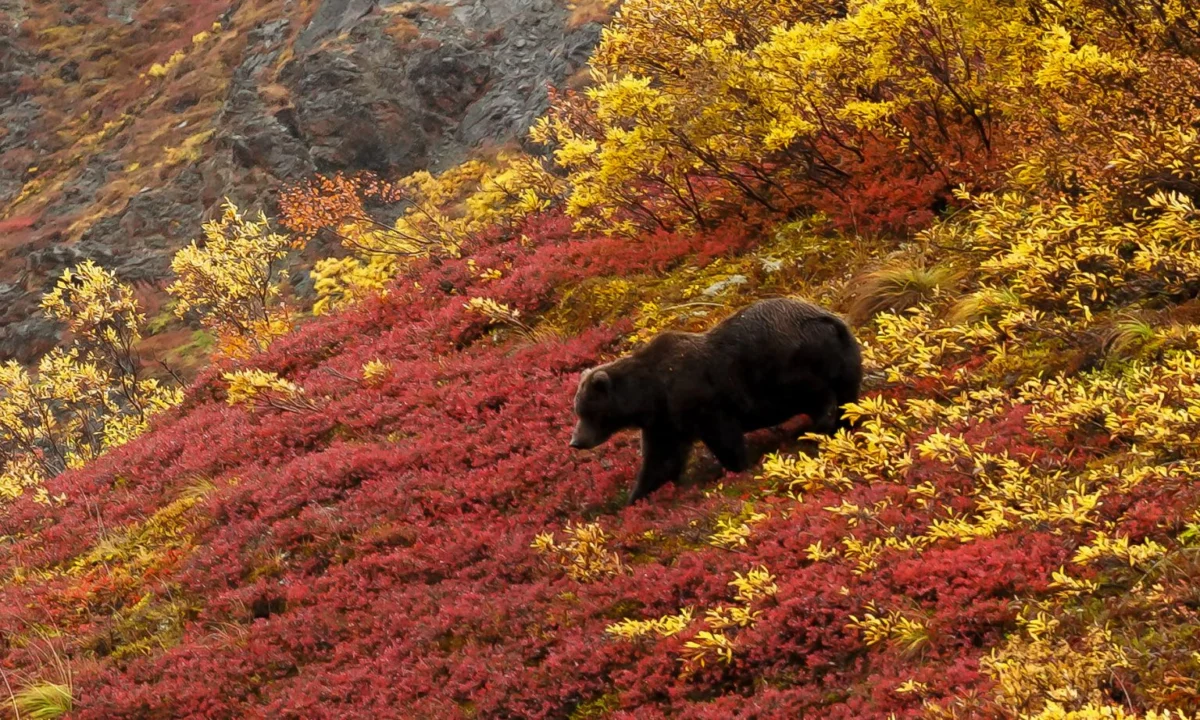
The rugged, untamed expanse of Alaska’s interior is increasingly becoming the focal point for global travelers seeking more than a standard coastal voyage. While traditional cruise itineraries have long focused on the state’s iconic maritime glaciers, a significant shift in passenger preference has propelled the growth of land-based extensions. Princess Cruises, a pioneer in this sector for over three decades, currently manages the most extensive shoreside infrastructure in the region, operating five distinct wilderness lodges and a highly synchronized network of rail and motorcoach transport. This integrated approach allows travelers to bridge the gap between the Pacific coast and the pristine, 2.4-million-hectare Denali National Park, home to moose, caribou, Dall sheep, and the elusive grizzly bear.

The strategic development of these inland assets has transformed Alaska from a transit-heavy cruise destination into a comprehensive wildlife and cultural expedition. In 2025 alone, approximately 36,000 Australian cruise passengers visited Alaska, establishing it as the third-largest long-haul cruise destination for the region. As the demand for immersive, "beyond-the-port" experiences rises, the logistical orchestration required to move thousands of guests from ship to tundra has become a cornerstone of the modern Alaskan travel economy.
A Chronology of Infrastructure Development
The evolution of Princess Cruises’ land-tour footprint began in the late 20th century, a response to the growing desire for deeper exploration of the "Last Frontier." The timeline of their lodge acquisitions and facility openings reflects a methodical expansion:

1990: Kenai Princess Wilderness Lodge opened on the Kenai Peninsula, providing access to the river valley and nearby fjords.
1993: Fairbanks Princess Riverside Lodge commenced operations on the banks of the Chena River, serving as a vital hub for northern interior excursions.
1997: Mt. McKinley Princess Wilderness Lodge opened, offering 460 rooms and proximity to Denali State Park.
2002: The Copper River Princess Wilderness Lodge was established, marking the company’s expansion into the vicinity of Wrangell-St. Elias National Park, the largest national park in the United States.
This physical footprint is supported by a robust logistical network. The "Direct-to-the-Wilderness" rail service utilizes ten custom-built Midnight Sun Express Ultra Dome rail cars. These carriages, which traverse the Alaska Railroad route between Whittier and Denali, feature 360-degree glass ceilings and rear observation platforms. The synchronization of these assets requires a massive seasonal workforce; Princess employs over 2,000 summer staff members, including specialized rail guides and lodge managers tasked with maintaining service standards that mirror the luxury of the cruise ships themselves.

Wildlife Management and Ecological Context
The Tundra Wilderness Tour remains the centerpiece of these inland excursions. Operating within Denali National Park, these tours offer visitors a glimpse into an ecosystem that is currently in a state of seasonal transition. During autumn, the landscape shifts to a tapestry of brilliant yellow and deep red, signaling the onset of the pre-hibernation period for the region’s fauna.
The biological necessity of this period is profound. Grizzly bears, often sighted foraging for blueberries to build fat reserves, must consume vast quantities of nutrients before entering a hibernation phase that can last up to seven months. This natural cycle offers a unique window for wildlife observation, though park rangers and tour guides emphasize that such encounters remain strictly regulated to minimize human impact on the animals. The integration of ex-biology teachers and long-tenured naturalists as tour guides is a deliberate strategy by the operator to shift the narrative from simple sightseeing to ecological education.

Economic Implications of Integrated Tourism
The shift toward extended land-sea packages has created a distinct economic impact on Alaska’s interior towns. By utilizing local hospitality workers and regional suppliers, cruise operators have effectively created a self-sustaining tourism ecosystem. For instance, the Fairbanks Princess Riverside Lodge serves as a focal point for indigenous cultural exchange, where visitors are introduced to local culinary traditions—such as the preparation of halibut and king salmon—and the history of the Athabascan people.
Economic data from the region suggests that the "Connoisseur" tour model, which pairs passengers with a dedicated tour director, provides significant value by streamlining logistics that would otherwise be fragmented and costly to coordinate independently. By bundling rail, coach, and accommodation, companies are able to offer 10-day packages that include both cruise segments and interior stays starting from approximately A$3,101. This pricing structure has made Alaska’s interior accessible to a broader demographic, moving the destination away from the high-cost "expedition-only" model toward a more inclusive, high-service product.

Official Perspectives on Regional Challenges
Managing large-scale tourism in sensitive ecological zones presents ongoing challenges, particularly regarding the visibility of Denali and the management of animal populations. Lodge managers report that guest satisfaction is increasingly tied to the quality of interpretation—the ability of guides to contextualize what visitors see.
"The animals are very active this time of year," notes Michael Cook, general manager of the Denali Princess Wilderness Lodge. "The moose are in the rut, and the bears are preparing for the long winter. It is a dynamic time, and our role is to facilitate that experience while maintaining the integrity of the park’s wilderness."

There is a growing emphasis on environmental stewardship. As the state prepares for its seasonal "hibernation," where many services close down to endure the harsh winter, the focus shifts to ensuring that the infrastructure remains sustainable. The use of local sled dogs for training and the emphasis on regional cuisine, such as the sled-dog-fed salmon, serves as a testament to the localized supply chains that have been developed over the last 30 years.
Broader Impact: The Future of Alaskan Travel
The rise of the "land-tour" cruise extension reflects a broader trend in the travel industry: the move toward hybrid, multi-modal vacations. Passengers are no longer satisfied with brief port stops; they are demanding deeper engagement with the history, culture, and geography of the locations they visit. The success of the Princess model, with its private rail cars and managed luggage logistics, suggests that the future of Alaskan tourism will be defined by the "seamless transition" between sea and shore.

As global interest in the Arctic and sub-Arctic regions continues to grow, Alaska stands as a more accessible, albeit equally dramatic, alternative to more remote northern latitudes. With the continued deployment of advanced transit technology and the preservation of the indigenous and natural heritage that draws visitors to the state, the region is poised to remain a primary destination for long-haul international travelers. The ability to witness the northern lights from a lodge, or to observe a grizzly in the wild, is no longer the sole purview of the rugged explorer; it is now an integrated part of a modern, luxury travel itinerary that bridges the gap between the Pacific Ocean and the heart of the North American wilderness.
The ongoing development of these services, from the sternwheeler riverboats in Fairbanks to the jetboat tours on the Chulitna River, demonstrates a commitment to ensuring that the visitor experience remains high-touch and high-value. As the cruise industry looks toward the next decade, the integration of these land-based assets will likely remain the most significant differentiator for operators competing in the Alaskan market. By managing the full, end-to-end journey, companies are not just transporting passengers; they are curating a narrative of the "Last Frontier" that is both educational and, in the case of the seasonal autumn migration of wildlife, truly unforgettable.

 Gabriela Annisa
 Budi Mulyono
 Susilo Edi Turonggo
 Walid Sujud Trenggono