
 Budi Mulyono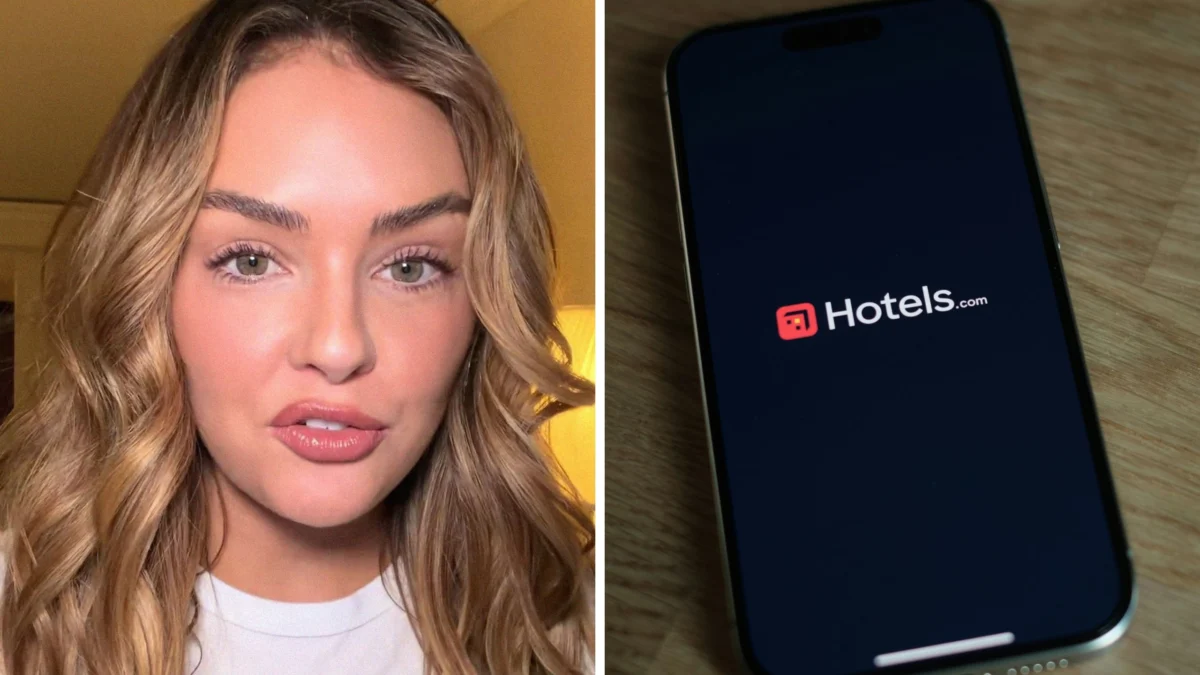
The modern digital travel ecosystem has made planning vacations and business trips easier than ever, but it has simultaneously opened the door to sophisticated, highly targeted digital fraud. Travel scams involving fake, cloned, or misleading accommodation listings are surging across major booking platforms and independent aggregator sites, inflicting financial and emotional distress on unsuspecting consumers. A recent viral incident in Manhattan—where a traveler lost approximately $600 to a phantom hotel listing—highlights the pervasive nature of these operations and underscores the systemic vulnerabilities present in online reservation systems.
As digital fraud evolves, millions of dollars are lost annually to deceptive travel practices. According to statistical data released by the Federal Trade Commission (FTC), consumers aged 60 and older lost an estimated $35 million to vacation and travel fraud in 2024 alone. However, cybercriminals and fraudulent listing syndicates do not discriminate by age, targeting digitally savvy millennials and generation Z travelers with equal frequency. These schemes frequently involve phishing attacks, cloned reservation portals, deceptive social engineering, and demands for unofficial payment methods such as peer-to-peer applications, wire transfers, and prepaid gift cards.
The Anatomy of the Manhattan Hotel Scam
The incident came to light when TikTok creator Susie Evans (@susiewaslike) documented her distressing experience in New York City alongside a friend named Carmen. The travelers had arrived in Manhattan for a work trip, anticipating a seamless check-in at a pre-booked property. Instead, they found themselves stranded on a public sidewalk with their luggage, facing a non-existent hotel, compromised personal data, and a lost investment of $600.
The chronology of the event began approximately a month before their arrival in New York. Evans and Carmen utilized Hotels.com to secure accommodations for their upcoming professional engagement. Initially, the property appeared on the platform as a legitimate, standard booking with a refundable cancellation policy. Trusting the established reputation of the booking intermediary, the travelers finalized the transaction.
Moments after completing the reservation, however, the travelers identified an alternative property that better suited their logistical needs. When they attempted to cancel the initial reservation to secure a refund, unexpected digital hurdles emerged. The system suddenly designated the booking as strictly non-refundable, stripping the consumers of their cancellation rights. Facing the prospect of entirely forfeiting their funds, Evans and Carmen reluctantly decided to retain the booking and split their accommodation arrangements across different properties during their stay.
Escalating Warning Signs and Digital Compromise
The situation escalated on the morning of their scheduled check-in, when the travelers received a suspicious communication regarding their reservation. According to Evans, an unknown entity sent a text message demanding an immediate $600 deposit transferred via Zelle, a peer-to-peer payment network. Recognizing a distinct deviation from standard hospitality practices, Evans refused the demand, stating that she would not transfer funds outside an official portal prior to arrival.
Despite exercising caution regarding the financial transfer, the travelers had already compromised their data earlier in the reservation cycle. During the booking verification phase, a prompt had required Evans to upload a photographic image of her passport. Reflecting on the incident during her video documentation, Carmen expressed immediate alarm, noting that legitimate standard hotels rarely, if ever, require guests to upload sensitive identification documents to a third-party app prior to arrival.
When the travelers arrived at the designated Manhattan address to check in, they encountered a blank urban landscape. No hotel existed at the location. Stranded with their luggage, they sought assistance on the street, where they happened to cross paths with local Manhattan personality Lenny the Doorman (@lennythedoormannyc). Lenny quickly informed them that they were far from the first victims; multiple travelers had recently arrived at the exact same location seeking non-existent accommodations tied to fraudulent listings. Evans noted that she spoke with individuals who had suffered losses as high as $10,000 to the same scheme.
Intervention, Corporate Response, and Mitigation
Faced with a ruined itinerary and unexpected expenses in one of the most expensive housing markets in the world, the stranded travelers sought emergency lodging. Initial efforts by Lenny to find a vacancy at nearby properties proved unsuccessful, and the available hotels directed the women toward the luxury Lotte New York Palace.
Upon arrival at the luxury establishment, staff quoted a standard nightly rate of $1,400 for a single room—a prohibitive cost for professionals recovering from a financial scam. However, after Evans detailed the circumstances of the fraud, presented the digital trail, and shared her experience, the hotel management intervened.
According to Evans, staff at the Lotte New York Palace acknowledged that they had previously encountered guests arriving with identical stories of fraudulent Manhattan listings, including groups reporting financial losses between $10,000 and $13,000. Displaying discretionary corporate social responsibility, a hotel manager intervened and offered the travelers a substantial discount—more than 50 percent off the standard nightly rate—allowing them to secure a high-end, spacious room under emergency circumstances.
Public Reaction and Platform Accountability
The viral documentation of the incident sparked widespread debate across social media platforms regarding the security protocols of major online travel agencies (OTAs) and user vigilance. Viewers expressed shock that a fraudulent listing could successfully bypass the verification filters of a major platform like Hotels.com. Commentators also voiced astonishment that sensitive documents such as passports were uploaded outside secure verification protocols.
In response to inquiries within the comments section, Evans confirmed that the initial reservation was actively displayed within her Hotels.com user application dashboard during the ordeal, highlighting the persistent challenge OTAs face in vetting third-party inventory listings. Despite public interest, neither Hotels.com nor the management of Lotte New York Palace issued immediate public statements regarding the specifics of the case, and the exact identity of the fraudulent listing remains unverified by corporate investigations.
Consumer Protection Guidelines and Identifying Red Flags
To combat the rising tide of digital accommodation fraud, regulatory agencies such as the Federal Trade Commission and consumer protection watchdogs have issued comprehensive guidance to help travelers identify and avoid deceptive listings. Understanding these red flags is critical for safeguarding personal finances and sensitive data.
One of the most prominent warning indicators is a request to conduct financial transactions outside official platform channels. Fraudulent operators frequently attempt to steer consumers away from secure intermediary payment gateways toward peer-to-peer networks, wire transfers, or cryptocurrency payments. Once funds are transferred through these mechanisms, recovering the capital is exceptionally difficult due to the lack of buyer protection policies.
Additional warning signs include listings featuring below-market pricing, vague property descriptions, missing physical addresses, or inconsistent contact details. Consumer advocates recommend independently verifying property addresses via mapping software, searching for reviews containing terms like "scam" or "complaint," and exercising extreme caution if communication shifts to unverified text messaging apps immediately following a booking confirmation.
Travelers who fall victim to accommodation fraud are advised to act swiftly. Immediate steps include contacting the primary booking platform to secure a formal investigation, notifying financial institutions to dispute unauthorized charges, and filing formal fraud reports with the Federal Trade Commission and the Better Business Bureau. As digital syndicates continue to adapt their methodologies, enhanced platform verification and heightened consumer skepticism remain the primary lines of defense against modern travel fraud.




 Anjar Salim
 Chandra Hamzah
 Tatiana Tantri Indah Sari

 Lukman Taruna Persada Ramadan