
 Anjar Salim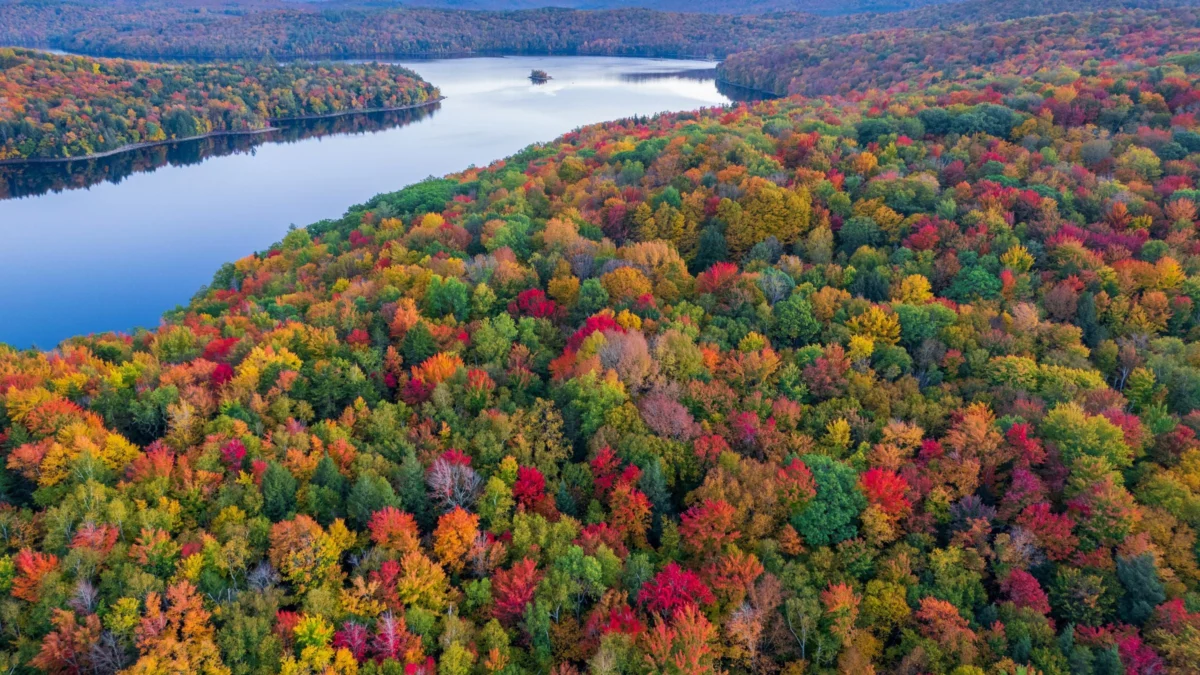
Long before modern arboreal science decoded the biochemical catalysts behind autumn leaf senescence, Indigenous nations wove the seasonal transformation of the forest canopy into rich oral histories of battle, celestial pursuit, and enduring resilience. Traditional narratives from the Oneida Indian Nation and the Meherrin people describe a relentless chase wherein three hunters pursue a great bear across the earthly landscape and into the celestial firmament. According to tribal lore, as the hunters wound the beast, its celestial blood drips onto the canopy below, painting the foliage in brilliant shades of crimson and gold. In the Oneida tradition, the bear eventually escapes to the night sky, taking the form of the Big Dipper, where the eternal cycle recommences year after year.
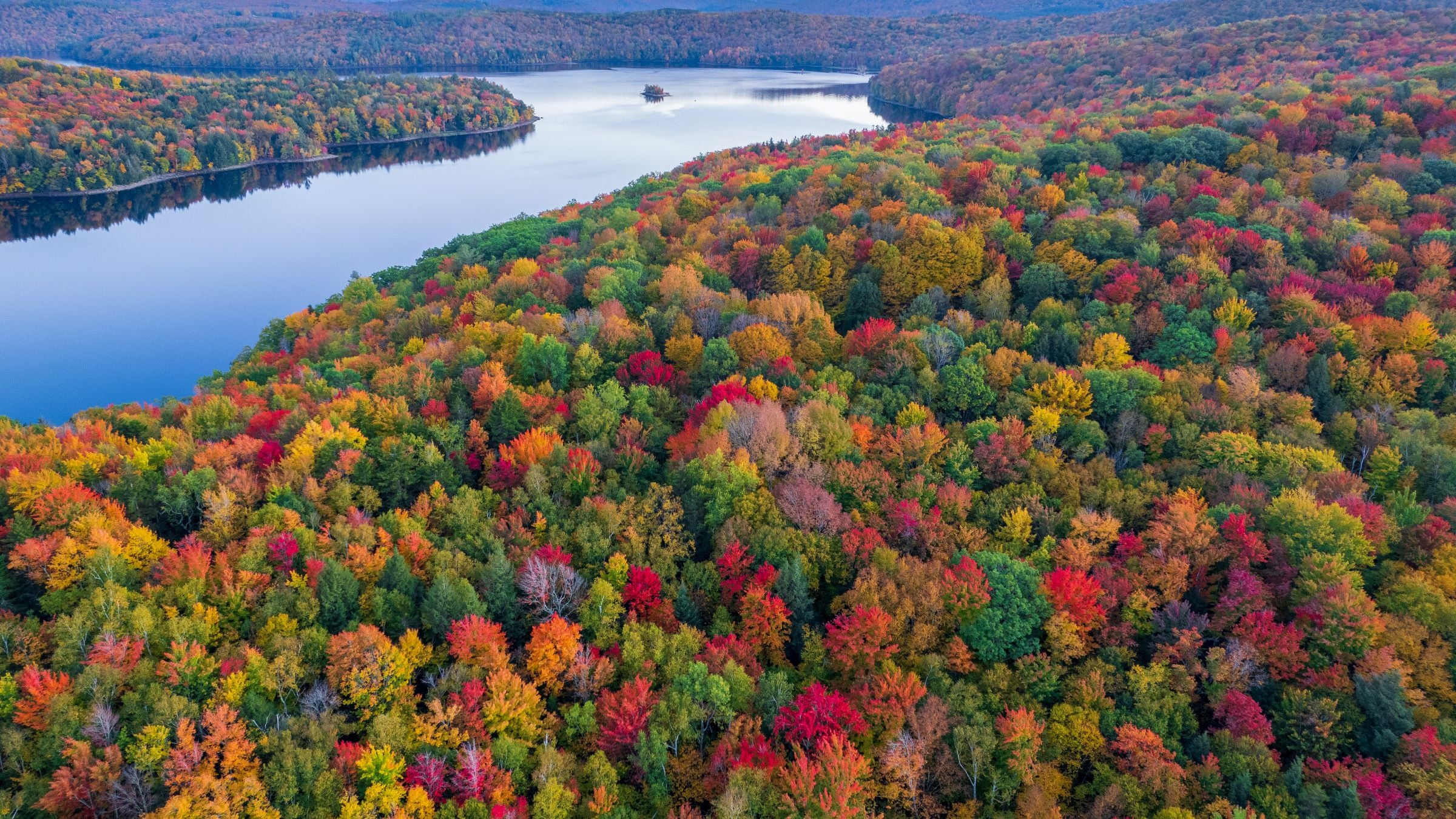
These evocative tales have long served as cultural frameworks for understanding the staggering visual spectacle of autumn. When entire mountainous terrains seem to ignite in a rich mosaic of fiery reds, deep ambers, and luminous golds, strict scientific explanations involving cellular degradation, chlorophyll breakdown, and secondary pigments like carotenoids and anthocyanins can feel inadequate to capture the true magnitude of the event. Yet, this centuries-old natural and cultural phenomenon is undergoing a profound structural transition. The traditional autumn landscape relies on a remarkably delicate biological interplay of day length, ambient temperatures, and continuous moisture. As anthropogenic climate change systematically alters these baseline atmospheric and meteorological conditions, forest ecologists, phenologists, and climatologists are racing to understand what these shifts mean for the future of the autumnal display—a multi-billion-dollar driver of tourism, recreation, and cultural inspiration.
The Climatological Mechanics Driving Autumnal Shifts
The complex effects of climate change on fall foliage are not monolithic; rather, they vary widely depending on specific tree species, geographic microclimates, and the cumulative weather conditions experienced throughout the entire annual growing season. In the deciduous forests of the eastern United States, for instance, warmer summer temperatures and extended periods of warmth can delay the onset of cellular decay, keeping healthy trees green well into the traditional calendar window for color change. However, when elevated ambient heat coincides with severe or prolonged meteorological drought, physiologically stressed trees may preemptively shut down their biological processes, turning dull brown or shedding their leaves entirely before reaching peak coloration.
Simultaneously, a host of other compounding meteorological variables—including torrential heavy rains, gale-force winds, unseasonal early freezes, and dramatic reductions in winter snowpack—exert significant influence over the timing, brilliance, and overall duration of autumn color. This array of competing environmental pressures has prevented the emergence of a single, uniform national trend in fall foliage trajectories. Instead, climatologists are documenting an increase in year-to-year variability, rendering historical averages increasingly obsolete for predicting peak viewing windows.
Recent scientific literature highlights the complex nature of these environmental pressures. A comprehensive 2026 study published in the journal Agricultural and Forest Meteorology examined decades of leaf color and leaf-drop data spanning more than 100 woody plant species across the continental United States. The researchers discovered a distinct geographic divide: warmer summer temperatures systematically pushed back the start of fall foliage across the eastern half of the country. Conversely, out West, cumulative precipitation dictated the timeline. Plentiful winter and early spring precipitation from January through March delayed leaf color change and abscission, whereas drought accelerated the senescence cycle, effectively truncating the active growing season.
These findings are corroborated by a separate 2026 study in the International Journal of Applied Earth Observation and Geoinformation, which revealed that broad foliage transition dates across North America remained relatively static between 2000 and 2020. This apparent stability, however, was not the result of a stable climate, but rather the consequence of two opposing climatic forces pulling foliage timing in opposite directions and neutralizing each other. While rising ambient temperatures pushed color development later into the calendar year, a concurrent rise in vapor-pressure deficit—a metric quantifying the atmosphere’s capacity to aggressively draw moisture out of living plant tissues—forced trees to trigger early leaf drop. Furthermore, research spearheaded by Northern Arizona University ecologist Andrew Richardson demonstrates that the timing of spring leaf emergence directly preconditions autumnal behavior, as trees that undergo rapid or accelerated spring growth often hit physiological exhaustion earlier in the year and drop their leaves ahead of schedule.
Reassessing Strategies for Leaf Peepers and Tourism Economies
For decades, millions of travelers and outdoor enthusiasts—colloquially known as "leaf peepers"—have relied on fixed calendar dates and historical peak maps to plan autumn pilgrimages to America’s national parks and scenic byways. Today, that predictability is eroding. Climate change has not established a neat, uniform replacement calendar; rather, it has introduced acute unpredictability. While warming temperatures delay foliage in specific eastern environments, water scarcity and chronic drought in western parks foster premature, muted, and accelerated leaf drop. Single weather anomalies, such as an isolated late-September frost or an unseasonable heatwave, can instantly override long-term climatic trends.
Tourism boards, local businesses, and park rangers are now advising travelers to treat historical peak dates as fluid benchmarks rather than guarantees. Modern travel strategies increasingly require monitoring localized drought indices, tracking real-time foliage reports, and utilizing elevation gradients as a tactical advantage. Because mountainous parks feature vast variations in altitude, travelers can track color progressions up or down slopes to find vibrant canopies, even when traditional lowland schedules fail. The core challenge facing America’s public lands is not necessarily that peak foliage is shifting permanently from one specific week to another, but that the precise timing and visual intensity of the seasonal show are becoming increasingly volatile.

Case Studies Across Iconic National Parks
Rocky Mountain National Park
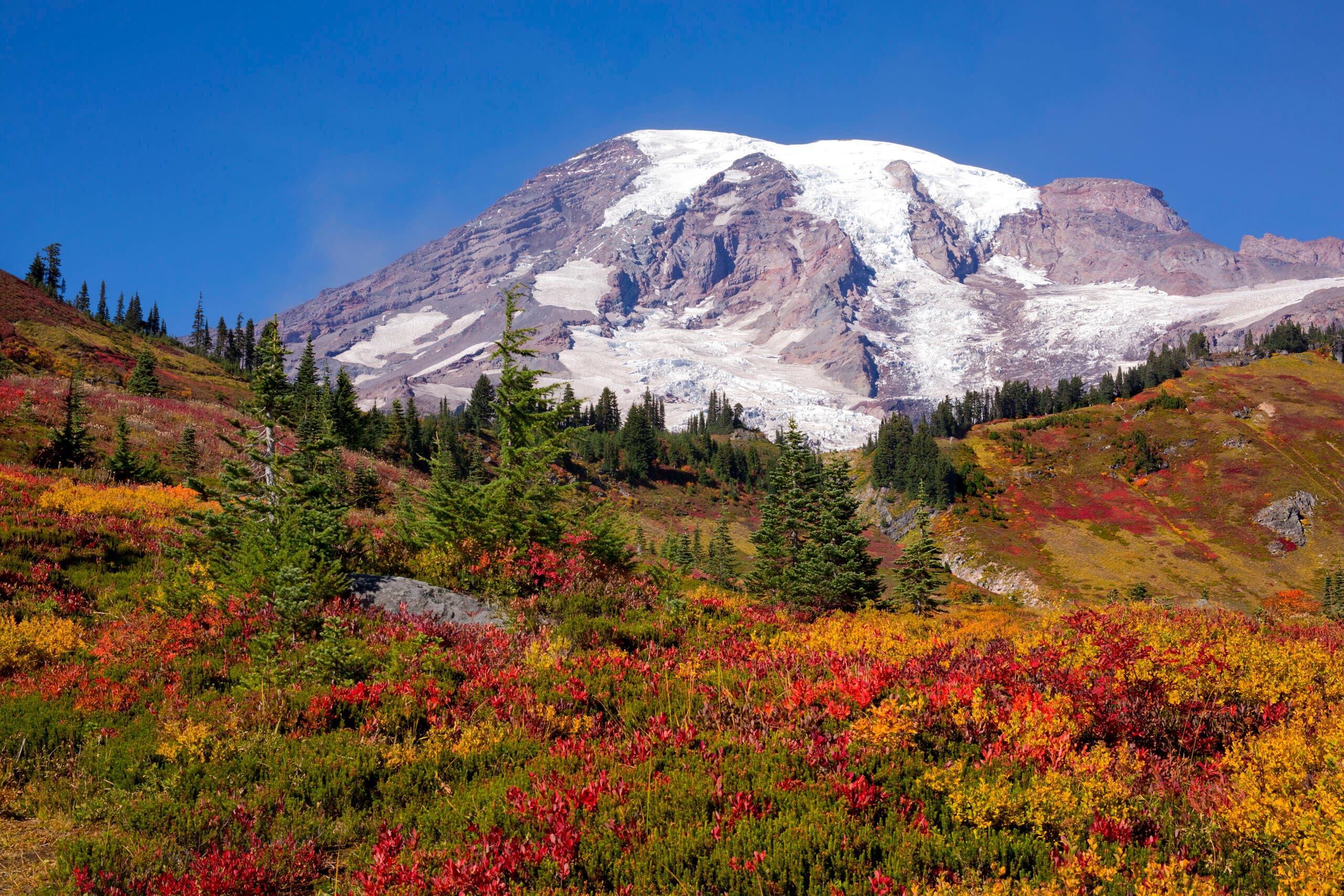
In Colorado’s Rocky Mountain National Park, the autumnal landscape is defined by the luminous, quaking aspens that blanket the steep mountainsides in shimmering golds and yellows. Historically, these aspens initiate their color transition in mid-September, with the brilliant display cascading down into lower elevations throughout October.
However, severe water deficits are disrupting this precise schedule. According to National Park Service monitoring data, average annual temperatures within the park have climbed approximately 3.4 degrees Fahrenheit over the past century. Furthermore, spring snowmelt now occurs two to three weeks earlier than historical baselines, leaving soils severely depleted of moisture during the peak heat of summer. Western tree species exhibit heightened sensitivity to these hydrological disruptions. Low winter snowpack coupled with a hot, dry growing season places immense physiological stress on aspen groves. Rather than exhibiting their signature golden radiance, stressed aspens often display muted colors, develop crispy brown margins along their leaves, and shed their foliage prematurely.
While the Colorado State Forest Service emphasizes that day length remains the primary biological cue for color transformation, tree health, localized moisture, frost, wind, and early snow determine the ultimate quality of the display. During severe drought years, such as 2026, experts advise observers to monitor conditions early and utilize higher elevations as a compass, as color change invariably initiates in alpine and northern sectors before progressing southward and downward.

Yellowstone and Grand Teton National Parks
While Yellowstone National Park lacks the sprawling, multi-species hardwood canopies of the American East, its expansive valleys, river bottoms, and wetland corridors achieve striking autumn aesthetics through stands of cottonwoods, willows, and aspens. The Greater Yellowstone Ecosystem has undergone profound climatic alterations, with the active growing season expanding by approximately 30 days in certain sectors. Near the park’s Northeast Entrance, meteorological stations record roughly 80 more above-freezing days annually compared to the 1960s, alongside a 30-day reduction in annual snow-cover duration.
Analogous to conditions in the Southern Rockies, reduced snowpack, accelerated snowmelt, and intense summer droughts induce chronic water stress in Yellowstone’s flora. Forest ecologists have documented the structural decline of aspen stands in low-elevation, arid zones, while simultaneously noting young aspens colonizing higher, historically unpopulated elevations—a clear indicator of climate-driven range shifts. To secure reliable autumn scenery, visitors must increasingly look toward hydrologically stable zones, such as moist valleys, north-facing slopes, and riparian corridors.
Neighboring Grand Teton National Park faces a parallel trajectory. Projected climatic models for the Tetons point toward earlier spring transitions, diminished snowfall, and persistently drier soils spanning spring through autumn. Although optimal color intensity requires a wet growing season followed by warm, sunny days and crisp autumn nights, visitors are increasingly finding peak vibrancy concentrated immediately adjacent to permanent waterways and within resilient, well-hydrated aspen communities.

Cuyahoga Valley National Park
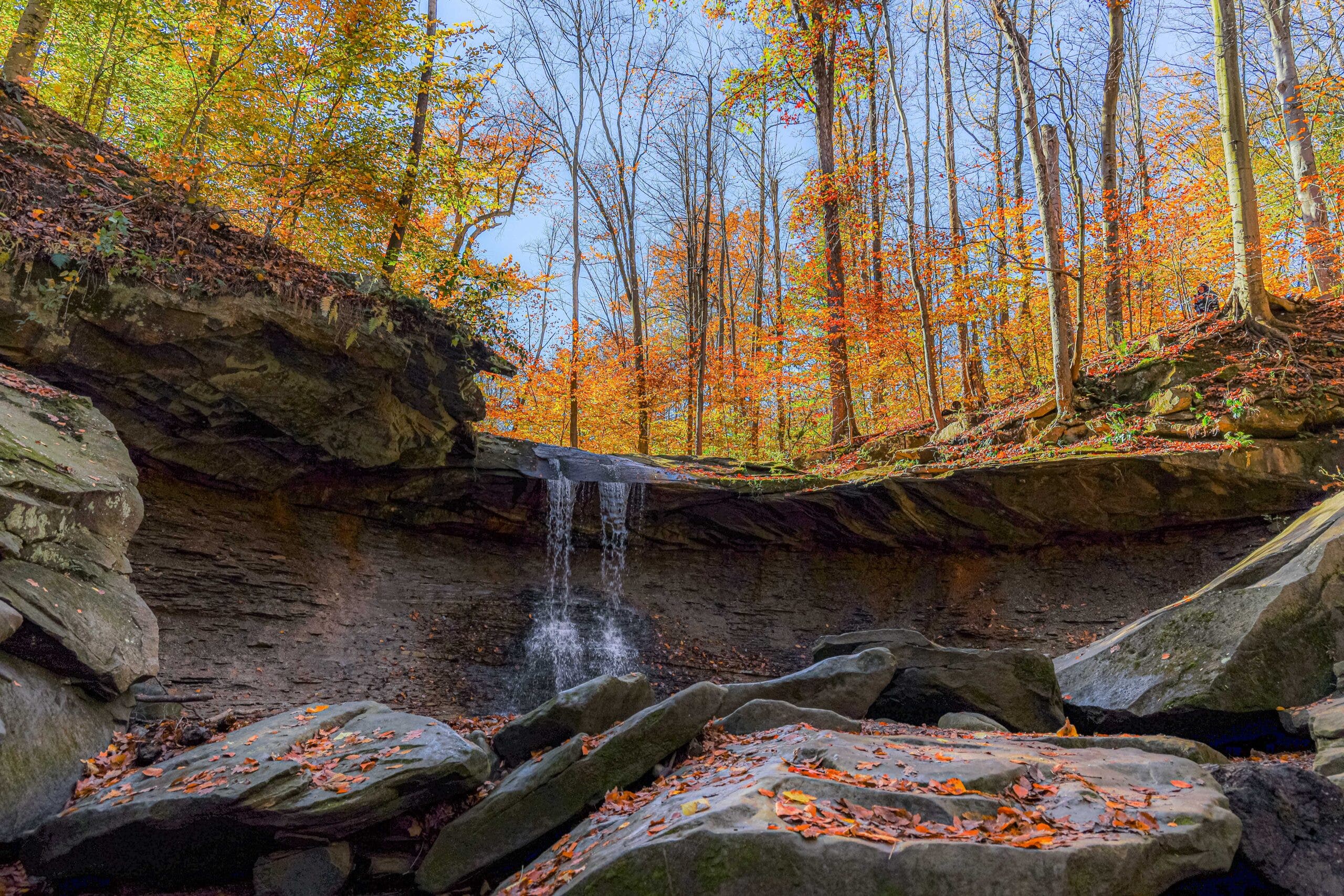
Situated in northeastern Ohio, Cuyahoga Valley National Park typically achieves its peak autumn display during the third week of October. Sugar maples and red maples lead the arboreal transformation, unleashing vibrant bursts of crimson, orange, and yellow that are subsequently sustained by a diverse mix of native deciduous species throughout the month.
Unlike the arid West, Cuyahoga Valley has grown both warmer and wetter. National Park Service data indicates that the region received approximately seven additional inches of annual precipitation in recent years compared to 1960—an 18 percent increase—coupled with a marked rise in the frequency and intensity of heavy precipitation events. This meteorological profile aligns directly with the 2026 phenological studies showing that while warm summers can delay the onset of color changes in eastern forests, abundant rainfall helps trees retain their structural integrity. Nevertheless, researchers caution that high annual precipitation does not inoculate forests against localized stress; a brief, intense dry spell during late summer can still induce premature browning and accelerate leaf fall, creating high variability around the traditional October window.
Great Smoky Mountains National Park
Encompassing an immense elevation range that spans from roughly 800 feet to over 6,600 feet, Great Smoky Mountains National Park boasts one of the longest and most geographically diverse fall foliage seasons in North America. Color transitions begin in high-elevation forests above 4,000 feet as early as mid-September, gradually progressing downward into the lower valleys and coves through late October and early November. More than 100 native tree species contribute to this vast tapestry, featuring red maples, golden birches, hickories, and russet oaks.
Climate projections for the Smokies anticipate increasingly erratic precipitation patterns characterized by severe, intense storms punctuated by extended dry spells. While warm and wet conditions may delay color development in specific species, warm droughts risk triggering premature foliar degradation. Fortunately, the park’s dramatic vertical relief buffers visitors against total visual failure; when peak color passes at high altitudes, lower-elevation valleys are often just beginning their transformation.
However, long-term ecological concerns persist regarding the park’s high-elevation spruce-fir forests. While these evergreen conifers contribute minimally to autumn color, they form the dense, dark-green ecological backdrop that causes the surrounding deciduous colors to stand out. Because spruce and fir species are biologically adapted to cool, damp microclimates, ongoing atmospheric warming threatens to drastically contract their habitable zones over the coming decades.
Shenandoah National Park
Mirroring the ecological dynamics of the Smokies, Shenandoah National Park utilizes its rugged topography along the Blue Ridge Mountains to produce a rolling, gradual wave of autumn foliage that stretches from late September at the highest ridge lines down into the lower elevations through November.

Shenandoah is experiencing measurable regional warming, elevated precipitation, and shifting seasonal boundaries, including a documented trend toward an earlier spring arrival. To assist the public and researchers in tracking these dynamic shifts, the U.S. Geological Survey operates an automated phenological monitoring camera on Stony Man Mountain, providing continuous, long-term visual data on forest health and canopy condition. Concurrently, park authorities publish weekly foliage updates and live camera feeds, tools that are increasingly vital as historical peak schedules lose their reliability.
Acadia National Park
Nowhere is the structural shift in autumn foliage better documented than in Maine’s Acadia National Park. A landmark longitudinal study led by University of Richmond geographer Stephanie Spera reconstructed the historical timing of peak foliage in Acadia from 1950 to 2021 by analyzing archival records, historical photographs, and satellite telemetry.
The findings revealed a profound temporal shift: peak foliage in Acadia now occurs, on average, nearly two weeks later than it did in 1950. The research tied this delay to documented increases in minimum and maximum temperatures, rising ambient warmth, and an accumulation of warm autumn days and heavy-rain events. Predictive models generated by the study indicate that if global carbon emissions and warming trends continue unchecked, Acadia’s average peak foliage window could shift dramatically further into the calendar, settling between October 30 and November 2 by the year 2060.

While this upward trend highlights a clear climatological trajectory, researchers emphasize that year-to-year weather volatility will continue to cause significant annual fluctuations. Different tree species and distinct localized microclimates respond to environmental stress at varying rates, ensuring that the future of America’s autumn canopy will be characterized as much by its complexity as by its enduring beauty.



 Chandra Hamzah
 Tatiana Tantri Indah Sari
 Budi Mulyono

 Lukman Taruna Persada Ramadan