
 Diana Nuri Rohmawati
The global tourism industry has undergone a radical transformation over the last two decades, yet public perception frequently lags behind the structural realities of modern mobility. Despite the proliferation of digital resources, budget-friendly infrastructure, and the rise of the sharing economy, a significant segment of the population remains deterred by deeply ingrained myths regarding the cost, safety, and demographic requirements of international travel. These misconceptions—often fueled by outdated marketing narratives and sensationalized media reporting—create artificial barriers to entry, preventing potential travelers from engaging in cross-cultural exchange. A detailed examination of the economic data and safety statistics reveals that the traditional "luxury-only" model of travel has been largely supplanted by a diverse ecosystem of affordable and secure alternatives.

The Economic Fallacy: Deconstructing the "Travel is for the Rich" Narrative
The most pervasive barrier to international travel is the assumption that it requires significant wealth or a "trust fund" level of disposable income. This belief is a vestige of the mid-20th-century "Golden Age of Travel," characterized by high-cost airfare and a lack of transparency in pricing. However, data from the aviation industry shows that the real cost of air travel has plummeted. According to the International Air Transport Association (IATA), average airfares (adjusted for inflation) have fallen by more than 60% since the early 1980s.
The rise of Low-Cost Carriers (LCCs) in Europe, Asia, and the Americas has further democratized the skies. Furthermore, the "fun equals expensive" equation is increasingly viewed as a product of targeted marketing rather than a logistical necessity. Financial analysts point out that budget optimization in travel is a matter of priority and strategic planning. For individuals earning minimum wage, the timeline for saving may be longer, but the emergence of the "slow travel" movement—which prioritizes longer stays in more affordable regions—has made it possible to live abroad for less than the cost of living in major Western metropolitan areas.

Financial Engineering: The Role of Travel Credit and Credit Scores
A secondary economic myth concerns the use of travel-reward credit cards, with critics often suggesting that "travel hacking" destroys personal creditworthiness. In reality, the strategic use of credit instruments is a cornerstone of modern budget travel. Financial experts note that while applying for a new credit card results in a "hard inquiry" that may cause a temporary dip of five to ten points in a FICO score, the long-term effects of responsible card management are generally positive.
By increasing the total available credit limit, an individual lowers their credit utilization ratio—a key factor in determining credit scores. The "points and miles" ecosystem allows travelers to subsidize significant portions of their logistical costs, such as international flights and hotel stays, through everyday spending on groceries and utilities. As long as balances are paid in full monthly to avoid high-interest debt, these financial tools act as a rebate system that makes travel accessible to middle- and lower-income demographics.

The Sharing Economy and the Safety of Alternative Lodging
The rise of platforms like Couchsurfing and Airbnb has fundamentally altered the hospitality landscape. However, skepticism regarding the safety of "staying with strangers" remains high. Critics often cite isolated incidents of crime to categorize these platforms as inherently dangerous. Logistically, these platforms rely on a robust system of peer-reviewed accountability.
Couchsurfing, which facilitates cultural exchange by allowing travelers to stay with locals for free, uses a multi-layered verification system and a transparent review history. Sociological studies on the sharing economy suggest that these platforms actually foster a "culture of trust." For many, the apprehension toward these services is a psychological barrier rather than a statistical one. Industry data indicates that the vast majority of interactions on these platforms are positive, providing travelers with localized insights that traditional hotels cannot offer.

Historical Context and the Stigma of Hitchhiking
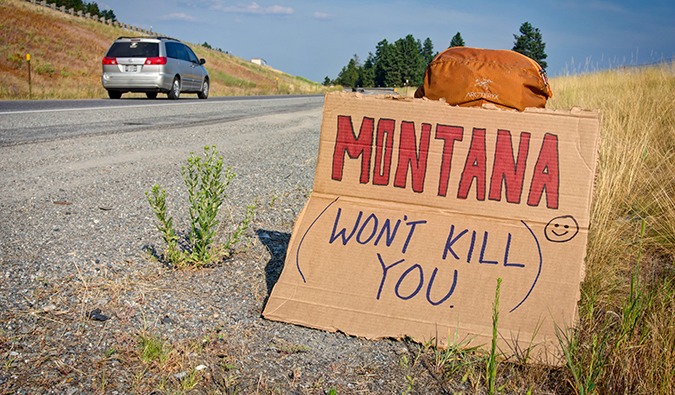
Perhaps no travel method is as stigmatized as hitchhiking, which is frequently equated with certain death in Western popular culture. The genesis of this fear can be traced back to a specific historical timeline. In the 1950s and 60s, the United States Federal Bureau of Investigation (FBI) launched a concerted campaign to discourage hitchhiking. This was partly motivated by the era’s social climate, as civil rights activists often used hitchhiking to travel to rallies and protests.
The resulting narrative, amplified by the "slasher" film genre of the 1970s and 80s, embedded a permanent fear of the practice in the American psyche. Nevertheless, in many parts of the world, including parts of Europe, New Zealand, and South America, hitchhiking remains a common and culturally accepted form of transit. Safety experts suggest that while risks exist, they can be mitigated through common-sense practices: traveling in pairs, noting license plate numbers, and trusting intuition. The statistical likelihood of encountering violence while hitchhiking remains significantly lower than the public perception suggests.

Gender and Solo Travel: Analyzing the Safety Gap
The perception that the world is uniquely dangerous for women is a frequent topic of debate in the travel industry. Media outlets often adhere to the "if it bleeds, it leads" philosophy, highlighting tragic but statistically rare incidents involving solo female travelers. This creates a distorted view of global safety.
In reality, many countries frequently labeled as "dangerous" by the uninitiated have lower violent crime rates than major U.S. cities. For example, Rwanda, once synonymous with conflict, is now ranked as one of the safest countries in Africa and the world. Travel analysts argue that the "safety gap" for women is often narrowed by the use of trustworthy sources and local research. The growth of solo female travel—one of the fastest-growing segments in the tourism industry—demonstrates that with proper preparation, women can and do navigate the globe independently and safely.
Demographic Shifts: The End of the "Youth-Only" Era
A persistent myth suggests that budget travel or backpacking is the exclusive domain of the young and single. This demographic stereotype is being challenged by the rise of "flashpacking" (budget travel with a higher tech and comfort budget) and the "silver traveler" trend.
Data from the American Association of Retired Persons (AARP) indicates that older adults are increasingly opting for experiential travel over traditional cruises or resort stays. Similarly, "family gap years" have become more common, as remote work allows parents to take children on extended international trips. The infrastructure of travel—hostels with private rooms, family-oriented guesthouses, and accessible transit—has evolved to accommodate travelers of all ages and relationship statuses.

The Global Labor Market: Opportunities for Working Abroad
Finally, the belief that working overseas is an insurmountable legal and professional challenge prevents many from extending their travels. While high-level corporate transfers are complex, the "traveler economy" offers numerous accessible pathways. Many nations, including Australia, New Zealand, and Canada, offer "Working Holiday Visas" for young adults, allowing them to fund their travels through seasonal labor in the hospitality and agricultural sectors.
Furthermore, the "Digital Nomad" movement has seen over 50 countries introduce specialized visas for remote workers. For those without remote careers, opportunities such as teaching English as a Foreign Language (TEFL), working as an au pair, or volunteering through organizations like WWOOF (World Wide Opportunities on Organic Farms) provide room and board in exchange for labor. These roles do not require a "polished résumé" in the traditional sense but rather a willingness to adapt and contribute to local economies.

Broader Impact and Future Implications
The persistence of these seven myths has broader implications for global stability and economic development. When travel is viewed as a luxury or a danger, it limits the flow of capital to developing nations that rely on tourism. More importantly, it stifles the development of global citizenship.
As the world becomes increasingly interconnected, the ability to debunk these misconceptions is vital. The transition from a "fear-based" view of the world to a "fact-based" one allows for a more equitable distribution of the benefits of global mobility. Future trends suggest that as information becomes more accessible and the sharing economy matures, the barriers to entry will continue to lower. The challenge remains for the individual to look beyond the sensationalism of the 24-hour news cycle and the marketing of the luxury travel industry to recognize the world as it truly is: more affordable, more accessible, and safer than ever before.



 Anjar Salim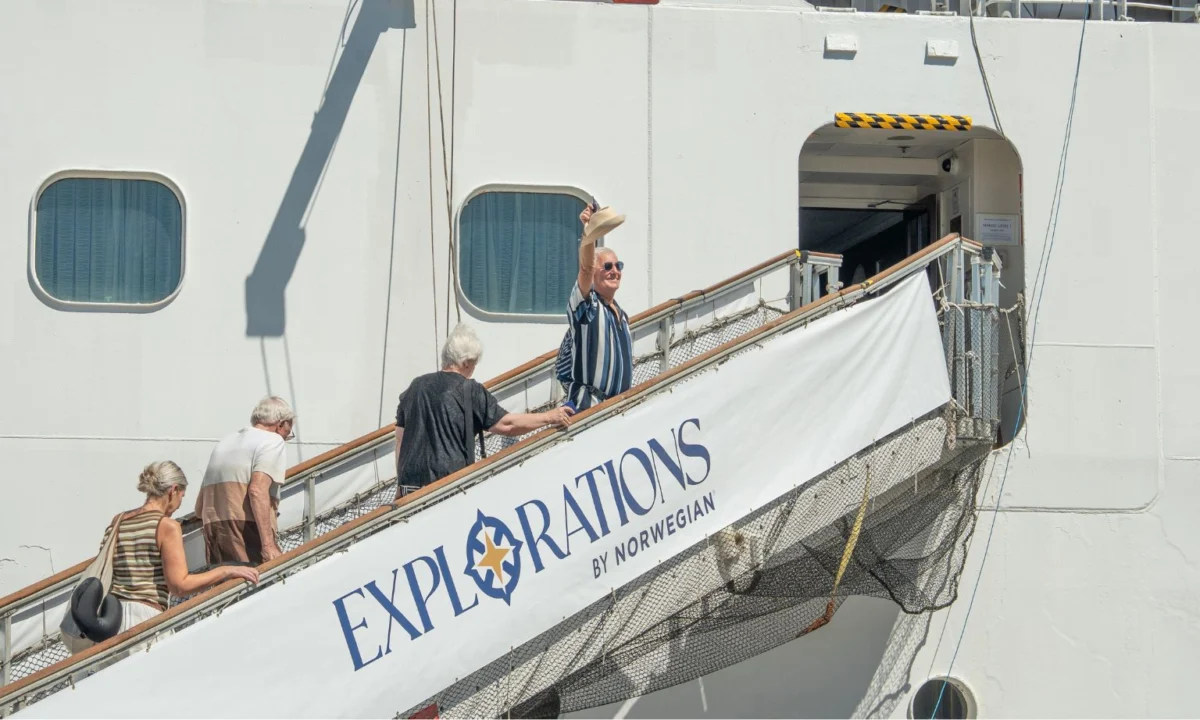
 Chandra Hamzah
 Tatiana Tantri Indah Sari
 Budi Mulyono

