
 Diana Nuri Rohmawati
The Shift Toward Functional Minimalism in Global Tourism
The contemporary travel landscape is defined by the rise of the "gear-adverse" traveler, a demographic that favors multi-functional items over single-use novelties. This trend is driven by several factors, including increasingly stringent airline carry-on regulations and a growing cultural emphasis on the "experience economy" over material accumulation. For the modern nomad, the value of a gift is measured by its weight-to-utility ratio. Security remains a paramount concern, particularly in the budget travel sector. As hostels and shared accommodations remain the primary choice for the Gen Z and Millennial demographics, personal security hardware has seen a resurgence in innovation. Simple yet robust items like travel-specific padlocks have become non-negotiable staples for securing lockers in high-turnover environments.

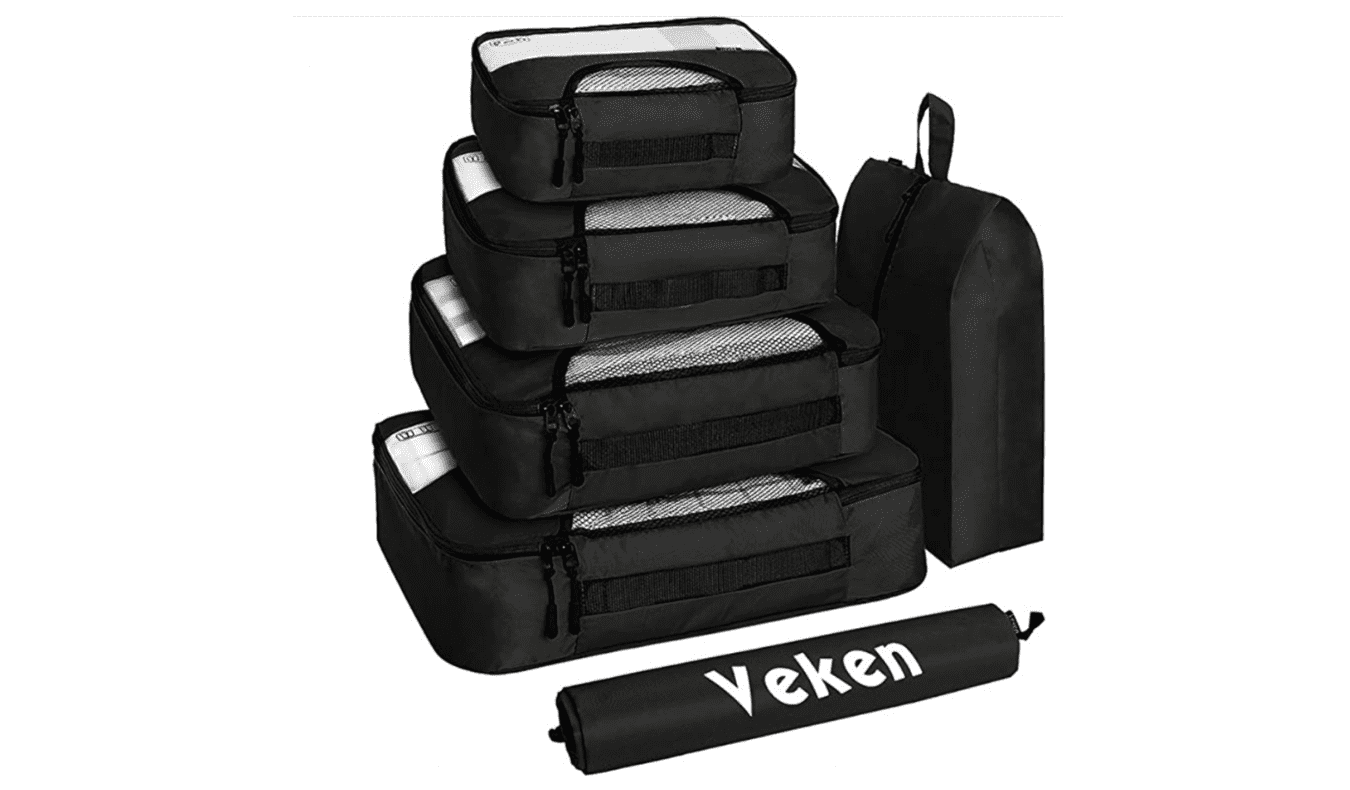
Supporting data suggests that nearly 60% of frequent travelers now prioritize "carry-on only" transit to avoid checked baggage fees and the logistical risks of lost luggage. This shift has catalyzed the demand for organization systems such as packing cubes, which maximize internal volume and allow for rapid transitions between destinations. These organizational tools are no longer viewed as optional luxuries but as essential components of a mobile lifestyle.

Digital Infrastructure and the Rise of the Remote Workforce
The integration of professional life with international travel has transformed the requirements for digital gear. With the global digital nomad population estimated at over 35 million, the demand for portable, high-performance hardware has reached an all-time high. The MacBook Air, specifically models utilizing the M-series silicon chips, has become the industry benchmark for travel computing due to its balance of power and battery longevity. In a journalistic analysis of current workplace trends, the ability to maintain productivity in transit—whether in a bustling airport lounge or a remote café—is heavily dependent on noise-mitigation technology.
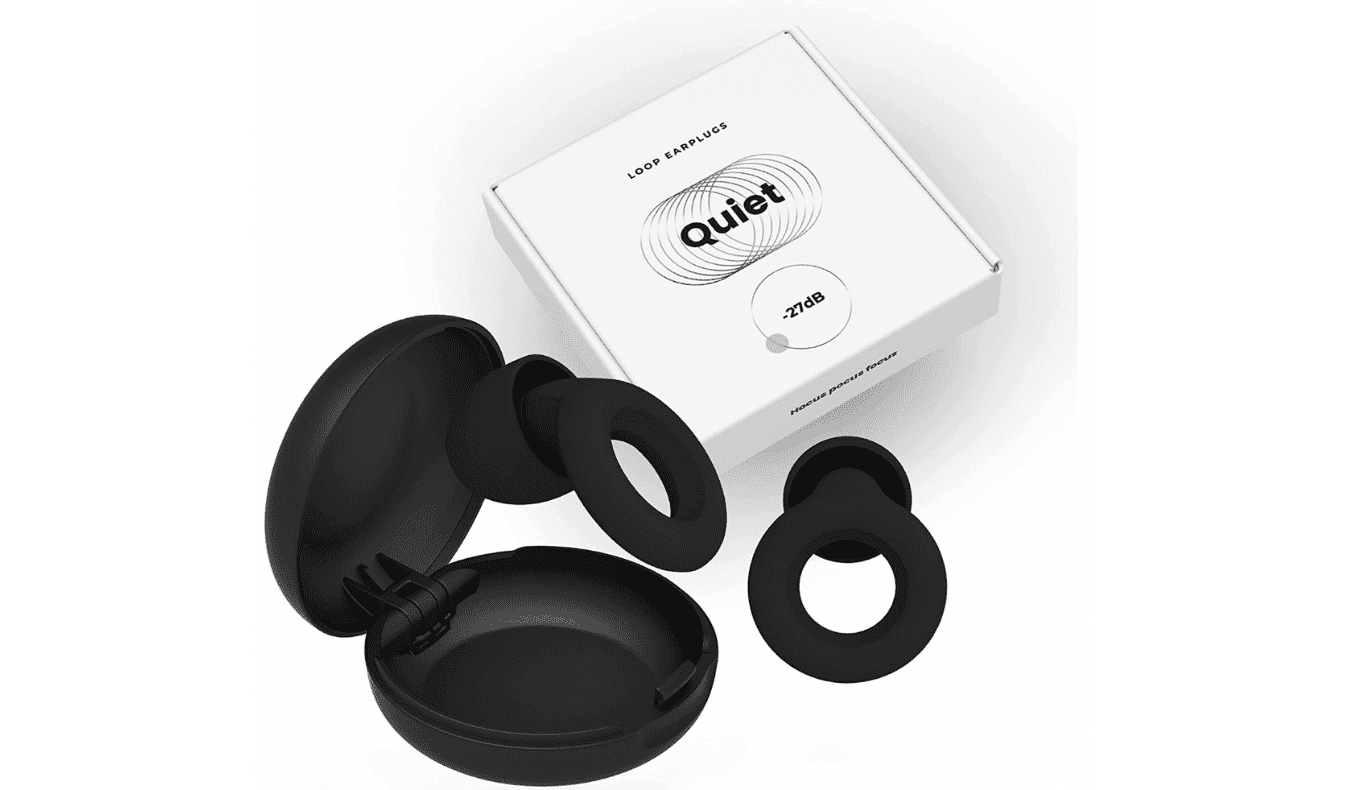
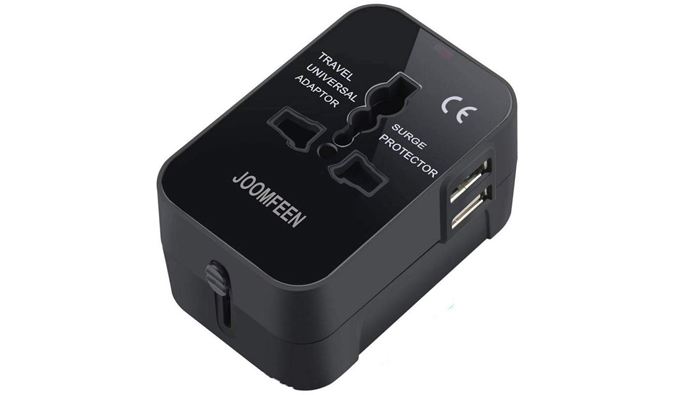
Noise-canceling headphones, such as the Bose QuietComfort series, serve a dual purpose in this context: they act as a productivity tool by creating a focused environment and as a wellness product by reducing the auditory fatigue associated with long-haul flights. Furthermore, the necessity of universal connectivity has turned the travel adapter into a critical infrastructure piece. Modern adapters that include integrated USB and USB-C ports reflect the reality of a multi-device world, where travelers must simultaneously charge laptops, smartphones, and wearable tech across varying electrical standards.
Health, Wellness, and Biological Optimization on the Road
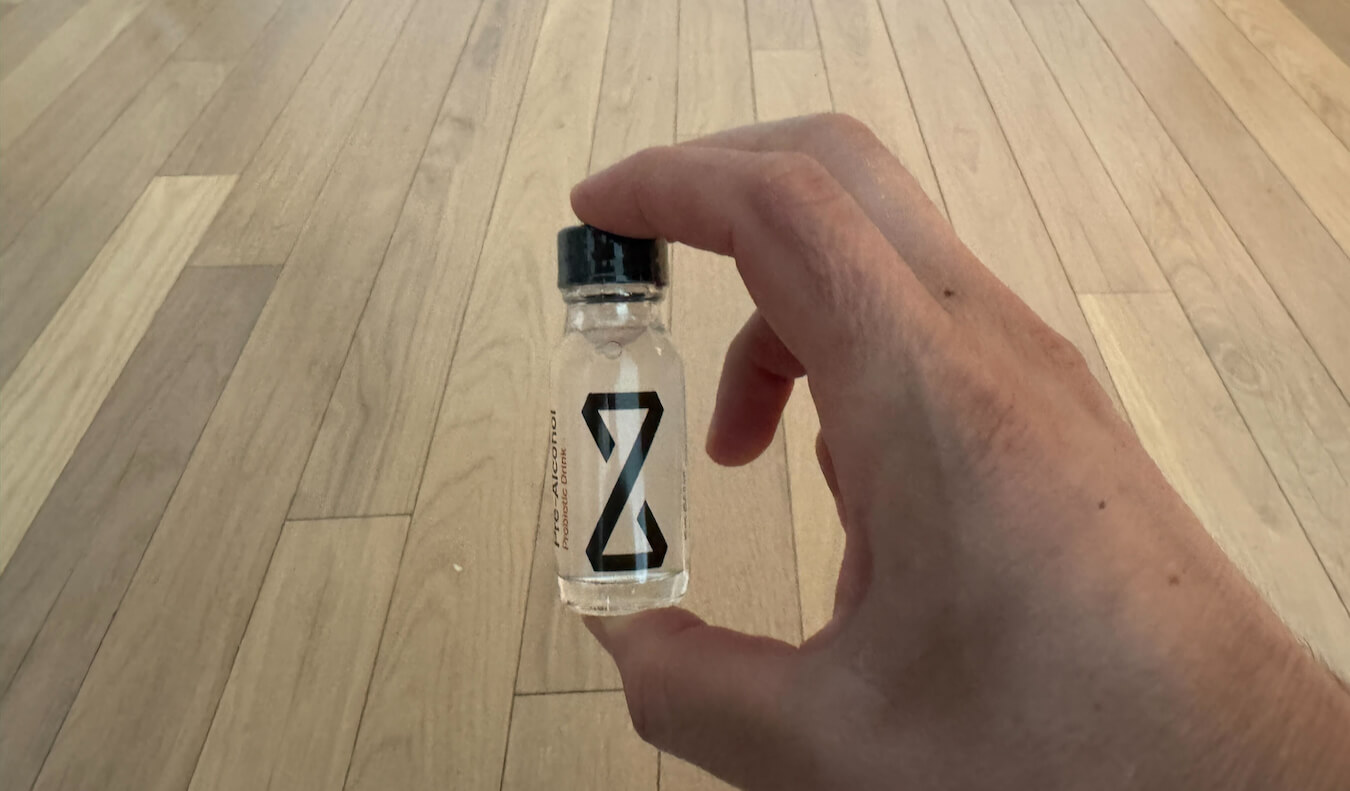
A significant subset of the travel gear market is now dedicated to biological maintenance and health optimization. Travel inherently disrupts the body’s circadian rhythms and exposes individuals to varying environmental stressors. Consequently, products that mitigate these effects have seen rapid adoption. The emergence of pre-alcohol probiotics, such as Zbiotics, highlights a trend toward "functional wellness" where travelers seek to maintain peak physical performance even while engaging in the social aspects of local cultures.
Hygiene and sanitation have also seen a shift toward sustainable alternatives. The rise of dry shampoo and solid toiletries reflects a dual desire to bypass liquid restrictions at security checkpoints and to reduce the environmental footprint of travel. Similarly, menstrual cups have gained traction among female travelers as an eco-friendly, space-saving alternative to traditional products, which can be difficult to source in certain regions. For those venturing into areas with questionable infrastructure, water filtration technology has become a lifesaver. Brands like LifeStraw address both the logistical need for clean water and the ethical imperative to reduce single-use plastic consumption, which has become a major point of contention in sensitive ecosystems like Southeast Asia and the Amazon.
The Geography of Inspiration: Mapping and Documentation
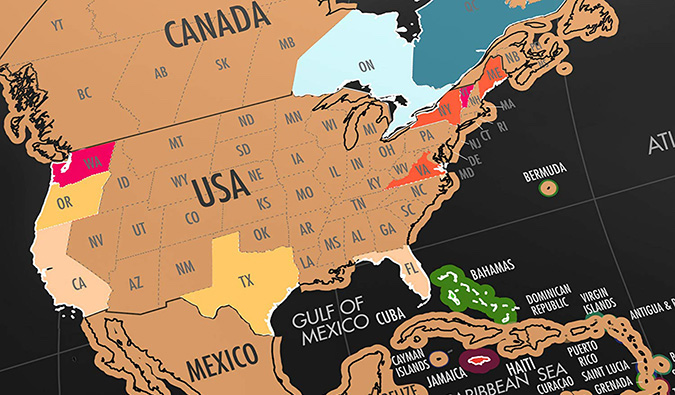
Despite the digitization of travel, physical mementos and analog tools for inspiration remain highly valued. Typographic food maps and scratch-off travel maps serve as both decorative items and motivational tools, allowing travelers to visualize their progress across the globe. These items tap into the "gamification" of travel, where the act of visiting a new country is rewarded with a visual marker.
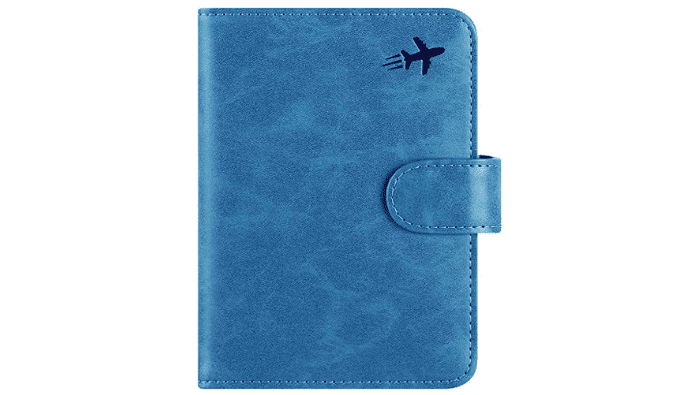
Furthermore, the documentation of travel has evolved from simple snapshots to high-production content creation. The GoPro Hero series remains the dominant force in action photography, offering a level of durability that traditional smartphones cannot match. As travelers increasingly seek "brag-worthy" experiences—ranging from scuba diving in the Great Barrier Reef to hiking the Himalayas—the demand for waterproof, shockproof, and high-definition recording equipment continues to grow. For those who prefer internal reflection over external broadcasting, the Kindle and other e-readers have solved the age-old problem of the "traveling library," allowing for the storage of thousands of volumes without the physical weight that once burdened the traditional backpacker.

Market Trends in Specialized Apparel and Comfort
The textile industry has responded to the needs of the traveler with the development of high-performance fabrics. Merino wool has emerged as the premier material for travel clothing due to its natural antimicrobial properties and moisture-wicking capabilities. Brands like Unbound Merino have capitalized on the "one-bag" movement, offering garments that can be worn for weeks without requiring a wash, thereby drastically reducing the volume of clothing a traveler needs to pack.
Comfort in transit remains a sector ripe for innovation. The Trtl travel pillow, which utilizes an internal support structure rather than the traditional U-shaped inflatable design, represents a paradigm shift in ergonomic travel gear. By providing scientifically backed neck support, such products aim to reduce the prevalence of jet lag and physical strain. In the realm of shared accommodation, specialized earplugs like Loop have moved beyond simple foam barriers to become sophisticated acoustic filters, allowing travelers to find quietude in noisy urban environments or crowded hostel dorms.
Regional Analysis: The European Hostel and Transit Sector
The European travel market remains a primary driver for budget-conscious gear. The introduction of the HostelPass, a digital discount card for hostels across Europe, reflects the continent’s dense and interconnected tourism infrastructure. With over 130 participating locations, this tool is indicative of a broader trend toward "membership-based" travel, where upfront costs are exchanged for long-term savings. This model is particularly attractive to the "Gap Year" demographic and long-term nomads who navigate the high costs of major European hubs like London, Paris, and Amsterdam.

For those navigating these regions, the choice of a backpack is perhaps the most critical decision. Professional reviews often highlight the REI Flash 55 or similar high-capacity, lightweight bags as the gold standard for multi-country treks. These bags are designed with advanced suspension systems that distribute weight to the hips, reflecting an engineering focus on long-term physical health for the wearer.
Economic and Environmental Implications of Modern Travel Gear
The broader impact of these gift choices extends beyond the individual traveler. The shift toward reusable towels, filtered water bottles, and solid toiletries represents a collective movement toward reducing the carbon footprint of the tourism industry. According to the World Tourism Organization (UNWTO), sustainable tourism is no longer a niche market but a requirement for the industry’s survival. Gear that promotes longevity and reduces waste aligns with global efforts to preserve the very destinations travelers seek to explore.

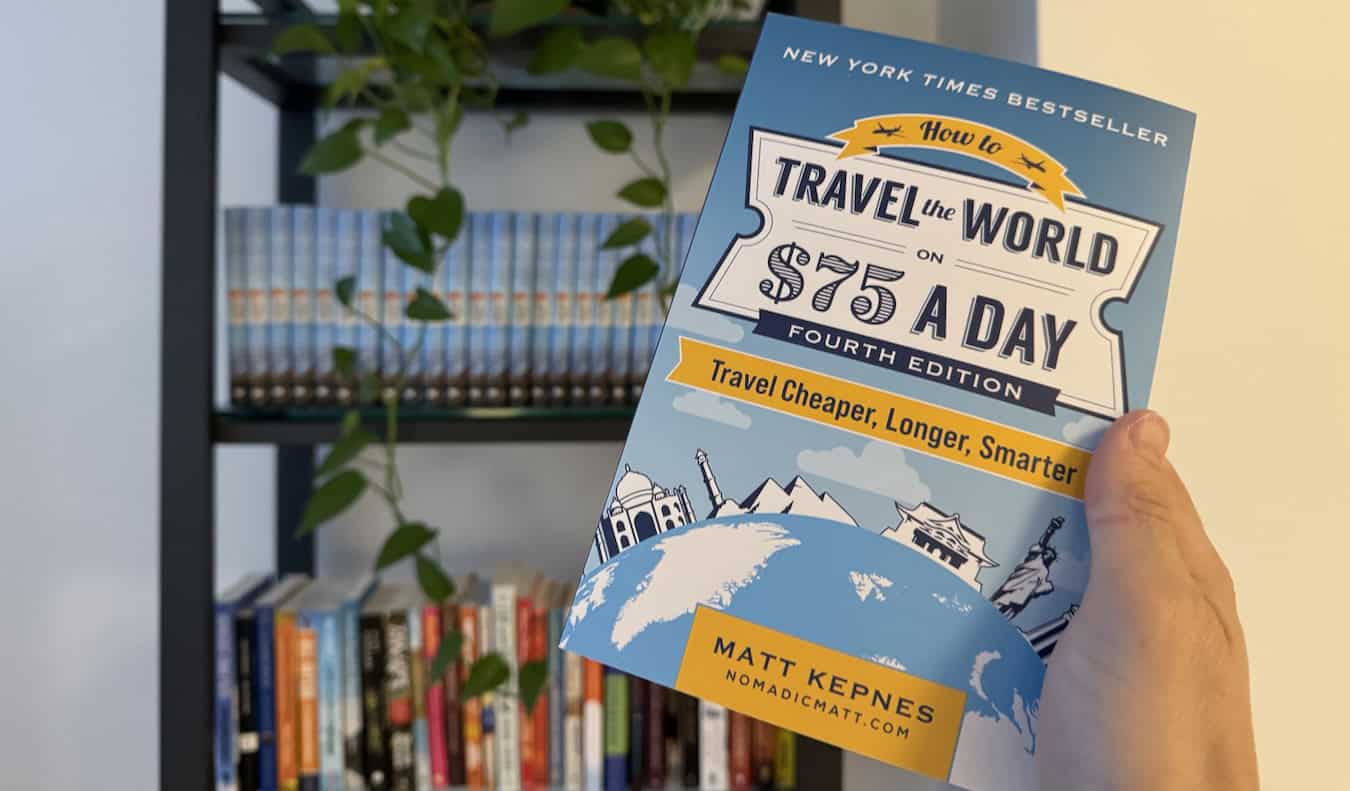
From an economic perspective, the "budget travel" industry, supported by literature like Matt Kepnes’ How to Travel the World on $75 a Day, has democratized global exploration. By providing the tools and knowledge to travel cheaper, these resources have expanded the market to include demographics that were previously priced out of international transit. This democratization fuels local economies in developing regions, where tourism often serves as a primary source of foreign exchange.

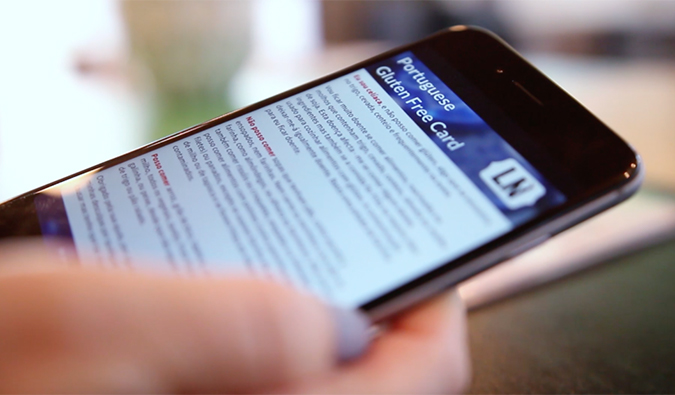
In conclusion, the selection of travel gear in the current era is an exercise in balancing technical performance with logistical simplicity. Whether it is a high-capacity external battery for a remote worker or a set of Celiac travel cards for a traveler with dietary restrictions, the most valuable gifts are those that empower the individual to navigate the world with greater autonomy and less stress. As the industry continues to innovate, the line between "travel gear" and "daily essentials" continues to blur, reflecting a world that is more mobile, more connected, and more conscious of its global footprint than ever before.




 Budi Mulyono
 Anjar Salim
 Chandra Hamzah
 Tatiana Tantri Indah Sari

 Lukman Taruna Persada Ramadan