
 Diana Nuri Rohmawati
The landscape of international tourism is undergoing a fundamental transformation as travelers increasingly reject traditional, "extractive" models of visitation in favor of deeper, more integrated cultural experiences. For decades, the standard travel paradigm involved passive consumption: visiting landmarks, dining at guidebook-recommended establishments, and engaging in brief, surface-level interactions with local populations. However, a growing movement toward "working holidays" and structured volunteering is challenging this status quo, offering a more sustainable and economically integrated alternative to both traditional tourism and the often-exclusive "digital nomad" lifestyle.
Industry experts and travel analysts note that while the dream of "dropping in" and instantly befriending locals is a common traveler fantasy, the reality is often hindered by the transitory nature of short-term visits. In response, companies like Global Work & Travel have spent nearly two decades developing the "scaffolding" necessary to facilitate long-term stays that prioritize contribution and relationship-building over mere observation. By providing the logistical support for working holidays, internships, and vetted volunteer programs, these organizations are enabling a shift toward "embedded" travel, where participants live, work, and contribute to local economies for months or even years.
The Evolution of the Working Holiday and the Gap Year Market
The concept of the working holiday has its roots in post-World War II diplomatic efforts to foster cultural understanding among youth. Originally centered around Commonwealth nations, these reciprocal visa agreements allowed young citizens to fund their travels by taking up temporary employment in their host countries. Over the last twenty years, this niche has expanded into a multi-billion-dollar global industry.
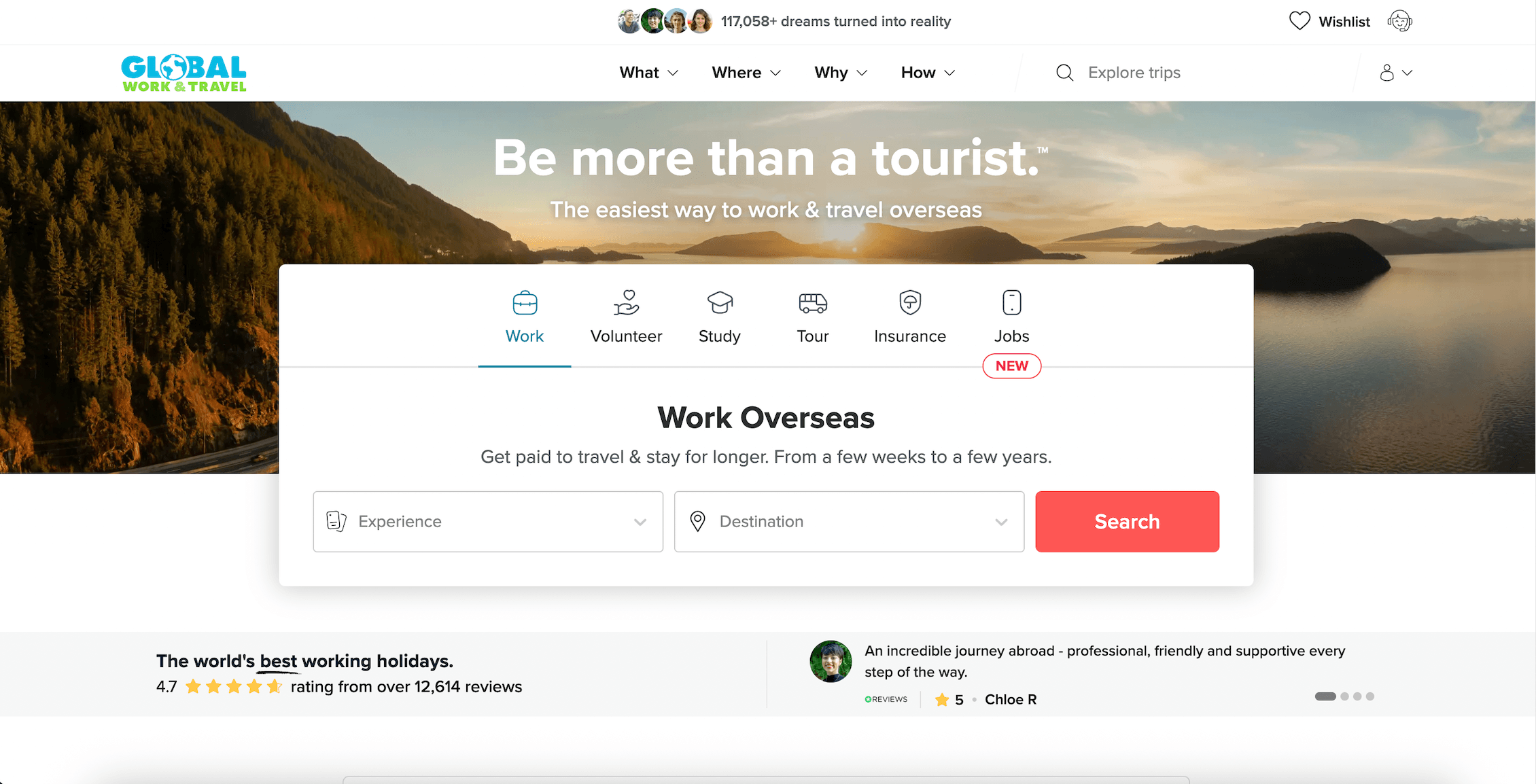
Global Work & Travel, established nearly 20 years ago, has emerged as a dominant force in this sector. To date, the organization has facilitated experiences for over 116,000 travelers across the United Kingdom, Europe, the Americas, Asia, Africa, and the Pacific. The evolution of the company mirrors a broader trend in the travel industry: the professionalization of the "gap year." What was once a disorganized rite of passage for backpackers has become a structured career-development tool.
This transition is supported by the development of sophisticated digital tools. Platforms such as the gWorld portal—a personal trip management application—now allow travelers to organize visas, job placements, and accommodation from a single interface. This technological integration has lowered the barrier to entry for long-term travel, moving it away from the "deliberation" phase and into the "reality" phase for tens of thousands of young professionals and students annually.
Comparative Analysis: Working Holiday Makers vs. Digital Nomads
For the past decade, the "digital nomad" has been the primary aspirational figure in long-term travel. This model typically involves remote work for a company in a high-income country while residing in a lower-cost destination. However, market analysis suggests that this model is only accessible to a small subset of the global workforce—those with high-level technical skills, stable remote employment, and significant career autonomy.
In contrast, the working holiday model is increasingly viewed as a more democratic and grounded version of long-term travel. Rather than "floating above" the local economy, working holiday makers integrate directly into it.
Economic and Social Integration Factors:
- Labor Participation: While digital nomads often spend their income in local businesses, they rarely participate in the local labor market. Working holiday makers fill essential roles in hospitality, agriculture, and education, addressing seasonal labor shortages in countries like Australia, Canada, and New Zealand.
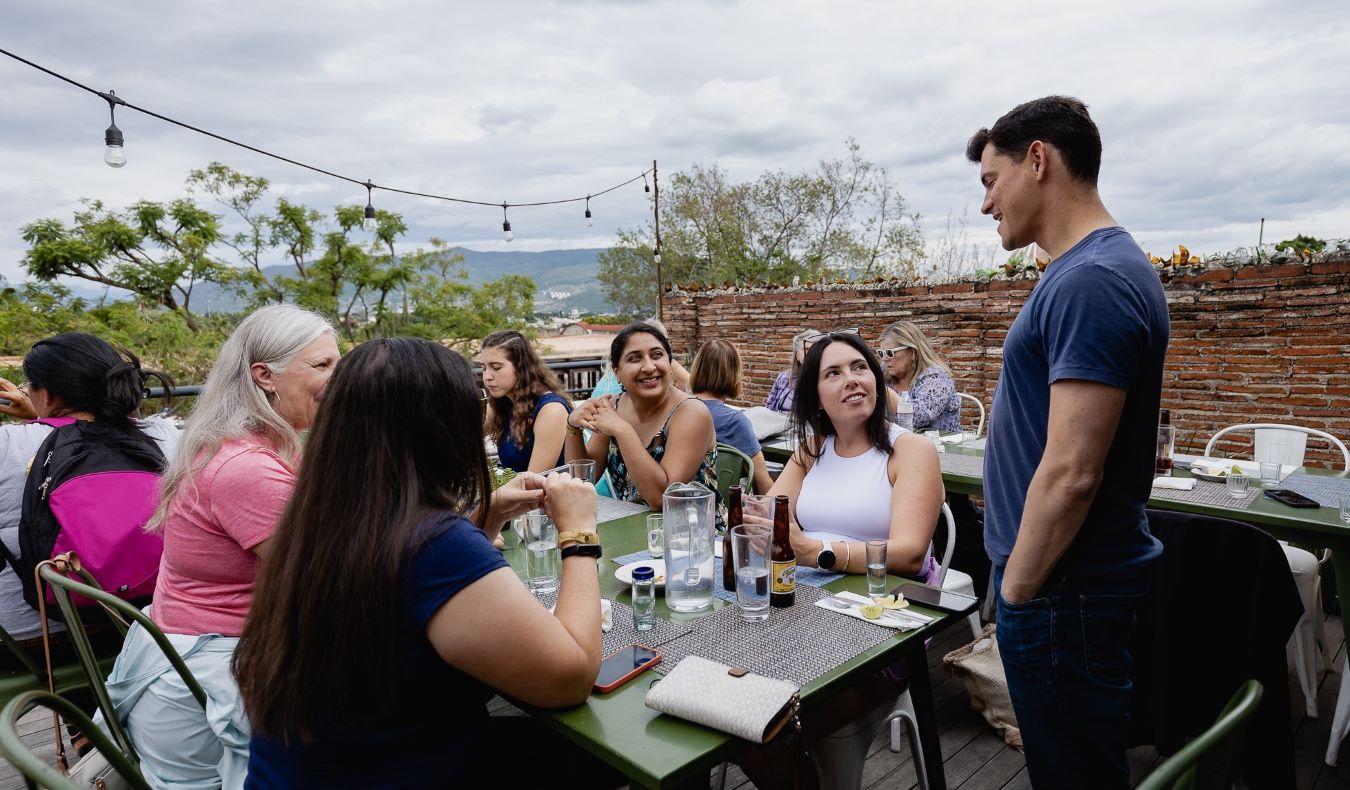
- Social Connectivity: Working holiday participants meet peers through shared labor and local workplaces, fostering deeper social ties than those typically found in coworking spaces or short-term hostels.
- Financial Sustainability: The model allows travelers to earn in local currency, making year-long stays feasible for those without significant savings or established remote businesses.
Experts argue that this shift represents a move toward a more "accessible" lifestyle. By securing employment upon arrival, travelers gain a schedule and a sense of purpose that facilitates genuine cultural immersion, transforming travel from a vacation into a lived experience.
The Ethics and Impact of International Volunteering
The international volunteering sector, often referred to as "voluntourism," has faced significant scrutiny over the past decade. Critics have pointed to programs that prioritize the "feel-good" experience of the traveler over the actual needs of the host community, sometimes resulting in profit-driven campaigns with little long-term benefit.
In response to these criticisms, the industry has moved toward more rigorous vetting and ethical frameworks. Organizations are now expected to partner with local communities to address priorities defined by the residents themselves. This includes wildlife conservation in South Africa, community development in Zanzibar, and elephant rehabilitation in Thailand.
The shift toward ethical volunteering is also reflected in financial commitments. For example, the Global Animal Welfare Fund channels resources directly into conservation projects at partner sites, ensuring that the impact of the program extends beyond the labor provided by individual volunteers. For the traveler, these programs offer a perspective shift that passive tourism cannot provide, requiring an understanding of local struggles and ecosystems.
Logistical Barriers and the Role of Support Scaffolding
Moving abroad remains a complex undertaking involving significant bureaucratic and financial risks. For many, the challenges of securing a visa, finding permanent accommodation, and navigating a foreign job market are prohibitive.
Key Challenges for Independent Long-Term Travelers:
- Visa Navigation: Each country has specific quotas, age limits (typically 18–35 for working holidays), and documentation requirements.
- Employment Competition: Competing against locals for entry-level positions without a local network can lead to months of unemployment.
- Safety and Security: Solo travelers, who make up a significant portion of the gap-year demographic, often face concerns regarding housing scams and financial security.
Structured programs address these barriers by providing "scaffolding"—pre-departure support, visa guidance, and job matching. This support structure is often the deciding factor for first-time travelers. Furthermore, policies such as "lifetime deposits" have become an industry standard to protect consumers against changing circumstances, ensuring that initial investments remain valid for future travel.
Supporting Data and Demographic Trends
Recent data from the World Youth Student and Educational (WYSE) Travel Confederation indicates that the youth travel market is one of the fastest-growing sectors in the global tourism industry. Unlike older demographics, younger travelers (ages 18–30) are more likely to spend a higher percentage of their budget on experiences and are staying in destinations for longer periods.
Demographic and Economic Indicators:
- Age Range: While working holiday visas are generally capped at age 35, teaching and volunteering programs have expanded to include participants aged 18 to 80, reflecting a growing interest in "career breaks" among older professionals.
- Planning Horizon: Most long-term travelers book their trips 6 to 12 months in advance to account for visa quotas and job matching cycles.
- Social Dynamics: The rise of "solo travel" has led to the creation of digital communities (such as the gWorld Community) that allow travelers to connect before they even leave their home country.
Broader Implications for Global Tourism
The transition toward working holidays and ethical volunteering suggests a broader shift in how society values travel. As "overtourism" becomes a critical issue for major global landmarks, the dispersal of travelers into local workforces and conservation projects offers a potential solution. This model encourages visitors to move away from congested tourist hubs and into regional areas where their labor and spending are more needed.
Furthermore, the "international experience" gained through these programs is increasingly recognized by employers as a valuable asset. The skills developed—cross-cultural communication, adaptability, and independence—are viewed as essential in a globalized economy.
In conclusion, the era of the passive tourist is being challenged by a new generation of "deep travelers." By utilizing structured support systems to navigate the complexities of working and living abroad, individuals are moving beyond the surface level of the landmarks they visit. The result is a more sustainable, ethically grounded, and personally transformative approach to exploring the world. As the barriers to these experiences continue to lower, the working holiday is poised to become not just an alternative to digital nomadism, but the primary vehicle for meaningful global engagement.


 Anjar Salim
 Chandra Hamzah
 Tatiana Tantri Indah Sari
 Budi Mulyono

