
 Diana Nuri Rohmawati
The island of Ko Lipe, once a remote outpost in the Adang-Rawi Archipelago of the Andaman Sea, has undergone a radical transformation over the past two decades, transitioning from a secluded backpacker haven into a densely developed tourist hub. This evolution, mirrored across several of Thailand’s southern islands, has sparked a growing debate regarding the sustainability of the nation’s tourism model and the long-term viability of its marine ecosystems. Reports from long-term visitors and environmental analysts indicate that the rapid influx of capital and infrastructure has led to significant ecological degradation, resource depletion, and the displacement of indigenous communities. As the island grapples with the consequences of its own popularity, Ko Lipe now serves as a primary case study for the phenomenon of overtourism in Southeast Asia.
Historical Context: From Secluded Outpost to Global Destination
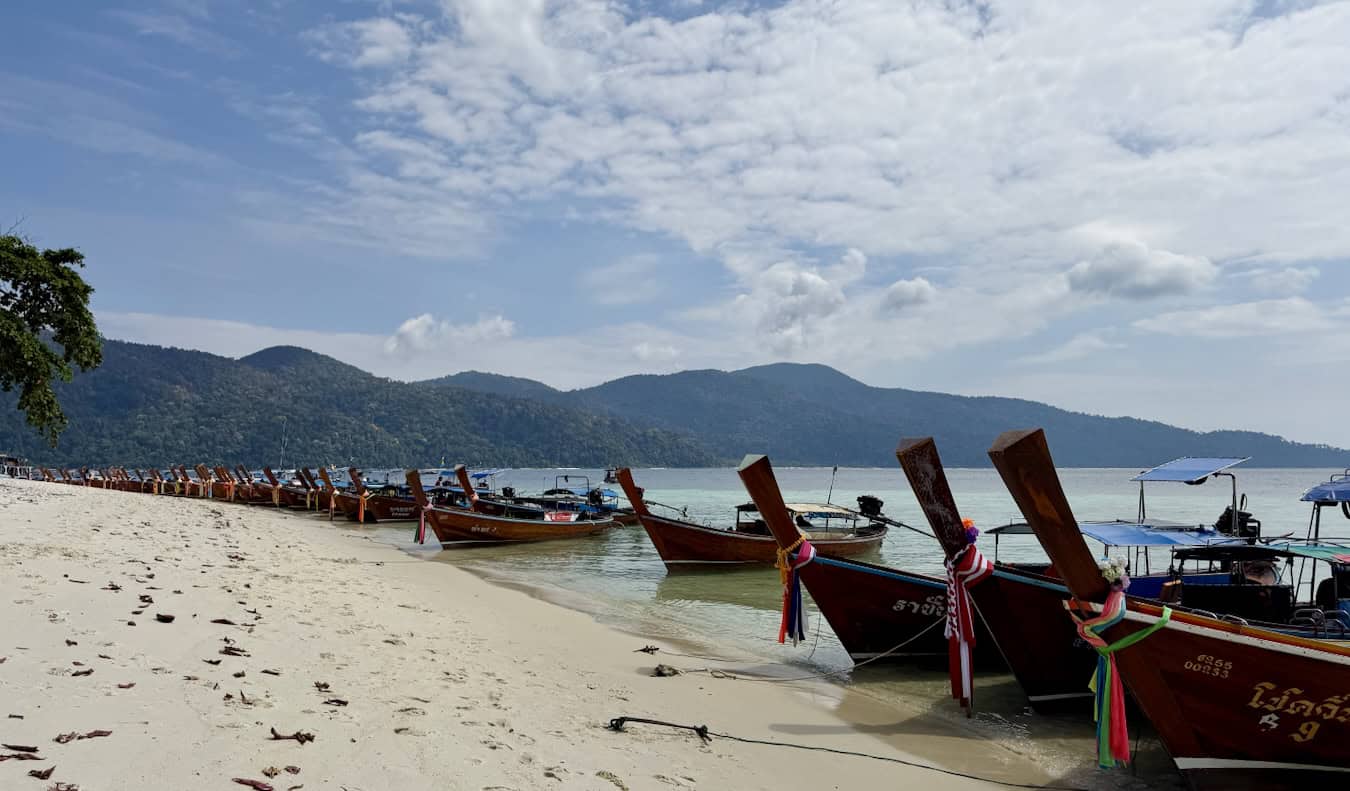
In the early 2000s, Ko Lipe was characterized by its relative isolation. Located approximately 60 kilometers from the Thai mainland in Satun Province, it was part of the Tarutao National Marine Park, yet remained largely "off the beaten path" compared to established destinations like Phuket or Ko Samui. In 2006, the island’s infrastructure was rudimentary; electricity was provided by private generators for only a few hours each evening, and the primary modes of transport were dirt footpaths. Accommodation largely consisted of basic bamboo bungalows catering to intrepid travelers, with a local economy primarily driven by small-scale fishing and limited hospitality services.
The island’s appeal lay in its "last frontier" status. It was one of the few places where the traditional lifestyle of the Urak Lawoi—the indigenous "Sea Gypsies" of the Andaman—remained visible. However, the subsequent 19 years saw a concerted effort by mainland developers to capitalize on the island’s white-sand beaches and azure waters. This period marked a shift from low-impact backpacker tourism to a high-volume model, characterized by the construction of concrete roads, permanent electrical grids, and high-end luxury resorts.
Chronology of Development and Infrastructure Shift
The timeline of Ko Lipe’s development can be divided into three distinct phases: the Discovery Phase (pre-2005), the Expansion Phase (2006–2015), and the Saturation Phase (2016–present).
During the Discovery Phase, Ko Lipe was a seasonal destination. Boat services were infrequent, and the island effectively "closed" during the monsoon season. By the Expansion Phase, the introduction of high-speed ferries from the mainland and international links to Langkawi, Malaysia, increased accessibility. This period saw the first wave of concrete construction, as dirt paths were paved to accommodate motorcycles and small utility vehicles.
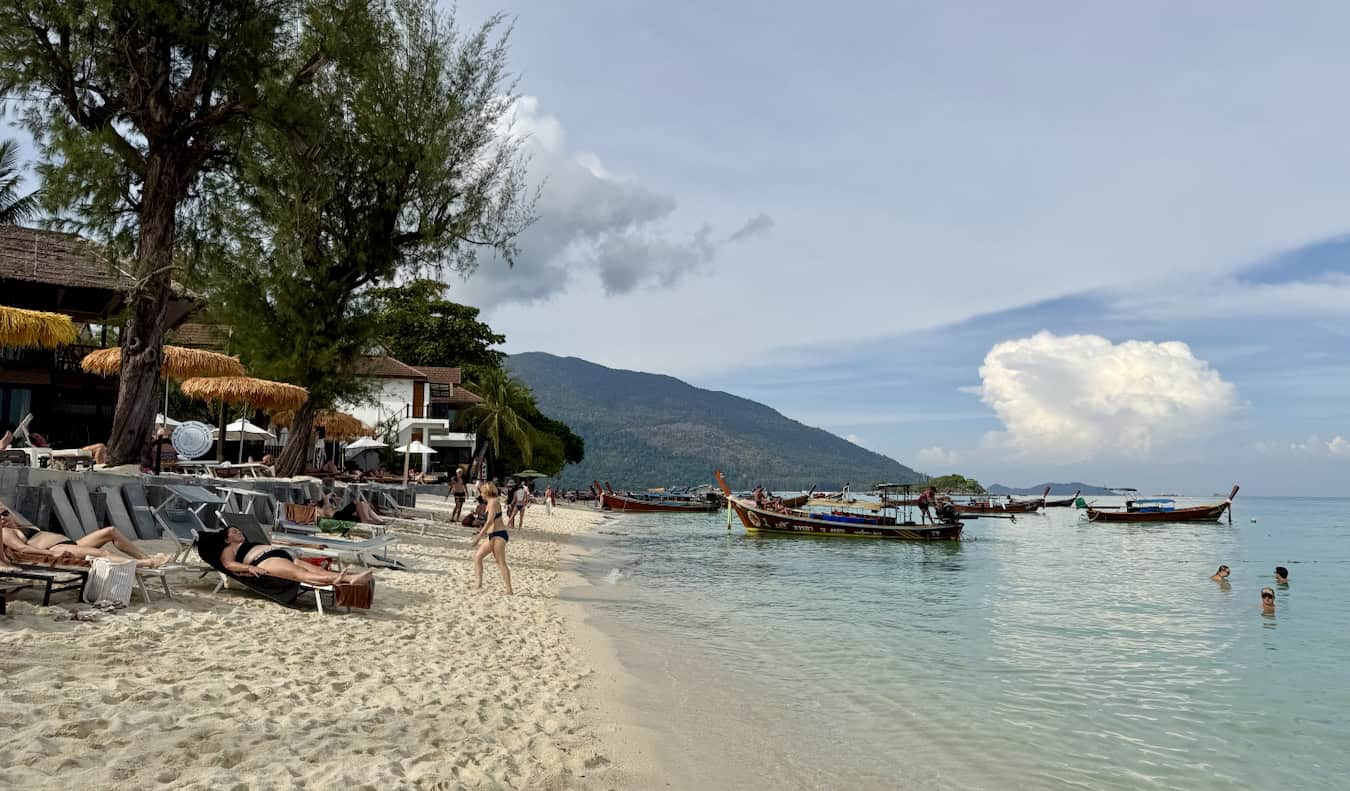
In the Saturation Phase, the development moved inland. Swaths of palm groves and tropical forest were cleared to make room for resorts equipped with swimming pools and air conditioning. This phase also saw the rise of "Walking Street," a commercialized thoroughfare lined with international restaurant chains, boutiques, and bars. By 2024, the island’s footprint had been almost entirely altered, with much of the original vegetation replaced by permeable and non-permeable surfaces, leading to increased runoff and heat retention.
Environmental Degradation and Resource Depletion
The most critical impact of Ko Lipe’s rapid growth is the strain on its limited natural resources. Unlike larger islands, Ko Lipe lacks a significant natural freshwater lens. The proliferation of luxury resorts with private pools has forced a reliance on energy-intensive desalination processes or the transport of water from the mainland, both of which carry high environmental costs.
Furthermore, the surrounding marine environment—the very asset that drives tourism—is in a state of documented decline. The following factors have contributed to the degradation of the local reef systems:
- Sedimentation and Runoff: The conversion of forest to concrete has increased the volume of sediment and untreated wastewater flowing into the sea. This creates "turbidity," which blocks sunlight from reaching coral polyps, effectively suffocating the reef.
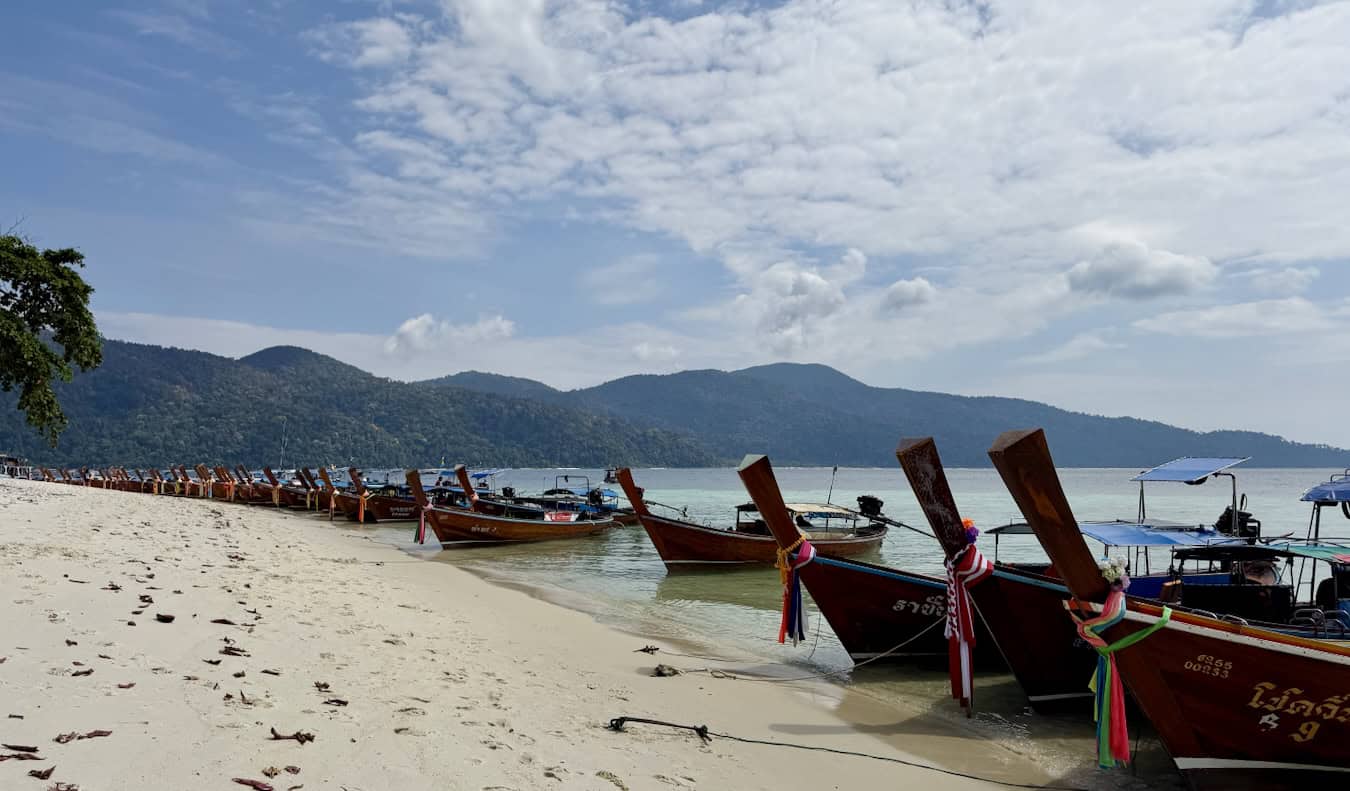
- Anchor Damage and Vessel Pollution: The beach peripheries are now heavily congested with longtail boats and speedboats. Constant anchoring destroys coral structures, while the discharge of fuel and oil creates a visible film on the water’s surface, impacting both marine life and the safety of recreational swimmers.
- Overfishing and Waste Management: To meet the culinary demands of thousands of daily visitors, local fish stocks have been pressured. Additionally, the island’s waste management systems have struggled to keep pace with the volume of plastic and organic waste generated, leading to overflow and leakage into the national park’s protected waters.
Data from regional marine biologists suggest that coral bleaching and physical damage in the Adang-Rawi archipelago have accelerated in the last decade, with some areas showing a 40-60% reduction in live coral cover compared to early 2000s baselines.
Socio-Economic Displacement of the Urak Lawoi
The boom in tourism has also fundamentally altered the social fabric of the island. The Urak Lawoi, who were granted land rights on Ko Lipe by the Thai royalty in the mid-20th century, have faced significant pressure from mainland developers. As land values skyrocketed, many indigenous families were incentivized—or in some cases, legally pressured—to sell their ancestral plots.
Consequently, much of the island’s prime real estate is now owned by external corporations and mainland investors. The local workforce has seen a similar shift; while the Urak Lawoi once formed the backbone of the island’s economy, many service positions are now filled by migrant workers from the mainland or neighboring countries. While tourism has brought higher nominal income to the region, the benefits are unevenly distributed, and the loss of cultural heritage and land autonomy remains a point of significant concern for social advocacy groups.
The "Ko Phi Phi" Model: A Failed Paradigm?
Analysts often compare Ko Lipe’s trajectory to that of Ko Phi Phi, an island that became a global symbol of overtourism following the release of the film The Beach. Ko Phi Phi’s Maya Bay was famously closed to tourists in 2018 after experts determined that the ecosystem was on the brink of total collapse due to thousands of daily visitors.
Ko Lipe appears to be following a similar "build first, regulate later" paradigm. The lack of strict zoning and the prioritization of short-term economic gains over long-term ecological health have led to a situation where the island’s carrying capacity has been exceeded. While some tourists—particularly those visiting for the first time—still find the island aesthetically pleasing compared to the extreme urbanization of Phuket, veteran travelers and environmentalists warn that the "tipping point" has already been reached.
Official Responses and Policy Implications
The Thai Department of National Parks, Wildlife and Plant Conservation (DNP) and the Tourism Authority of Thailand (TAT) have faced criticism for their handling of Ko Lipe’s development. While the DNP has implemented entry fees for the national park, critics argue that these funds are rarely reinvested into local conservation or infrastructure improvements on the island itself.
In response to the growing crisis, there have been calls for:
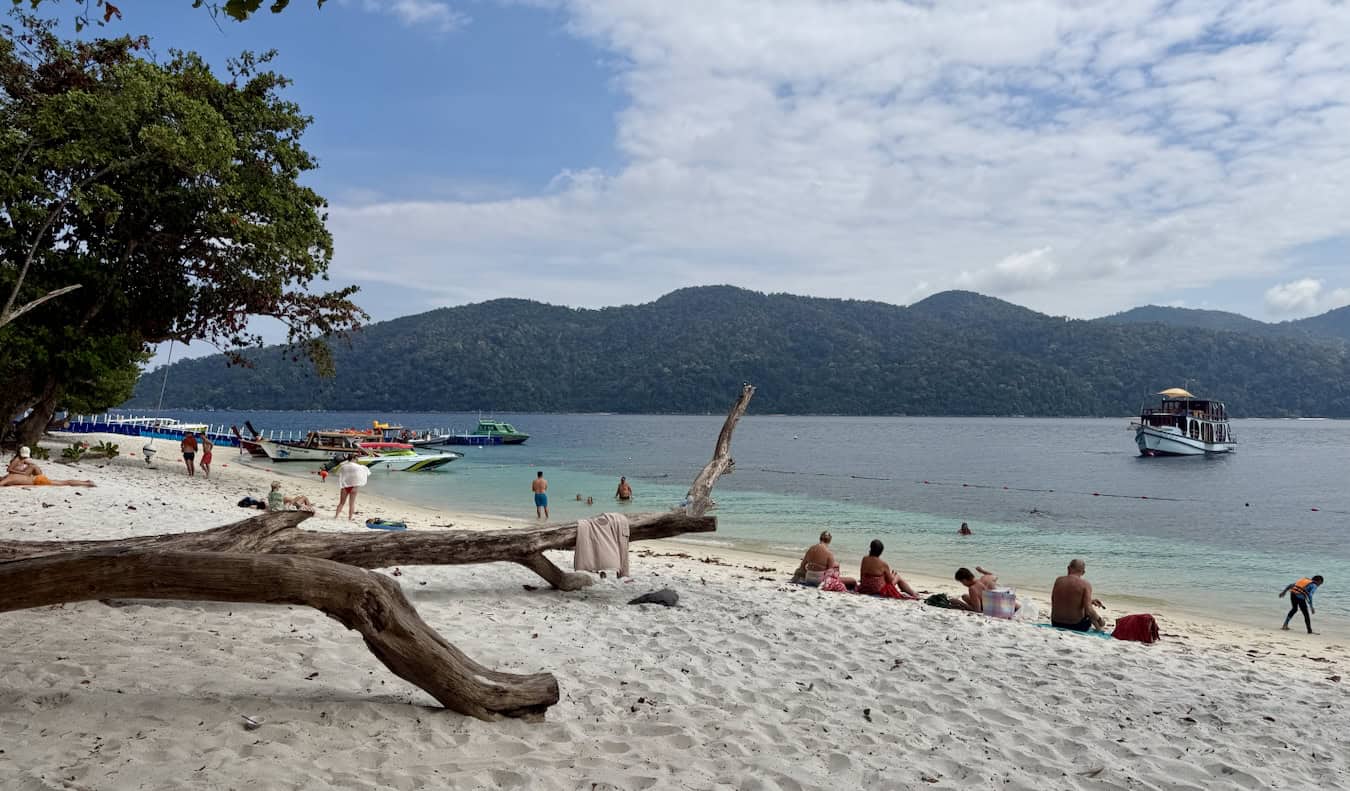
- Mandatory Carrying Capacity Limits: Restricting the number of daily arrivals to ensure that waste and water systems can cope.
- Zoning Restrictions: Halting all new construction, particularly projects involving swimming pools or high-density housing.
- Marine Protection Zones: Implementing "no-anchor" zones and expanding buoy systems to protect remaining reef patches.
However, implementing these changes is complicated by the fact that much of the land on Ko Lipe is privately titled, unlike other parts of the national park which remain under total government control. This legal complexity makes it difficult for authorities to mandate the kind of sweeping environmental protections seen in places like the Similan Islands.
Broader Impact and the Role of Sustainable Travel
The situation on Ko Lipe reflects a broader global challenge in the travel industry: the "tragedy of the commons." When a beautiful, limited resource is opened to the mass market without a robust management framework, it is often consumed to the point of exhaustion.
Travel experts are increasingly advocating for "conscious consumerism," urging tourists to choose destinations that are managed with sustainability in mind. Nearby islands such as Ko Lanta, Ko Jum, and Ko Mook are often cited as better-managed alternatives where development has been more measured and integrated with the local community. By diverting foot traffic away from over-saturated zones like Ko Lipe, travelers can reduce their environmental footprint and support economies that prioritize ecological preservation.
The shift in consumer behavior regarding elephant trekking in Thailand serves as a historical precedent; as travelers became aware of the ethical issues, the industry was forced to pivot toward sanctuaries. Environmental advocates hope that a similar shift in awareness regarding overtourism will eventually force a change in how islands like Ko Lipe are managed.
Conclusion
Ko Lipe stands at a critical juncture. The transition from a pristine marine sanctuary to a congested urbanized island has happened with startling speed, leaving the environment and the local community struggling to adapt. While the island remains a popular destination for thousands of travelers each year, the data suggests that its current path is unsustainable. Without immediate and rigorous intervention from both the public and private sectors, Ko Lipe risks losing the very natural beauty that made it a world-class destination in the first place. The story of Ko Lipe is not just about one island; it is a cautionary tale for the future of global tourism in an era of environmental fragility.




 Anjar Salim
 Chandra Hamzah
 Tatiana Tantri Indah Sari
 Budi Mulyono

