
 Tatiana Tantri Indah Sari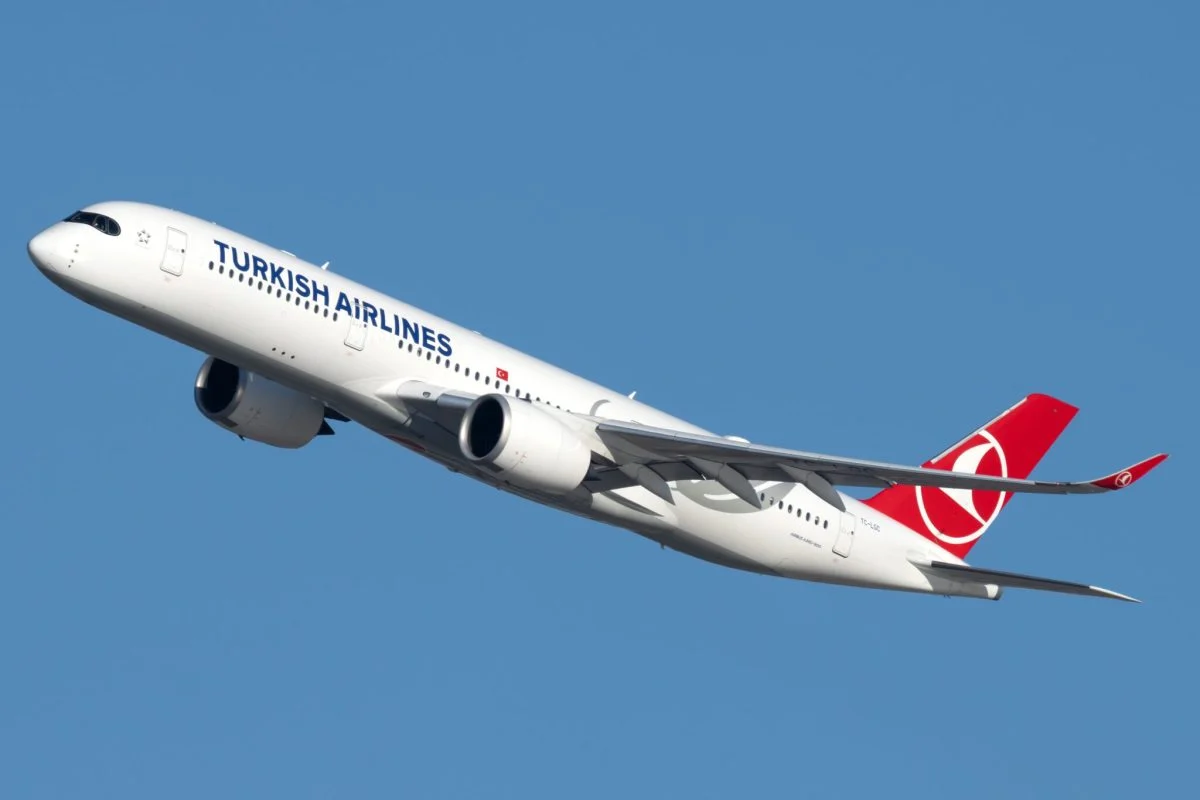
Turkish Airlines, one of the world’s leading carriers, announced a significant shake-up in its executive ranks on Thursday, unveiling a new chairman and chief executive officer in a move poised to shape the airline’s future strategic direction. Murat Şeker, previously the carrier’s chief financial officer, has been appointed Chairman of the Board of Directors and Executive Committee, while Ahmet Olmuştur, who served as the Chief Commercial Officer, will now assume the role of CEO. This leadership transition follows the resignation of Ahmet Bolat, who stepped down from his post after a four-year tenure at the helm of the national flag carrier.
New Leadership at the Helm: Profiles and Strategic Implications
The appointment of Murat Şeker to the prestigious position of Chairman of the Board of Directors and Executive Committee underscores a potential shift towards a sharpened focus on financial strategy and corporate governance. Şeker brings a robust financial background to his new role, having served as Turkish Airlines’ Chief Financial Officer, a critical position responsible for overseeing the airline’s financial health, investment strategies, and risk management in a highly volatile industry. Prior to his tenure at Turkish Airlines, Şeker garnered extensive experience in both international and domestic financial sectors. He previously worked as an economist at the World Bank, an institution renowned for its rigorous economic analysis and development initiatives. This experience would have provided him with a broad understanding of global economic trends and their impact on various industries, including aviation. Furthermore, his role as a Senior Vice President at Ziraat Bank, one of Turkey’s major public banks, equipped him with significant expertise in large-scale financial operations, corporate banking, and strategic financial planning within the Turkish economic landscape. His elevation suggests a strong emphasis on fiscal prudence, optimizing capital allocation, and navigating the complex financial challenges inherent in managing a global airline, particularly in a post-pandemic environment marked by fluctuating fuel prices, currency exchange rates, and geopolitical uncertainties.
Complementing Şeker’s financial acumen, Ahmet Olmuştur steps into the Chief Executive Officer role, bringing a deep understanding of commercial operations and market dynamics. As the former Chief Commercial Officer (CCO) of Turkish Airlines, Olmuştur was instrumental in shaping the airline’s market strategy, sales, marketing, and network development. His experience in this critical domain is expected to ensure continuity in Turkish Airlines’ aggressive expansion plans and its commitment to enhancing its global reach and passenger experience. The CCO role demands a keen sense of customer needs, competitive landscapes, and revenue generation strategies. Olmuştur’s promotion signals the airline’s continued dedication to solidifying its position as a preferred carrier for both leisure and business travelers, expanding its extensive route network, and leveraging its strategic hub at Istanbul Airport. His commercial background is particularly vital as airlines worldwide compete fiercely for market share, especially in transit traffic, where Turkish Airlines has established a formidable presence.
The Departure of Ahmet Bolat and His Legacy
Ahmet Bolat’s resignation concludes a four-year period of significant transformation and resilience for Turkish Airlines. Taking the helm in a challenging global environment, Bolat’s tenure was largely defined by the unprecedented disruptions caused by the COVID-19 pandemic and the subsequent recovery phase. Under his leadership, Turkish Airlines navigated the severe downturn that crippled the aviation industry worldwide, demonstrating remarkable adaptability and strategic foresight. Bolat oversaw the airline’s robust recovery efforts, which included a swift re-establishment of its extensive flight network, a focus on cargo operations to bolster revenue during passenger travel restrictions, and strategic initiatives to capture pent-up travel demand. During his leadership, Turkish Airlines cemented its reputation for operational excellence and continued its ambitious growth trajectory, expanding its fleet and exploring new markets even amidst global instability. Industry analysts often credited Bolat with steering the airline through turbulent times, ensuring its financial stability and maintaining its competitive edge against other major carriers. His departure marks the end of an era characterized by resilience and strategic adaptation in the face of global crises.
Turkish Airlines: A Global Powerhouse and Strategic Asset
Turkish Airlines stands as a colossal entity in the global aviation industry, recognized for flying to more countries than any other airline worldwide. Its extensive network, spanning across Europe, Asia, Africa, and the Americas, positions Istanbul Airport as a vital intercontinental hub, connecting diverse cultures and economies. This geographical advantage, coupled with a modern fleet and a commitment to service quality, has propelled Turkish Airlines into the ranks of elite global carriers.
The airline’s strategic importance extends beyond its commercial operations; it is a significant national asset for Turkey, contributing substantially to the country’s economy through tourism, trade, and employment. Its growth trajectory over the past two decades has mirrored Turkey’s increasing geopolitical influence and economic aspirations, acting as a critical bridge between East and West. The airline’s robust cargo division, Turkish Cargo, has also grown exponentially, playing a crucial role in global supply chains, especially during periods of high demand for air freight.
Contextualizing the Executive Transition: Industry Trends and Corporate Governance
Executive changes in major corporations like Turkish Airlines are often part of a natural cycle of corporate governance, reflecting evolving strategic priorities, leadership development, and responses to market dynamics. Such transitions are common in the aviation industry, which is highly sensitive to economic shifts, technological advancements, and regulatory environments. The timing of this announcement comes as the global aviation sector continues to stabilize post-pandemic, grappling with new challenges such as rising operational costs, sustainability pressures, and an increasingly competitive landscape.
Historically, major airlines periodically refresh their leadership to inject new perspectives and expertise, aligning executive capabilities with the company’s long-term vision. The move to appoint a former CFO as Chairman and a CCO as CEO suggests a dual focus: maintaining strong financial health while aggressively pursuing commercial growth and market dominance. This combination of financial oversight at the top board level and commercial drive in the CEO position is a strategic alignment aimed at balanced and sustainable expansion.
Supporting Data and Performance Metrics
While specific real-time data on Turkish Airlines’ current performance would require direct access to financial reports, general trends indicate the airline’s robust recovery. In recent years, Turkish Airlines has consistently reported strong passenger numbers, often exceeding pre-pandemic levels on many routes. For instance, in 2023, the airline aimed to carry over 85 million passengers, demonstrating its capacity for rapid rebound. Its fleet modernization program, with ongoing orders for new generation, fuel-efficient aircraft, underscores its commitment to operational efficiency and environmental sustainability. The airline operates a fleet of over 400 aircraft, making it one of the largest in the world. Furthermore, its expansion into new destinations, particularly in Africa and Central Asia, highlights its strategy to tap into underserved markets and strengthen its global network. The airline’s cargo operations have also seen significant growth, with Turkish Cargo frequently ranking among the top air cargo carriers globally, leveraging Istanbul’s strategic geographical position.
Inferred Statements and Industry Reactions
While official statements from Turkish Airlines regarding the changes are typically concise, it can be logically inferred that the airline will emphasize continuity in its strategic vision and commitment to excellence. A typical statement would thank Ahmet Bolat for his invaluable contributions during a challenging period and express confidence in the new leadership’s ability to steer the airline towards new heights. The board would likely highlight Murat Şeker’s financial expertise and Ahmet Olmuştur’s commercial acumen as key strengths for future success.
Industry analysts are expected to view these appointments as a pragmatic and forward-looking move. Observers might comment on the synergy created by pairing a finance expert as Chairman with a commercial strategist as CEO, suggesting a balanced approach to growth and profitability. There could be speculation about specific strategic shifts, such as an even greater emphasis on cost control and revenue optimization under Şeker, coupled with aggressive network expansion and service enhancements under Olmuştur. Competitors will undoubtedly be watching closely to discern any changes in Turkish Airlines’ competitive posture and market strategies.
Broader Impact and Future Implications
The leadership transition at Turkish Airlines carries significant implications for various stakeholders, including employees, investors, partners, and the broader aviation industry.
- Strategic Direction: The new leadership team is expected to refine and potentially accelerate existing strategies. Murat Şeker’s background suggests a continued focus on financial stability, efficient resource allocation, and prudent investment. This could translate into a more disciplined approach to fleet expansion and route development, ensuring that growth is financially sustainable. Ahmet Olmuştur’s commercial expertise will likely drive continued efforts to enhance passenger experience, optimize pricing strategies, and explore innovative commercial partnerships. Expect an emphasis on digital transformation, leveraging technology to improve operational efficiency and customer engagement.
- Market Position: Turkish Airlines has a stated ambition to become one of the top five airlines globally. The new leadership will be tasked with navigating an increasingly competitive market, characterized by the rise of new long-haul low-cost carriers and the expansion efforts of other established network airlines. Their ability to leverage Istanbul’s strategic hub location and maintain a high standard of service will be crucial in this endeavor.
- Operational Excellence and Sustainability: The aviation industry is under immense pressure to reduce its environmental footprint. The new leadership will need to accelerate sustainability initiatives, including investing in newer, more fuel-efficient aircraft, exploring sustainable aviation fuels (SAF), and optimizing operational procedures to reduce emissions. This will be a key performance indicator for the airline’s future.
- Employee Morale and Corporate Culture: Leadership changes often have an impact on internal dynamics. The new leaders will need to foster a cohesive and motivated workforce, ensuring that the airline’s thousands of employees worldwide are aligned with the new vision and strategic objectives. Maintaining the strong corporate culture that has underpinned Turkish Airlines’ success will be paramount.
- Investor Confidence: For investors, the appointments will be scrutinized for signals regarding the airline’s future profitability and growth prospects. A clear and consistent strategic message from the new leadership will be vital in maintaining investor confidence, particularly given the cyclical nature and external vulnerabilities of the airline sector.
In conclusion, the executive reshuffle at Turkish Airlines, bringing Murat Şeker and Ahmet Olmuştur to the forefront, marks a pivotal moment in the airline’s ongoing journey. This strategic shift in leadership, combining financial acumen with commercial dynamism, signals a deliberate path towards navigating future challenges and capitalizing on new opportunities in the dynamic global aviation landscape. The industry will keenly observe how this new leadership team builds upon the legacy of their predecessors and charts a course for Turkish Airlines’ continued ascent as a global aviation powerhouse.



 Anjar Salim
 Chandra Hamzah
 Budi Mulyono
 Lukman Taruna Persada Ramadan
