
 Budi Mulyono
Alaska Airlines has officially transitioned its loyalty ecosystem with the debut of the Atmos Rewards program, a strategic overhaul accompanied by the release of three distinct credit card offerings designed to cater to a broad spectrum of travelers. This move represents a significant pivot for the Seattle-based carrier as it seeks to deepen its market share in the premium travel sector while maintaining its appeal to value-conscious flyers. The centerpiece of this rollout is a tiered credit card portfolio featuring the Atmos Rewards Summit Visa Infinite card, the Atmos Rewards Ascent Visa Signature card, and a revamped Atmos Rewards Visa Business card. By introducing a high-tier premium card with a $395 annual fee alongside a more accessible $95 option, Alaska Airlines is positioning itself to compete directly with major legacy carriers that have long dominated the luxury travel credit market.
The evolution of the Alaska Airlines loyalty program comes at a pivotal moment for the aviation industry, as carriers increasingly rely on credit card partnerships and loyalty programs to bolster their balance sheets. The Atmos Rewards program replaces the previous Mileage Plan structure with a more integrated, digital-first approach to earning and redeeming miles. Central to this transition is the integration of the recently merged Hawaiian Airlines operations, allowing for a seamless transfer of points between the two brands. This integration provides Alaska Airlines with a strengthened footprint in the Pacific and a more robust value proposition for travelers frequenting both the West Coast and the Hawaiian Islands.

The New Credit Card Portfolio: Summit, Ascent, and Business
The introduction of the Atmos Rewards Summit Visa Infinite card marks Alaska Airlines’ first foray into the ultra-premium credit card market. With an annual fee of $395, the card is aimed at frequent flyers who prioritize luxury perks and high-velocity point accumulation. As a Visa Infinite product, the Summit card offers a suite of high-end benefits, including enhanced lounge access, priority boarding, and comprehensive travel insurance. Industry analysts suggest that the Summit card is designed to capture the "high-yield" traveler—individuals who might otherwise gravitate toward premium offerings from American Express or Chase.
Conversely, the Atmos Rewards Ascent Visa Signature card serves as the foundational product for the majority of the airline’s loyalists. Carrying a more modest $95 annual fee, the Ascent card retains many of the core benefits that have made Alaska’s previous credit card offerings popular, such as the annual companion fare and checked bag fee waivers. This two-tier consumer strategy allows Alaska Airlines to maximize its reach, providing a gateway for entry-level travelers while offering an "aspirational" tier for those willing to pay for enhanced service and rewards.
For the commercial sector, the Atmos Rewards Visa Business card has been updated to reflect the new program’s earning structure. Small and medium-sized enterprises (SMEs) are the primary target for this card, which offers tools for expense management and accelerated earning on business-related categories such as shipping and office supplies, in addition to standard airline rewards.
Strategic Merger and Point Portability
A defining feature of the new Atmos Rewards era is the finalized merger between Alaska Airlines and Hawaiian Airlines. In a move that has significant implications for the competitive landscape of the U.S. aviation market, the two carriers have integrated their loyalty systems to allow for the 1:1 transfer of points. This portability is a critical component of the Atmos Rewards value proposition, effectively doubling the redemption options for cardholders.
Travelers can now leverage Alaska’s extensive domestic and Oneworld alliance network alongside Hawaiian Airlines’ specialized routes to Asia and the South Pacific. The technical integration of these programs allows users to combine their balances through a dedicated online portal, providing a unified currency for travel across a combined fleet that now serves over 140 destinations. This synergy is expected to drive higher engagement with the Atmos Rewards credit cards, as the utility of the points has expanded significantly.
Expanding the Global Partner Ecosystem
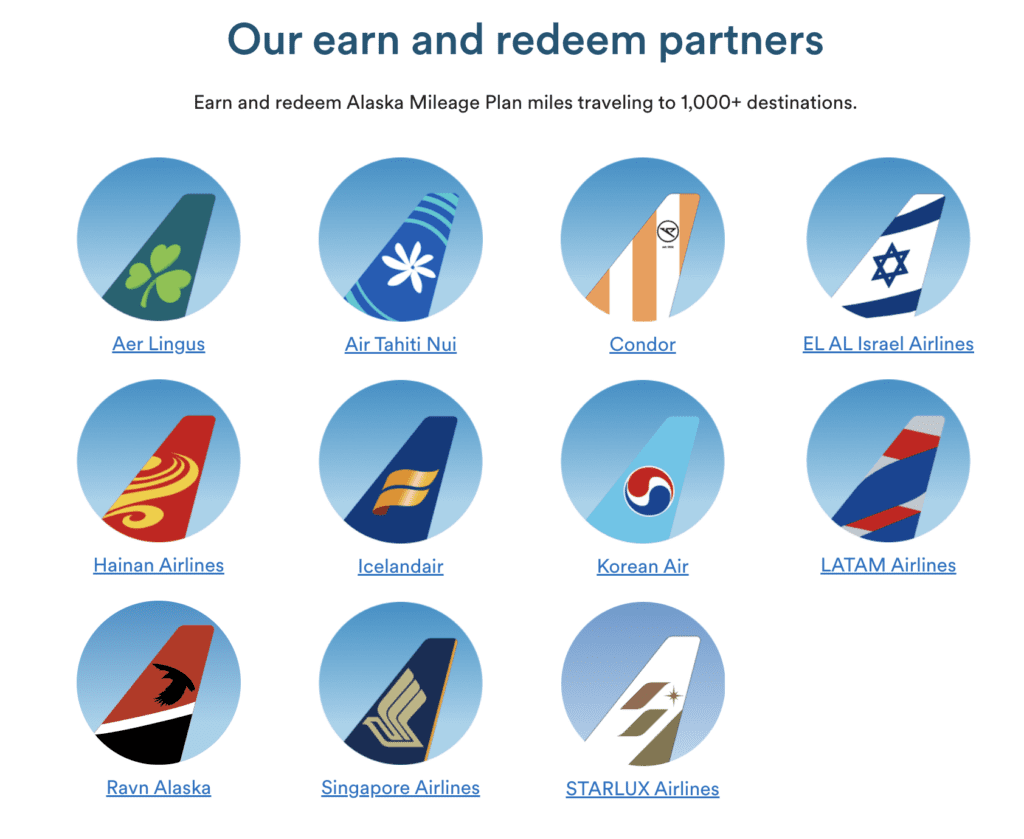
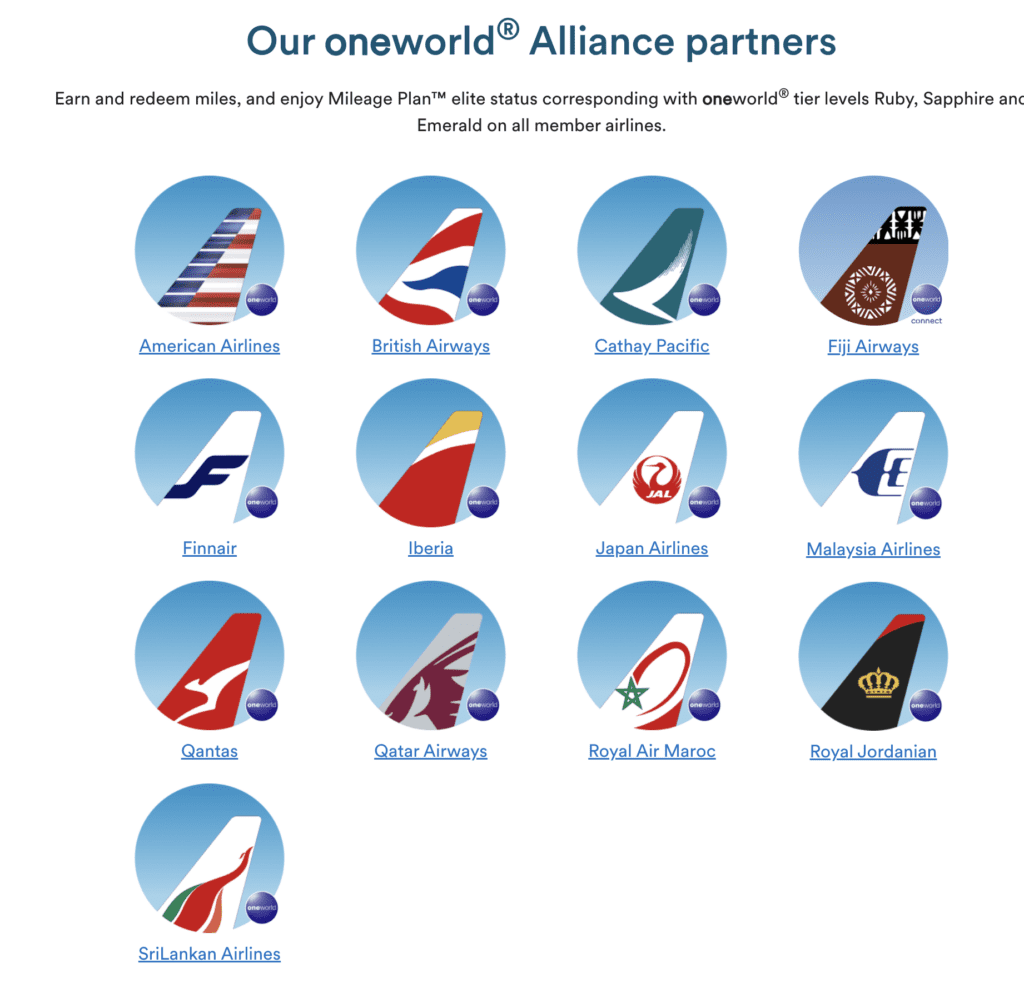
Beyond its domestic operations and the Hawaiian merger, Alaska Airlines continues to distinguish itself through an eclectic and highly valuable array of global partners. While the airline is a member of the Oneworld alliance—granting cardholders access to heavyweights like British Airways, American Airlines, and Qantas—it has maintained a unique "independent" partner strategy.
The Atmos Rewards program includes partnerships with several non-Oneworld carriers, including:
- Korean Air: Providing critical access to the SkyTeam hub in Seoul.
- Starlux Airlines: A luxury-oriented Taiwanese carrier offering premium transpacific connections.
- Condor: Facilitating seasonal and year-round travel to Europe from various North American gateways.
- El Al: The Israeli flag carrier, offering direct routes to the Middle East.
- Singapore Airlines: Widely regarded as one of the world’s best airlines, providing extensive coverage across Southeast Asia.
This diverse partner network is a major selling point for the Atmos Rewards credit cards, as it allows users to redeem Alaska miles on some of the world’s most prestigious airlines, often at lower point requirements than those found in competing programs.
Redemption Economics and "Sweet Spots"
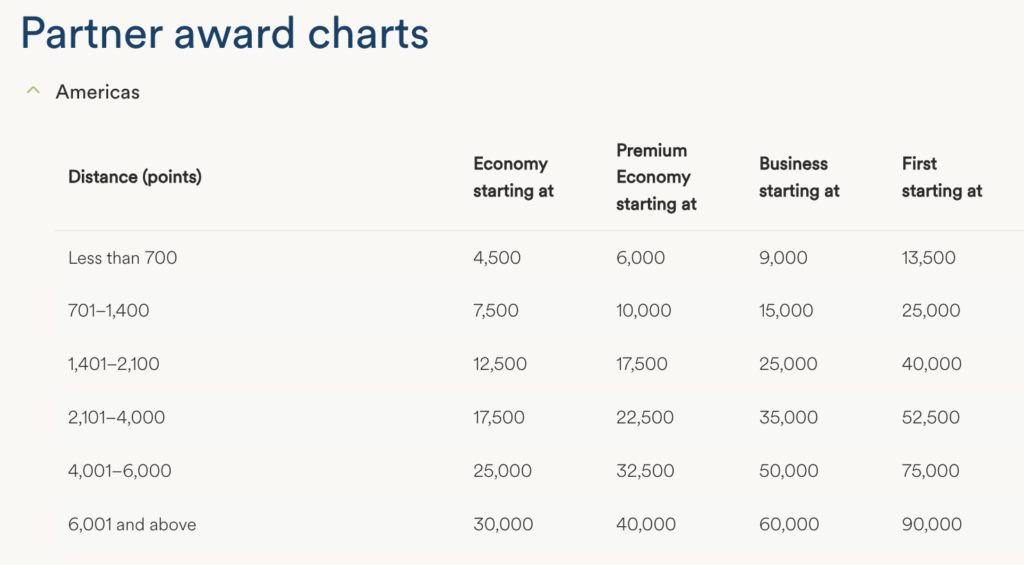
The value of a loyalty program is ultimately measured by its redemption potential, and the Atmos Rewards program has retained several "sweet spots" that have long been the hallmark of Alaska’s Mileage Plan. The program uses a distance-based and regional hybrid model, which creates unique opportunities for high-value redemptions.
The Americas and Short-Haul Efficiency
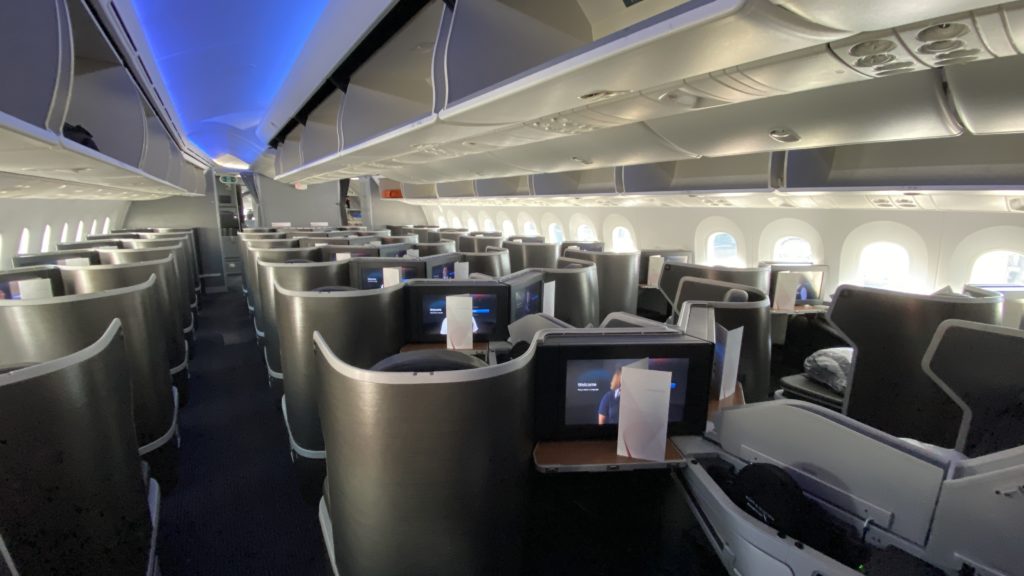
For domestic travelers, Alaska Airlines continues to offer highly competitive rates for short-haul flights. Routes such as Indianapolis to New York (JFK) are frequently cited as examples of high-value, low-mileage redemptions. Furthermore, the program offers significant value for travel to Central and South America. Business Class redemptions in these regions typically range between 35,000 and 50,000 Atmos points, making it one of the most efficient ways to travel south of the border in a premium cabin.
Transatlantic and Middle Eastern Luxury
The European market remains a stronghold for the program, particularly through partners like Finnair. A popular strategy among Atmos Rewards members involves booking Business Class flights to Helsinki, utilizing a free stopover, and then continuing to mainland Europe. This "free stopover" policy is a rare and highly prized feature of the Alaska system.
For those looking toward the Middle East and Africa, the 85,000-point rate for Qatar Airways’ world-renowned QSuites is considered a "screaming deal" by travel experts. This redemption often includes a stopover in Doha, allowing travelers to experience two destinations for the price of one.

Asia: The Gold Standard of Redemptions
The Asian market is perhaps where Atmos Rewards points carry the most weight. Partnerships with Cathay Pacific and Japan Airlines (JAL) allow cardholders to book some of the most sought-after Business and First Class cabins in the world. A Business Class flight to Japan, including a stopover before continuing to Southeast Asia, can be secured for approximately 85,000 points. Given the high cash price of these tickets, such redemptions often yield a value of several cents per point, far exceeding the industry average.
The 2026 Award Chart and Long-Term Implications
Looking ahead, Alaska Airlines has provided a roadmap for the future of Atmos Rewards by releasing its 2026 Award Charts. This transparency is intended to build trust with frequent flyers who have grown weary of the "dynamic pricing" models adopted by other major carriers, where the cost of a flight in miles can fluctuate wildly based on demand.
The 2026 charts indicate a commitment to a structured, predictable redemption system. While some adjustments to mileage requirements are inevitable as the program matures, the published charts suggest that Alaska Airlines intends to remain a "premium value" player. By providing these charts years in advance, the airline allows its credit cardholders to plan long-term accumulation strategies, a move that is likely to increase the "stickiness" of the Atmos Rewards cards.

Market Impact and Industry Reaction
The launch of Atmos Rewards and the new card tiers has been met with cautious optimism from industry analysts. The move to a $395 premium card is seen as a necessary step for Alaska to remain competitive as the "premiumization" of travel continues. However, the success of the program will depend on the airline’s ability to maintain the high value of its points in an era of inflation and consolidation.
"Alaska Airlines is playing a sophisticated game by balancing a high-end Visa Infinite product with a very accessible Visa Signature card," noted one aviation consultant. "By leveraging the Hawaiian merger and their unique partner network, they are creating a loyalty ecosystem that is much larger than their actual flight map."
The airline’s focus on the "stopover" benefit and a diverse range of partners suggests it is targeting the "travel hacker" and the luxury enthusiast simultaneously. As the 2026 Award Charts take effect, the industry will be watching closely to see if Alaska can sustain its reputation for having the most valuable miles in the sky while managing the increased scale of a merged carrier.
In conclusion, the debut of Atmos Rewards and the associated credit card offerings represents a comprehensive modernization of Alaska Airlines’ loyalty strategy. With a tiered approach to credit cards, a strengthened network through the Hawaiian Airlines merger, and a continued commitment to high-value international redemptions, Alaska Airlines is well-positioned to navigate the evolving landscape of global aviation. For the consumer, these changes offer a broader range of ways to earn and redeem, provided they can navigate the nuances of the new tiered system and the expanded partner network.




 Anjar Salim
 Dwi Wanna
 Lukman Taruna Persada Ramadan
 Chandra Hamzah
 Gabriela Annisa