
 Walid Sujud Trenggono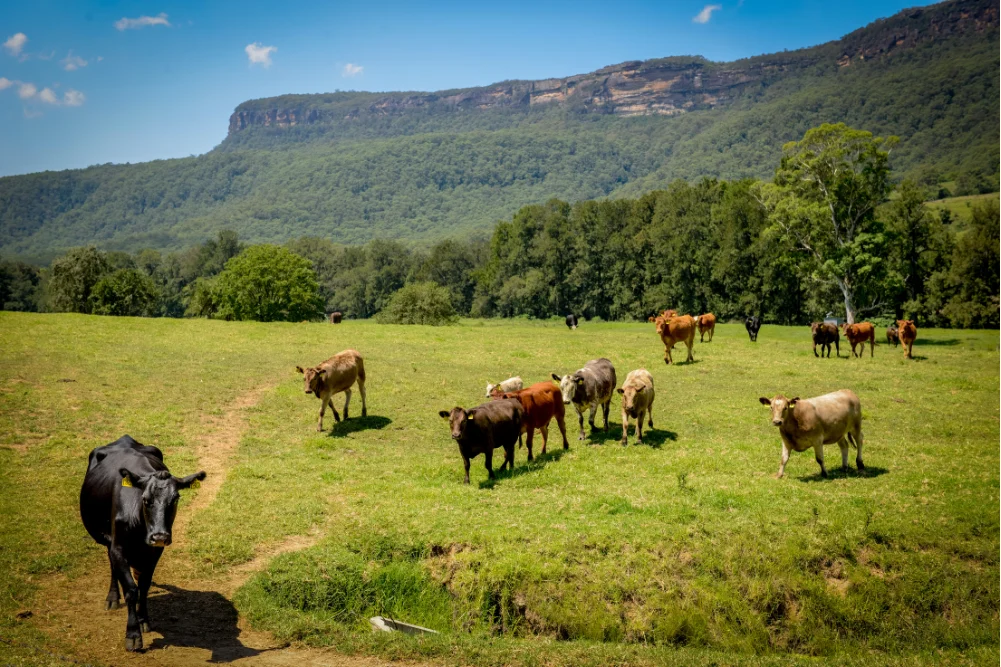
The Shoalhaven region of New South Wales, situated approximately 160 kilometers south of Sydney and 200 kilometers from Canberra, has emerged as a primary destination for the burgeoning "slow travel" movement, a sector of the tourism industry that prioritizes sustainability, mindfulness, and deep local engagement. Comprising over 100 beaches and a landscape that is 70 percent national park and forest, the region is undergoing a strategic transformation. Local businesses and cultural institutions are increasingly aligning their offerings with holistic wellness and regenerative tourism, moving away from high-volume, seasonal crowds toward year-round, value-driven experiences.
The Regional Context and Economic Shift
The Shoalhaven’s tourism sector has historically relied on its coastal assets, but recent developments indicate a diversification into the hinterland areas of Milton, Kangaroo Valley, and the Shoalhaven River valley. This shift is supported by regional development initiatives aimed at building resilience following the 2019-2020 bushfires and the subsequent global pandemic. According to Destination NSW, regional tourism in the South Coast has seen a significant uptick in visitors seeking "nature-based" and "wellness" experiences, which often result in longer stays and higher per-capita spending compared to traditional day-trip models.
The infrastructure of the region supports this evolution. With access to the Conjola National Park and Morton National Park, the Shoalhaven provides a natural laboratory for wellness modalities ranging from forest bathing to specialized movement therapy. The emergence of new enterprises in late 2024 and early 2025 signals a robust private-sector confidence in the region’s identity as a sanctuary for health-conscious travelers.
Phase One: Holistic Recovery in Milton and Conjola
The township of Milton, historically known for its colonial architecture and agricultural roots, has become a hub for modern therapeutic practices. In December 2024, the opening of The Heal Zone marked a significant addition to the local wellness landscape. Situated with vistas overlooking Conjola National Park, the facility represents a sophisticated integration of physical therapy and mental regulation.
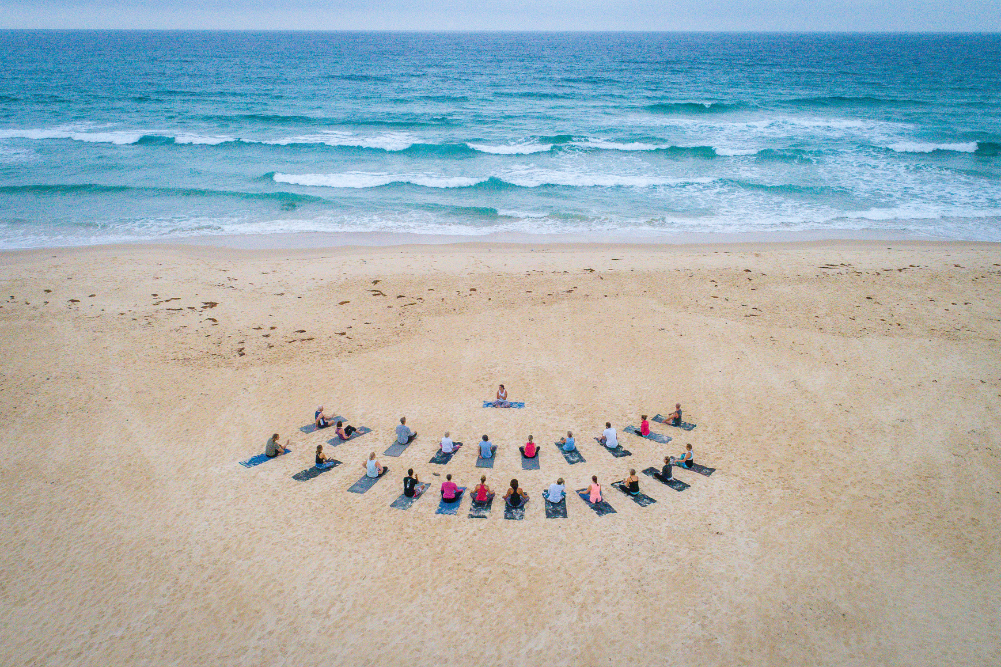
Founded by practitioners Madi and Nic, the center utilizes a multidisciplinary approach that includes yoga-informed movement, mobility training, and breathwork. The methodology is designed to address the physiological effects of modern stress, utilizing "nervous system regulation" as a core pillar of its programming. These sessions are frequently paired with contrast therapy—alternating between saunas and cold plunges—a practice backed by sports science for its benefits in reducing inflammation and improving circulatory health. This professionalization of wellness services indicates a move toward evidence-based health tourism, attracting a demographic that views travel as a tool for physical and mental maintenance.
Sustainable Gastronomy and Regenerative Agriculture
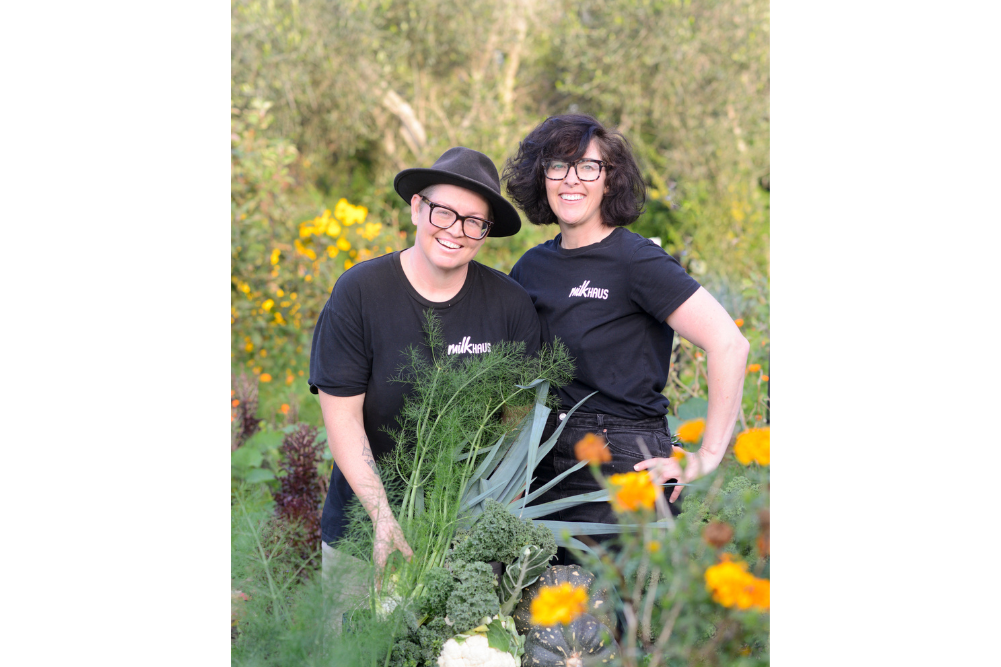
A critical component of the Shoalhaven’s appeal is its commitment to the "farm-to-table" ethos, exemplified by establishments like Milkhaus in Milton. As the global food industry faces scrutiny over supply chain emissions and nutritional quality, Milkhaus operates on a model of radical transparency and hyper-locality.
The establishment’s operations are dictated by a rigorous nine-month planning cycle, synchronizing the kitchen’s menu with the biological rhythms of the on-site garden. Currently, 80 percent of the produce served is grown on the premises, with the remainder sourced from within the local community. This model not only reduces the carbon footprint associated with food transport but also ensures that the nutritional density of the ingredients is preserved.
Industry analysts suggest that such "circular" dining experiences are becoming a major draw for domestic tourists. By prioritizing seasonal shifts—such as the transition from summer stone fruits to winter root vegetables—these establishments educate consumers on the importance of biodiversity and sustainable land management, effectively turning a meal into a pedagogical experience.
Phase Two: Environmental Immersion in Kangaroo Valley
Further inland, Kangaroo Valley serves as a geographic anchor for nature-based immersion. The valley, characterized by its steep escarpments and dense rainforests, provides a secluded environment that contrasts with the more developed coastal strips. The hospitality sector here has adapted to provide "boutique" experiences, such as those found at Wildes Boutique Hotel, which emphasize tranquility and architectural integration with the surrounding landscape.
The focus on stillness extends to the Tallowa Dam and the surrounding Morton National Park. This area is designated as a sanctuary free from motorboat noise, allowing for "mindful canoeing." Guided by local experts from organizations such as Valley Outdoors, these excursions are designed to foster a connection with the wilderness through silence and observation.
Bree, a representative of Valley Outdoors, emphasizes that these experiences are not merely recreational but are intended to be "grounding" exercises. By incorporating Indigenous history and ornithological education into the tours, the program deepens the visitor’s understanding of the land’s heritage. The inclusion of reflective activities, such as watercolor painting in the field, aligns with psychological findings that creative expression in natural settings can significantly lower cortisol levels and enhance cognitive function.
The Role of Artisanal Craft and Creative Therapy
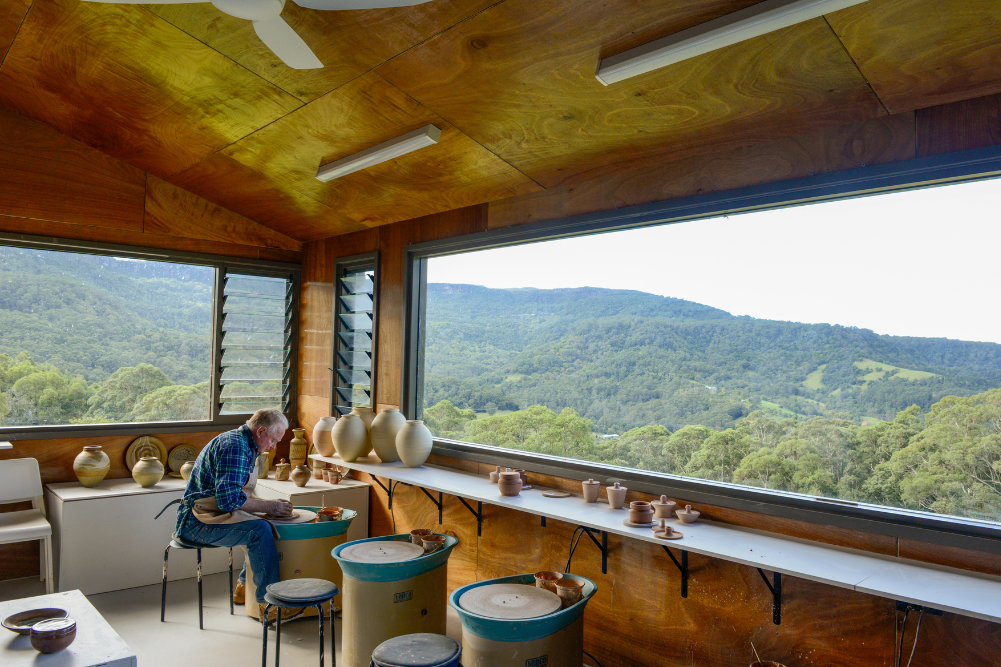
The Shoalhaven region has also seen a resurgence in artisanal crafts, specifically ceramics, as a form of "slow" engagement. David Collins’ pottery studio, located near the escarpment with views of the distant ocean, represents the intersection of art and therapy.
The process of wheel-throwing—centering clay and shaping it through manual dexterity—requires a high degree of focus and patience. In a journalistic context, this can be viewed as a reaction against the digital saturation of modern life. The tactile nature of pottery provides a "judgment-free" space for learning, which is a key tenet of modern wellness retreats. These sessions contribute to the local economy by supporting independent artists while providing visitors with tangible, handcrafted mementos of their time in the region, fostering a long-term emotional connection to the destination.
Cultural Stewardship and the Bundanon Legacy
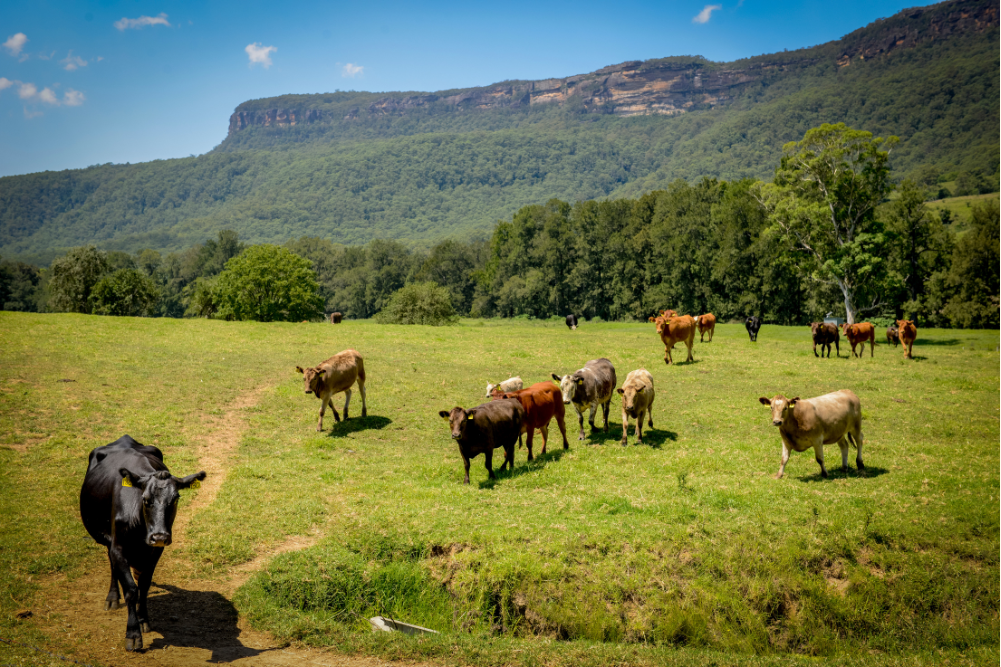
The final pillar of the Shoalhaven’s wellness circuit is its cultural and Indigenous heritage, centered largely on the Bundanon estate. Originally the home of the renowned Australian artist Arthur Boyd and his wife Yvonne, Bundanon was gifted to the Australian people in 1993. It now serves as a major cultural retreat and art museum, following a multi-million-dollar expansion that includes a world-class gallery built into the hillside to protect it from climate extremes.
Bundanon’s significance lies in its ability to blend history, art, and environmental science. The "Culture and Creation" programs, featuring voices such as Walbunja/Ngarigo artist Aunty Cheryl Davison, are essential for providing a complete narrative of the region. Through storytelling, printmaking, and song, Davison and other Indigenous leaders share knowledge of Country that predates colonial settlement by tens of thousands of years.
This integration of First Nations perspectives is a critical component of the "Shoalhaven Wellness" brand. It moves the conversation beyond personal relaxation toward a broader understanding of "healing" that includes reconciliation and ecological respect. The Ramox Cafe at Bundanon further supports this by offering a space for reflection, where the sounds of the Shoalhaven River and local birdlife provide a natural soundtrack to the artistic experience.
Data and Future Outlook
The strategic development of the Shoalhaven as a wellness destination is reflected in current tourism data. According to the Shoalhaven City Council’s tourism reports, there has been a notable increase in "off-peak" visitation, particularly in the autumn and spring months, which correlates with the growing interest in hiking, wellness retreats, and cultural festivals.
Furthermore, the rise of "house-fermented provisions" and sourdough production at local hubs like The General Cafe in Kangaroo Valley highlights a growing market for artisanal food products. This "provisions economy" allows visitors to take a piece of the region’s health-focused lifestyle home with them, extending the economic impact beyond the duration of their stay.
Conclusion: The Broader Implications of Slow Travel
The evolution of the Shoalhaven region serves as a blueprint for other regional areas seeking to balance economic growth with environmental and cultural preservation. By shifting the focus from high-impact activities to mindful, restorative experiences, the region is successfully attracting a demographic of travelers who prioritize sustainability and authentic connection.
As urban centers become increasingly congested and digital fatigue becomes a widespread health concern, regions like the Shoalhaven provide a necessary "pressure valve." The combination of movement therapy in Milton, sustainable agriculture in the hinterland, mindful exploration in Kangaroo Valley, and cultural immersion at Bundanon creates a holistic ecosystem. This approach ensures that tourism remains a force for good—restoring the visitor, supporting the local artisan, and protecting the natural beauty of the South Coast for future generations. The Shoalhaven is no longer just a weekend getaway; it is a developing center for the global wellness economy, proving that the most valuable luxury in the modern age is the ability to slow down and reconnect with the natural world.



 Tatiana Tantri Indah Sari
 Cholid Fahmi Thalib
 Diana Nuri Rohmawati
 Budi Mulyono
 Lukman Taruna Persada Ramadan