
 Walid Sujud Trenggono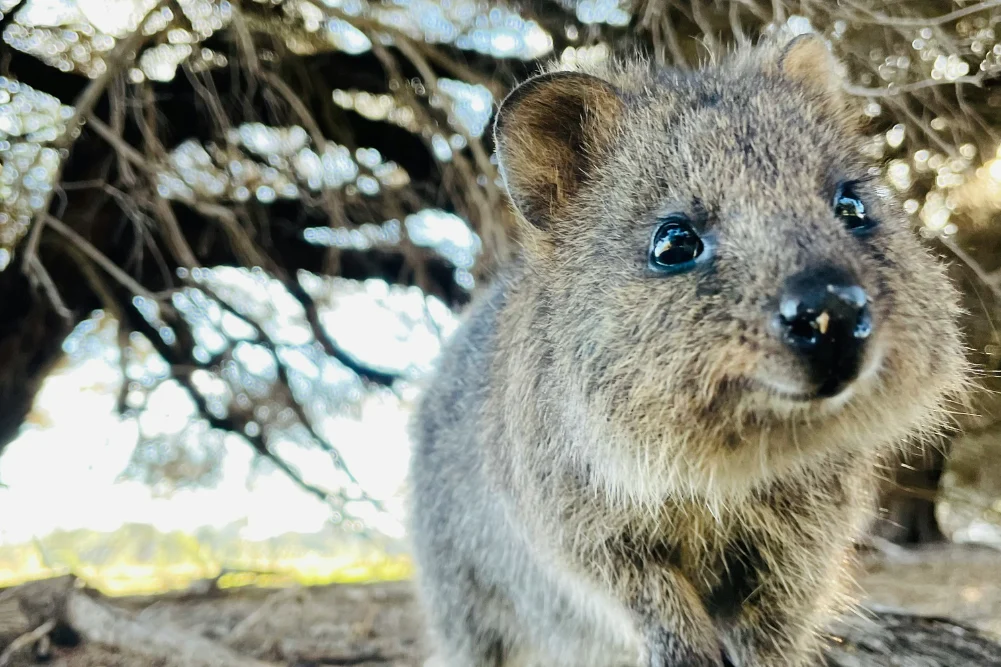
The island of Rottnest, known as Wadjemup to the Whadjuk Noongar people, serves as a premier destination for both international tourists and Western Australian locals, offering a complex intersection of pristine natural beauty, unique biodiversity, and a sobering colonial history. Located approximately 18 kilometers off the coast of Perth, the island has transitioned from a site of spiritual significance and subsequent incarceration to a global tourism icon, largely driven by the social media phenomenon of the quokka. This transformation reflects broader trends in Australian tourism, where the management of fragile ecosystems and the acknowledgment of Indigenous history have become central to the visitor experience.
The Quokka Phenomenon and Wildlife Conservation
Rottnest Island is the primary stronghold for the quokka (Setonix brachyurus), a small macropod that has become a central pillar of Western Australia’s tourism branding. While the species was once widespread across the southwest of the Australian mainland, habitat loss and predation by introduced species such as foxes and cats have relegated the majority of the population to this predator-free offshore sanctuary. Current estimates suggest that the island supports approximately 10,000 to 12,000 quokkas, representing roughly two-thirds of the global population.
The "quokka selfie" trend gained international momentum in 2017 when tennis professional Roger Federer posted an image with the marsupial as part of a state-funded tourism campaign. Tourism Western Australia reported that the image reached over half a billion people globally. While this surge in popularity has provided significant revenue through the Rottnest Island Authority (RIA) visitor fees, it has also necessitated stricter management protocols. The quokka is currently listed as "Vulnerable" on the IUCN Red List of Threatened Species. Conservationists point to the risks of habitat fragmentation and the impact of climate change, specifically the increasing frequency of droughts which deplete the island’s limited freshwater sources during the peak summer months.
To mitigate these risks, the RIA utilizes a portion of the tourist levies to fund environmental restoration and water management programs. Visitors are strictly prohibited from feeding or touching the animals, with significant fines in place to protect the quokkas from nutritional imbalances and behavioral changes associated with human interaction.
A Chronology of Wadjemup: From Spiritual Site to Penal Colony
The history of Rottnest Island is characterized by a stark dichotomy between its current status as a holiday destination and its dark past as a site of Indigenous dispossession. Geologically, the island was separated from the mainland approximately 6,500 years ago due to rising sea levels. For the Whadjuk Noongar people, it remained a significant spiritual site—a "place across the water where the spirits are."
The European record of the island began in 1696 when Dutch explorer Willem de Vlamingh named it "Rotte Nest" (Rat’s Nest), misidentifying the quokkas as large rats. However, the most consequential period of European occupation began in 1838, when the island was established as a penal colony for Aboriginal men and boys. Between 1838 and 1931, more than 4,000 Indigenous males from across Western Australia were incarcerated on the island.
The prisoners were subjected to forced labor, constructing much of the island’s iconic limestone infrastructure, including the Wadjemup Lighthouse, the seawall, and the "Quod"—a circular prison building that later, controversially, served as tourist accommodation for decades. The conditions were brutal; an estimated 373 men died in custody, primarily from disease and malnutrition. Today, the island contains the largest unmarked burial ground in Australia. In recent years, the Western Australian government has initiated the "Wadjemup Project," a formal process of consultation with the Noongar community to ensure the island’s history is appropriately memorialized and that the Quod is repurposed as a place of reflection rather than recreation.
Geographical and Ecological Infrastructure
Rottnest Island measures 11 kilometers in length and 4.5 kilometers at its widest point, encompassing a total land area of 19 square kilometers. Its unique topography is defined by limestone cliffs, 63 secluded beaches, and 20 bays. The island’s marine environment is influenced by the Leeuwin Current, a warm southward-flowing current that allows tropical marine species to thrive much further south than in other parts of the world. This creates a high-biodiversity snorkeling and diving environment, particularly at Parker Point and Little Salmon Bay, where temperate and tropical species coexist.
The interior of the island is dominated by a series of permanent salt lakes, which cover approximately 10% of the land area. These lakes, including Lake Baghdad and Government House Lake, are listed under the Ramsar Convention as wetlands of international importance. they provide critical habitat for migratory shorebirds.
Transportation on the island is strictly regulated to maintain its environmental integrity. Private motor vehicles are prohibited; instead, the island relies on a fleet of bicycles and a commuter bus service. The RIA maintains over 22 kilometers of cycle paths, which serve as the primary artery for tourism. The hike to the Wadjemup Lighthouse, situated at the island’s highest point, offers a 360-degree view of the Indian Ocean and the Perth skyline, serving as a focal point for the island’s maritime safety infrastructure.
Fremantle: The Gateway and Maritime Hub
The journey to Rottnest Island typically begins in Fremantle (Walyalup), a port city that serves as a vital link between the mainland and the island. Fremantle’s own history is deeply intertwined with that of Rottnest, as the city was the primary processing point for prisoners sent to the island in the 19th century.
Fremantle is recognized for having the best-preserved 19th-century port streetscape in the world. Key historical sites include:
- The WA Shipwreck Museum: Recognized as a leading maritime archaeology museum, it houses the remains of the Batavia, a Dutch East India Company (VOC) ship wrecked in 1629. The reconstruction of the Batavia’s stern using original timbers provides a factual basis for understanding the early European encounters with the Australian coastline.
- The Round House: Constructed in 1830, it is the oldest public building in Western Australia. It originally served as a jail and is situated at Arthur Head, overlooking the Indian Ocean.
- Fremantle Prison: A UNESCO World Heritage site, the prison was built by convicts in the 1850s. It provides a sobering look at the colonial justice system and is a significant site for "dark tourism" in the region.
The city’s modern economy is driven by its status as a "creative hub," featuring the Fremantle Markets (established in 1897) and a thriving gastronomic sector. The "Fremantle Doctor," a cooling afternoon sea breeze, is a defining climatic feature that makes the city a hospitable environment during the intense heat of the Western Australian summer.
Socio-Economic Impact and Sustainability Analysis
The management of Rottnest Island represents a delicate balancing act between economic viability and environmental sustainability. According to the Rottnest Island Authority Annual Report 2022-23, the island saw a significant recovery in visitor numbers post-pandemic, with over 700,000 annual visitors. This influx generates substantial revenue, yet it puts immense pressure on the island’s power, water, and waste systems.
Rottnest is a leader in sustainable utility management. The island operates its own microgrid, which integrates wind and solar power with a desalination plant. Currently, renewable energy provides approximately 45% of the island’s power needs, with a long-term goal of reaching 75%. This infrastructure is essential for supporting the variety of accommodation options, ranging from the high-end Samphire Rottnest to budget-friendly campsites and the historic stay at the Fremantle Prison YHA on the mainland.
Industry analysts suggest that the future of Rottnest Island tourism lies in "truth-telling" and cultural education. As travelers increasingly seek authentic and ethical experiences, the integration of Whadjuk Noongar perspectives into the island’s narrative is not just a moral imperative but a strategic necessity for the tourism sector. By acknowledging the "Place of the Woylie" (Fremantle) and the "Place Across the Water" (Rottnest), Western Australia is positioning itself as a destination that respects both its natural heritage and its complex human history.
Practical Logistics for Visitors
For those planning a visit, logistical coordination is required to navigate the seasonal demand. Ferries depart regularly from Fremantle, Hillarys Boat Harbour, and Perth City. While summer (December to February) offers the most favorable conditions for marine activities, the shoulder seasons of September-October and March-April are increasingly recommended by travel experts to avoid the extreme heat and peak-season pricing.
Visitors are encouraged to bring reef-friendly sunscreen and reusable water containers to utilize the island’s desalination-fed refill stations. The cost of a day trip typically includes a government-mandated landing fee, which contributes directly to the conservation and maintenance of the island’s unique ecosystem. Through these measures, Rottnest Island aims to remain a sustainable sanctuary where the "spirits of the past" and the tourists of the present can coexist.


 Anjar Salim
 Dwi Wanna
 Budi Mulyono
 Lukman Taruna Persada Ramadan
 Chandra Hamzah
 Gabriela Annisa