Walid Sujud Trenggono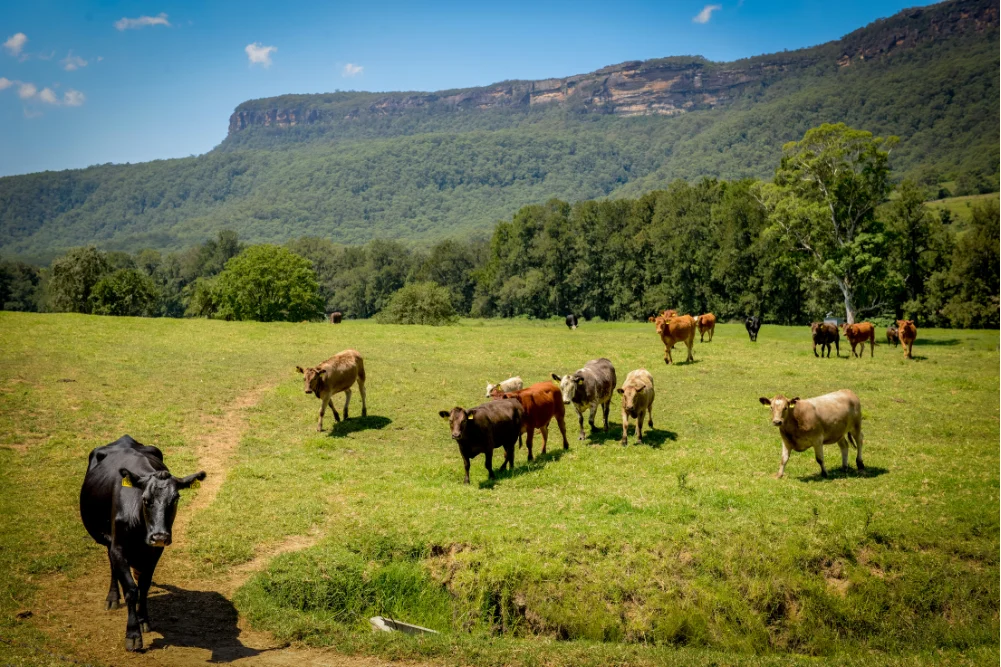
The Shoalhaven region of New South Wales has emerged as a primary destination for domestic and international travelers seeking a synthesis of environmental immersion and restorative wellness. Located approximately 160 kilometers south of Sydney and 200 kilometers east of Canberra, this award-winning coastal expanse is defined by its unique geographical composition, featuring over 100 distinct beaches and a landmass comprised of 70 percent national parks and state forests. Recent tourism data indicates a significant shift in visitor behavior within the region, moving away from high-impact recreation toward "slow tourism"—a movement characterized by deep local engagement, sustainability, and mental well-being.
The Strategic Shift Toward Wellness Infrastructure
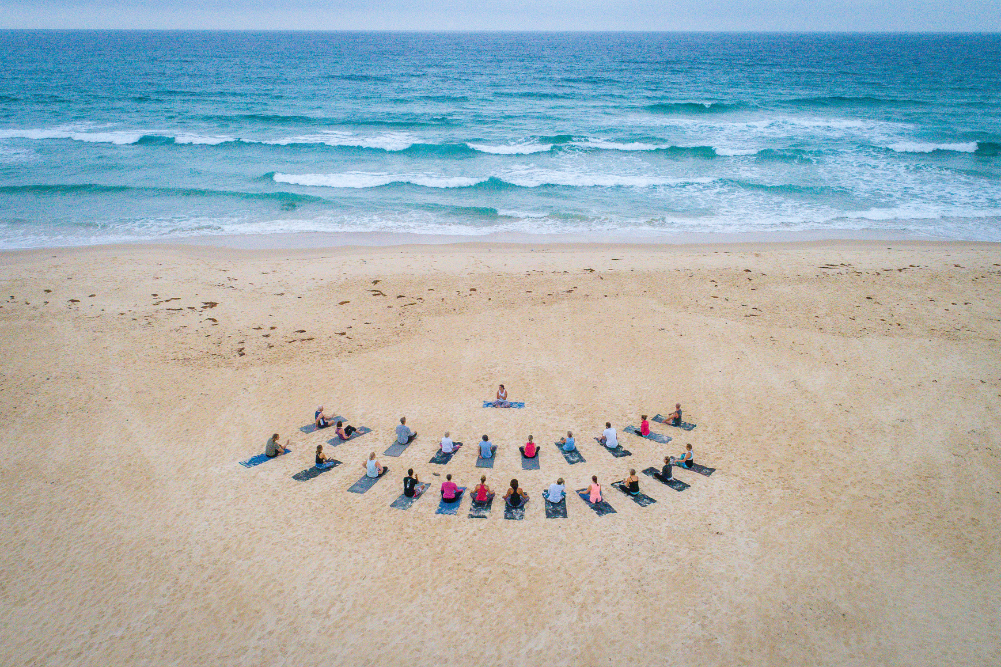
In response to the global surge in the wellness economy—a sector valued at over $5.6 trillion according to the Global Wellness Institute—the Shoalhaven has seen a proliferation of specialized facilities designed to cater to the "restorative traveler." A notable addition to this landscape is The Heal Zone, a facility situated on the periphery of Conjola National Park. Since its inauguration in December 2024, the center has focused on a multidisciplinary approach to health, integrating physical mobility, respiratory science, and thermal therapy.
Founded by practitioners Nic and Madi, the facility represents a broader trend in regional development where traditional coastal tourism is augmented by evidence-based wellness modalities. The programming at such centers typically involves 90-minute modules that combine yoga-informed movement with mobility exercises designed to counteract the sedentary nature of modern professional life. These sessions are frequently followed by contrast therapy—alternating between saunas and cold plunges—which clinical studies suggest can aid in nervous system regulation and muscle recovery. This infrastructure development reflects a calculated effort by local entrepreneurs to position the South Coast as a year-round destination rather than a seasonal summer retreat.
Agricultural Sustainability and the Farm-to-Table Model
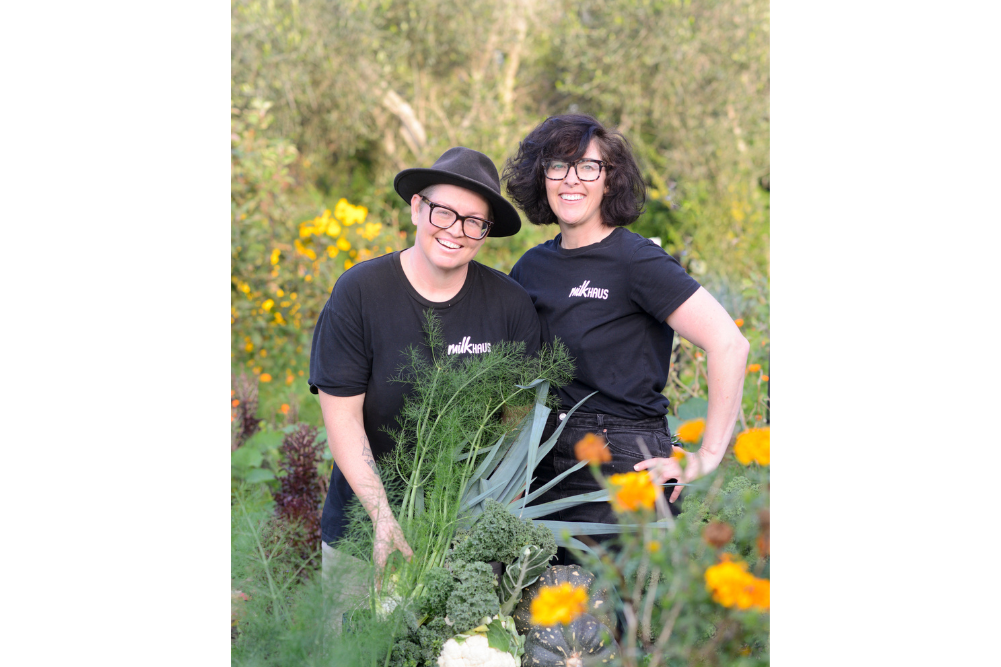
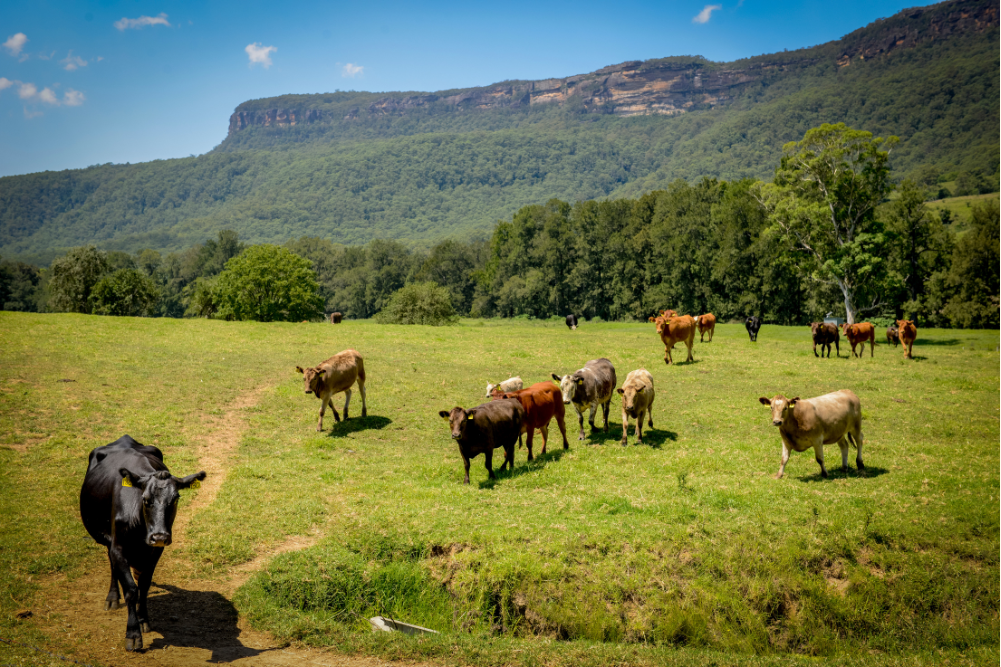
The economic vitality of the Shoalhaven is intrinsically linked to its agricultural heritage, particularly in the township of Milton. This area has become a focal point for the "Slow Food" movement, exemplified by establishments such as Milkhaus. Operating on a strict farm-to-table ethos, these venues prioritize ecological sustainability over menu consistency, allowing seasonal harvests to dictate culinary offerings.
The operational model at Milkhaus involves a rigorous nine-month planning cycle, ensuring that 80 percent of produce is grown on-site, with the remaining 20 percent sourced from local artisanal producers. This hyper-local supply chain not only reduces the carbon footprint associated with food transport but also bolsters the regional economy. Industry analysts note that this transparency in food sourcing is a primary driver for contemporary travelers who equate quality with ethical production. Signature regional dishes, such as slow-cooked lamb shoulder and seasonal stone fruit desserts, serve as tangible representations of the Shoalhaven’s fertile volcanic soils and temperate climate.
Chronology of a Restorative Itinerary: From Milton to Kangaroo Valley
A typical high-value visitation sequence in the region begins in the historic township of Milton before transitioning inland toward the more secluded Kangaroo Valley. This geographical progression allows visitors to experience the diversity of the Shoalhaven’s biomes, from coastal heathlands to dense rainforests.
Following a morning of physical restoration and culinary engagement in Milton, travelers often traverse the mountain passes leading to Kangaroo Valley. This transit is noted for its dramatic altitudinal shifts and vistas of the Morton National Park. The hospitality sector in Kangaroo Valley has adapted to this influx by offering boutique accommodations, such as Wildes Boutique Hotel, which emphasize architectural serenity and "silent luxury." These establishments often serve as basecamps for the various eco-tourism activities that define the valley’s northern reaches.
Eco-Tourism and Mindful Recreation at Tallowa Dam
A cornerstone of the Kangaroo Valley experience is Tallowa Dam, a site that serves as both a critical water infrastructure asset and a sanctuary for low-impact recreation. Unlike many coastal waterways, the dam is restricted from motorboat use, preserving a quietude that facilitates "mindful canoeing."
Local operators, including Valley Outdoors, have integrated environmental education with wellness practices. Led by expert guides such as Bree, these excursions often begin with grounding exercises intended to synchronize participants with the local ecosystem. The educational component covers the area’s complex birdlife and the Indigenous heritage of the land, providing a historical context that enriches the physical activity.
A unique element of this regional offering is the integration of "floating meditation" and creative reflection. Participants are encouraged to engage in watercolor painting or silent observation while adrift, a practice that aligns with the growing field of "Blue Health," which posits that proximity to water significantly reduces cortisol levels and improves psychological resilience. The presence of species such as the Azure Kingfisher serves as a biological indicator of the area’s pristine environmental health, further validating the region’s conservation efforts.
The Integration of the Creative Economy
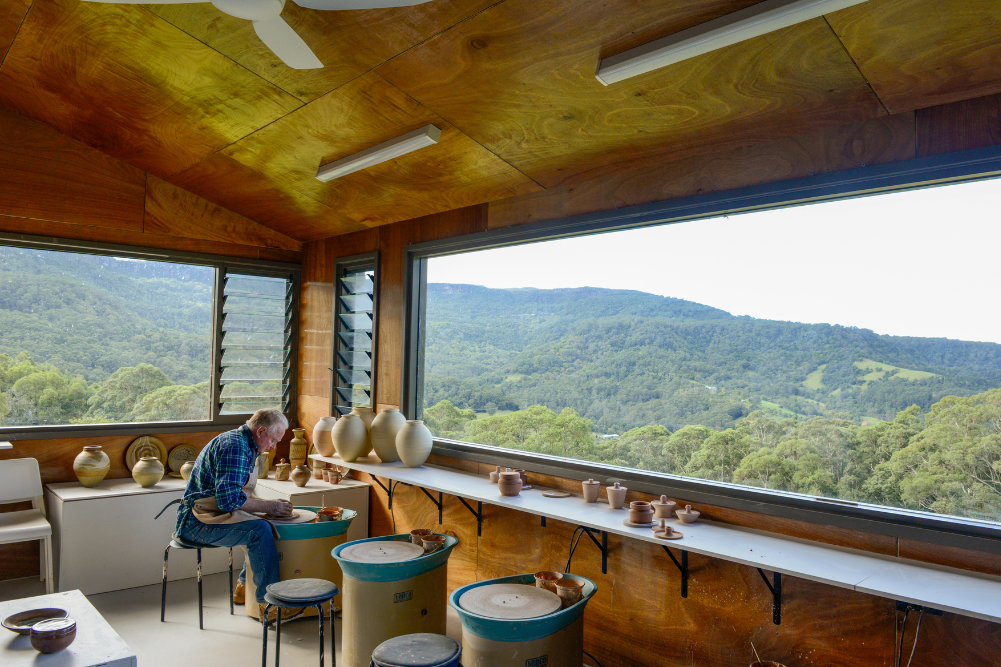
The Shoalhaven’s appeal is further diversified by its vibrant creative economy. In Kangaroo Valley, the presence of professional artisans, such as potter David Collins, provides visitors with opportunities for experiential learning. The process of wheel-throwing pottery is increasingly marketed as a form of "active meditation," requiring intense focus and tactile engagement.
These studio experiences are significant for regional tourism as they foster a "souvenir of experience." By crafting functional art—such as bowls or cups—visitors establish a permanent, tangible connection to the region. This intersection of tourism and the arts is a strategic priority for the Shoalhaven, as it encourages longer stay durations and higher per-capita expenditure within the local community.
Cultural Stewardship and the Legacy of Bundanon
The northern trajectory of a Shoalhaven restoration journey often concludes at Bundanon, the former estate of renowned Australian artist Arthur Boyd and his wife, Yvonne. Gifted to the Australian people in 1993, Bundanon is now a world-class cultural retreat and art museum that sits on 1,000 hectares of bushland overlooking the Shoalhaven River.
Bundanon serves as a critical junction for art, history, and environmental science. The facility hosts the "Culture and Creation" series, featuring Indigenous artists such as Aunty Cheryl Davison, a Walbunja/Ngarigo storyteller. These sessions are vital for the preservation of First Nations traditions, including printmaking, weaving, and song. By centering Indigenous voices, the Shoalhaven reinforces its commitment to a holistic understanding of "Country," acknowledging the thousands of years of stewardship by the Traditional Owners.
The architectural significance of the Bundanon Art Museum and Bridge, designed to be resilient to both fire and flood, mirrors the region’s broader strategy of climate adaptation. The onsite Ramox Cafe provides a final point of reflection, where visitors can synthesize their experiences against the backdrop of the Shoalhaven River’s riparian corridors.
Analysis of Broader Impacts and Regional Implications
The evolution of the Shoalhaven into a premier wellness destination has profound implications for regional development in Australia. By moving away from high-volume, low-margin tourism, the region is building a resilient economic model that protects its natural assets while providing high-quality employment in the health, hospitality, and arts sectors.
Furthermore, the focus on "restoration" addresses a growing public health need. As urban populations face increasing rates of burnout and stress-related illnesses, regional hubs like the Shoalhaven provide essential "green lungs" and "blue spaces" for psychological recovery. The success of this model is evidenced by the high rate of return visitation and the growing international reputation of the South Coast as a sophisticated alternative to traditional resort-based travel.
In conclusion, the Shoalhaven region demonstrates that environmental conservation and economic growth are not mutually exclusive. Through a combination of innovative wellness facilities, sustainable agriculture, mindful recreation, and cultural depth, the region has established a blueprint for the future of regional tourism. For the modern traveler, the Shoalhaven offers more than a temporary escape; it provides a structured environment for reconnection, education, and lasting restoration. Detailed information regarding wellness itineraries and regional offerings can be accessed through the official Shoalhaven tourism portal.



 Chandra Hamzah
 Gabriela Annisa
 Tatiana Tantri Indah Sari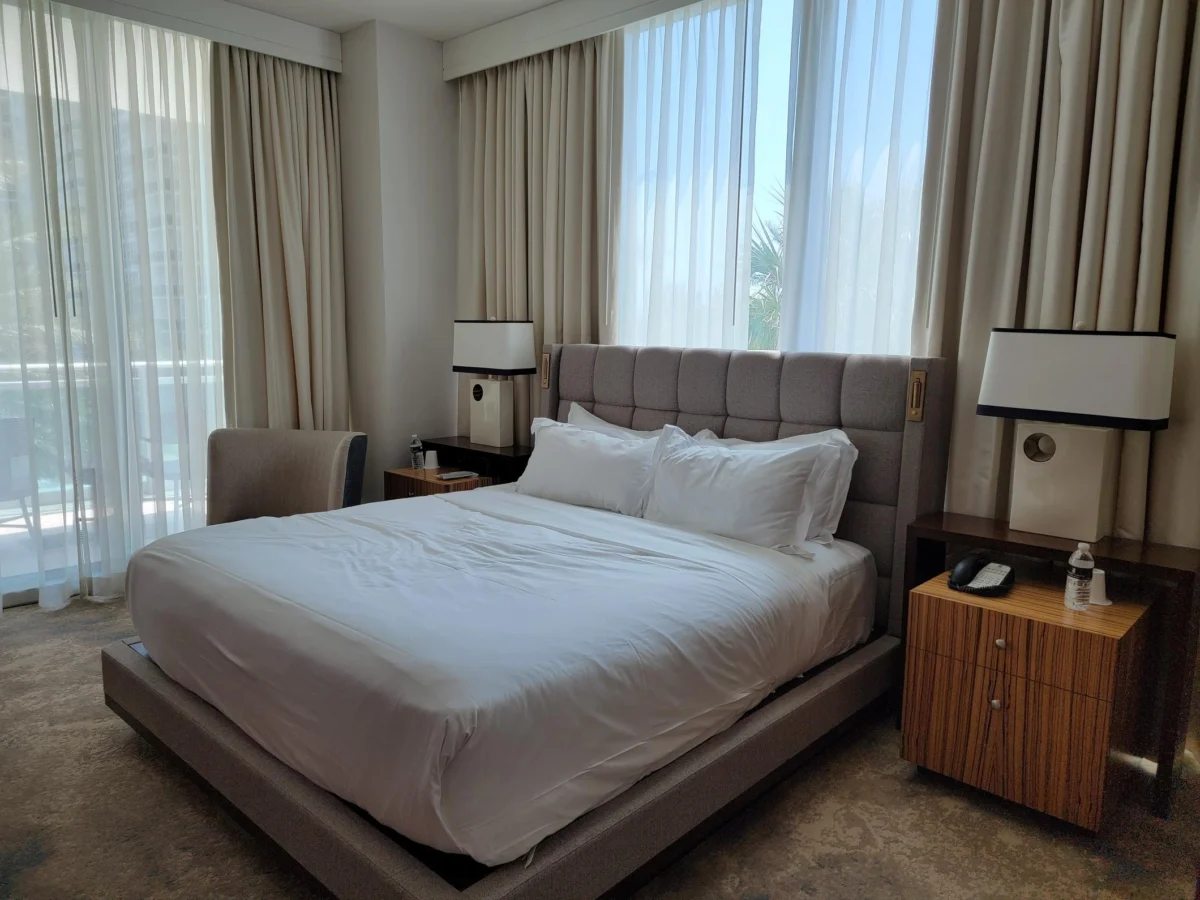
 Budi Mulyono
 Anjar Salim