Diana Nuri Rohmawati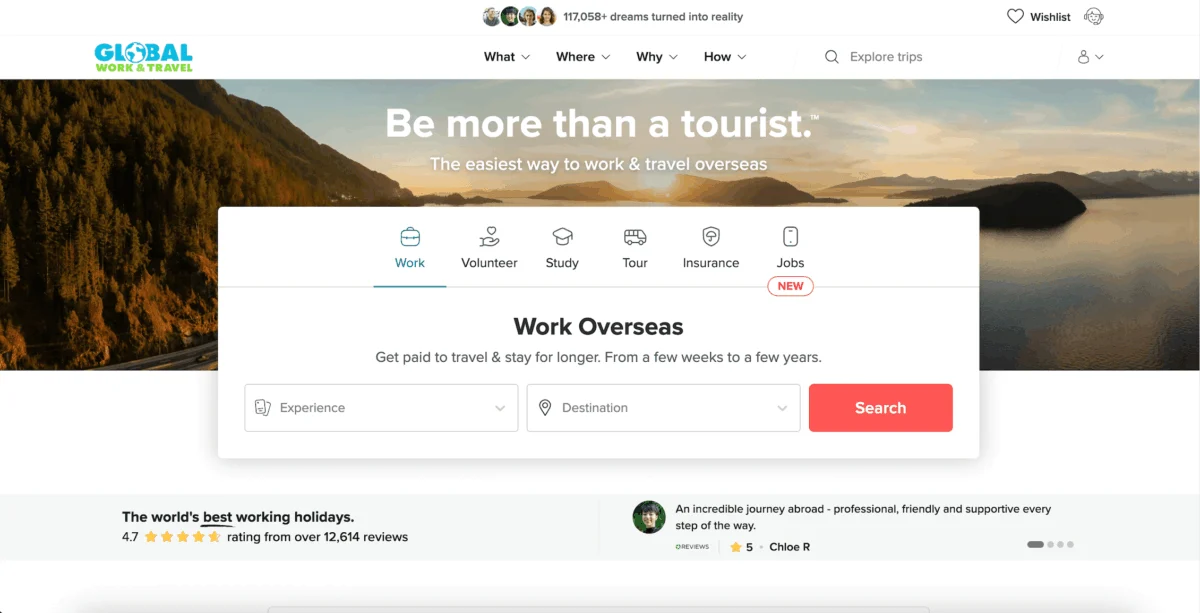
The global travel industry is witnessing a fundamental shift in consumer behavior as travelers move away from "extractive" tourism toward "deep travel" models characterized by long-term residency, local employment, and community contribution. For decades, the standard tourism model has been defined by brief, passive interactions: visiting landmarks, dining at recommended establishments, and engaging in superficial social exchanges. However, emerging data and market trends suggest that a growing demographic of travelers is seeking to move beyond the role of a spectator, opting instead to embed themselves within local economies and social structures through structured working holidays and vetted volunteer programs.
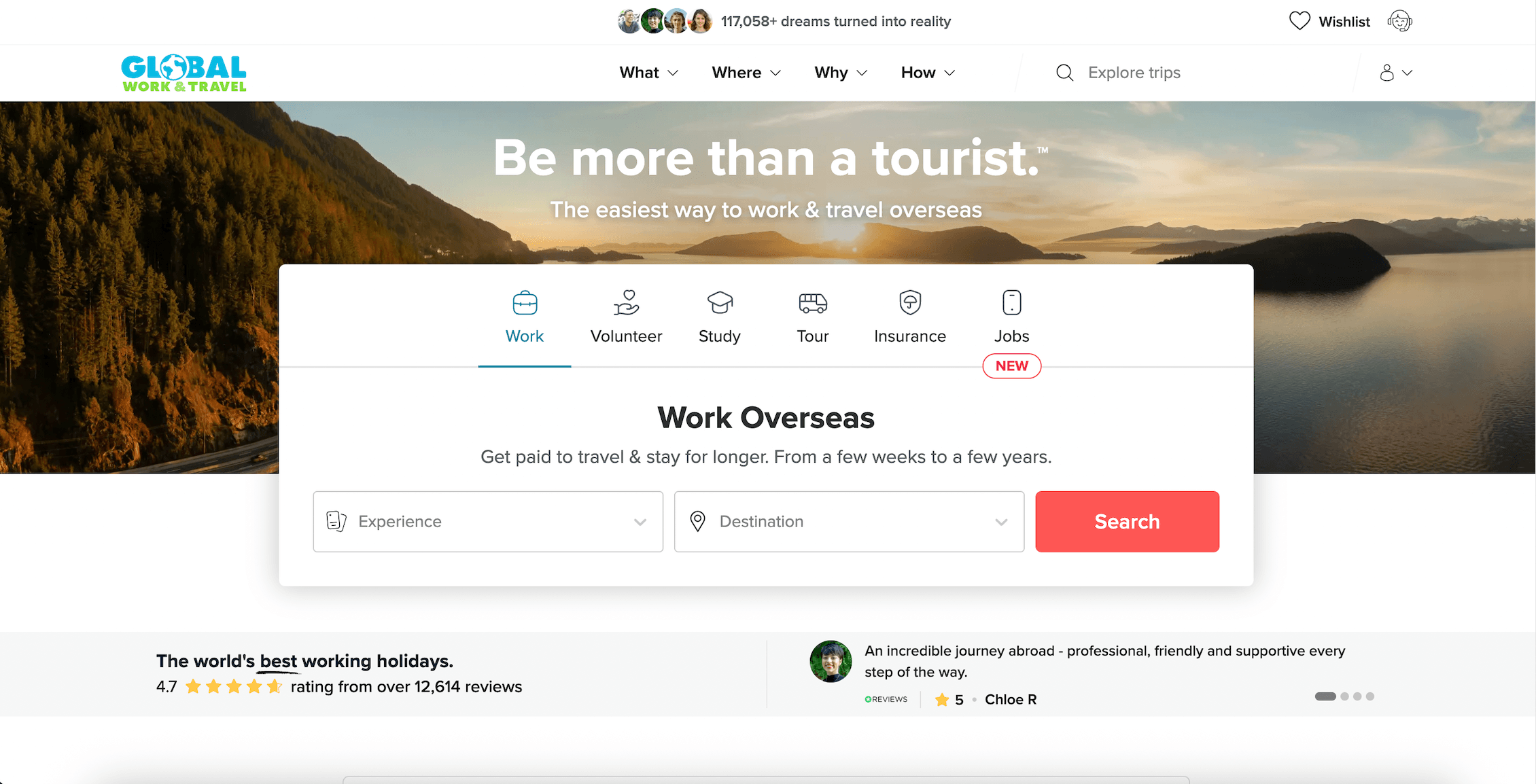
At the forefront of this transition is the rise of organized gap year and working holiday facilitators, such as Global Work & Travel. As the world’s largest gap year company, the organization has spent nearly two decades refining a model that allows individuals to bypass the logistical hurdles of moving abroad. By providing a framework for employment, visa navigation, and housing, these services are enabling a more sustainable form of travel that prioritizes relationship-building and cultural exchange over mere consumption.
The Shift from Extractive Tourism to Deep Integration
Industry analysts define "extractive travel" as a model where visitors consume local resources and scenery without providing a reciprocal benefit to the host community. While traditional tourism provides essential revenue to many nations, it often fails to foster genuine cross-cultural understanding. Experts argue that "deep travel" requires a significant time commitment—staying in one location long enough to build professional and personal networks.
The challenge for most travelers has historically been the "friction of entry." Moving to a foreign country involves navigating complex visa regulations, securing legal employment, and finding stable accommodation. For many, these barriers result in a perpetual state of "passing through," where interactions with locals remain transactional. Structured programs are designed to mitigate this friction, providing a "safety net" or scaffolding that allows travelers to transition from tourists to temporary residents.
Historical Context and the Rise of Structured Gap Years
The concept of the "gap year" and the "working holiday" has its roots in the post-World War II era, initially conceived as a way to foster international peace and understanding among youth. Throughout the late 20th century, countries like Australia, Canada, the United Kingdom, and New Zealand established bilateral Working Holiday Visa (WHV) agreements. These programs allowed young citizens to fund their travels through local employment.
In the early 2000s, the process was largely self-managed, often leading to travelers becoming stuck in low-quality accommodation or struggling to find work in competitive markets. The emergence of specialized agencies roughly 20 years ago marked a turning point. Companies like Global Work & Travel have since facilitated experiences for over 116,000 individuals, expanding the reach of these programs across Europe, the Americas, Asia, Africa, and the Pacific.
This evolution mirrors a broader trend in the global workforce: the desire for experiential learning. According to the WYSE Travel Confederation, youth and student travel now accounts for approximately 23% of international arrivals, with a growing emphasis on "work-and-travel" as a resume-building exercise rather than just a vacation.
Comparative Analysis: The Digital Nomad vs. The Working Holiday Maker
For the past decade, the "digital nomad" lifestyle was considered the pinnacle of long-term travel. This model involves working remotely for an employer in one’s home country while living in a region with a lower cost of living. However, market analysis suggests that the digital nomad model has inherent limitations. It requires a pre-existing remote-compatible career, a stable income in a strong currency, and often results in "geographic arbitrage" that can unintentionally alienate locals or drive up housing costs without integrating the traveler into the local workforce.
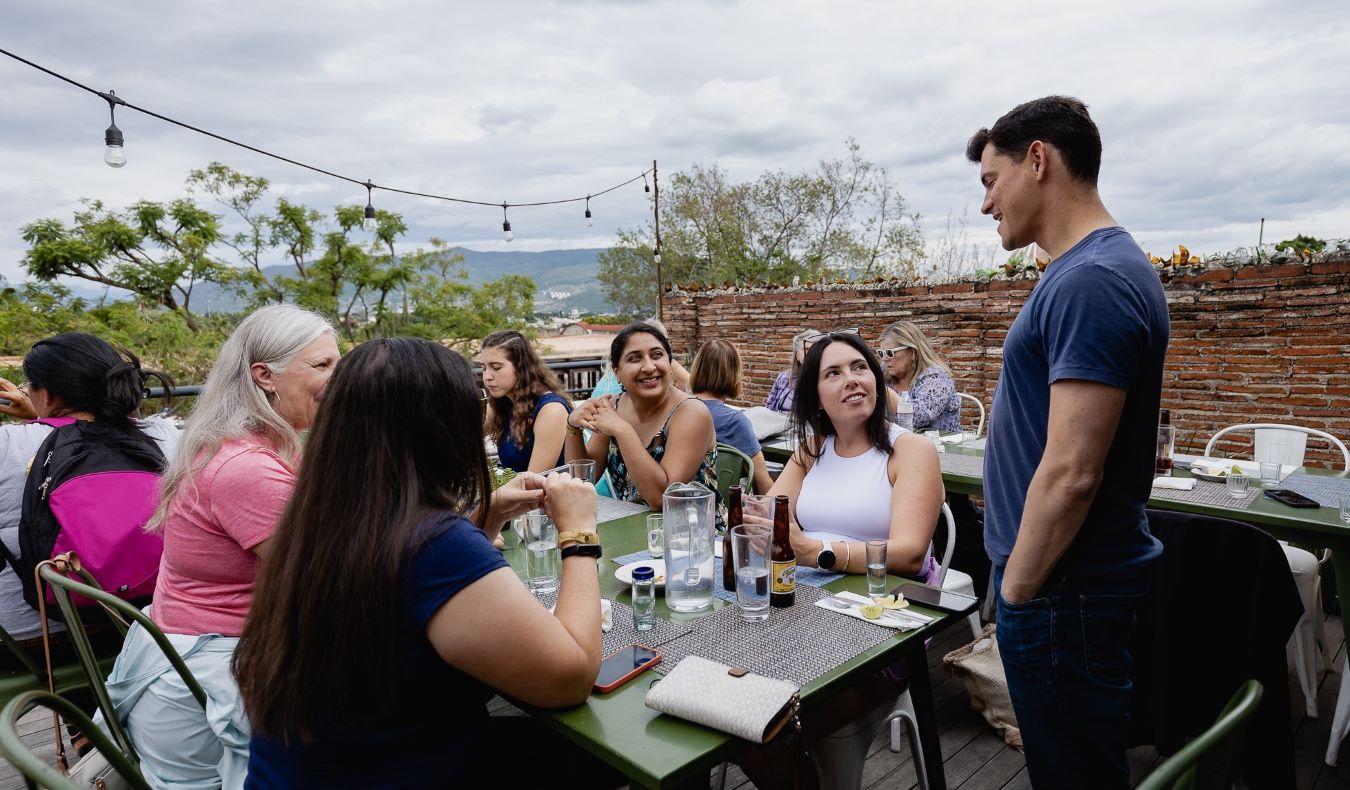
In contrast, the "working holiday" maker integrates directly into the local economy. By taking jobs within the destination country—ranging from hospitality and tourism to teaching and internships—these travelers contribute to the local tax base and fill labor shortages.
Key differences identified by industry observers include:
- Social Integration: Working holiday makers meet colleagues and neighbors through their daily routines, whereas digital nomads often congregate in "coworking bubbles."
- Accessibility: Working holidays do not require a high-level remote career, making them accessible to younger individuals or those in trade and service industries.
- Economic Impact: Funds earned locally are typically spent locally, creating a more circular economic benefit for the host community.
Addressing the Logistics of Global Mobility
The primary deterrent for long-term travel remains the complexity of international logistics. For an individual attempting to move to a country like Australia or the UK independently, the process involves multiple stages of risk. These include securing a visa before it reaches its annual quota, passing background checks, finding an employer willing to hire a non-resident, and securing a lease without a local credit history.
To address these issues, the modern travel industry has turned to technology-driven management. Tools like the gWorld portal—a personal trip management application—allow travelers to track visa applications, job placements, and flight details in real-time. This "supported travel" model is particularly vital for first-time solo travelers.
According to data from Global Work & Travel, the most common concerns for those moving abroad are financial security and social isolation. Their "lifetime deposit" policies and community-focused apps are designed to provide a sense of permanence and belonging, ensuring that the financial investment of the traveler is protected even if global conditions change.
Ethical Frameworks in International Volunteering
The volunteering sector, often referred to as "voluntourism," has faced significant criticism over the past two decades. Critics argue that many programs are profit-driven and provide little to no benefit to the communities they claim to serve, sometimes even causing harm by displacing local workers or fostering "savior" complexes.
In response, the industry has moved toward more rigorous vetting and ethical frameworks. Modern reputable programs focus on areas defined as priorities by the local communities themselves, such as wildlife conservation in South Africa, elephant rehabilitation in Thailand, or community development in Zanzibar.
A critical component of this ethical shift is the establishment of dedicated funds, such as the Global Animal Welfare Fund, which ensures that a portion of travel fees is channeled directly into conservation infrastructure. By working alongside local experts and community leaders, travelers gain a nuanced understanding of global struggles, from healthcare disparities to environmental degradation, which shifts their perspective from a consumer to a contributor.
Economic and Professional Impacts of Long-Term Travel
The benefits of deep travel extend beyond personal fulfillment; they have measurable impacts on career trajectories and local economies. Employers increasingly value "soft skills" gained through international experience, such as adaptability, cross-cultural communication, and problem-solving.
For the traveler, the working holiday model makes long-term travel financially viable. By earning a local wage, individuals can cover their living expenses, allowing them to stay in a country for six to twelve months—a duration that would be cost-prohibitive for a traditional tourist. This extended timeframe allows for the discovery of "hidden" local spots and a deeper understanding of the socio-political landscape of the host nation.
From a macro-economic perspective, countries that host working holiday makers benefit from a flexible labor force that is particularly useful in seasonal industries like agriculture and tourism. This symbiotic relationship has led many governments to expand their visa programs, increasing age limits (sometimes up to 35) and expanding the list of eligible partner nations.
Frequently Asked Questions and Industry Standards
As the sector grows, several standard practices have emerged to protect consumers and host communities:
- Experience Requirements: Most working holiday programs require only basic work experience. Specialized roles, such as teaching English, typically include integrated training like TEFL (Teaching English as a Foreign Language) certifications.
- Age Demographics: While working holiday visas are generally capped at age 30 or 35 due to international treaties, volunteer and teaching programs are increasingly open to a broader demographic, ranging from ages 18 to 80.
- Planning Cycles: Due to visa quotas and job matching requirements, the industry standard for booking such experiences is 6 to 12 months in advance.
- Financial Protections: Membership in consumer protection services and "lifetime deposit" policies have become benchmarks for reputable agencies, ensuring that travelers do not lose their investment due to unforeseen circumstances.
Broader Impact and Future Outlook
The transition from passive tourism to active global citizenship represents a maturing of the travel industry. As global connectivity increases, the desire for "authentic" experiences is being replaced by a desire for "meaningful" experiences. The success of structured programs indicates a market-wide recognition that travel is most transformative when it involves a level of struggle, contribution, and long-term commitment.
By removing the logistical barriers to entry, the industry is democratizing the "gap year" experience, making it available not just to the wealthy, but to anyone willing to work and integrate. This shift toward "doing something deep" is likely to define the next decade of international mobility, as travelers continue to seek ways to leave a positive footprint on the world while enriching their own lives through professional and cultural immersion.
In an era of increasing global complexity, the move toward deep travel offers a path toward more sustainable, ethical, and personally rewarding international engagement. Whether through a working holiday in the Australian outback or a conservation project in the South African bush, the future of travel lies in the transition from being a visitor to becoming a participant in the global community.

 Chandra Hamzah
 Gabriela Annisa
 Tatiana Tantri Indah Sari
 Budi Mulyono
 Anjar Salim