
 Chandra Hamzah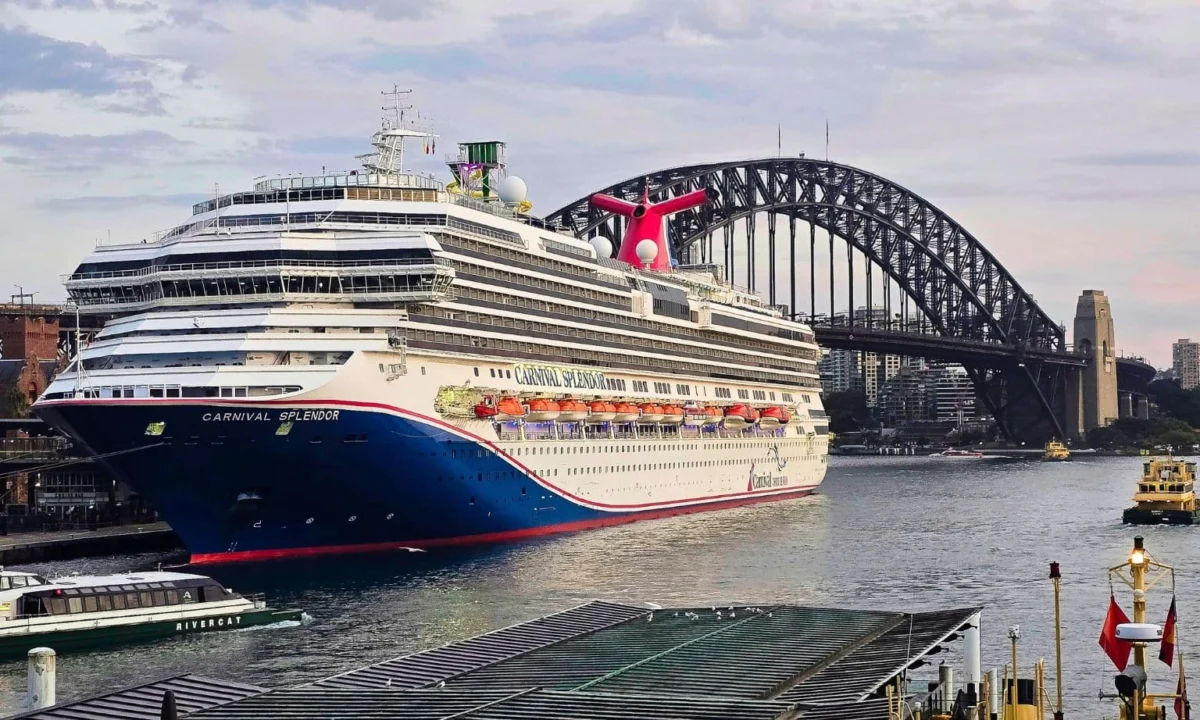
The allure of a life at sea, once primarily a domain for retirees seeking a permanent vacation, is increasingly capturing the imagination of a younger, working demographic. This evolving trend, where individuals and couples are swapping land-based residences for permanent suites aboard cruise liners, is redefining conventional notions of homeownership and lifestyle. Recent headlines have been made by Katrina and Kevin Middleton, a Scottish couple who have embraced this unconventional path, selling their house to live at sea. Their decision, driven by a desire for affordability and a yearning for global exploration, offers a compelling case study in the growing viability of maritime living for those seeking an alternative to traditional terrestrial life.
Katrina, a marketing manager, and Kevin, an IT consultant, both work remotely for UK-based companies. Their journey to life at sea began with a critical assessment of their escalating expenses on land. The combined weight of a mortgage, payments on two vehicles, substantial energy bills, and other associated living costs in Scotland had become a significant financial burden. After meticulously calculating their expenditures, they discovered a surprising economic advantage in a permanent cruise ship lifestyle. They opted to make their home aboard Royal Caribbean’s Allure of the Seas, a vessel renowned for its extensive amenities and diverse itineraries. Their estimated monthly cost for this new life is approximately US$5,200 (AU$7,300). This figure encompasses not only their accommodation but also meals, a wide array of entertainment options, access to fitness facilities, and the unparalleled benefit of circumnavigating the Caribbean.
"This is the best decision we could have made, and we’re definitely a lot happier," Katrina shared with People magazine. "We realized this is more affordable, and we’re actually saving money while travelling. My love for cruises started a long time ago, but I think we love the fact you unpack once and you get to see the world." This sentiment underscores a key appeal of the cruise lifestyle: the elimination of the constant need for relocation and the unparalleled opportunity to experience diverse destinations without the logistical complexities and costs associated with traditional travel.
The Middletons’ total monthly expenditure, including cruise fares, Wi-Fi, and some shore excursions, is reported to be under US$6,000 (AUD$8,400). This figure represents a significant cost saving, especially when considering that it includes all their essential living expenses and leisure activities. Furthermore, depending on their tenure with Royal Caribbean, they may benefit from loyalty programs that could offer additional perks such as complimentary Wi-Fi and laundry services, further reducing their out-of-pocket costs. The annual cost, estimated at approximately AUD$50,000 per person, presents a remarkably attractive financial proposition, especially when contrasted with the escalating costs of living in many Western countries.
Katrina also highlighted the psychological benefits of their maritime existence. She finds that the separation from their former land-based environment significantly aids in their ability to disconnect from work and avoid impulsive spending. "There are always distractions, but you find a quiet spot… and when the day is done, we feel like we switch off a lot better than when we’re home. When you’re home, you never fully switch off, and you’re still in that environment. On the cruise, there’s less stress," she explained. The inherent structure of a cruise ship environment, with its defined daily routines and the physical separation from familiar terrestrial temptations, fosters a greater sense of detachment from work pressures and reduces the likelihood of casual, unnecessary purchases. "Day to day, you don’t realise how much you’re actually spending if you’re getting a coffee or lunch, or if you’re filling up your car. When you’re in the middle of the ocean, you don’t need to buy or spend anything. It’s definitely a lot more affordable for us."
The financial implications of the Middletons’ decision are particularly pronounced when considering the cost of living in Australia. The article posits that for Australians, the potential savings could be even more substantial, given that Australia generally exhibits higher living costs than Scotland. To illustrate this disparity, a comparative analysis of a year spent living in Sydney versus a year aboard Carnival Cruise Line ships is presented, offering a tangible perspective on the economic advantages of maritime living.
Sydney vs. A Life at Sea: A Cost Comparison
To provide a clear picture of the financial trade-offs, let’s examine the estimated annual costs of living in Sydney, a major Australian city with a high cost of living, compared to a year spent on a cruise ship.
The Cost of a Year in Sydney
Living in a major metropolitan area like Sydney involves significant expenditures across various categories. While exact figures can vary based on lifestyle and specific choices, general estimates for a single individual or a couple can be outlined. These figures represent a typical scenario for a mid-range lifestyle, excluding significant luxury spending.

- Accommodation: Rent for a one-bedroom apartment in a relatively central Sydney location can range from AUD$2,000 to $3,000 per month. Over a year, this equates to AUD$24,000 to $36,000. For a couple requiring more space, this cost would likely be higher.
- Utilities: This includes electricity, gas, water, and internet. A monthly estimate could be between AUD$300 and $500, totaling AUD$3,600 to $6,000 annually.
- Groceries and Dining: Weekly grocery bills for a couple can easily reach AUD$200-$300, amounting to AUD$10,400 to $15,600 per year. Dining out, even moderately, can add a substantial sum, potentially another AUD$5,000-$10,000 annually.
- Transportation: Owning a car in Sydney involves costs for fuel, insurance, registration, and maintenance. Fuel alone can cost several thousand dollars per year. Public transport passes also add to the monthly expenses. A conservative estimate for a couple with one car could be AUD$5,000-$8,000 annually.
- Entertainment and Leisure: Social activities, hobbies, gym memberships, and occasional travel contribute significantly. A reasonable annual budget for entertainment could be AUD$5,000-$10,000.
- Other Expenses: This category includes clothing, personal care, health insurance (if not fully covered by public healthcare), and unexpected costs. An estimated AUD$3,000-$6,000 annually is a plausible figure.
Estimated Annual Cost for a Couple in Sydney: Summing these figures, a couple living in Sydney could realistically spend between AUD$51,000 and AUD$75,600 (or potentially more) annually for a comfortable, yet not extravagant, lifestyle. This excludes significant savings or investments.
The Cost of a Year on a Cruise Ship
The Middletons’ experience offers a benchmark for the costs associated with a permanent cruise ship lifestyle. Their reported monthly expenditure of approximately US$5,200 (AU$7,300) for accommodation, meals, entertainment, and amenities on Allure of the Seas provides a clear point of comparison.
- Cruise Fares: The core of the cost is the fare for a long-term cruise. The Middletons’ stated US$5,200 per month translates to an annual cost of approximately US$62,400, which is around AUD$87,700 at current exchange rates.
- Additional Expenses: While their fare includes many essentials, there are supplementary costs:
- Wi-Fi: Essential for remote work, this can be a significant expense if not included in loyalty programs. A typical monthly plan could add AUD$100-$200.
- Shore Excursions: While not strictly necessary, these are a major part of the cruise experience. Budgeting for these can vary greatly, but a moderate allowance might be AUD$3,000-$6,000 annually.
- Alcoholic Beverages and Specialty Dining: If not part of a package, these can add up.
- Gratuities: Many cruise lines add daily gratuities to guest accounts.
- Personal Spending: Souvenirs, incidentals, and other personal purchases.
The Middletons’ stated total expenditure of under US$6,000 (AUD$8,400) per month, including Wi-Fi and some shore activities, suggests their annual cost is approximately US$72,000 (AUD$100,800). However, they explicitly state they are saving money while travelling, implying their previous land-based expenses were higher. This suggests their current cost, while seemingly substantial, is less than their previous outgoings. If we take their claimed annual cost of around AUD$50,000 per person (as stated in the original article, though this seems to refer to their total savings or a significantly lower individual cost), the discrepancy with their stated monthly expenditure needs clarification. Assuming their reported total monthly expenditure of ~AUD$7,300 is for the couple, the annual figure is indeed around AUD$87,600. The statement about saving money implies their previous combined annual expenditure in Scotland was significantly higher, perhaps in the range of AUD$100,000+.
Estimated Annual Cost for a Couple on a Cruise Ship (based on Middletons’ expenditure): Based on their reported monthly spend of US$5,200 (AU$7,300) for accommodation, meals, and entertainment, the annual cost is approximately AUD$87,600. If we add a moderate allowance for Wi-Fi and shore excursions (e.g., AUD$5,000-$10,000 annually), the total could range from AUD$92,600 to AUD$97,600.
The Verdict: A Shift in Financial Priorities
When comparing the estimated annual costs, the narrative of financial advantage for the Middletons and potentially other Australians becomes clearer, especially if their previous land-based expenses were indeed higher than their current cruise expenses.
- Sydney: AUD$51,000 – $75,600+ for a couple.
- Cruise Ship (Middletons’ reported expenditure): AUD$87,600 – $97,600+ for a couple, but with significant added value in travel, amenities, and reduced stress.
The key differentiator is the value proposition. While the absolute cost of the cruise lifestyle might appear comparable or even higher than a frugal lifestyle in Sydney, the inclusions are vastly different. The cruise fare covers not just a roof over one’s head and food, but also global travel, entertainment, fitness, and a sense of community. The Middletons’ assertion of saving money suggests that their previous expenses in Scotland were considerably higher than their current combined outlay on the cruise. This implies that the cost of living on land, with its associated mortgage, utilities, car payments, and everyday purchases, can indeed surpass the all-inclusive nature of a permanent cruise residency.
The trend of permanent cruise living is supported by several factors. Cruise lines are increasingly recognizing this market segment. Companies are developing strategies to cater to long-term residents, potentially offering more flexible booking options and even residential-style suites. The COVID-19 pandemic also accelerated the adoption of remote work, making the geographical flexibility of a cruise ship lifestyle more feasible for many professionals.
However, this lifestyle is not without its considerations. While the Middletons have found it to be a positive and financially beneficial move, potential residents must carefully assess their individual circumstances. Factors such as the need for consistent high-speed internet for demanding professional roles, access to specialized healthcare while at sea, and the desire for a stable, long-term community need to be thoroughly evaluated. Furthermore, the financial stability of cruise lines and potential geopolitical events can influence travel plans and the availability of such options.
The emergence of individuals like Katrina and Kevin Middleton as pioneers in this maritime living trend signals a broader societal shift. As the cost of traditional homeownership continues to rise in many parts of the world, and with the increasing acceptance of remote work, the concept of living permanently on a cruise ship is transitioning from a niche retirement fantasy to a practical and potentially advantageous lifestyle choice for a wider demographic. The allure of exploring the world while maintaining a stable and affordable home base is a powerful one, and it is likely to attract more individuals seeking an alternative to the conventional paths of homeownership and retirement.



 Budi Mulyono
 Anjar Salim
 Tatiana Tantri Indah Sari

 Lukman Taruna Persada Ramadan