
 Chandra Hamzah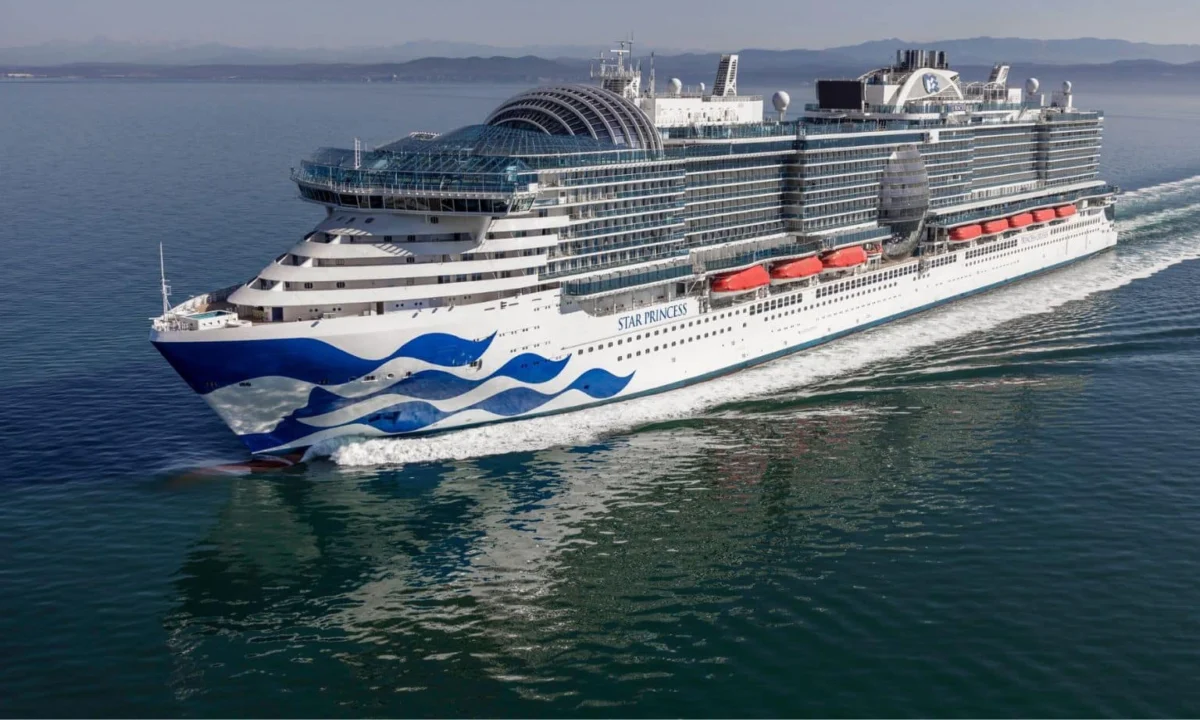
Princess Cruises has announced a significant expansion of its fleet with the order of three new "Voyager class" mega-ships, each designed to accommodate up to 4,700 guests. This ambitious undertaking marks the largest vessels ever commissioned by the cruise line and underscores a strategic commitment to enhancing the onboard experience and embracing advanced technology. The groundbreaking agreement with Italian shipbuilder Fincantieri is set to deliver these state-of-the-art vessels in late 2035, 2038, and 2039, ushering in a new era for Princess Cruises.
A New Era of Scale and Sophistication
The introduction of the Voyager class represents a substantial leap in ship size for Princess Cruises. With a capacity of 4,700 guests, these new vessels will significantly surpass the current largest ships in the fleet, such as the Sky Princess and Enchanted Princess, which typically accommodate around 3,660 passengers. This increase in capacity suggests a strategic move to capture a larger share of the growing global cruise market and to offer a more comprehensive and immersive vacation experience. The sheer scale of these ships implies the integration of a wider array of amenities, entertainment options, and dining venues, aiming to cater to a diverse range of passenger preferences.
Princess Cruises President Gus Antorcha expressed his enthusiasm for the new class, stating, "The Voyager class will delight both our loyal guests and attract the next generation of Princess guests." This statement highlights a dual focus on retaining their established customer base while simultaneously appealing to a newer demographic of travelers, likely those seeking larger, more feature-rich cruise experiences. The development of the Voyager class is not merely about increasing passenger numbers; it is about evolving the Princess Cruises brand to meet and anticipate the demands of the modern traveler.
Design Philosophy: Evolution of the Onboard Experience
The design of the Voyager class ships is centered on a philosophy of thoughtful evolution, promising significant enhancements across all aspects of the onboard experience. Key features will include expansive open decks, offering guests more opportunities to enjoy the sea air and outdoor activities. The introduction of new stateroom configurations is also anticipated, likely providing a wider range of accommodation options to suit various budgets and travel styles, from intimate cabins to more luxurious suites.
A central element of the redesign will be a reimagined Piazza, the ship’s vibrant social hub. Traditionally a multi-deck atrium, the Piazza on the Voyager class is expected to be an even more dynamic and engaging space, serving as the heart of the ship’s social and entertainment offerings. This suggests a focus on creating communal areas that foster interaction and provide a lively atmosphere.
Beyond the Piazza, Princess Cruises is undertaking significant changes to its dining venues, entertainment spaces, and pool areas. This holistic approach indicates a commitment to upgrading and innovating every facet of the passenger journey. "From exceptional dining and inviting pool environments to elevated entertainment and beautifully reimagined spaces throughout the ships, we are leaving no area untouched as we thoughtfully evolve the Princess experience," Antorcha elaborated. This comprehensive overhaul aims to ensure that every aspect of the cruise contributes to a memorable and enjoyable vacation. The focus on "elevated entertainment" could translate to more sophisticated shows, immersive experiences, and perhaps even new forms of onboard programming.
Sustainability at the Forefront: Embracing LNG Technology
A crucial aspect of the Voyager class development is the commitment to environmental sustainability, with the new ships slated to utilize liquefied natural gas (LNG) as their primary fuel source. This aligns with the cruise industry’s broader trend towards adopting more eco-friendly technologies. The Voyager class will operate as dual-fuel vessels, capable of running on both LNG and conventional marine fuels, but with a primary reliance on LNG.
This approach mirrors the strategy employed for the recently announced Sun Princess and Star Princess, which are also designed to be powered by LNG. LNG is considered a cleaner-burning fossil fuel, significantly reducing sulfur dioxide and particulate matter emissions compared to traditional heavy fuel oil. It also leads to a reduction in nitrogen oxides and greenhouse gases. The adoption of LNG for such large vessels represents a substantial investment in greener maritime operations and signals Princess Cruises’ proactive stance on environmental responsibility.
The implementation of LNG technology on these mega-ships is not only a regulatory compliance measure but also a strategic business decision that can enhance brand reputation and appeal to an increasingly environmentally conscious traveler. As the cruise industry faces growing scrutiny regarding its environmental impact, adopting advanced fuel technologies like LNG is becoming a critical differentiator.
A Strategic Investment in Future Growth
The ordering of three new mega-ships is a substantial financial commitment, reflecting Princess Cruises’ confidence in the long-term growth prospects of the cruise industry and its own market position. The delivery schedule, spanning from 2035 to 2039, indicates a phased expansion, allowing for careful integration of the new vessels into the existing fleet and operational strategies.
The choice of Fincantieri as the shipbuilder is also noteworthy. Fincantieri is a globally renowned shipbuilding company with a strong track record in constructing large, complex cruise ships. This partnership suggests a focus on quality, innovation, and timely delivery, crucial factors for such a significant fleet expansion.
Background Context: The Evolving Cruise Landscape
The cruise industry has experienced remarkable growth over the past few decades, transforming from a niche vacation option to a mainstream travel choice. Factors contributing to this growth include increased disposable income, a desire for all-inclusive vacation packages, and the unique ability of cruises to visit multiple destinations without the hassle of repeated packing and unpacking.
However, the industry also faces challenges, including environmental concerns, market saturation in certain regions, and evolving consumer expectations. Mega-ships, like the proposed Voyager class, are a response to the demand for more extensive onboard amenities and entertainment, allowing cruise lines to offer a wider variety of experiences within a single vacation. Simultaneously, there is a growing segment of travelers seeking more intimate and unique experiences, leading to a diversification of ship sizes and styles within the market. Princess Cruises’ strategy with the Voyager class appears to be a calculated move to dominate the large-ship segment while potentially continuing to cater to other market niches with its existing fleet.
Chronology of Development
- Recent Past: Princess Cruises has been actively modernizing its fleet, with the introduction of ships like Sun Princess and Star Princess, which also incorporate LNG fuel technology. These vessels serve as precursors and testbeds for the technologies and design elements that will be further refined in the Voyager class.
- Present: The formal agreement with Fincantieri for the construction of three Voyager class ships is signed. This marks the official commencement of the design and construction phase.
- Future (Late 2035, 2038, 2039): The delivery of the three Voyager class ships is scheduled, initiating their operational service. This timeline allows for a strategic rollout and integration into the Princess Cruises’ global itineraries.
Supporting Data and Industry Trends
- Global Cruise Market Growth: The Cruise Lines International Association (CLIA) consistently reports growth in passenger numbers and cruise expenditure worldwide. Pre-pandemic, the industry was on a strong upward trajectory, and post-pandemic recovery has been robust, indicating sustained consumer demand.
- Ship Size Evolution: The trend towards larger cruise ships has been evident for years, driven by economies of scale in operations and the desire to offer a wider array of onboard attractions. The average tonnage of new cruise ships has steadily increased.
- Sustainability Initiatives: Environmental regulations and consumer awareness are pushing cruise lines to invest heavily in sustainable technologies. LNG adoption is a key component of this trend, with a growing number of new builds specifying this fuel.
- Investment in Onboard Experience: Cruise lines are increasingly differentiating themselves through innovative onboard offerings, including advanced entertainment systems, diverse culinary options, and immersive experiences.
Potential Implications and Analysis
The launch of the Voyager class has several potential implications for Princess Cruises and the wider cruise industry:
- Enhanced Market Competitiveness: The larger capacity and enhanced amenities of the Voyager class ships will position Princess Cruises as a major player in the mega-ship segment, capable of competing with other leading cruise lines offering similar-sized vessels.
- Attracting New Demographics: The emphasis on a "next generation" of guests suggests an effort to appeal to younger travelers and families who may be drawn to the extensive entertainment and activity options typically found on larger ships.
- Operational Efficiencies: While requiring significant upfront investment, larger ships can sometimes lead to greater operational efficiencies per passenger, particularly in terms of fuel consumption and crew deployment.
- Itinerary Flexibility: The scale of these ships may necessitate the development of new itineraries or the expansion of capacity on existing popular routes, potentially impacting port infrastructure and destination management.
- Brand Perception: The commitment to LNG signifies a strong focus on environmental responsibility, which can positively influence brand perception among environmentally conscious consumers and stakeholders.
The decision to build three new mega-ships is a bold statement of intent from Princess Cruises, signaling a significant investment in its future and a commitment to staying at the forefront of the cruise industry’s evolution. The Voyager class represents not just an increase in size, but a deliberate reimagining of the onboard experience, blending scale with sophistication and sustainability. As these vessels near their delivery dates, they are poised to redefine the standards for large-scale cruising and solidify Princess Cruises’ position in the global market.



 Anjar Salim
 Tatiana Tantri Indah Sari
 Budi Mulyono
 Lukman Taruna Persada Ramadan
