
 Tatiana Tantri Indah Sari
The global travel industry is currently navigating a complex landscape of shifting alliances, geopolitical tensions, and robust market performance, as highlighted in the latest Skift Daily Briefing hosted by Sarah Dandashy on April 24th, 2026. Major developments include American Airlines and Alaska Airlines exploring a significant revenue-sharing partnership that could redefine domestic competition, Emirates President Tim Clark’s optimistic forecast for a swift recovery in traveler confidence despite recent Middle East escalations, and a surprisingly strong first quarter for hotels, even as industry analysts signal growing uncertainties for the latter half of the year. These interconnected trends underscore the resilience and adaptability of the travel sector, alongside its inherent vulnerabilities to economic and political instability.
American and Alaska Explore Deeper Revenue-Sharing Partnership
In a move that could significantly alter the U.S. domestic airline landscape, American Airlines and Alaska Airlines are reportedly engaged in advanced discussions regarding a comprehensive revenue-sharing partnership. This potential agreement, which extends far beyond their existing codeshare and Oneworld alliance membership, aims to integrate their networks more deeply, optimize schedules, and collectively manage pricing and capacity on specific routes, effectively allowing them to share profits from designated flights. The news, initially reported by Skift on April 22nd, 2026, suggests a strategic pivot for both carriers in response to evolving market dynamics and competitive pressures.
The current partnership between American and Alaska, formalized in early 2020 and strengthened after Alaska joined the Oneworld alliance in 2021, primarily involves codesharing, reciprocal loyalty benefits, and seamless connections. This has allowed American to expand its West Coast presence, particularly in key hubs like Seattle and Portland, while providing Alaska passengers with broader international access through American’s global network. However, a full revenue-sharing agreement would elevate this collaboration to a new level, mirroring similar arrangements seen between major international carriers like American and British Airways on transatlantic routes, or Delta and Virgin Atlantic.
For American Airlines, a deeper partnership with Alaska would solidify its position against formidable rivals such as Delta Air Lines and United Airlines, especially in the competitive West Coast markets. It would provide access to Alaska’s extensive regional network, particularly strong in the Pacific Northwest and within California, areas where American has historically faced challenges in building dominant market share. Analysts project that such a partnership could add upwards of $500 million annually in combined revenue through optimized pricing and reduced competitive overlap on certain routes.
Alaska Airlines, a smaller but highly profitable carrier known for its customer service and strong regional presence, would benefit from enhanced feeder traffic into American’s larger hubs and expanded global reach for its loyal customer base. The partnership could also offer efficiencies in fleet utilization and operational planning. "This isn’t just about codesharing; it’s about unlocking synergistic value that benefits both carriers and ultimately, our customers through a more robust and interconnected network," stated an unnamed senior executive close to the discussions, emphasizing the strategic importance of the potential agreement.
However, a revenue-sharing deal of this magnitude is not without its challenges. Regulatory scrutiny will undoubtedly be a major hurdle. U.S. antitrust authorities, particularly the Department of Justice, have historically viewed such deep alliances with skepticism, especially when they involve significant market concentration. Recent regulatory actions, such as the termination of the Northeast Alliance between American and JetBlue, serve as a stark reminder of the government’s willingness to intervene to protect competition. Lawyers specializing in airline antitrust predict a rigorous review process, focusing on potential impacts on fares, route availability, and consumer choice in markets where both airlines currently compete directly. Industry observers anticipate that American and Alaska would need to demonstrate clear public benefits and perhaps divest certain slots or routes to gain approval.
From a consumer perspective, the implications are mixed. On one hand, passengers could benefit from more streamlined travel experiences, better connectivity, and potentially more competitive fares on routes where the combined entity can achieve greater efficiencies. On the other hand, reduced competition on specific routes could lead to higher fares and fewer choices over time. The outcome of these discussions and any subsequent regulatory review will be closely watched by the entire aviation industry, as it could set a precedent for future airline collaborations in a post-pandemic, increasingly consolidated market.
Emirates President Tim Clark Predicts Rapid Travel Rebound from Geopolitical Tensions
In a notable display of confidence, Sir Tim Clark, President of Emirates, expressed his belief that global travelers would quickly "forget" the recent geopolitical tensions involving Iran and resume their travel plans without significant long-term hesitation. Speaking on April 23rd, 2026, Clark’s remarks come in the wake of heightened military actions and counter-actions in the Middle East earlier in the month, which had temporarily disrupted air travel corridors and raised concerns about regional stability. Skift reported on Clark’s optimistic outlook, suggesting a deep understanding of traveler psychology and the inherent resilience of the demand for global mobility.
The specific "crisis" Clark referred to involves a series of escalating events that commenced in early April 2026. These included an alleged drone attack on an Iranian facility on April 1st, attributed by some to Israel, followed by a retaliatory missile and drone barrage from Iran towards Israeli targets on April 13th. Israel then responded with a limited strike inside Iran on April 19th. While these events caused temporary flight reroutings, airspace closures, and a palpable sense of anxiety, a rapid de-escalation followed, largely attributed to international diplomatic efforts and a desire by major powers to prevent a wider regional conflict.
Clark’s assessment is rooted in historical precedent. The travel industry has repeatedly demonstrated its ability to rebound swiftly from geopolitical shocks, natural disasters, and even health crises. "While there’s an immediate dip in confidence and bookings, particularly for routes in or near affected regions, the underlying human desire to travel, explore, and conduct business abroad remains incredibly strong," Clark was quoted as saying. "Once the immediate threat perception subsides, and with clear communication on safety and security, travelers typically return to the skies much faster than many expect."
Emirates, as a leading global airline with its hub in Dubai, is particularly sensitive to Middle Eastern stability, given its strategic location connecting East and West. The airline’s extensive network means any disruption in a major corridor, such as those traversing the Persian Gulf, can have widespread implications. However, Emirates has also demonstrated agility in adapting its operations, rerouting flights, and reassuring passengers. Its hub model, which relies on connecting passengers from diverse origins to diverse destinations, often allows it to absorb shocks better than point-to-point carriers, as demand can shift between different regions.

Industry analysts largely concur with Clark’s sentiment, albeit with some caveats. "There’s a clear pattern: acute, short-lived crises lead to temporary dips, but sustained, widespread conflict causes lasting damage," noted Dr. Anya Sharma, a geopolitical risk consultant specializing in aviation. "The rapid de-escalation in April was crucial. Had the situation spiraled, Clark’s prediction might have been overly optimistic. But given the current trajectory, a quick rebound in passenger confidence, especially for long-haul leisure and business travel, is very plausible."
The immediate impact of the tensions saw a temporary decline in flight bookings to and from the Middle East by approximately 15-20% in the week following the April 13th incident, according to preliminary data from travel analytics firms. However, this dip was largely concentrated in the immediate region, and forward bookings for late Q2 and Q3 2026 remained robust for most international routes, indicating that travelers were not canceling long-term plans but rather exercising caution in the short term. Airlines like Emirates have also been quick to offer flexible rebooking options, further reassuring passengers.
Looking ahead, the resilience of the travel sector will depend on continued de-escalation and the absence of further significant geopolitical shocks. While Clark’s confidence provides a positive signal, the underlying tensions in the Middle East remain a persistent risk factor that the industry must monitor closely.
Hotel Earnings Show Strong Q1 Performance Amidst Future Uncertainty
Despite a backdrop of geopolitical unease and persistent economic headwinds, the global hotel sector has reported a surprisingly strong performance for the first quarter of 2026, marking what many analysts are calling the "best quarter in a year" after a comparatively weak 2025. This robust start to the year is driven by sustained leisure demand, a notable resurgence in business travel, and a healthy pipeline of group bookings. However, this optimism is tempered by cautious forecasts for the latter half of 2026, with industry leaders and financial reports signaling increasing uncertainty. The Skift article on April 23rd, 2026, previewed these earnings, highlighting the sector’s current strength while acknowledging looming risks.
The first quarter saw significant improvements across key performance indicators (KPIs) for major hotel groups. Preliminary data indicates that Revenue Per Available Room (RevPAR), a critical industry metric, surged by an average of 7.5% year-over-year globally. This growth was fueled by both increased occupancy rates, which averaged around 68% (up 3 percentage points from Q1 2025), and a healthy rise in Average Daily Rate (ADR), which climbed by approximately 4.2%. North America and Europe led the charge, benefiting from pent-up demand for both domestic and international travel, as well as a strong return of corporate events and conferences.
"The Q1 results are a testament to the enduring appeal of travel and the diligent work of hoteliers to optimize their operations in a challenging environment," commented Maria Rodriguez, President of the Global Hospitality Association. "We’re seeing a full-fledged return of business travelers who are eager to reconnect, coupled with a resilient leisure segment that continues to prioritize experiences. The luxury segment, in particular, has seen exceptional growth, with RevPAR increases sometimes double the industry average."
The drivers behind this strong performance are multifaceted. Leisure travel, though maturing from its post-pandemic boom, continues to be a foundational pillar, with travelers demonstrating a willingness to spend on unique experiences and premium accommodations. Crucially, business travel has shown a more consistent recovery than previously anticipated, with corporate bookings for conventions, sales meetings, and client visits approaching pre-pandemic levels in many key urban centers. This resurgence is particularly impactful for full-service and luxury hotels, which derive a significant portion of their revenue from corporate segments. Furthermore, the robust return of group bookings, including weddings, large events, and association conferences, has provided a stable base of demand for many properties.
Despite these positive indicators, the outlook for Q3 and Q4 2026 is shrouded in greater uncertainty. Economic forecasts suggest a potential slowdown in global growth, with persistent inflation and elevated interest rates continuing to exert pressure on consumer spending. Energy costs, labor shortages, and rising operational expenses are also compressing profit margins for hoteliers. "While Q1 was undeniably strong, we are entering a period where macroeconomic headwinds could intensify," warned Dr. Kenneth Chang, Chief Economist at Hospitality Market Insights. "Consumers might begin to pull back on discretionary spending if inflation remains high or if job markets weaken. The ‘revenge travel’ phenomenon is largely behind us, and we’re moving into a more normalized, but potentially more volatile, demand environment."
Geopolitical tensions, as evidenced by the recent Middle East crisis, also pose a risk. While the immediate impact on global travel was contained, any sustained escalation could deter international travel, particularly affecting long-haul routes and destinations perceived as less stable. Additionally, the labor market remains tight in many regions, forcing hotels to offer higher wages and benefits, which directly impacts their bottom line. Investment in technology, while crucial for efficiency and guest experience, also represents significant capital expenditure.
Major hotel chains are responding to this bifurcated outlook by focusing on dynamic pricing strategies, enhancing loyalty programs to capture repeat business, and diversifying their portfolios into segments less susceptible to economic downturns, such as extended-stay properties and select-service hotels. Digital transformation remains a key priority, with companies like Lodgify, a presenter of the Skift Daily Briefing, offering solutions for property management and direct bookings, helping independent operators and smaller chains compete more effectively.
In summary, the hotel industry is experiencing a moment of considerable strength, buoyed by a robust Q1 2026. However, executives and analysts are preparing for a potentially more challenging second half of the year, necessitating careful strategic planning and operational agility to navigate the evolving economic and geopolitical landscape. The delicate balance between capitalizing on current demand and preparing for future uncertainties will define the sector’s performance in the coming months.
The confluence of these major developments – strategic airline realignments, the delicate balance of geopolitical stability against travel resilience, and the mixed signals from the hospitality sector’s financial performance – paints a vivid picture of a global travel industry in flux. As American and Alaska forge a deeper alliance, potentially reshaping competitive dynamics, and Emirates expresses confidence in the swift return of travelers, the hotel sector’s strong start to 2026 serves as a reminder of the industry’s underlying vitality, even as it braces for an unpredictable future. These narratives, collectively analyzed, highlight the dynamic interplay of market forces, human behavior, and global events that continuously shape the landscape of travel and tourism.




 Anjar Salim
 Chandra Hamzah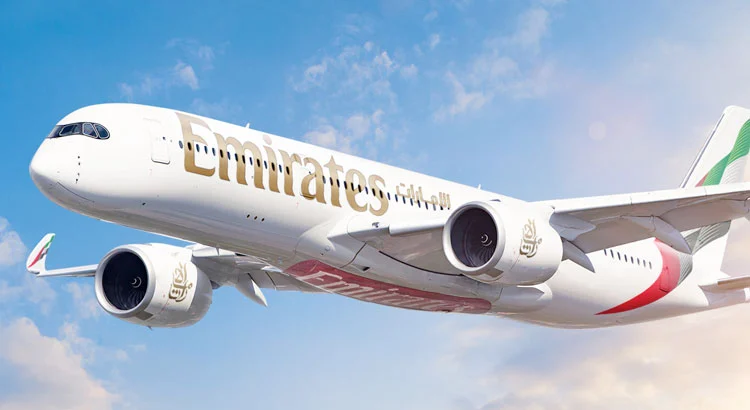
 Budi Mulyono

