
 Anjar Salim
The global nutritional landscape is currently undergoing a seismic shift as "protein-maxxing"—a term popularized by social media subcultures—transitions from a niche bodybuilding obsession to a mainstream dietary standard. This phenomenon has led to a saturation of protein-fortified products in the consumer market, ranging from high-protein cereals to snack foods traditionally considered nutritionally sparse. While protein remains a fundamental macronutrient essential for lean body mass, immune function, and metabolic health, the current cultural fixation raises critical questions regarding nutritional quality, the necessity of fortification, and the potential displacement of other vital nutrients like carbohydrates.
The Drivers of the Protein-Maxxing Phenomenon
The surge in protein consumption is not a spontaneous market fluctuation but the result of several converging factors across the pharmaceutical, regulatory, and digital sectors. Industry analysts point to three primary catalysts that have fundamentally altered consumer behavior over the last several years.
The Influence of GLP-1 Medications on Dietary Habits
The meteoric rise of GLP-1 receptor agonists, such as semaglutide and tirzepatide, has introduced a new variable into public health. While these medications are highly effective for weight management, clinical data indicates that the rapid weight loss they induce often includes a significant percentage of lean muscle mass alongside adipose tissue. A 2025 study published in the Journal of Clinical Nutrition highlighted that individuals on GLP-1 regimens frequently fall short of their protein requirements due to suppressed appetite, leading to increased risks of sarcopenia—the age-related or weight-loss-related loss of muscle.
Consequently, medical professionals have begun emphasizing "muscle-sparing" diets. This has created a massive demand for protein-dense foods that can provide maximum nutritional value in smaller caloric volumes. The market has responded with an array of fortified products designed to help these patients maintain muscle integrity while their overall caloric intake remains low.
Federal Regulatory Shifts: The 2025-2030 Dietary Guidelines
A significant regulatory catalyst arrived with the release of the updated Dietary Guidelines for Americans. In a departure from previous decades, the U.S. Department of Agriculture (USDA) and the Department of Health and Human Services (HHS) adjusted their protein recommendations upward to address the growing concerns of an aging population and metabolic health.

Current federal recommendations now suggest a daily intake of 80 to 110 grams for men and 70 to 90 grams for women. This represents nearly a twofold increase from the previous Recommended Dietary Allowance (RDA) of 0.8 grams per kilogram of body weight, which many experts now argue was merely a minimum requirement to prevent deficiency rather than an optimal level for thriving.
Digital Marketing and the Social Media Echo Chamber
Social media platforms have played a pivotal role in rebranding protein as a universal panacea. Influencers across fitness and wellness niches have adopted "protein-maxxing" as a lifestyle, often suggesting that higher protein intake is the solution for everything from chronic fatigue to mental health challenges. This marketing push has successfully equated high protein content with a "health halo," a psychological phenomenon where consumers perceive a product as overall healthy based on a single positive attribute, regardless of its other ingredients.
The Nutritional Reality of Protein Fortification
As food manufacturers rush to capitalize on the protein trend, the distinction between "high protein" and "high nutrition" has become increasingly blurred. The industrialization of protein—often through the use of isolates and concentrates—presents several challenges to the traditional understanding of a balanced diet.
The Challenge of Ultra-Processed Fortified Foods
The inclusion of protein isolates (such as whey, soy, or pea protein) in ultra-processed foods (UPFs) does not necessarily negate the health risks associated with those products. Research published in The Lancet has consistently linked the high consumption of UPFs—even those marketed as "healthy" or "fortified"—to increased rates of cardiovascular disease and type 2 diabetes.
When a product like a protein-fortified cookie or a high-protein snack chip enters the market, it often carries high levels of sodium, synthetic emulsifiers, and added sugars. Nutritionists warn that the "protein halo" may lead consumers to over-consume these products under the guise of health, potentially leading to a higher intake of additives that compromise long-term wellness.
The Myth of Widespread Protein Deficiency
Despite the aggressive marketing of the protein-maxxing movement, population-level dietary intake data suggests that the average American is not actually protein-deficient. According to the National Health and Nutrition Examination Survey (NHANES), most adults already consume protein at levels that meet or exceed the traditional RDA.
"Protein-maxxing is essentially a solution in search of a problem for the general population," says Dr. Elena Rodriguez, a clinical dietitian. "While specific groups like elite athletes and those on GLP-1 medications do require more protein, the average sedentary or moderately active adult can easily meet their needs through a standard, varied diet of whole foods."
Chronology of the Modern Protein Evolution
To understand the current state of the market, it is necessary to examine the timeline of dietary trends that led to the present moment:
- 1990s: The Low-Fat Era. Regulatory focus was on the reduction of fats, leading to a surge in high-sugar, low-fat processed products.
- 2000s-2010s: The Low-Carb Revolution. Diets like Atkins and Paleo shifted the focus toward protein and fats, vilifying carbohydrates.
- 2020-2023: The Functional Food Surge. During the global pandemic, consumers began seeking "functional" benefits from their food, such as immunity and muscle support.
- 2024-Present: The Protein-Maxxing Era. The convergence of GLP-1 popularity and updated federal guidelines solidified protein as the dominant macronutrient in the consumer consciousness.
The Risk to Athletic Performance: The Carbohydrate Displacement
For the endurance sports community—runners, cyclists, and triathletes—the protein-maxxing trend carries a specific risk: the neglect of carbohydrates. Carbohydrates remain the primary fuel source for high-intensity and long-duration exercise.
When athletes prioritize protein-fortified products that are often labeled as "low-carb," they risk depleting their glycogen stores. This can lead to a physiological state known as "hitting the wall" or "bonking," where the body lacks the glucose necessary to sustain performance. Experts recommend that endurance athletes maintain a protein intake of 1.2 to 1.6 grams per kilogram of body weight while ensuring that 45% to 65% of their total calories still come from complex carbohydrates.
Strategic Nutrition: Navigating the Market
For consumers looking to optimize their protein intake without falling into the traps of over-processing, registered dietitians suggest a "whole-food first" approach.
Identifying Quality in Fortified Products
When whole foods are unavailable, and fortified products become a necessity for convenience, label transparency is paramount. A high-quality protein-enhanced product should meet several criteria:
- Protein Density: The product should offer at least 8 to 10 grams of protein per serving to be considered a significant source.
- Whole Ingredient Foundation: Look for bases made of oats, seeds, nuts, or legumes rather than refined flours.
- Minimal Additives: Avoid products with long lists of artificial sweeteners, dyes, and stabilizers.
Industry Examples of High-Value Fortification
Several products have been identified by nutritional experts as successfully bridging the gap between convenience and quality:
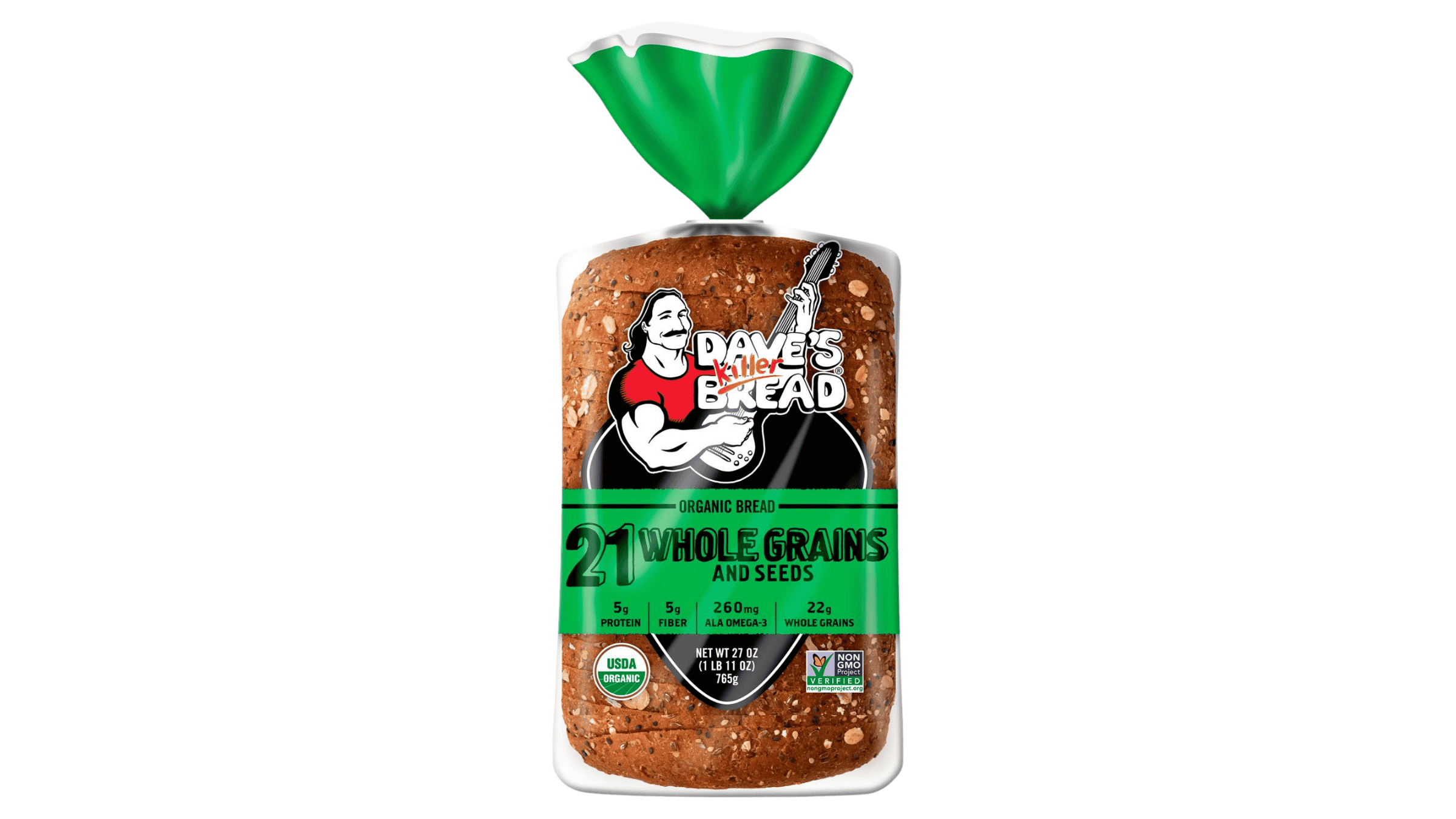
- Sprouted Grain Breads: Products like Dave’s Killer Bread utilize seeds and whole grains to naturally boost protein content to 5 grams per slice while providing essential fiber.
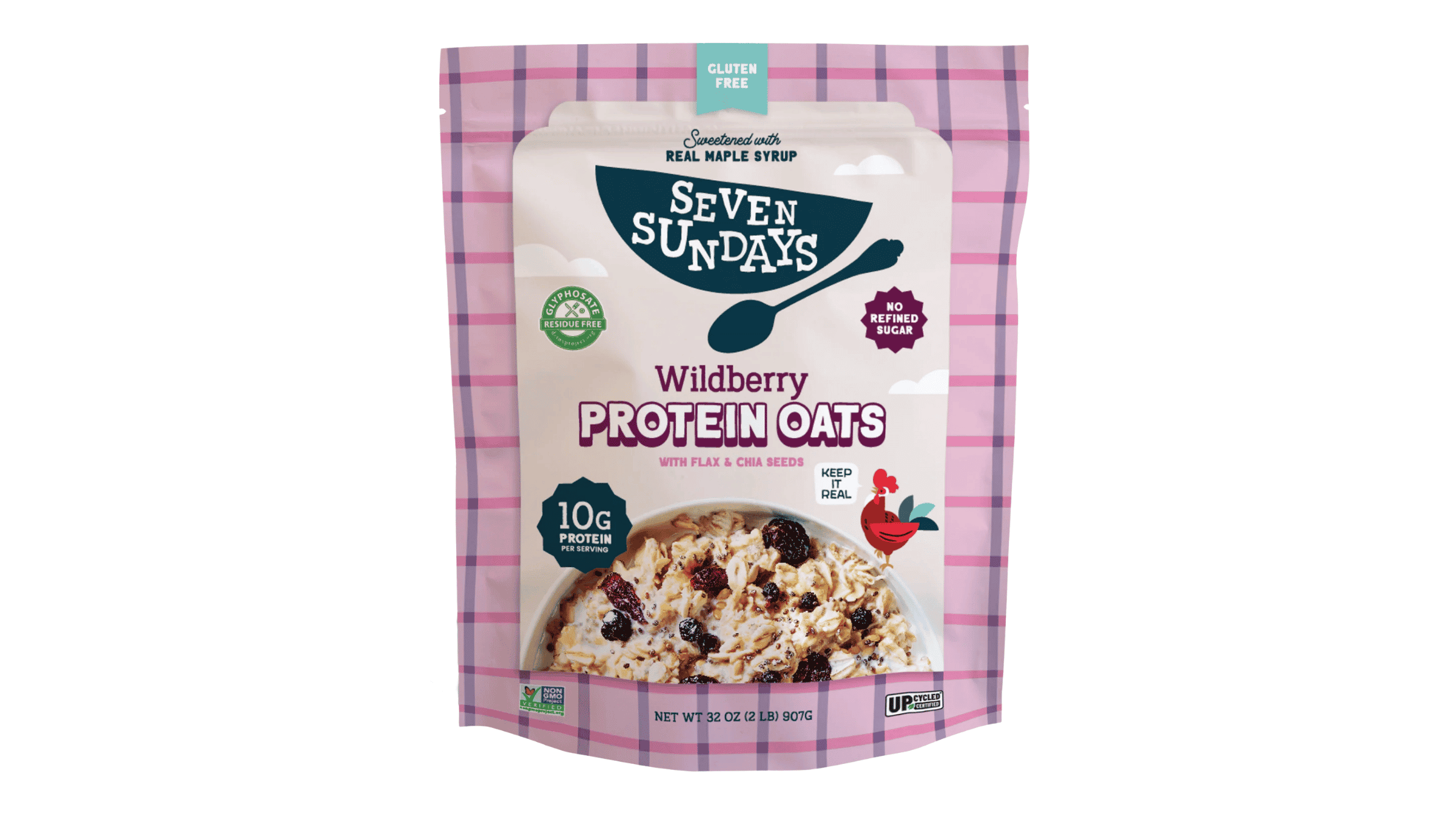
- Oat-Based Protein Bowls: Companies such as Seven Sundays utilize upcycled oat protein, which provides a sustainable and nutrient-dense alternative to traditional sugary cereals.
- Whole-Food Snack Balls: Brands like Day Out use dates and cashews as the primary ingredients, incorporating plant-based protein blends (pea and chia) to provide a balanced macro-profile without synthetic fillers.
Broader Impact and Future Implications
The protein-maxxing trend is expected to have lasting impacts on the global food economy and environmental policy. As demand for protein increases, the agricultural sector faces pressure to scale production. This has led to a surge in investment in plant-based protein technologies and "precision fermentation," which seeks to create dairy and meat proteins without the environmental footprint of traditional livestock farming.
Furthermore, as the medical community continues to monitor the long-term effects of GLP-1 medications, the integration of high-protein dietary protocols into standard healthcare will likely become more formalized.
In conclusion, while the virtues of protein for muscle maintenance and metabolic health are scientifically indisputable, the current "protein-maxxing" trend requires a critical eye. The health of the population depends not on the sheer quantity of a single macronutrient, but on the quality of the food sources and the balance of the overall diet. As the market continues to evolve, the challenge for consumers and athletes alike will be to filter out the marketing noise and return to a foundation of nutrient-dense, whole-food nutrition.




 Chandra Hamzah
 Tatiana Tantri Indah Sari
 Budi Mulyono
