
 Anjar Salim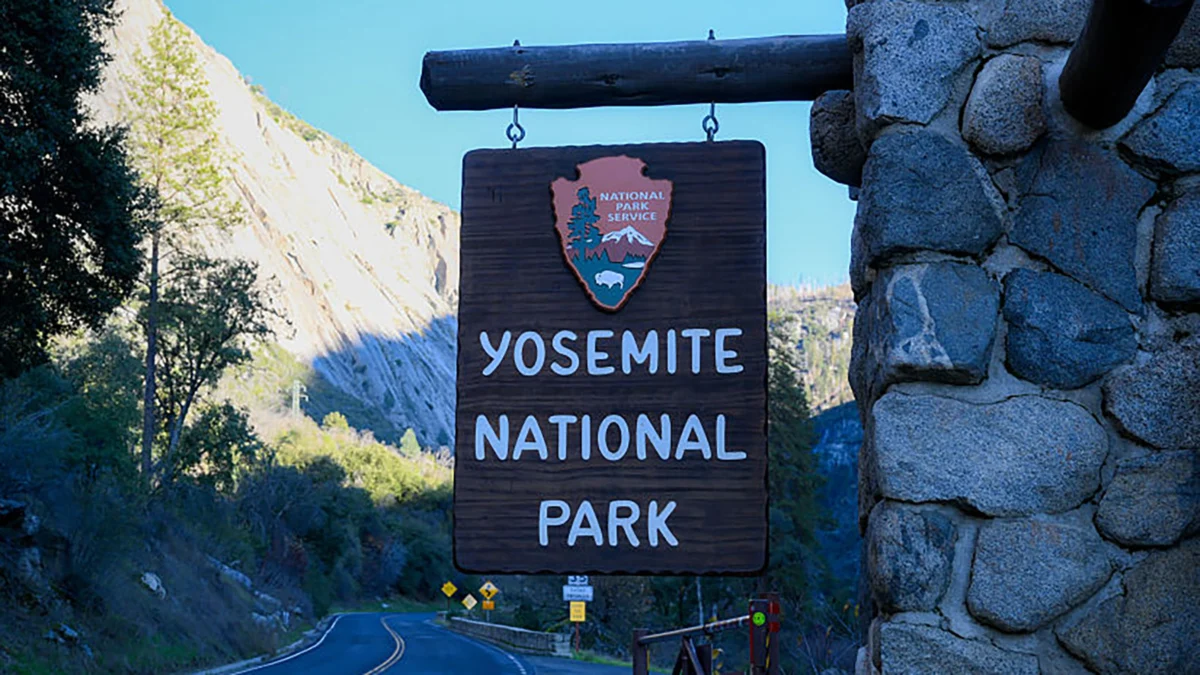
The Trump Administration officially withdrew the nomination of Scott Socha to serve as the Director of the National Park Service (NPS) on Monday, April 27, 2026. The sudden reversal, communicated via a formal list of withdrawals sent to the United States Senate, leaves the nation’s premier conservation agency without a permanent, Senate-confirmed leader at a time when the system faces record-breaking visitation and a multi-billion-dollar maintenance backlog. While the White House news release did not provide a specific justification for the decision, the move follows months of intense scrutiny from conservation groups, lawmakers, and former NPS officials who questioned Socha’s suitability for a role traditionally held by career public land managers.
Scott Socha, a veteran executive at Delaware North—a global hospitality and food service company—was first tapped for the position in February 2026. His professional background stands in stark contrast to his predecessors, marking a significant departure from the historical norms of the agency. The withdrawal of his nomination highlights the ongoing tension between the administration’s focus on private-sector efficiency and the long-standing mandate of the NPS to preserve ecological integrity and cultural heritage.
The Profile of a Controversial Nominee
Scott Socha’s career has been defined by his leadership roles within Delaware North, one of the largest concessionaires operating within the National Park System. As an executive, Socha oversaw large-scale hospitality operations, including lodging, food services, and retail at iconic locations such as Yosemite National Park, Yellowstone, and the Grand Canyon. While his supporters argued that his business acumen was exactly what the agency needed to address its fiscal inefficiencies, his critics viewed his background as a fundamental conflict of interest.
Unlike previous directors, Socha lacked direct experience in resource management, wildlife conservation, or the complex federal regulations that govern public lands. The National Park Service oversees more than 400 individual units, ranging from massive wilderness preserves like Denali to historical sites and urban recreation areas. The role of the director requires balancing the "dual mandate" established by the Organic Act of 1916: to conserve the scenery and wildlife while providing for the enjoyment of the public in a manner that leaves them unimpaired for future generations.
Critics argued that Socha’s career at Delaware North predisposed him to prioritize the "enjoyment" and commercialization aspects of the mandate over the "unimpaired" preservation of the land. Furthermore, Delaware North has a complicated history with the NPS. The company was famously involved in a high-profile legal dispute over the trademarks of iconic Yosemite names, such as the Ahwahnee Hotel and Curry Village, which resulted in a multi-million-dollar settlement in 2019. For many conservationists, appointing a former executive from a company that had sued the government over park assets was a step too far.
Chronology of the Nomination and Withdrawal
The path to Monday’s withdrawal was marked by rapid developments and escalating political pressure. The timeline of the Socha nomination reflects the broader challenges the administration has faced in filling key environmental and interior positions.
- February 2026: The Trump Administration formally announces Scott Socha as the nominee for NPS Director. The announcement is met with immediate praise from industry trade groups but swift condemnation from environmental NGOs.
- March 2026: Senate confirmation hearings are delayed as lawmakers request more information regarding Socha’s divestiture plans and potential conflicts of interest related to Delaware North’s ongoing contracts with the federal government.
- Early April 2026: Reports surface regarding a "buyout" program initiated by Interior Secretary Doug Burgum, aimed at reducing the federal workforce within the Department of the Interior. Internal morale within the NPS is reported to be at a historic low.
- April 15, 2026: A coalition of over 50 conservation organizations signs a joint letter urging the Senate Energy and Natural Resources Committee to reject the nomination, citing Socha’s lack of "dirt-under-the-fingernails" experience in park operations.
- April 27, 2026: The White House includes Socha’s name in a list of withdrawn nominations sent to the Senate, effectively ending his bid to lead the agency.
Supporting Data: The Scale of the National Park Service
To understand the weight of the directorship, one must consider the scale of the agency Scott Socha was intended to lead. The National Park Service is not merely a collection of scenic vistas; it is a massive economic engine and a complex bureaucratic entity.
According to the most recent NPS economic impact reports, the system receives over 325 million visits annually. These visitors spend an estimated $25 billion in local gateway communities, supporting more than 350,000 jobs and contributing nearly $50 billion to the national economy. Managing this influx of people requires a deep understanding of infrastructure, law enforcement, and environmental science.
Furthermore, the NPS is currently grappling with a deferred maintenance backlog estimated at $23.3 billion. This includes crumbling roads, failing water systems, and deteriorating historic structures. While the Great American Outdoors Act of 2020 provided significant funding to address these issues, the agency still requires a leader capable of navigating the federal appropriations process and prioritizing projects across 85 million acres of land. The lack of a confirmed director complicates the long-term planning necessary to execute these multi-year infrastructure projects.
Official Responses and Stakeholder Reactions
The withdrawal of Socha’s nomination was met with a mix of relief and renewed calls for a qualified, career-oriented leader. Theresa Pierno, President and CEO of the National Parks Conservation Association (NPCA), had previously expressed cautious expectations for the nominee. Following the announcement, the sentiment from the conservation community turned toward the future of the agency.
"The National Park Service needs a leader who understands that our parks are not profit centers, but sacred spaces that belong to the American people," said one representative from a leading environmental advocacy group. "The withdrawal of a nominee who spent his career in the concessions industry is a victory for those who believe in the public integrity of our lands."
Aaron Weiss, the Deputy Director for the Center for Western Priorities, was more blunt in his assessment. In a statement issued shortly after the news broke, Weiss characterized Socha as "deeply unqualified" and argued that his career was spent attempting to "privatize" the park experience. Weiss also alluded to the broader administrative climate, suggesting that the search for a qualified leader is hindered by the administration’s internal policies, specifically mentioning Secretary Doug Burgum’s buyout offers which have allegedly depleted the ranks of experienced NPS personnel.
On the other side of the aisle, some industry proponents expressed disappointment, arguing that Socha’s private-sector experience could have brought much-needed modernization to the agency’s aging business models. Proponents of privatization often argue that third-party management of park services can reduce the burden on taxpayers and improve the visitor experience through upgraded amenities.
Broader Impact and Implications for Public Land Management
The withdrawal of Scott Socha leaves the National Park Service in a state of leadership flux. Since the departure of the last confirmed director, the agency has been managed by a series of acting officials. This "acting" status often limits a leader’s ability to implement major policy changes, testify effectively before Congress, or make long-term personnel decisions.
The failure of the Socha nomination also signals a potential shift in the administration’s strategy for the Department of the Interior. With Secretary Doug Burgum overseeing a push for departmental efficiency and workforce reductions, the next nominee will likely face even more intense scrutiny regarding their commitment to the agency’s core mission versus the administration’s fiscal goals.
There are also significant implications for the "revolving door" between the Department of the Interior and the industries it regulates or partners with. The Socha nomination was a flashpoint in the debate over whether executives from concessionaires, oil and gas companies, or timber firms should hold high-ranking positions in the agencies that oversee those very sectors. The withdrawal may embolden opposition to future nominees with similar corporate backgrounds.
The Path Forward for the NPS
As the White House looks for a replacement, the focus will likely return to individuals with deep roots in the agency or state-level land management. Names being circulated in policy circles include veteran regional directors and former state park heads who possess the technical expertise that Socha was perceived to lack.
The next director will inherit an agency at a crossroads. Climate change is physically altering landscapes, from melting glaciers in Montana to rising sea levels threatening coastal forts in the East. Record crowds are straining resources and necessitating new reservation systems that have proved controversial among some visitors. Meanwhile, the internal culture of the NPS is under pressure from budget constraints and the aforementioned buyout programs.
The National Park Service remains one of the most beloved institutions in the United States, often referred to as "America’s Best Idea." The search for its next leader is not merely a matter of administrative filling; it is a reflection of the nation’s priorities regarding its natural and historical heritage. For now, the directorship remains on hold, and the "thin green line" of park rangers and staff continues to manage the nation’s treasures under temporary leadership, awaiting a permanent hand at the helm.



 Chandra Hamzah
 Tatiana Tantri Indah Sari
 Budi Mulyono
