
 Gabriela Annisa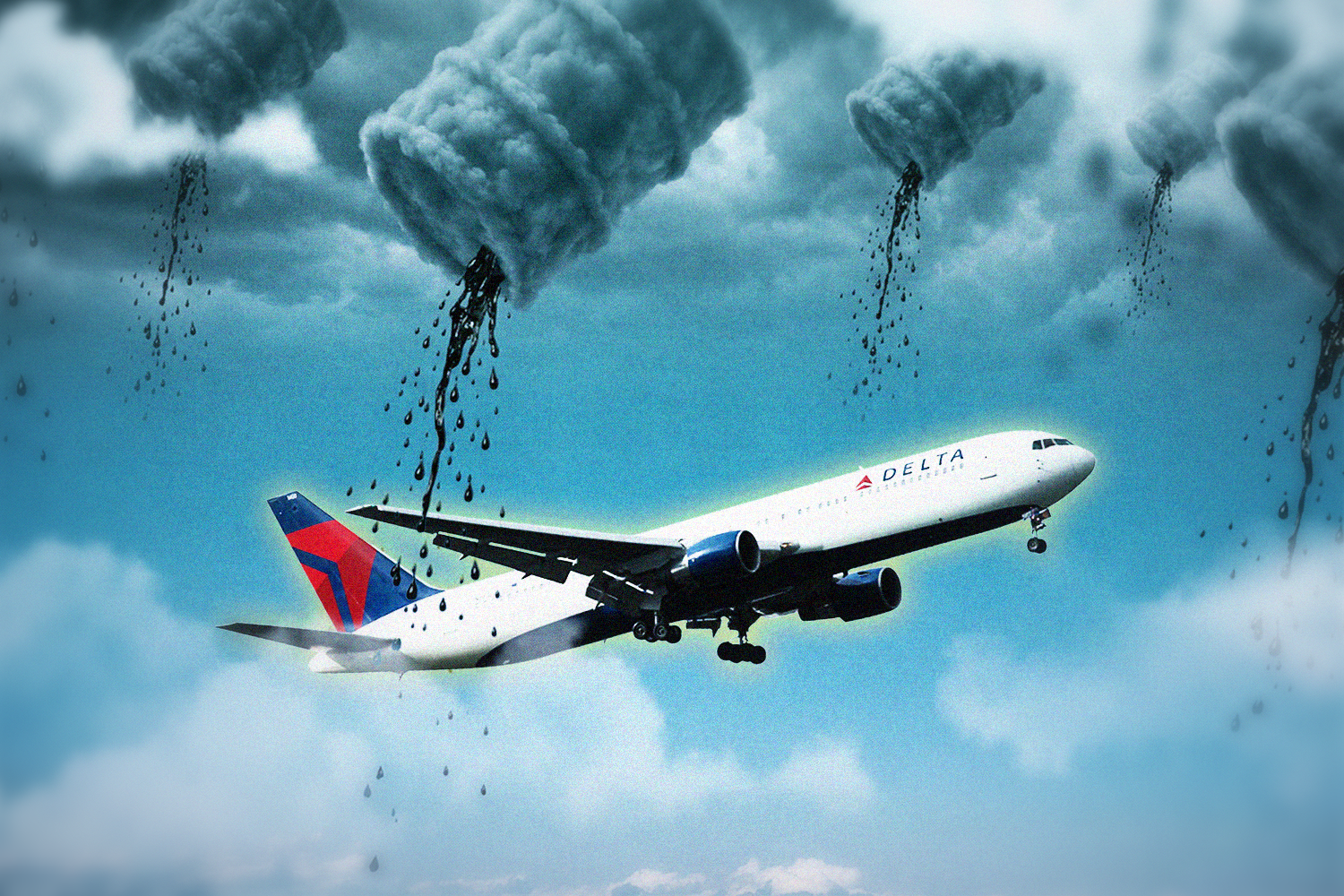
Delta Air Lines finds itself at a critical juncture, facing a potential $2 billion financial impact from soaring fuel costs, a challenge that represents a significant shift from the revenue uncertainties that dominated its operational landscape just a year prior. This formidable economic headwind threatens to test the airline’s renowned resilience and strategic agility, raising questions about its capacity to absorb such a substantial blow without significant repercussions for its bottom line, pricing strategy, and the broader aviation market. The narrative for Delta has rapidly evolved from a period focused on rebuilding passenger demand and revenue streams in the wake of the global pandemic to one dominated by the volatile and unpredictable nature of global energy markets.
The airline industry, inherently susceptible to external shocks, has historically grappled with the capricious swings of crude oil prices. For Delta, a carrier that prides itself on operational excellence and a premium customer experience, the current fuel crisis is not merely an operational inconvenience but a profound strategic challenge. Last year, the primary concern revolved around the pace of recovery in passenger traffic, particularly for high-yield business and international travel, and the corresponding impact on revenue generation. Delta, like its peers, meticulously managed capacity, adapted its network, and leveraged its strong domestic presence to navigate the unprecedented downturn. However, as the world gradually reopened and demand surged, a new, more insidious threat emerged: the escalating cost of jet fuel, driven by a complex interplay of geopolitical tensions, supply chain disruptions, and a resurgent global economy.
The Shifting Sands of Uncertainty: From Revenue to Fuel
The year 2021 saw airlines, including Delta, making significant strides in their recovery efforts. Vaccinations gained traction, travel restrictions eased, and a pent-up demand for leisure travel fueled a robust domestic rebound. Delta, with its strong brand loyalty and strategic hubs, was well-positioned to capitalize on this resurgence. Its financial reports throughout that year consistently highlighted improving revenue trends, albeit still below pre-pandemic levels, and a cautious optimism about the future trajectory of the industry. The focus was squarely on restoring profitability through increased load factors and disciplined capacity additions.
However, as 2022 commenced, the economic landscape began to transform dramatically. Global inflation, already a nascent concern, accelerated, driven by supply chain bottlenecks and expansionary fiscal policies. Crucially, the price of crude oil, the primary determinant of jet fuel costs, embarked on an upward trajectory. This was exacerbated significantly by geopolitical events, most notably the conflict in Ukraine, which sent shockwaves through energy markets, pushing Brent crude prices to multi-year highs. For an airline, which often sees fuel as its single largest or second-largest operating expense after labor, such a rapid and sustained increase represents an existential threat to profitability.
Delta’s transition from revenue uncertainty to fuel cost uncertainty underscores a fundamental shift in the challenges facing the airline industry. While revenue generation is always paramount, the ability to control or mitigate costs, especially those as volatile as fuel, becomes critical in high-inflationary environments. The company’s prior focus on stimulating demand and optimizing its network to capture recovering passenger flows now gives way to an intense scrutiny of every gallon of fuel consumed and every potential avenue for cost recovery.
A $2 Billion Gauntlet: The Immediate Challenge
The figure of a "potential $2 billion fuel hit" is not merely an abstract number; it represents a substantial erosion of potential profits, a direct challenge to Delta’s financial targets, and a significant pressure point on its balance sheet. To put this into perspective, for a company that reported a net income of $2.8 billion in 2019 (pre-pandemic), a $2 billion increase in fuel costs could wipe out a significant portion, if not all, of its anticipated earnings in a recovery year. Even in a scenario where the airline passes on some of these costs to consumers through higher fares, the margin erosion would still be considerable.
This financial burden necessitates a multi-pronged approach from Delta’s leadership. It forces difficult decisions regarding pricing strategy, capacity deployment, operational efficiencies, and capital expenditures. Every aspect of the business, from flight planning to customer service, comes under intense scrutiny as the airline seeks to absorb or offset this massive cost increase. The pressure is compounded by the fact that the industry is still in a recovery phase, with many airlines carrying increased debt loads from the pandemic and facing ongoing labor challenges.
Historical Context: The Airline Industry’s Fuel Rollercoaster
The airline industry’s relationship with fuel prices has always been a turbulent one. Throughout its history, periods of sustained profitability have often been punctuated by sharp spikes in oil prices, leading to financial distress, bankruptcies, and industry consolidation. The 1970s oil crises, the post-9/11 period, and the 2008 financial crisis all demonstrated the profound vulnerability of air carriers to energy market volatility. Airlines have tried various strategies to mitigate this risk, from sophisticated fuel hedging programs to investing heavily in more fuel-efficient aircraft.
Delta, specifically, has had a notable history regarding fuel strategy. For many years, it owned and operated a refinery, Monroe Energy, a unique move among major U.S. carriers, aimed at securing a more stable supply of jet fuel and potentially reducing costs. While this venture has had mixed results over time, it underscores Delta’s long-standing commitment to finding innovative solutions to the fuel challenge. More recently, Delta has often adopted a strategy of being largely unhedged against fuel price increases, believing that the cost of hedging premiums often outweighs the benefits over the long term, and preferring to manage fuel volatility through operational efficiency and pricing power. This strategy works well in stable or declining fuel markets but exposes the airline to significant risk during sharp price increases, as is currently the case.
The Anatomy of a Fuel Price Surge: Geopolitical and Economic Drivers
The current surge in jet fuel prices is a confluence of several powerful global forces:
- Post-Pandemic Demand Rebound: As global economies reopened, industrial activity and consumer travel surged, leading to increased demand for oil and refined products like jet fuel, gasoline, and diesel. Supply, however, struggled to keep pace.
- OPEC+ Production Policies: The Organization of the Petroleum Exporting Countries and its allies (OPEC+) have exercised discipline in their production increases, often maintaining a cautious approach despite rising demand, aiming to stabilize prices at higher levels beneficial to producers.
- Geopolitical Events: The most significant recent driver has been the conflict in Ukraine, which led to sanctions against Russia, a major global energy producer. This created immense uncertainty around global oil supply, prompting a speculative frenzy and driving prices skyward. Tensions in other oil-producing regions can also contribute to volatility.
- Refining Capacity Constraints: The global refining capacity has not fully recovered from pandemic-era shutdowns and rationalizations. This bottleneck means that even if crude oil supply is adequate, the ability to process it into usable fuels like jet fuel can be limited, further pushing up prices for refined products.
- Global Economic Inflation: Broader inflationary pressures across various sectors contribute to the overall increase in the cost of doing business, including the cost of acquiring and transporting fuel.
These factors combine to create a perfect storm for airlines, transforming jet fuel from a predictable operational expense into a highly volatile and potentially crippling financial burden.
Delta’s Strategic Toolkit: Navigating Headwinds
Delta Air Lines has historically distinguished itself through its robust operational performance and strategic foresight. To counter the current fuel crisis, the airline is expected to deploy a multifaceted strategy:
- Fleet Modernization: A cornerstone of Delta’s long-term strategy has been the continuous investment in a younger, more fuel-efficient fleet. Aircraft like the Airbus A220, A321neo, and newer Boeing 737 variants offer significant improvements in fuel burn per seat compared to older generation planes. Accelerating the retirement of less efficient aircraft and taking delivery of new ones will be critical in reducing overall fuel consumption. While capital-intensive, this strategy yields long-term environmental and economic benefits.
- Capacity Management: Delta will likely exercise strict discipline in its capacity deployment. This involves carefully adjusting flight schedules, reducing frequencies on less profitable routes, and optimizing aircraft utilization to maximize load factors and minimize wasted fuel. Strategic route planning to avoid longer, less efficient flight paths can also contribute to savings.
- Premium Strategy: Delta’s strong focus on premium cabin offerings (Delta One, First Class, Delta Comfort+) and its robust loyalty program (SkyMiles) provide a crucial buffer. Higher-yield passengers are generally less price-sensitive, allowing Delta more flexibility to pass on a portion of increased costs through fare adjustments without significantly impacting demand in these lucrative segments. This differentiated product offering helps maintain revenue integrity even in challenging cost environments.
- Operational Efficiencies: Beyond fleet and capacity, Delta continuously implements micro-level operational efficiencies. These include optimizing flight speeds, using single-engine taxiing where safe, reducing aircraft weight (e.g., through lighter cabin materials, digital flight bags), and leveraging advanced analytics for more precise fuel loading and flight planning. Every gallon saved translates directly into cost mitigation.
- Pricing Strategy: Ultimately, a portion of the increased fuel costs will inevitably be passed on to consumers through higher ticket prices. Delta will carefully manage this, balancing the need to recover costs with the imperative to maintain competitive fares and stimulate demand. Dynamic pricing models will be crucial in optimizing revenue across different routes and cabin classes.
Statements and Projections: What Delta Leadership Might Say
In the face of such a significant challenge, Delta’s leadership, including CEO Ed Bastian and its Chief Financial Officer, would likely articulate a message of strategic resilience and disciplined execution. Their statements, inferred from past communications during challenging periods, would emphasize:
- Commitment to Profitability: Reaffirming Delta’s unwavering focus on returning to sustainable profitability, leveraging its strong operational foundation and brand loyalty.
- Strategic Flexibility: Highlighting the company’s ability to adapt swiftly to changing market conditions, whether through capacity adjustments, network optimization, or pricing strategies.
- Customer Value Proposition: Stressing Delta’s commitment to providing a premium travel experience, even as the industry navigates economic headwinds, thereby reinforcing customer loyalty.
- Long-Term Vision: Reiterating investments in fleet modernization and operational efficiency as long-term solutions to fuel volatility and environmental sustainability.
- Transparency (within limits): Providing investors and stakeholders with a clear understanding of the financial impact and the strategies being employed to mitigate it, while avoiding overly pessimistic or optimistic forecasts.
One could anticipate statements like, "While fuel costs present a formidable challenge, Delta has a proven track record of navigating economic complexities. Our strategic investments in fleet efficiency, our premium product strategy, and our unparalleled operational excellence position us to manage these pressures effectively. We remain committed to our path to sustained profitability and delivering exceptional value to our customers and shareholders."
Industry-Wide Repercussions and Competitive Landscape
Delta’s struggle with fuel costs is not an isolated incident; it mirrors the broader challenge facing the entire airline industry. Major U.S. competitors like American Airlines, United Airlines, and Southwest Airlines are grappling with similar pressures, albeit with varying degrees of exposure due to their unique hedging strategies, fleet compositions, and network structures.
The collective impact across the industry is likely to manifest in:
- Higher Airfares: Passengers can expect to see increased ticket prices across the board as airlines attempt to recover a significant portion of their elevated fuel expenses. This could potentially temper the strong post-pandemic travel demand, particularly for leisure segments sensitive to price increases.
- Capacity Adjustments: Airlines may be more cautious about adding capacity, focusing instead on optimizing existing routes and aircraft utilization to ensure profitability.
- Shift in Fleet Strategy: The economic imperative to reduce fuel burn will likely accelerate the retirement of older, less efficient aircraft and prioritize deliveries of new, advanced models.
- Impact on Low-Cost Carriers: Ultra-low-cost carriers (ULCCs), which rely heavily on low fares to attract passengers, may face a more difficult challenge in absorbing these costs without eroding their core value proposition.
Delta’s relatively strong balance sheet, diversified revenue streams, and established premium customer base may provide it with a competitive advantage in navigating this environment compared to some rivals. Its ability to pass on costs to a less price-sensitive segment of travelers is a crucial differentiator.
Analyst Perspectives: The View from Wall Street
Financial analysts and investors will be closely monitoring Delta’s ability to manage this fuel challenge. Their perspectives will likely focus on several key metrics:
- Unit Costs (CASM ex-fuel): Analysts will scrutinize Delta’s cost per available seat mile, excluding fuel, to assess its underlying operational efficiency.
- Revenue Per Available Seat Mile (RASM): The airline’s ability to generate sufficient revenue to offset rising costs will be paramount.
- Operating Margins: Any significant erosion of operating margins due to fuel will be a major concern.
- Cash Flow and Debt Levels: Maintaining healthy cash flow and managing debt levels will be critical, especially if profitability is squeezed.
Analyst reports might suggest that while Delta is better positioned than some, the magnitude of the fuel hit could still lead to downward revisions in earnings forecasts. The market will be watching for evidence that Delta can effectively pass on costs without dampening demand, a delicate balancing act. Investor confidence will hinge on transparent communication and demonstrable progress in mitigating the financial impact.
The Passenger Experience: What Travelers Can Expect
For the average traveler, the direct consequence of Delta’s, and indeed the industry’s, fuel challenges will likely be felt in their wallets. Airfares, which had seen some moderation during the pandemic, are set to rise. This could impact travel budgets, potentially leading some to opt for shorter trips, different destinations, or fewer flights.
While service levels from a premium carrier like Delta are unlikely to be compromised significantly, there might be subtle shifts. For example, the airline might continue to optimize flight schedules for efficiency, potentially leading to fewer direct routes on certain city pairs or adjustments to flight timings. However, Delta’s brand promise of reliability and customer service is a core asset that it will strive to protect.
Looking Ahead: The Long-Term Trajectory and Sustainable Aviation
Beyond the immediate crisis, the current fuel price volatility underscores the long-term imperative for the aviation industry to reduce its reliance on fossil fuels. Sustainable Aviation Fuels (SAFs) offer a promising pathway, being chemically similar to conventional jet fuel but produced from renewable feedstocks. Delta has been an industry leader in advocating for and investing in SAFs, setting ambitious goals for their integration into its operations.
While SAF production is currently limited and expensive, the current fuel crisis could serve as a powerful catalyst for accelerating investment and development in this sector. For airlines like Delta, a greater reliance on SAFs in the future could not only contribute to environmental goals but also provide a degree of insulation from the geopolitical and market-driven volatility of conventional jet fuel prices. This long-term strategic pivot towards sustainability becomes even more critical when facing immediate, substantial fuel cost pressures.
In conclusion, Delta Air Lines faces a formidable test of its strategic acumen and financial resilience. The shift from managing revenue uncertainty to confronting a potential $2 billion fuel hit marks a new and challenging chapter in its post-pandemic recovery. While the airline has a storied history of navigating crises through operational excellence, strategic investments, and a strong brand, the current fuel landscape presents a unique and severe challenge. Its ability to absorb, mitigate, and ultimately overcome this hurdle will not only determine its short-term profitability but also shape its trajectory in the evolving and increasingly complex global aviation market.




 Anjar Salim
 Chandra Hamzah
 Tatiana Tantri Indah Sari
 Budi Mulyono

