
 Chandra Hamzah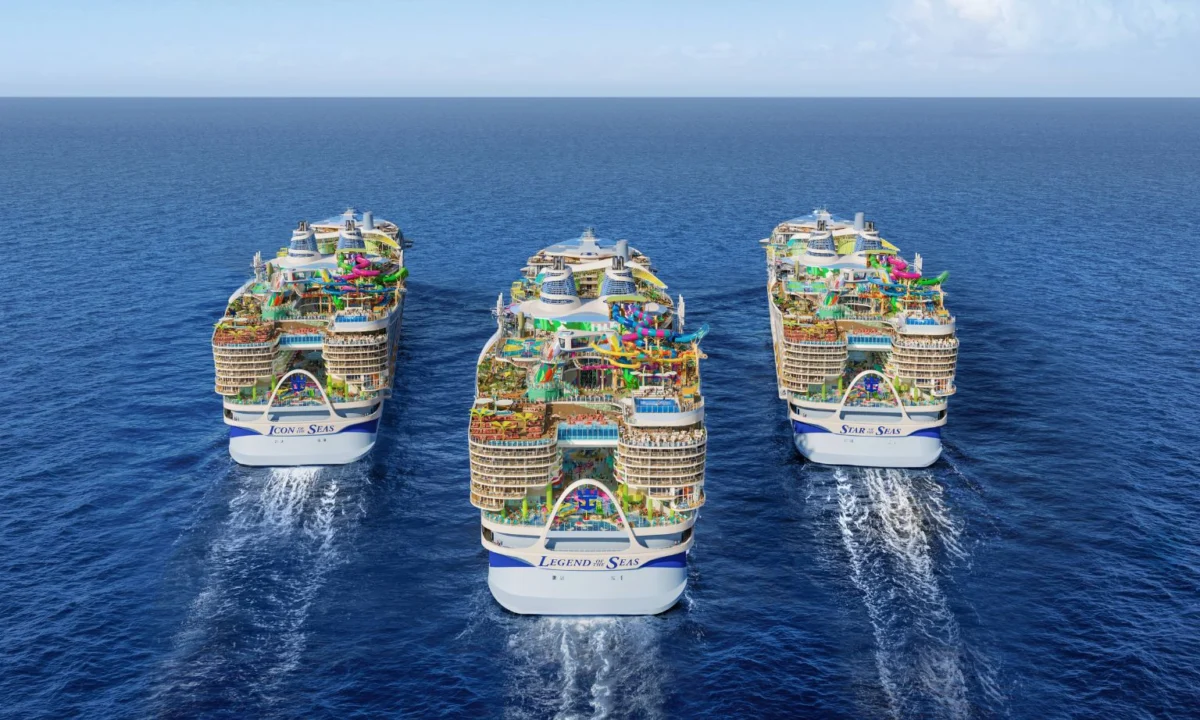
Royal Caribbean International has announced a significant expansion of its groundbreaking Icon Class, with plans for two additional megaships to join its fleet. These yet-to-be-named vessels, scheduled for delivery in 2029 and 2030, underscore the cruise line’s aggressive strategy to dominate the ultra-large cruise ship market and solidify its claim to operating the world’s largest vessels. This expansion directly challenges emerging projects from rival cruise lines Carnival and MSC Cruises, signaling an escalating arms race in shipbuilding aimed at attracting a growing segment of the global travel market seeking immersive, resort-style vacation experiences at sea.
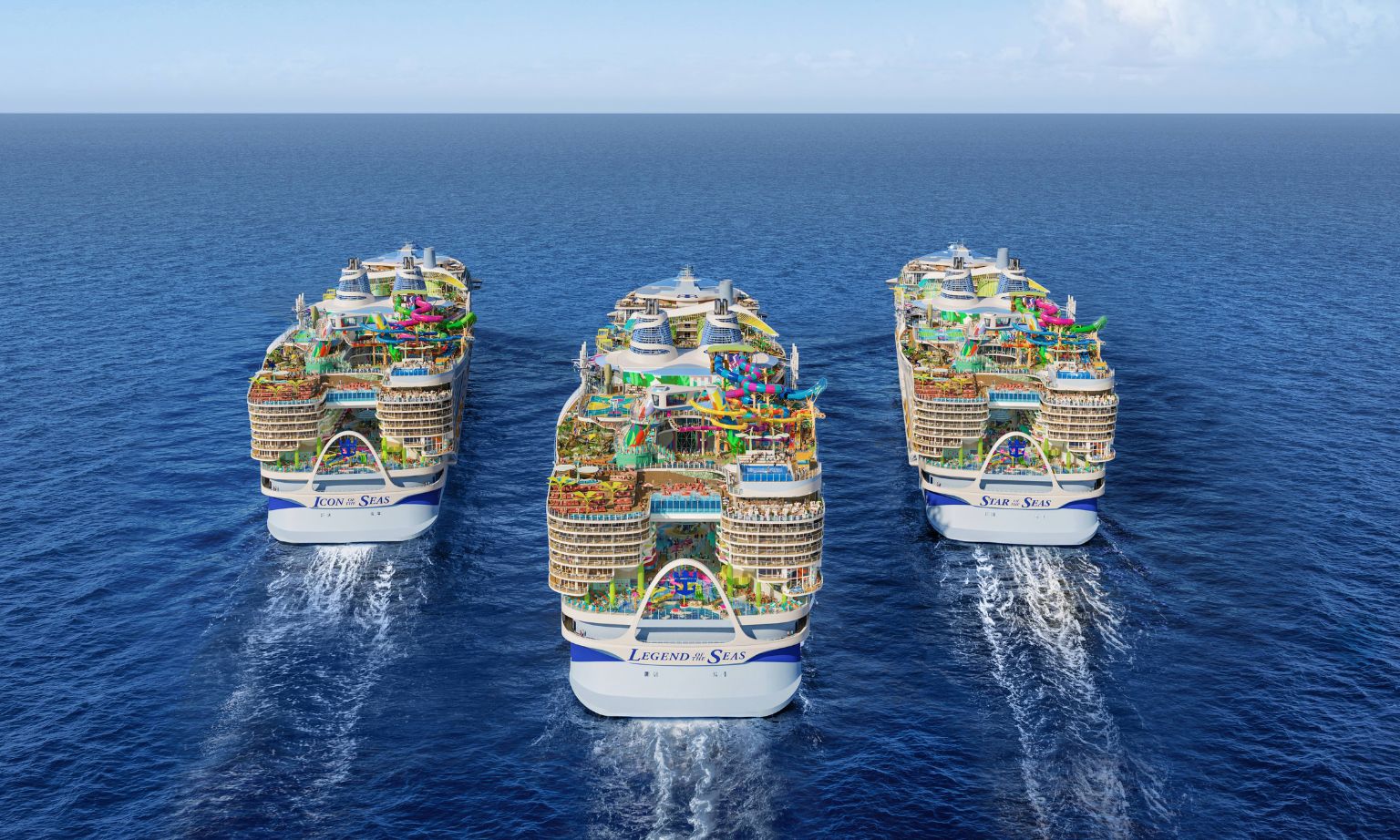
The addition of these two new Icon Class ships will bring Royal Caribbean’s total to seven vessels in this pioneering class by the end of the decade. Each Icon Class ship is designed to accommodate approximately 7,600 passengers, alongside a crew of around 2,350, pushing the boundaries of passenger capacity. With seven such ships in operation by 2030, Royal Caribbean could potentially carry over 53,000 passengers across its Icon Class fleet simultaneously. This sheer scale represents a substantial increase in the company’s capacity and its ability to serve a massive global customer base.
The Icon Class represents a paradigm shift in cruise ship design, moving beyond traditional cruise experiences to offer what Royal Caribbean terms "the ultimate vacation." The first ship in the class, Icon of the Seas, debuted in January 2024 and immediately claimed the title of the world’s largest cruise ship, measuring an impressive 250,800 gross tons. Star of the Seas is set to follow in 2025, continuing the legacy of size and innovation. The pipeline further includes Legend of the Seas, slated for delivery in the coming months, and Hero of the Seas in 2027. The recent announcement of the sixth and seventh vessels in 2029 and 2030 indicates a long-term commitment to this class and its potential for further evolution. While the fundamental architecture and dimensions of these megaships are expected to remain consistent, Royal Caribbean has indicated that each subsequent vessel will incorporate advancements in technology, guest amenities, and operational efficiencies, building upon the successes of its predecessors.
The Escalating Race for Maritime Supremacy
The cruise industry has long been characterized by competition, but the current focus on ship size represents a particularly intense phase of this rivalry. By 2028, when Royal Caribbean’s fifth Icon Class ship is expected to be sailing, the company will likely possess the five largest cruise ships globally. However, the landscape is poised for significant shifts from 2029 onwards, as competitors gear up to launch their own colossal vessels.
Carnival Cruise Line is reportedly developing a new class of ships, internally codenamed "Project Ace." These vessels are anticipated to boast an even higher passenger capacity, potentially reaching close to 8,000 passengers per ship, which would exceed the maximum capacity of Royal Caribbean’s Icon Class. While specific details are still emerging, early projections suggest these Carnival ships will have a gross tonnage of approximately 230,000, slightly less than the Icon Class’s 250,000 gross tons. This presents an interesting dichotomy: Carnival’s ships may carry more passengers, while Royal Caribbean’s retain a lead in overall size by tonnage. Carnival aims to introduce these vessels in 2029, 2031, and 2033, creating a sustained challenge to Royal Caribbean’s dominance.
Adding another layer of complexity to this competitive arena is MSC Cruises. The European cruise giant is planning its own series of groundbreaking newbuilds, the Constellation Class. These ships are projected to achieve an even greater gross tonnage, estimated at 265,000 tons, which would surpass both the Icon Class and Carnival’s Project Ace ships in sheer volume. The timing of MSC’s Constellation Class launches is not yet fully detailed, but their potential to outweigh Royal Caribbean’s Icon Class vessels places them as a significant contender for the title of the world’s largest cruise ships.
Navigating the Uncertainties of Shipbuilding Projections
It is crucial to acknowledge that shipbuilding projections, especially for such ambitious projects, are subject to change. The specifications regarding passenger capacity and gross tonnage for Carnival’s Project Ace and MSC’s Constellation Class are based on current plans and could be revised during the design and construction phases. Market conditions, technological advancements, and evolving regulatory environments can all influence final ship designs and capabilities.
However, Royal Caribbean’s consistent delivery of large-scale vessels, exemplified by the Icon Class, demonstrates a proven ability to execute complex shipbuilding projects. The company’s current lead in terms of operational megaships provides a tangible advantage in the market. The fact that the two newly announced Icon Class ships are slated to arrive in the same years that Carnival and MSC are expected to roll out their new vessels suggests a strategic response from Royal Caribbean.
The implications of these competing shipbuilding strategies are far-reaching. If Carnival successfully launches its high-capacity ships, it could wrest the "most passengers at sea" title from Royal Caribbean. Similarly, if MSC’s Constellation Class vessels materialize as planned, they would hold the distinction of being the largest cruise ships by gross tonnage. This scenario could force Royal Caribbean to re-evaluate its marketing narrative around operating the "biggest cruise ships at sea." While the company has not officially commented on how it would respond to losing these titles, the decision to order two more Icon Class ships could indicate a proactive strategy. Royal Caribbean might opt to further enhance the size or features of future Icon Class vessels, or potentially expedite the development of an even larger class of ships, to maintain its perceived leadership in maritime scale and innovation.
The Economic and Experiential Impact of Megaships
The investment in these colossal vessels is a testament to the significant economic potential of the cruise industry and the evolving preferences of modern travelers. Megaships like those in the Icon Class are essentially floating resorts, offering a vast array of amenities, entertainment options, and dining experiences that rival those found on land. This approach appeals to a broad demographic, including families, multi-generational groups, and younger travelers seeking diverse and engaging vacation experiences.
The construction of these ships also represents a substantial economic undertaking, involving shipyards, suppliers, and a considerable workforce. The ongoing investment by Royal Caribbean, Carnival, and MSC in their fleets stimulates economic activity within the maritime sector and beyond. Furthermore, the increased passenger capacity of these vessels allows cruise lines to achieve economies of scale, potentially leading to more competitive pricing and a wider appeal to budget-conscious travelers.
The environmental implications of operating such large vessels are also a critical consideration. Cruise lines are increasingly investing in cleaner technologies and more sustainable operational practices to mitigate their environmental footprint. While the sheer scale of these ships presents unique challenges, advancements in fuel efficiency, waste management, and emissions control are integral to their long-term viability and public acceptance. Industry analysts will be closely watching how these lines integrate environmental considerations into their massive new builds, alongside the pursuit of ever-larger dimensions.
The introduction of multiple new megaships from competing lines within a short timeframe will undoubtedly reshape the competitive landscape of the cruise industry. Passengers can anticipate a wider range of choices and potentially innovative new onboard experiences as cruise lines vie for market share. The ongoing "biggest ship" debate, fueled by these ambitious shipbuilding programs, serves as a compelling narrative that captures public imagination and underscores the dynamic evolution of the cruise vacation.



 Anjar Salim
 Tatiana Tantri Indah Sari
 Budi Mulyono
