
 Anjar Salim
The consumption of true crime media has transitioned from a niche interest to a dominant cultural phenomenon in the United States. Recent data from the Pew Research Center indicates that approximately 50 percent of Americans have engaged with the true crime genre in the past year, with 34 percent identifying as regular listeners of true crime podcasts. This surge in interest has prompted major media outlets, including the outdoor-focused publication Outside, to adapt their delivery methods to meet the evolving habits of an audience increasingly favoring audio-centric content. Through the implementation of advanced text-to-speech features, long-form investigative reports on cold cases and wilderness disappearances are now being reformatted to mirror the accessibility of the nation’s most popular podcasts.
The intersection of true crime and the natural world presents a unique set of challenges for investigators and a specific allure for the public. While the vast majority of the millions of annual visitors to U.S. national parks and public lands experience no safety issues, the sheer scale of these environments—often characterized by harsh elements and remote terrain—provides a complex backdrop for criminal activity and unexplained disappearances. Current estimates suggest that between 6,000 and 10,000 murders go unsolved annually across the United States. Within the specific confines of the National Park System, researchers and advocacy groups estimate that up to 1,000 individuals vanish under mysterious circumstances every year, many leaving behind little to no physical evidence.
The Statistical Reality of Public Land Disappearances
The data surrounding missing persons on public lands is often fragmented due to the overlapping jurisdictions of federal, state, and local law enforcement. For decades, the National Park Service (NPS) has faced scrutiny regarding its record-keeping for cold cases. Advocates such as David Paulides, founder of the CanAm Missing Project and author of the "Missing 411" series, have spent years utilizing Freedom of Information Act (FOIA) requests to compile a more comprehensive database of these incidents. Paulides and other researchers suggest that the actual number of individuals who have vanished without a trace from public lands exceeds 1,600.
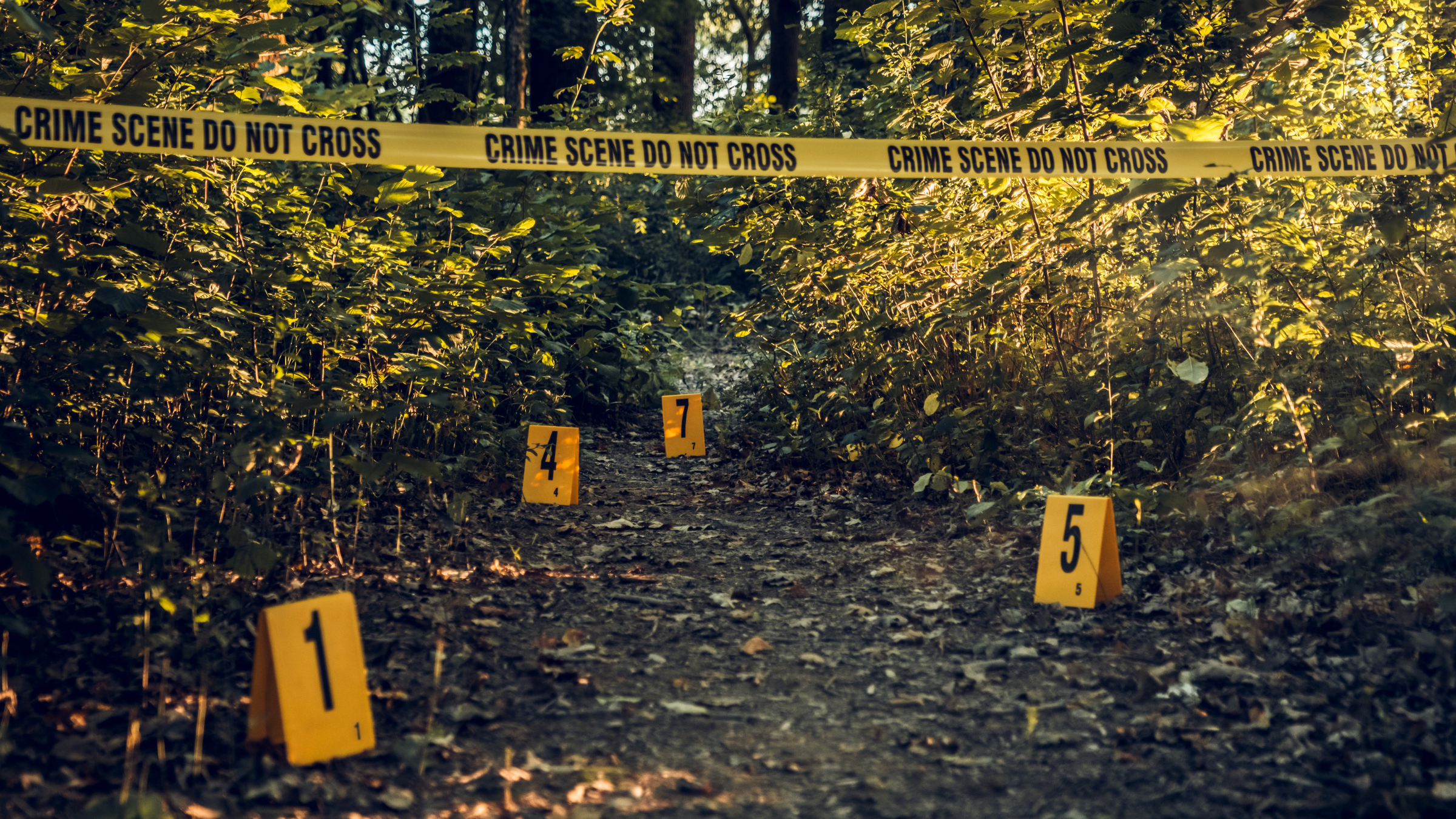
The central tension in these cases often lies between public safety and the preservation of the "wilderness experience." Critics argue that the NPS and other land management agencies may be hesitant to publicize the sheer volume of disappearances for fear of a decline in tourism revenue. Conversely, the NPS maintains that search and rescue (SAR) operations are among their highest priorities, noting that the vast majority of missing persons are found within the first 24 to 48 hours. However, for those who are not found quickly, the chances of survival drop precipitously due to exposure, dehydration, and the predatory nature of the local fauna.
Case Study: The 1999 Yosemite Murders and Park Safety
One of the most significant events in the history of national park crime occurred in 1999 within Yosemite National Park. The case, often referred to as the "Yosemite Horror," involved the disappearances of Carole Sund, her daughter Juli Sund, and their friend Silvina Pelosso, followed months later by the murder of park naturalist Joie Ruth Armstrong.
The chronology of the events began in February 1999, when the first three victims vanished from the Cedar Lodge just outside the park boundaries. A massive multi-agency search ensued, eventually leading to the discovery of the burned remains of Carole Sund and Silvina Pelosso in a car trunk. Juli Sund’s body was located shortly thereafter. The breakthrough in the case did not occur until July, when Joie Armstrong was found decapitated near her residence in the park. The subsequent investigation led to the arrest of Cary Stayner, a handyman at the Cedar Lodge.
Stayner’s confession revealed a deeply disturbed individual with a fixation on violence and bizarre obsessions, including a preoccupation with Bigfoot legends. His ability to operate undetected within the park’s infrastructure for months sent shockwaves through the outdoor community. The case fundamentally changed the public’s perception of safety in national parks, proving that even the most serene environments are not immune to the presence of predatory individuals.
The Disappearance of Joe Keller and the Transparency Debate
The 2015 disappearance of 18-year-old Joe Keller in Colorado’s Rio Grande National Forest serves as a modern archetype for the "Missing 411" phenomenon. Keller, an athlete from Tennessee, vanished during a routine run at a dude ranch. He was last seen wearing only running shorts and trail shoes, having left his phone and wallet behind. Despite his physical fitness and the seemingly manageable terrain of Conejos Canyon, Keller disappeared after taking a different path than his companions.
The search for Keller lasted nearly a year, involving hundreds of volunteers and professional SAR teams. His remains were eventually discovered in July 2016 at the base of a cliff, less than two miles from where he was last seen. The case highlighted the limitations of initial searches in mountainous terrain and fueled the ongoing debate regarding how federal agencies track and report such incidents. Researchers like Paulides point to the Keller case as evidence that the Park Service’s lack of a centralized, publicly accessible database for missing persons hinders the ability of independent investigators to identify patterns in disappearances.
Perils of the Pacific: The Angela Madsen Tragedy
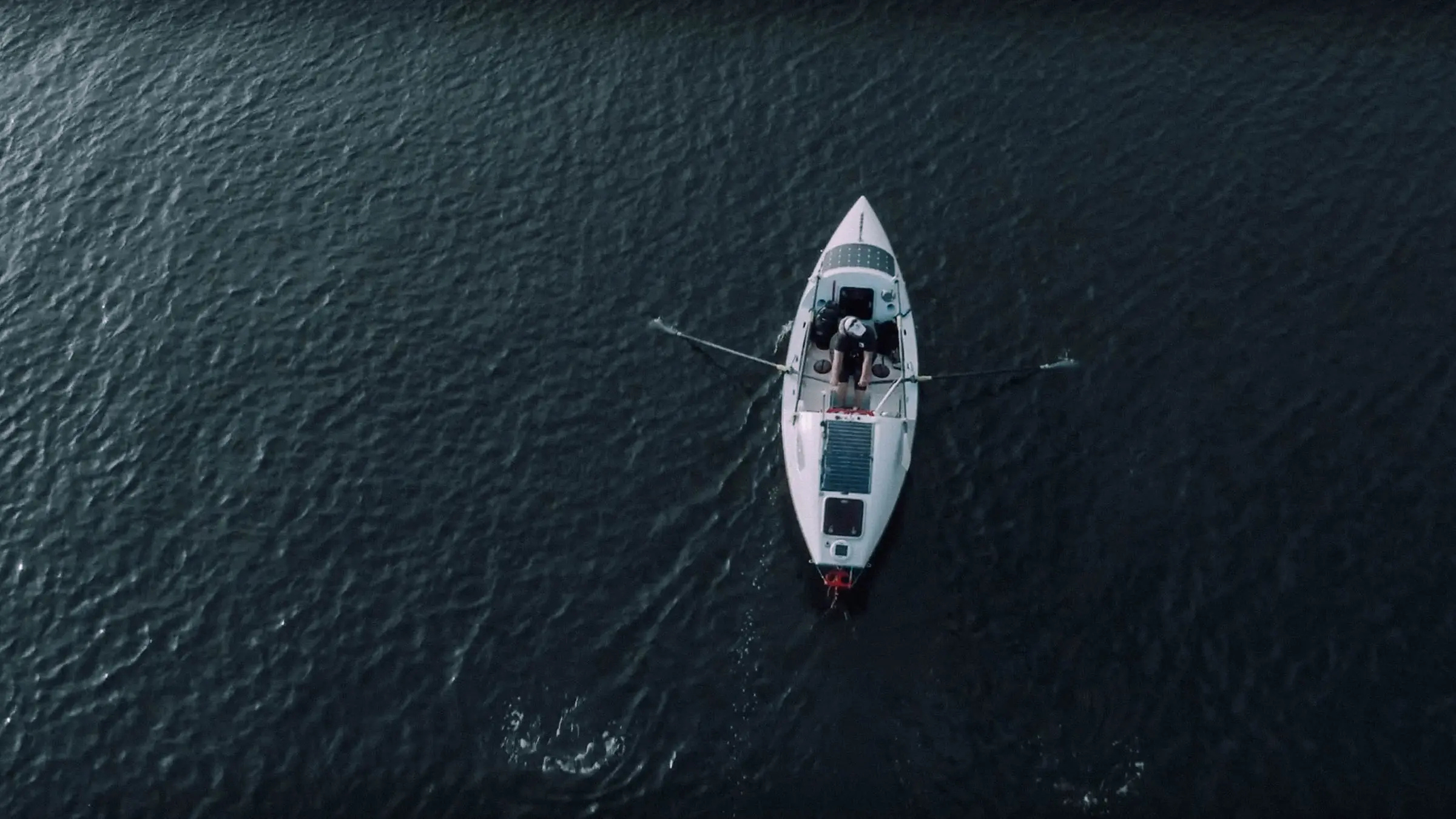
Wilderness mysteries are not limited to terrestrial environments. In June 2020, the maritime community was struck by the death of Angela Madsen, a 59-year-old Paralympic rower and Marine Corps veteran. Madsen was attempting a solo, unassisted row from Los Angeles to Hawaii aboard her 20-foot vessel, the Row of Life.
The timeline of the tragedy was reconstructed through GPS data and satellite communication. On June 21, Madsen’s wife, Deb, noticed that the vessel’s forward momentum had ceased. The GPS indicated that the boat was drifting south with the current, a deviation from Madsen’s intended route. When communication ceased, a search was initiated by the U.S. Coast Guard. Madsen was eventually found deceased in the water, tethered to her boat.
The investigation suggested that Madsen had entered the water to perform maintenance on the hull—a common but dangerous task for solo rowers—and was unable to get back on board. Her death underscored the extreme risks associated with solo exploration in the "harshest elements" and the thin margin for error in the open ocean.
Historical Violence on the Appalachian Trail
The Appalachian Trail (AT), stretching over 2,100 miles from Georgia to Maine, is often viewed as a place of spiritual reflection and physical challenge. However, it has also been the site of several high-profile crimes. In 1990, the double homicide of Geoffrey Hood and Molly LaRue at the Thelma Marks shelter in Pennsylvania shocked the hiking community.
The victims were experienced hikers who were nearing the completion of their journey. They were attacked by Stephen Carr, a mountain drifter who had been stalking hikers in the area. The chronology of the crime revealed that Carr had observed the couple from the woods before moving in after nightfall. The brutality of the murders—and the fact that they occurred at a designated shelter—led to a permanent shift in how AT hikers approach security. Following the 1990 incident, there was a measurable increase in hikers carrying cellular phones (where service permitted) and a greater emphasis on "trail magic" and community-based watch programs.
Geographic Challenges: The Everglades and Alligator Alley
In the southeastern United States, Everglades National Park presents a different set of investigative hurdles. Covering 1.5 million acres of subtropical wetlands, the park is a "jungle-like expanse" that is notoriously difficult to navigate. Since 1965, the region has been linked to more than 175 unsolved murder cases.
Law enforcement officials have long identified a specific section of U.S. 41, known as Alligator Alley, as a dumping ground for criminal organizations and individual murderers. The remote nature of the road, combined with the presence of apex predators like alligators and bull sharks, often results in the rapid destruction of forensic evidence. The Everglades represent a "perfect storm" for cold cases: a vast, inhospitable environment where the natural biological cycle can erase a crime scene within days.
Implications for the Future of Wilderness Safety and Media
The decision by media organizations to digitize and narrate these stories reflects a broader trend in how the public processes information regarding safety and crime. By transforming long-form investigative journalism into an audio format, publications are ensuring that these cold cases remain in the public consciousness, potentially leading to new tips or the discovery of previously overlooked evidence.
From a policy perspective, the continued scrutiny of missing persons data is putting pressure on federal agencies to modernize their tracking systems. In recent years, there have been legislative pushes to mandate better reporting and to integrate national park data with the National Missing and Unidentified Persons System (NamUs).
As true crime continues to grow as a genre, the focus on wilderness-based mysteries serves as a reminder of the inherent risks of the natural world. While the "surge in popularity" of these stories satisfies a psychological curiosity about the macabre, it also performs a vital public service: educating the next generation of outdoor enthusiasts on the importance of preparedness, situational awareness, and the reality that even in the most beautiful landscapes, the potential for tragedy remains ever-present.



 Chandra Hamzah
 Tatiana Tantri Indah Sari
 Budi Mulyono
