
 Anjar Salim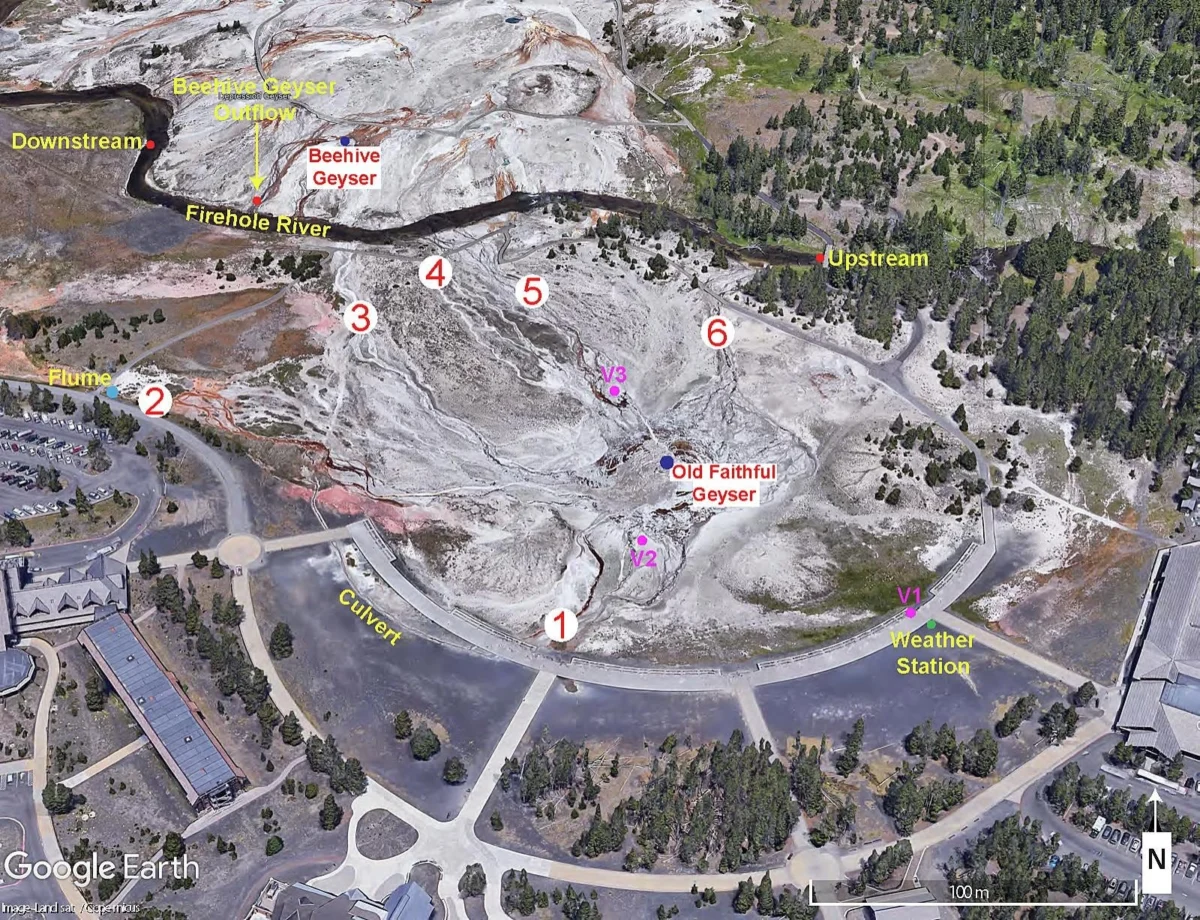
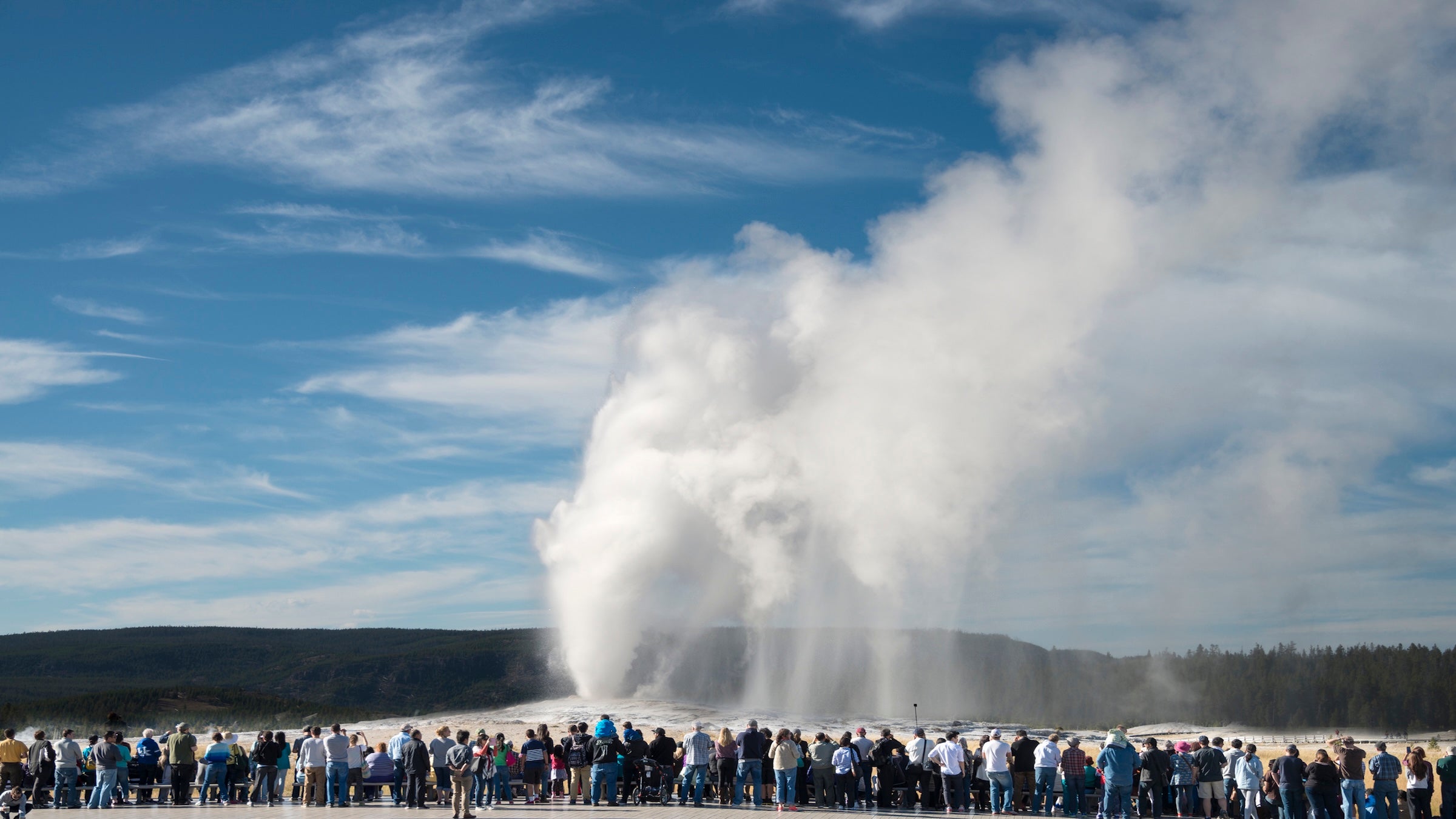
For the first time in the history of modern geothermal science, researchers have successfully quantified the precise volume of water expelled during the eruptions of Old Faithful, the world’s most iconic geyser. In a comprehensive study published in the Journal of Volcanology and Geothermal Research on April 28, 2026, a collaborative team of scientists from the U.S. Geological Survey (USGS), the University of California, and the National Park Service revealed that an average eruption of Old Faithful discharges approximately 7,370 gallons of water. This figure, while varying based on the duration of the eruption, provides a critical baseline for monitoring the health and stability of the Yellowstone caldera’s hydrothermal system.
The study, which concluded its field observation phase in April 2025, sought to answer a question that has persisted since the Washburn-Langford-Doane Expedition first named the geyser in 1870: exactly how much mass is moved during its predictable displays? By employing a sophisticated array of portable flumes and thermal sensors, the research team determined that a single eruption can fill the equivalent of 140 standard household bathtubs or approximately four to five industrial concrete mixer trucks.
The Quantitative Profile of an Eruption
The findings indicate a significant range in eruptive volume, closely tied to the duration of the event. Old Faithful’s eruptions typically last between 1.5 and 5 minutes, and the researchers discovered that the volume of water expelled scales accordingly. During the 45 eruptions monitored in the 2025 field season, the volume ranged from a minimum of 3,223 gallons for shorter bursts to a maximum of 11,703 gallons for sustained eruptions.
To put these figures into a larger perspective, the researchers noted that it would require 90 average eruptions to fill an Olympic-size swimming pool, which holds roughly 660,000 gallons. While Old Faithful is celebrated for its frequency—erupting approximately every 90 to 94 minutes—it is not the most voluminous geyser in the park. However, its consistency makes it the most valuable subject for long-term scientific data collection.
Beyond the water itself, the study quantified the annual discharge of chemical byproducts. The geyser serves as a conduit for deep-seated minerals, releasing approximately 63 tons of chloride and 3.9 tons of fluoride into the surrounding environment each year. Perhaps most notably, the researchers estimated that the geyser discharges 63 gallons of arsenic annually, a finding that highlights the complex geochemical interactions occurring beneath the Earth’s crust.
Methodology: Measuring the Unmeasurable
Quantifying the output of a geyser is a logistical challenge that requires bypassing the extreme heat and unpredictable spray of the eruptive column. The research team utilized a "mass balance" approach, which involved measuring the inflow of water from the nearby Firehole River and the subsequent outflow through the geyser’s natural drainage channels.
A key component of the experiment was the placement of a portable flume—a specially designed open-channel flow measurement device—within one of the primary outflow channels of the Upper Geyser Basin. By measuring the rate of water flow post-eruption and adjusting for the amount of water lost to steam and evaporation, the team could calculate the total volume with unprecedented accuracy.
The integration of heat sensors allowed the team to account for the "enthalpy" of the eruption—the total heat content of the system. Because geysers are driven by the rapid expansion of steam, understanding the ratio of liquid water to vapor is essential for determining the total mass of the event. This dual-pronged approach of physical flow measurement and thermodynamic modeling represents a significant advancement over previous, more speculative estimates.
The Chronology of Geothermal Research at Yellowstone
Yellowstone National Park was established in 1872, largely due to the unique hydrothermal features concentrated in its 3,472 square miles. Old Faithful has been a focal point of study for over 150 years, yet the transition from qualitative observation to precise quantitative measurement has been slow.
- 1870: The Washburn Expedition names Old Faithful for its regularity. Early estimates of its height and duration are recorded in journals.
- 1940s-1960s: Preliminary studies attempt to map the underground "plumbing" using seismic sensors, though water volume remains an estimate.
- 1990s: Advancements in infrared thermography allow scientists to better understand the heat signatures of the Upper Geyser Basin.
- 2018-2020: Studies on the nearby Steamboat Geyser reveal massive water volumes (up to 142,000 gallons per eruption), prompting a renewed interest in quantifying Old Faithful’s output.
- April 2025: The USGS and University of California conduct the definitive flume-based study on 45 consecutive eruptions.
- April 2026: Formal publication of the results provides the scientific community with a definitive eruptive baseline.
Comparative Dynamics: Old Faithful vs. The Giants
While Old Faithful is the "face" of Yellowstone, the study places its output in context with other major features. For example, the Lone Star Geyser, located roughly three miles to the southeast, produces a volume ranging from 4,068 to 7,423 gallons. While its average is comparable to Old Faithful, Lone Star erupts far less frequently, occurring roughly every three hours.
In contrast, the Steamboat Geyser in the Norris Geyser Basin remains the undisputed "heavyweight" of the park. Between 2018 and 2020, Steamboat—the world’s tallest active geyser—was recorded spewing between 35,400 and 142,125 gallons per eruption. However, Steamboat’s eruptions are notoriously unpredictable, sometimes going years between major displays, which limits its utility as a consistent environmental monitor.
The Upper Geyser Basin, where Old Faithful resides, is the densest concentration of geysers on the planet. Within a single square mile, approximately 150 geysers compete for the same hydrothermal resources. The new data suggests that Old Faithful is a remarkably efficient machine, processing a massive amount of water without depleting the local reservoir or disrupting the "plumbing" of its neighbors.
The Mechanics of Rarity: Why Yellowstone?
Natural geysers are among the rarest geological phenomena on Earth, with fewer than 1,000 in existence worldwide. Yellowstone National Park houses approximately half of them. The researchers emphasize that the formation of a geyser requires a "perfect storm" of three specific conditions:
- Heat Source: The Yellowstone "hotspot," a plume of magma rising from the mantle, provides the necessary energy to boil groundwater.
- Water Supply: Abundant precipitation and snowmelt seep into the ground, where they are heated and pressurized.
- Subsurface Architecture: A complex network of "plumbing" made of fracture-filled volcanic rock, often lined with silica (sinter), must be strong enough to withstand the immense pressure of boiling water and steam.
The silica lining is particularly important; it acts as a pressure vessel, allowing the water to become "superheated"—reaching temperatures well above the standard boiling point—before it finally flashes into steam and erupts.
Scientific Implications: A Baseline for Change
The significance of the 2025-2026 study extends far beyond satisfying public curiosity. By establishing a precise baseline of water volume and chemical discharge, scientists can now detect subtle shifts in the Yellowstone ecosystem that were previously invisible.
Climate Variability: As the Western United States faces shifting precipitation patterns, the volume of water available for geyser eruptions may fluctuate. Monitoring Old Faithful’s output allows researchers to track how groundwater recharge rates are affected by long-term drought or heavy snowpack.
Seismic Activity: Yellowstone is a seismically active region. Earthquakes can shift the underground fractures that feed geysers. A sudden change in Old Faithful’s eruptive volume or frequency could serve as an early warning sign of shifting tectonic pressures or changes in the magma chamber below.
Human Impact: Infrastructure development and the sheer volume of tourism—Yellowstone sees millions of visitors annually—put pressure on the park’s delicate features. This data provides the National Park Service (NPS) with the evidence needed to manage foot traffic and protect the integrity of the hydrothermal basins.
Management and Conservation
The research team concluded their report by emphasizing the role of this data in tourism management. "Measuring the volumes of water erupted from Old Faithful is important because it can serve as a baseline to better enable detection of changes resulting from earthquakes, climate variability, and infrastructure development," the researchers stated.
For the National Park Service, this information is vital for the preservation of the "Yellowstone experience." If the geyser’s volume were to drop significantly, it could indicate a blockage in the plumbing or a cooling of the thermal source, necessitating a change in how the site is managed. Furthermore, the chemical data regarding arsenic and chloride levels informs water quality management for the Firehole River, which is a popular spot for fly-fishing and wildlife observation.
As scientists look toward the future, the framework established during this study will be applied to other features within the park. The goal is to create a "hydrothermal map" of the entire caldera, allowing for a holistic understanding of how heat and water move through one of the most volatile and beautiful landscapes on the planet. For now, Old Faithful continues its clockwork performance, its "140 bathtubs" of water serving as both a tourist marvel and a vital pulse-check for the Earth itself.



 Chandra Hamzah
 Tatiana Tantri Indah Sari
 Budi Mulyono

