
 Budi Mulyono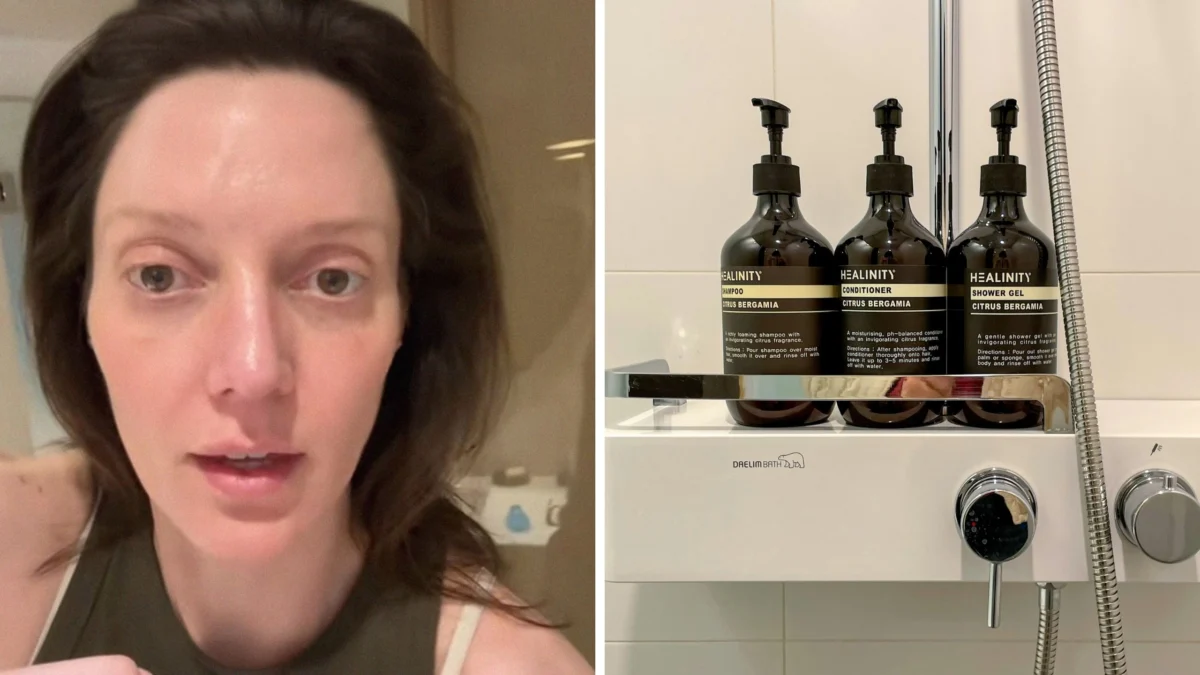
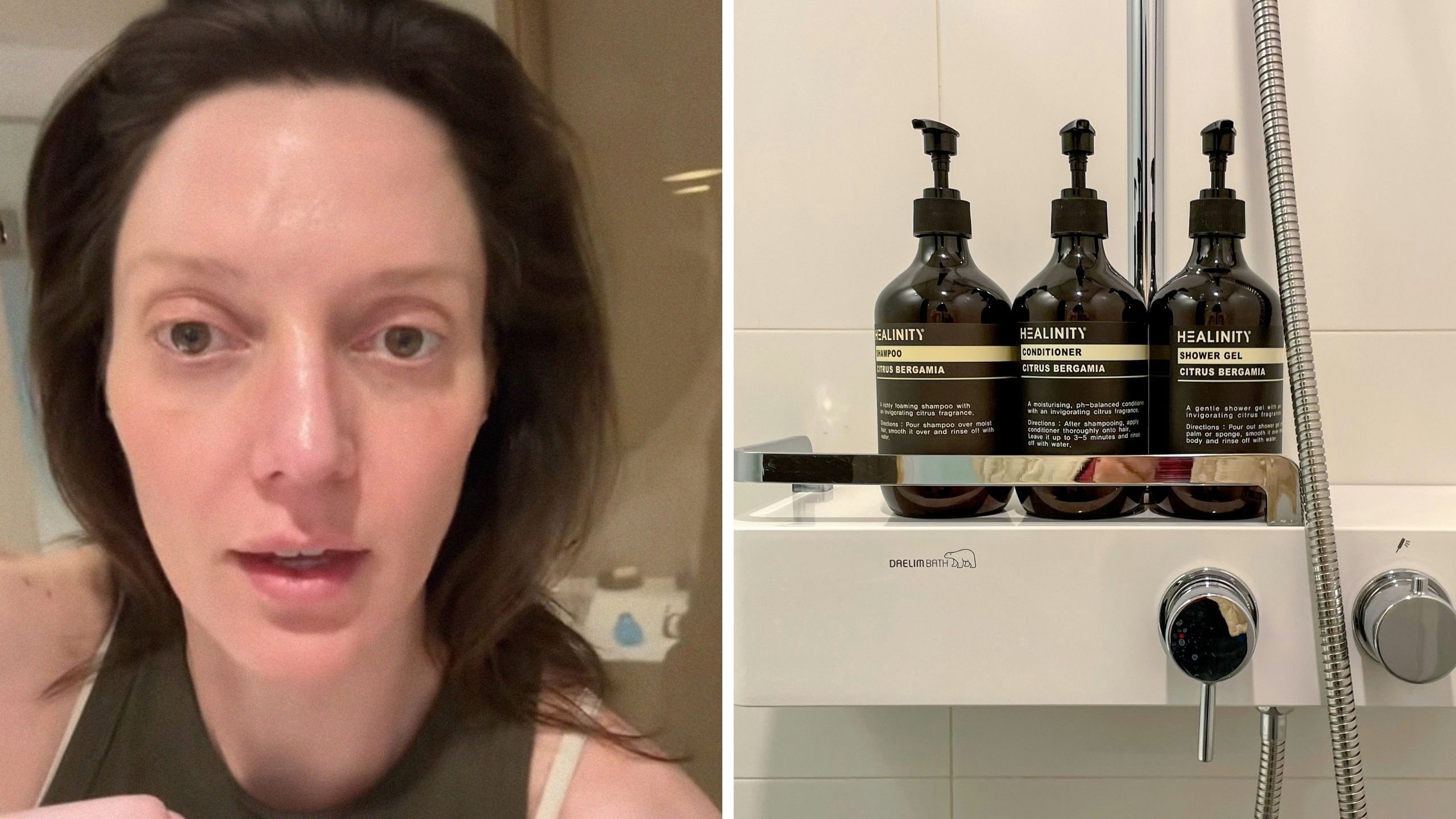
The standard convenience of hotel-provided shampoo, conditioner, and body wash is increasingly coming under scrutiny as medical professionals and hygiene experts raise alarms regarding the safety and efficacy of these products. Dr. Mary McDaniel, a board-certified dermatologist based in Wisconsin, recently sparked a nationwide conversation after a viral video detailed her refusal to use the large, refillable dispensers that have become a staple in modern hotel bathrooms. While the hospitality industry has largely transitioned toward these bulk dispensers as a cornerstone of their sustainability initiatives, the move has introduced a complex array of dermatological and sanitary risks that many travelers may not have considered.
The warning issued by Dr. McDaniel centers on two primary concerns: the chemical composition of the products themselves and the potential for bacterial contamination or tampering within the dispensing systems. "In case anyone has forgotten, you know the rules," McDaniel stated while gesturing toward the wall-mounted containers common in mid-range and luxury hotels alike. Her succinct verdict—"Eww, do not use"—has resonated with thousands of travelers, prompting a deeper investigation into what exactly is contained within those sleek, wall-mounted bottles.
The Chemical Composition of Budget Amenities
For many years, hotel toiletries were viewed as a complimentary perk, often featuring high-end branding. However, as hotels have looked to cut costs and reduce plastic waste, the quality of the formulas has frequently shifted. Dermatologists point out that the bulk liquids used to fill these dispensers are often formulated for maximum shelf life and low cost rather than skin health.
One of the primary issues cited by experts is the high alkalinity of hotel soaps and shampoos. Human skin and hair typically maintain a slightly acidic pH, generally ranging between 4.5 and 5.5. This "acid mantle" acts as a protective barrier against pathogens and environmental damage. Many hotel-grade cleansers, however, are highly alkaline. Using these products can strip the skin of its natural lipids, leading to a disrupted skin barrier, dryness, and irritation. For individuals with conditions such as eczema, psoriasis, or sensitive skin, even a single use of a high-alkaline hotel soap can trigger a flare-up.
Furthermore, these products are frequently loaded with sulfates, such as Sodium Lauryl Sulfate (SLS), which are aggressive surfactants used to create a rich lather. While they provide a sensation of deep cleaning, they can be disastrous for hair health, particularly for those with color-treated or naturally dry hair. The inclusion of synthetic fragrances, parabens, and silicones—often used to mask the chemical scent of bulk-manufactured liquids—adds another layer of risk for allergic contact dermatitis.
The Shift Toward Sustainability: A Brief Chronology
The transition from individual, single-use plastic bottles to large-scale refillable dispensers was not an overnight change but rather a decade-long shift driven by environmental pressures and legislative mandates.
In 2018, InterContinental Hotels Group (IHG), which owns brands like Holiday Inn and Crowne Plaza, became one of the first major global players to announce it would remove miniature toiletries from its 5,600 hotels. Marriott International followed suit in 2019, estimating that the move would prevent about 500 million tiny bottles—roughly 1.7 million pounds of plastic—from reaching landfills annually. Hilton and Hyatt soon joined the movement, citing both environmental stewardship and operational efficiency.
The trend was further solidified by legislation. In 2019, California passed Assembly Bill 1162, which banned hotels with more than 50 rooms from providing small plastic bottles of shampoo, conditioner, or soap starting in 2023. New York followed with similar legislation, and several other states are currently considering similar bans. While these measures are undeniably beneficial for the environment, they have inadvertently created a new set of hygiene challenges that the industry is still struggling to address.
The Bacterial Burden: Data from the University of Arizona
The most alarming aspect of the refillable dispenser trend is the potential for microbial growth. Research conducted by the University of Arizona, led by renowned virologist Dr. Charles Gerba, has highlighted significant risks associated with bulk soap dispensers. In a study examining 82 refillable dispensers in public restrooms—which operate on similar principles to hotel shower dispensers—researchers found that 100% of the dispensers were contaminated with bacteria.
More concerning was the fact that 76% of these dispensers contained bacterial levels that exceeded the Food and Drug Administration’s (FDA) safety recommendations. The moist, warm environment of a hotel shower is an ideal breeding ground for biofilms—slimy layers of bacteria that adhere to the internal surfaces of the pump and the bottle. Once a biofilm is established, it is incredibly difficult to remove, and it can continuously shed bacteria into the soap or shampoo every time the pump is depressed. Common contaminants found in these environments include Pseudomonas aeruginosa, which can cause skin rashes and ear infections, and Serratia marcescens, known for causing respiratory and urinary tract infections.
The Risk of Tampering and Lack of Oversight
Beyond the biological risks, there is a significant human element to the safety of hotel toiletries. Dr. McDaniel’s warning specifically highlighted the risk of tampering. Many hotel dispensers are designed with locks to prevent guests from opening them, but these locks are often flimsy or improperly engaged by housekeeping staff.
"If products haven’t been locked, there’s a risk they’ve been tampered with," McDaniel noted. The potential for malicious or accidental contamination is a reality in the hospitality industry. Reports from travelers and hotel staff have occasionally surfaced involving guests filling dispensers with hair removal creams, dyes, or other bodily fluids as "pranks." Because hotels rarely empty and sanitize these bottles between guests—instead opting to simply "top them off"—any contaminant introduced by a previous occupant can remain in the system for an indefinite period.
Housekeeping protocols also play a role. In many high-volume hotels, staff are under strict time constraints to turn over rooms. The detailed cleaning and sterilization of a wall-mounted dispenser are rarely part of the daily routine. Often, the exterior is wiped down, and the liquid is replenished, but the internal pump mechanism, where bacteria and old product accumulate, is left untouched for months or even years.
Industry and Public Reaction
The response to Dr. McDaniel’s viral warning has been polarized. On social media platforms, many frequent travelers expressed horror at the realization of these risks. "I use only what I bring from home unless it’s sealed," one commenter noted, echoing a growing sentiment among health-conscious travelers. Others, however, dismissed the concerns as "overkill," arguing that the risks are statistically low and that the environmental benefits of reducing plastic waste outweigh the potential for minor skin irritation or bacterial exposure.
The hotel industry maintains that its protocols are sufficient to protect guests. Major chains often point to their use of "tamper-evident" seals or proprietary locking systems. However, the efficacy of these systems depends entirely on the diligence of the staff on the ground. For a traveler, it is often impossible to tell if a dispenser has been properly sanitized or if the liquid inside is indeed the premium brand advertised on the label.
Broader Implications and Recommendations for Travelers
The debate over hotel toiletries reflects a broader tension in the modern world: the conflict between environmental sustainability and personal hygiene. As the world moves away from single-use plastics, the systems designed to replace them must be held to rigorous safety standards.
For travelers concerned about their skin health and hygiene, experts recommend several proactive steps:
- Bring Your Own: The most effective way to avoid risks is to carry TSA-compliant, travel-sized containers filled with products known to work for your specific skin and hair type.
- Inspect the Dispenser: Before using hotel products, check if the dispenser is securely locked. If the lid can be easily removed, the risk of tampering is significantly higher.
- Look for "Closed" Systems: Some high-end hotels use "closed-loop" dispensers where the entire cartridge is replaced rather than refilled. These are generally safer as they are sealed at the factory.
- Avoid Barefoot Showering: As an addendum to her toiletry warning, Dr. McDaniel also urged travelers never to shower barefoot in hotels to avoid contracting warts or toenail fungus, emphasizing that hotel bathrooms are communal spaces with high microbial loads.
As the hospitality industry continues to evolve, the demand for "clean beauty" and transparent hygiene standards is likely to grow. Until hotels can guarantee the sterility and integrity of their bulk dispensers, the "Eww, do not use" mantra may become the new gold standard for the savvy traveler. For now, the convenience of a wall-mounted bottle may come at a price that many are no longer willing to pay.




 Anjar Salim
 Chandra Hamzah
 Tatiana Tantri Indah Sari

