
 Anjar Salim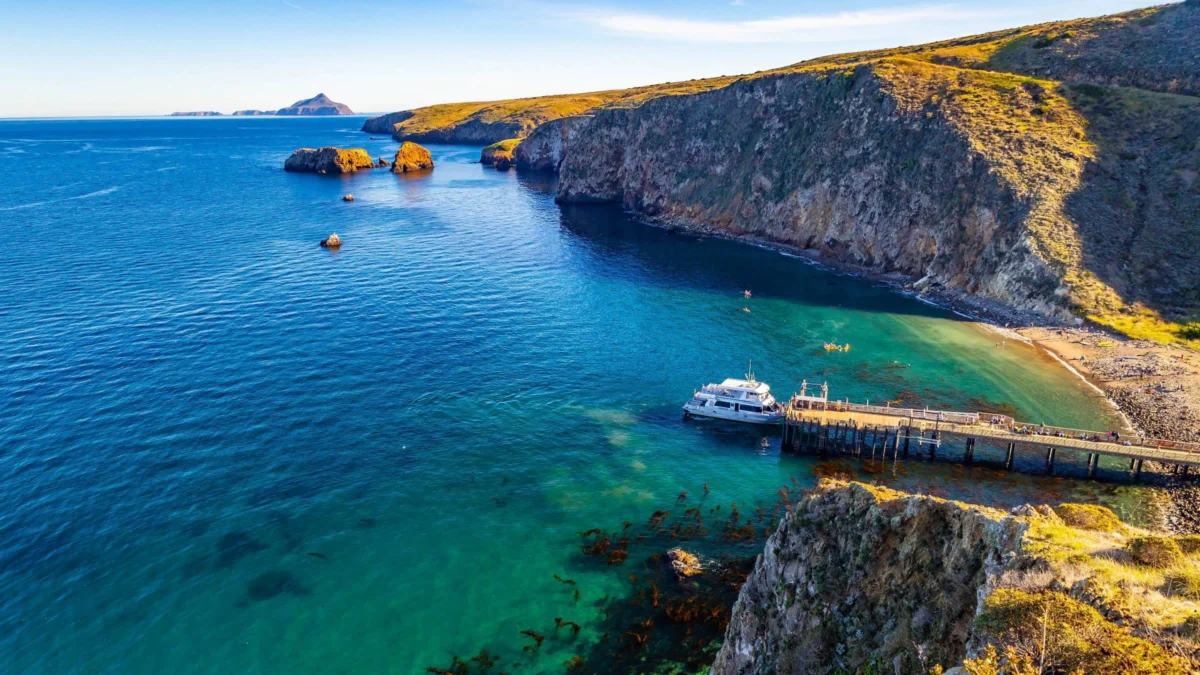
As the summer of 2026 approaches, American travelers are facing a dual challenge of volatile fuel prices and a strained aviation sector. Data from the Bureau of Transportation Statistics indicates that domestic airfares have risen by 12% year-over-year, while the national average for a gallon of gasoline remains at levels that discourage cross-country transit. Despite these economic headwinds, the demand for outdoor recreation remains at a historic high. The National Park Service (NPS) reported in its 2025 annual summary that visitation to "urban-adjacent" park units increased by nearly 15% as residents of major metropolitan areas sought more accessible, cost-effective alternatives to traditional long-distance vacations.
The country’s five most populous cities—New York City, Los Angeles, Chicago, Houston, and Phoenix—are uniquely positioned within a short distance of diverse federal lands. These areas offer a range of experiences from coastal wilderness to ancient archaeological sites, providing a reprieve from the density of urban life without the logistical burdens of international or cross-continental travel.
The Evolution of the Urban National Park Movement
The concept of bringing "parks to the people" gained significant momentum in 1972 with the establishment of Gateway National Recreation Area in New York and Golden Gate National Recreation Area in San Francisco. This policy shift by the Department of the Interior aimed to ensure that the benefits of the National Park System were accessible to the millions of Americans living in dense urban cores. Today, this legacy provides a vital outlet for physical and mental health.
According to a 2025 study published in the Journal of Environmental Psychology, proximity to protected green spaces significantly reduces stress levels in urban populations. As remote work trends stabilize and the "micro-adventure" movement gains traction, these nearby national park units are transitioning from secondary attractions to primary destinations for millions of city dwellers.
New York City: Coastal Wilderness and River Gaps
New York City, with a population exceeding 8.5 million, is often perceived as a concrete monolith. However, the region’s geography allows for rapid access to both maritime and montane environments.
Fire Island National Seashore
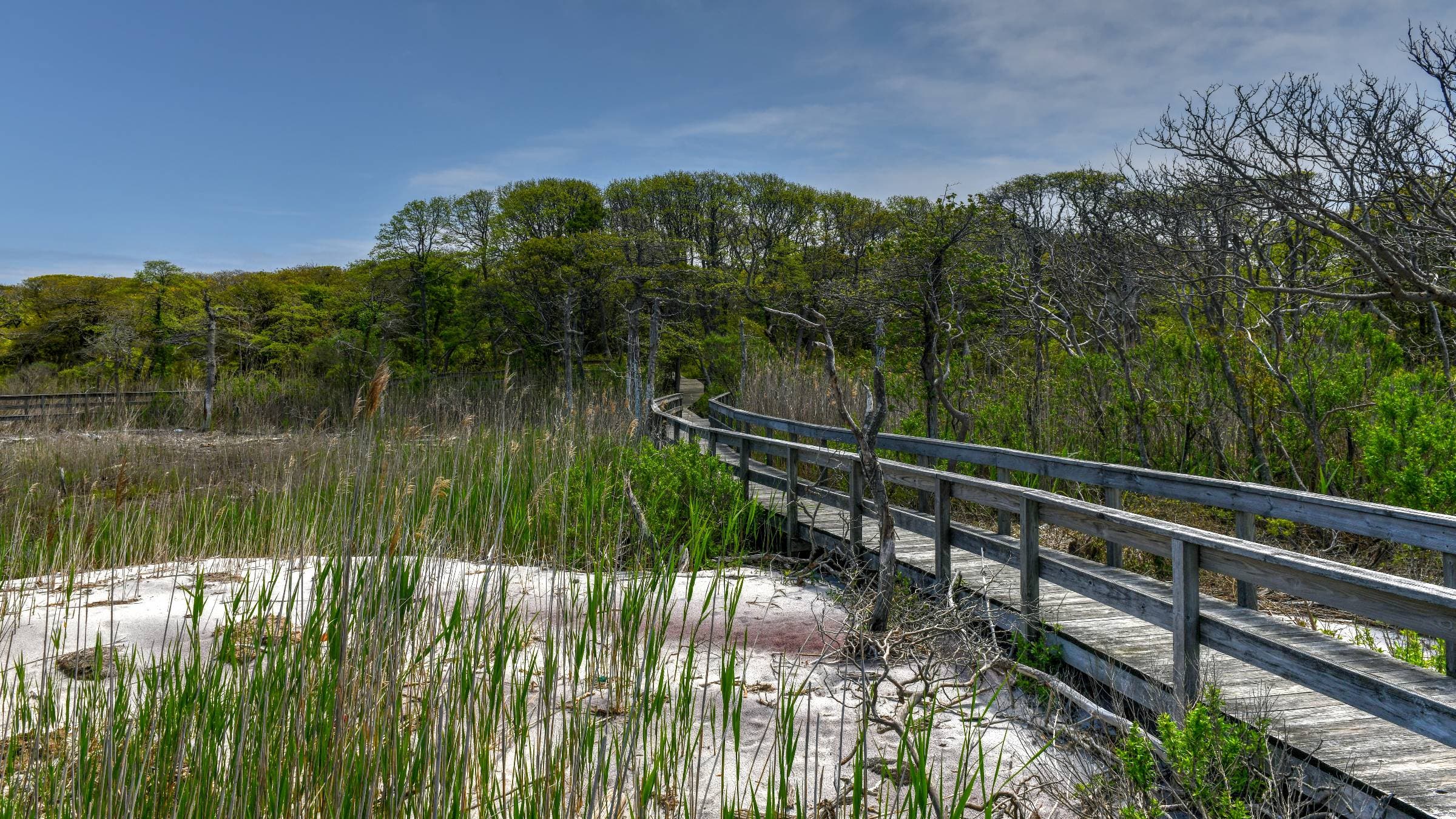
Located off the southern coast of Long Island, Fire Island National Seashore encompasses a 32-mile barrier island that serves as a critical buffer for the mainland. The park is a mosaic of high dunes, ancient maritime forests, and historic landmarks.
The Otis Pike High Dunes Wilderness: This area holds the distinction of being the only federally designated wilderness in the state of New York. Covering 1,400 acres, it represents a rare example of an undeveloped barrier island ecosystem. The seven-mile Burma Trail offers hikers an opportunity to observe white-tailed deer and migratory raptors, including bald eagles. The trail traverses a maritime holly forest, one of the few remaining in the world.
Logistics and Accommodation: The Watch Hill Campground provides 20 tent sites and eight safari-style platform tents. Prices start at $35 per night, offering an affordable alternative to the high-cost rentals typically found in New York’s coastal communities.
Delaware Water Gap National Recreation Area
Seventy-five miles west of Manhattan, the Delaware Water Gap protects 67,000 acres along the border of Pennsylvania and New Jersey. The park is centered on a dramatic breach in the Appalachian Mountains carved by the Delaware River.
Recreational Impact: The park features over 40 miles of the Middle Delaware National Scenic and Recreational River. It is a premier destination for non-motorized watercraft. The six-mile stretch from Smithfield Beach to Kittatinny Point is particularly noted for its scenic vistas and manageable currents. Furthermore, 27 miles of the Appalachian Trail pass through the park, providing high-altitude views of the river valley.
Los Angeles: Mountain Ranges and Marine Sanctuaries
Los Angeles is frequently criticized for its traffic congestion and urban sprawl. However, the city is geographically bounded by some of the most ecologically diverse protected lands in the Western United States.
Santa Monica Mountains National Recreation Area
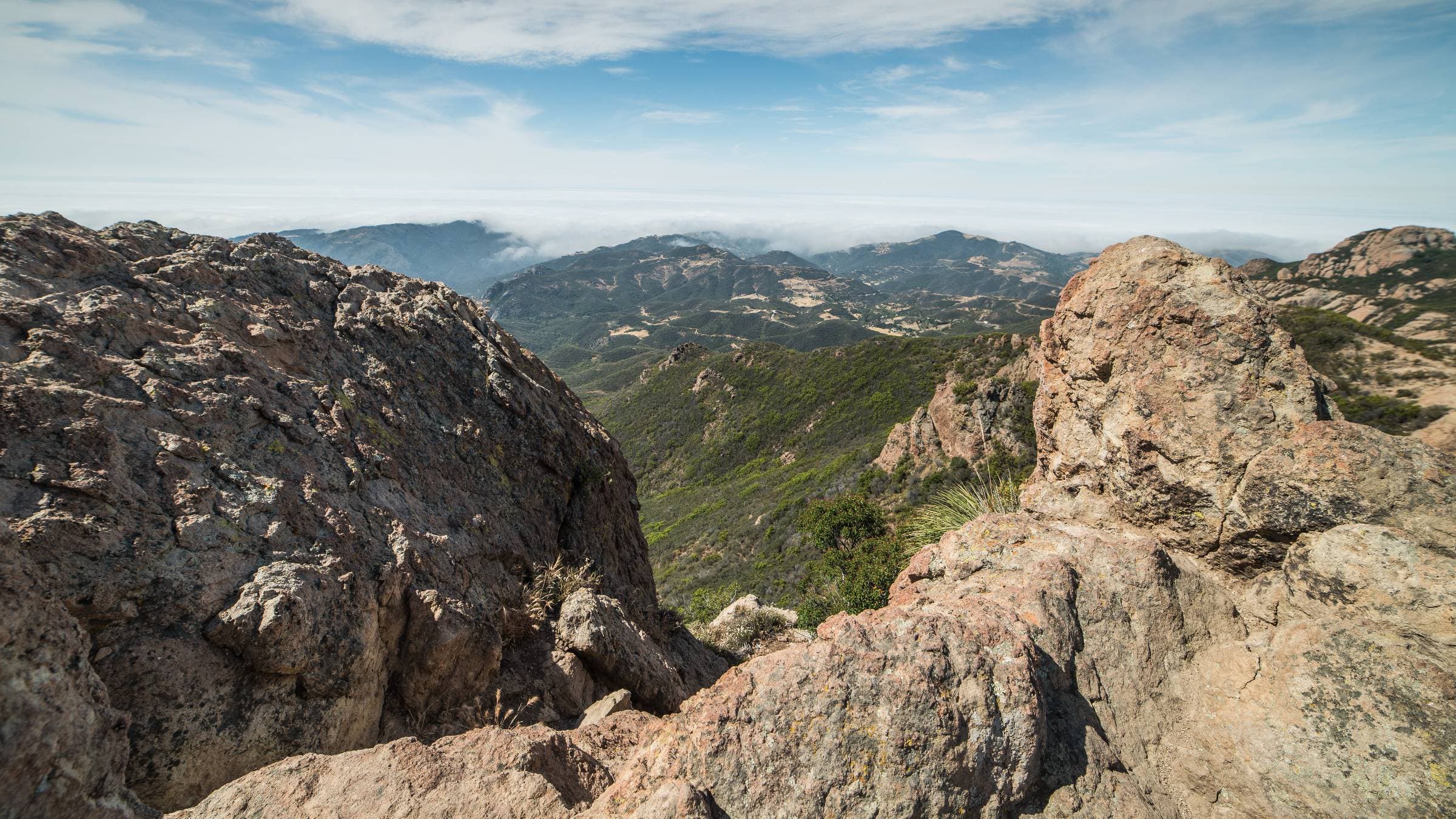
As the largest urban national park in the world, this unit covers more than 150,000 acres. It serves as a vital corridor for wildlife, including a fragile population of mountain lions currently being supported by the construction of the Wallis Annenberg Wildlife Crossing over Highway 101.
The Backbone Trail: This 67-mile trail traverses the spine of the mountain range. A popular segment for day hikers is the six-mile Mishe Mokwa loop, which leads to the summit of Sandstone Peak. At 3,111 feet, it is the highest point in the range, offering panoramic views of the Los Angeles Basin and the Channel Islands.
Conservation Context: Park rangers emphasize that the Santa Monica Mountains are a "Mediterranean" ecosystem, one of only five in the world. This makes the area highly susceptible to wildfires, and management focuses heavily on invasive species removal and fire prevention.
Channel Islands National Park
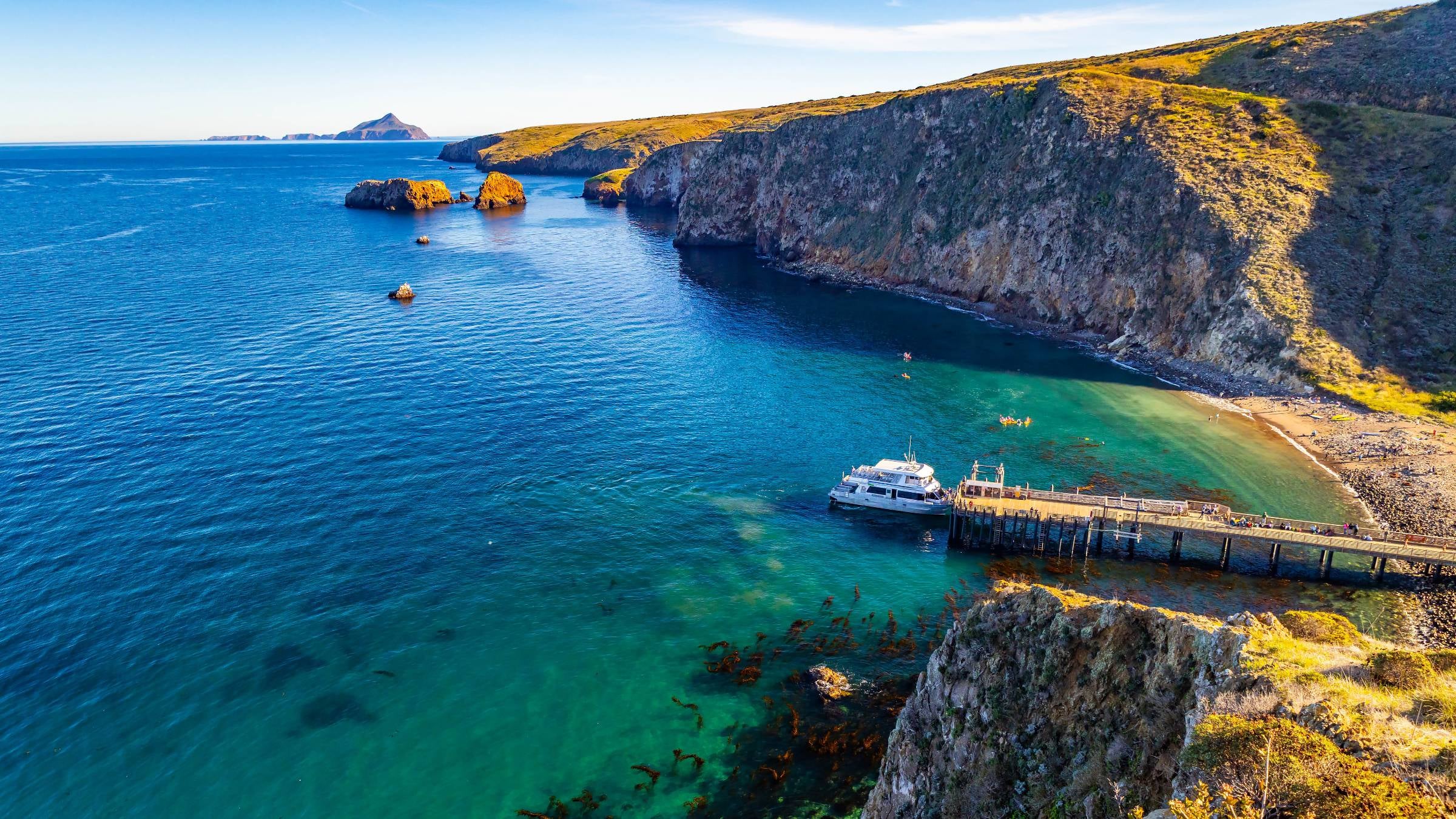
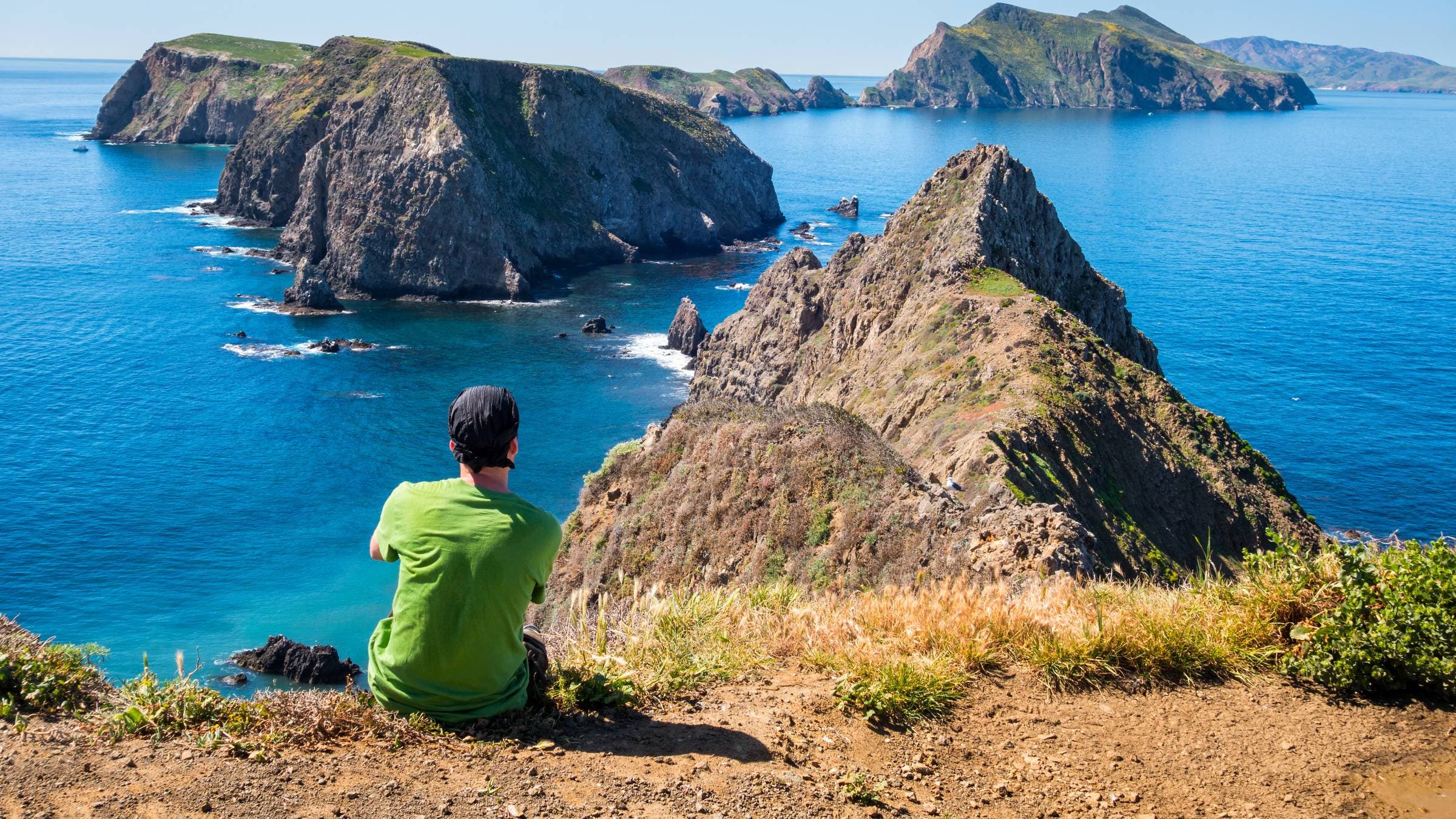
Often referred to as the "Galapagos of North America," this park consists of five islands—Anacapa, Santa Cruz, Santa Rosa, San Miguel, and Santa Barbara. The islands are home to over 2,000 species of plants and animals, 145 of which are found nowhere else on Earth.
Santa Rosa Island: Hikers can take a ferry from Ventura to Santa Rosa to explore the rare Torrey pine forest. The 12-mile trek to Skunk Point offers a rugged coastal experience characterized by steep cliffs and expansive sand dunes. The Water Canyon Campground provides a primitive stay for $15 per night, though visitors must carry all supplies, including food and gear, from the pier.
Chicago: The Birthplace of Modern Ecology
Chicago’s identity is inextricably linked to Lake Michigan. While the city’s lakefront is renowned for its architectural beauty, the eastern shore of the lake holds a different kind of treasure.
Indiana Dunes National Park
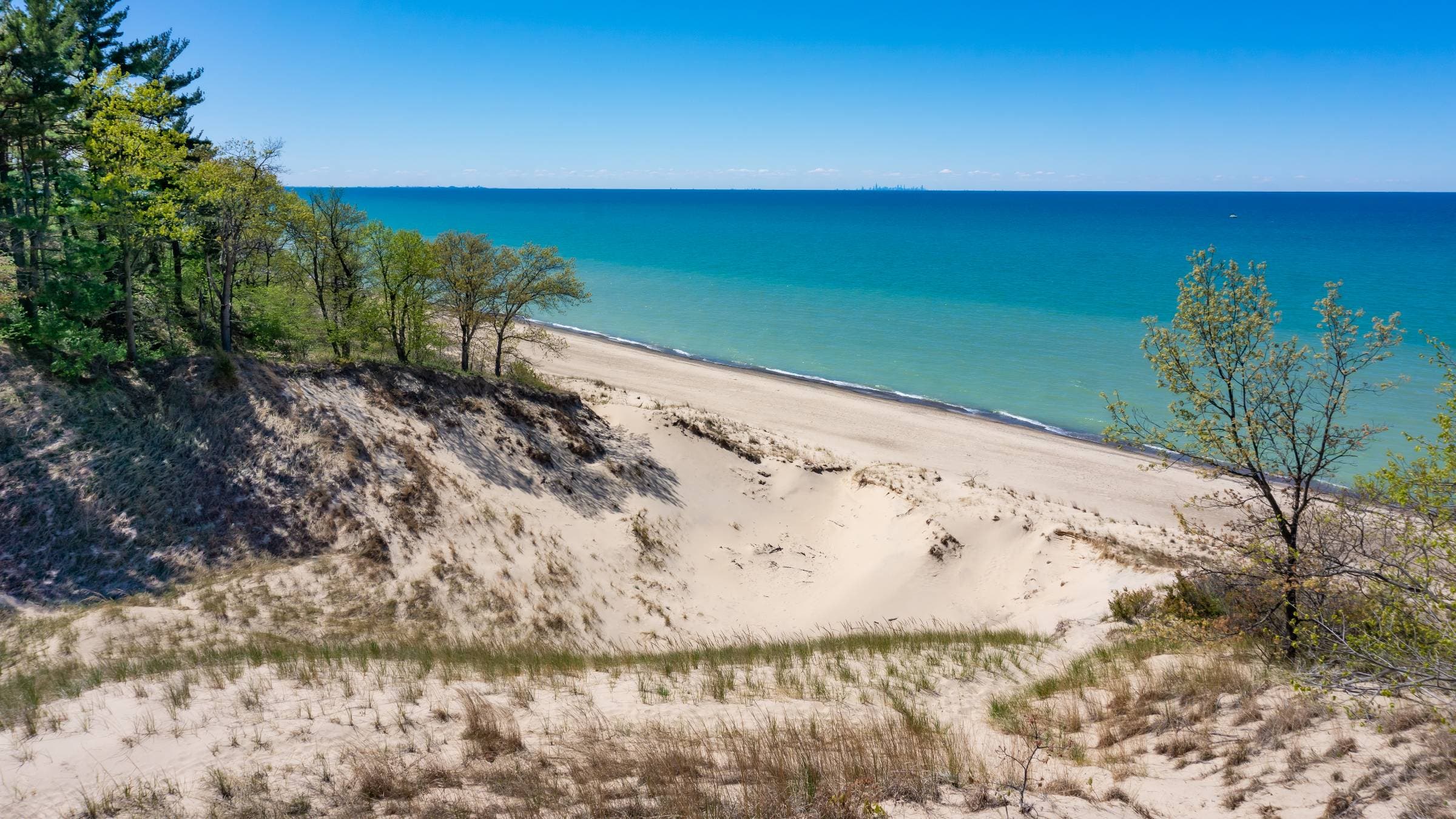
In 2019, Indiana Dunes was elevated from a National Lakeshore to the United States’ 61st National Park. Though relatively small at 15,000 acres, it is one of the most biologically diverse units in the system per acre.
The Cowles Bog Trail: Named after Henry Chandler Cowles, whose 1898 study of the dunes helped establish the science of ecology, this 4.7-mile loop is a case study in ecological succession. It leads hikers through black oak savannas, marshes, and over towering dunes to a remote stretch of Lake Michigan shoreline.
Regional Connectivity: The park is accessible via the South Shore Line, a commuter rail service connecting Chicago to South Bend. This makes Indiana Dunes one of the few national parks in the country that can be visited without a personal vehicle, aligning with modern sustainability goals.
Houston: The Biological Crossroads
Houston, the energy capital of the world, is situated near a unique convergence of ecosystems. To the northeast lies a landscape often described as the "Biological Crossroads of North America."
Big Thicket National Preserve
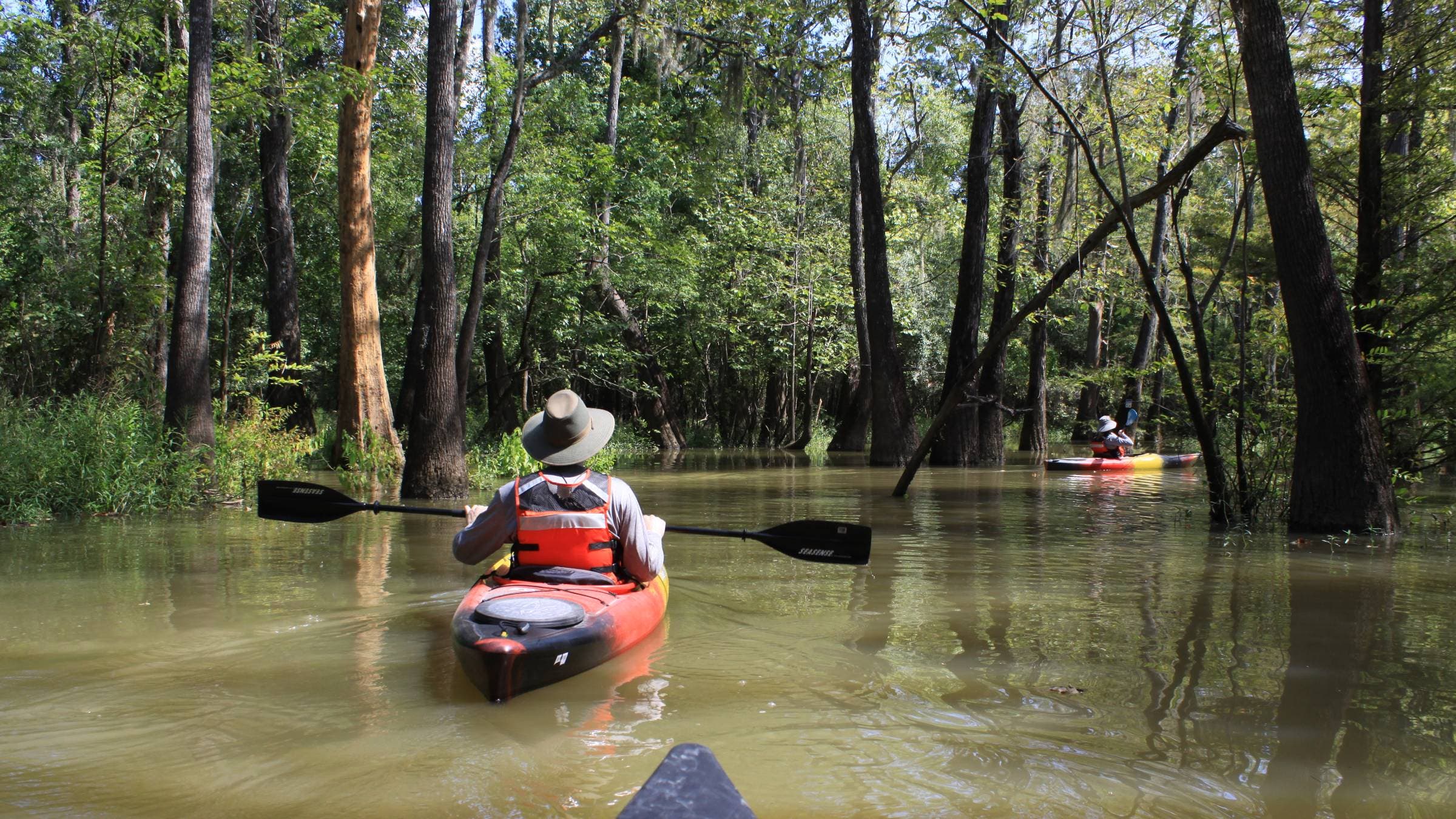
Big Thicket was the first National Preserve established in the U.S. (1974). It protects a complex intersection of nine different ecosystems, including piney woods, cypress swamps, and coastal prairies.
Paddling the Bayous: The preserve is best explored by water. The Cooks Lake to Scatterman Paddling Trail is a 4.8-mile loop through a moss-draped cypress-tupelo swamp. This environment supports a high concentration of biodiversity, including four of the five types of carnivorous plants found in North America.
Backcountry Focus: Unlike many traditional parks, Big Thicket emphasizes backcountry experiences. While the preserve itself offers limited developed camping, the adjacent Village Creek State Park provides facilities for $16 per night, serving as a gateway for those exploring the Neches River corridor.
Phoenix: Ancient History and Iconic Chasms
Phoenix is the fastest-growing large city in the U.S., yet it remains surrounded by the stark beauty of the Sonoran Desert.
Tonto National Monument
Located roughly 100 miles east of Phoenix, this monument protects well-preserved cliff dwellings inhabited by the Salado people between the 13th and 15th centuries.
Cultural Heritage: Visitors can hike a steep, paved one-mile trail to the Lower Cliff Dwelling. The site offers a glimpse into pre-Columbian architecture, including original wooden beams and adobe walls. During the winter months (November through April), the park offers ranger-led tours to the Upper Cliff Dwelling, which contains 40 rooms and provides a broader understanding of the agrarian societies that once thrived in the Salt River Valley.
Grand Canyon National Park
While 220 miles north of Phoenix, the Grand Canyon remains the primary destination for Arizona residents. Despite the four-hour drive, its status as a World Heritage site makes it a cornerstone of regional travel.
Seasonal Management: During the summer months, temperatures at the canyon floor can exceed 110 degrees Fahrenheit. Park officials recommend that hikers on the South Kaibab Trail begin their descent before dawn. The South Rim provides the most accessible views, and the Desert View Campground offers a less crowded alternative to the main village sites for $30 per night.
Broader Impact and Economic Analysis
The shift toward local national park adventures has significant economic and environmental implications. According to the NPS "Visitor Spending Effects" report, national park tourism generates over $50 billion in economic output annually. By choosing nearby parks, urban residents contribute to the economies of "gateway communities" that rely on seasonal tourism.
Furthermore, the environmental footprint of a 75-mile drive is substantially lower than a cross-country flight. This trend supports the "Leave No Trace" and sustainable travel initiatives championed by environmental organizations. As urban heat islands intensify, these protected areas also serve as essential "cooling zones," providing ecological services that benefit the broader metropolitan regions.
The National Park Service continues to adapt to these shifts in travel behavior. In a statement regarding the 2026 summer season, the NPS emphasized its commitment to infrastructure improvements in urban-adjacent parks, noting that "the accessibility of our public lands is paramount to ensuring that the next generation of Americans develops a lasting connection to the natural world."
For the tens of millions of people residing in New York, Los Angeles, Chicago, Houston, and Phoenix, the wilderness is not a distant concept but a tangible neighbor. In an era of economic uncertainty and logistical complexity, these national park units offer a sustainable and enriching path to adventure.



 Chandra Hamzah
 Tatiana Tantri Indah Sari
 Budi Mulyono
