
 Anjar Salim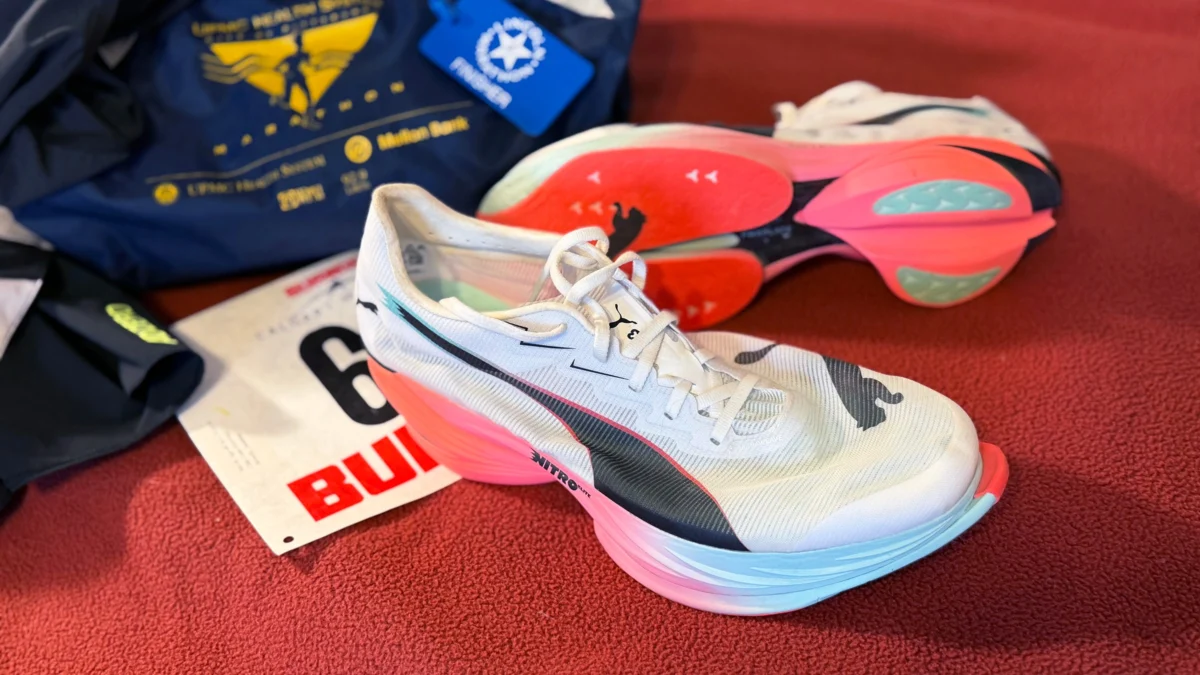
The global marathon racing footwear market reached a new technological milestone in April 2026 as manufacturers unveiled a suite of advanced models designed to optimize running economy through sophisticated foam chemistry and carbon-fiber integration. Following six months of rigorous comparative testing, the industry has seen a clear bifurcation between "super shoes" featuring rigid internal plates and a burgeoning category of high-stack, non-plated performance shoes. The latest testing cycle, which concluded this month, resulted in the addition of two new plated models and three non-plated variants to the elite recommendation list, reflecting a rapid acceleration in material science and biomechanical engineering.
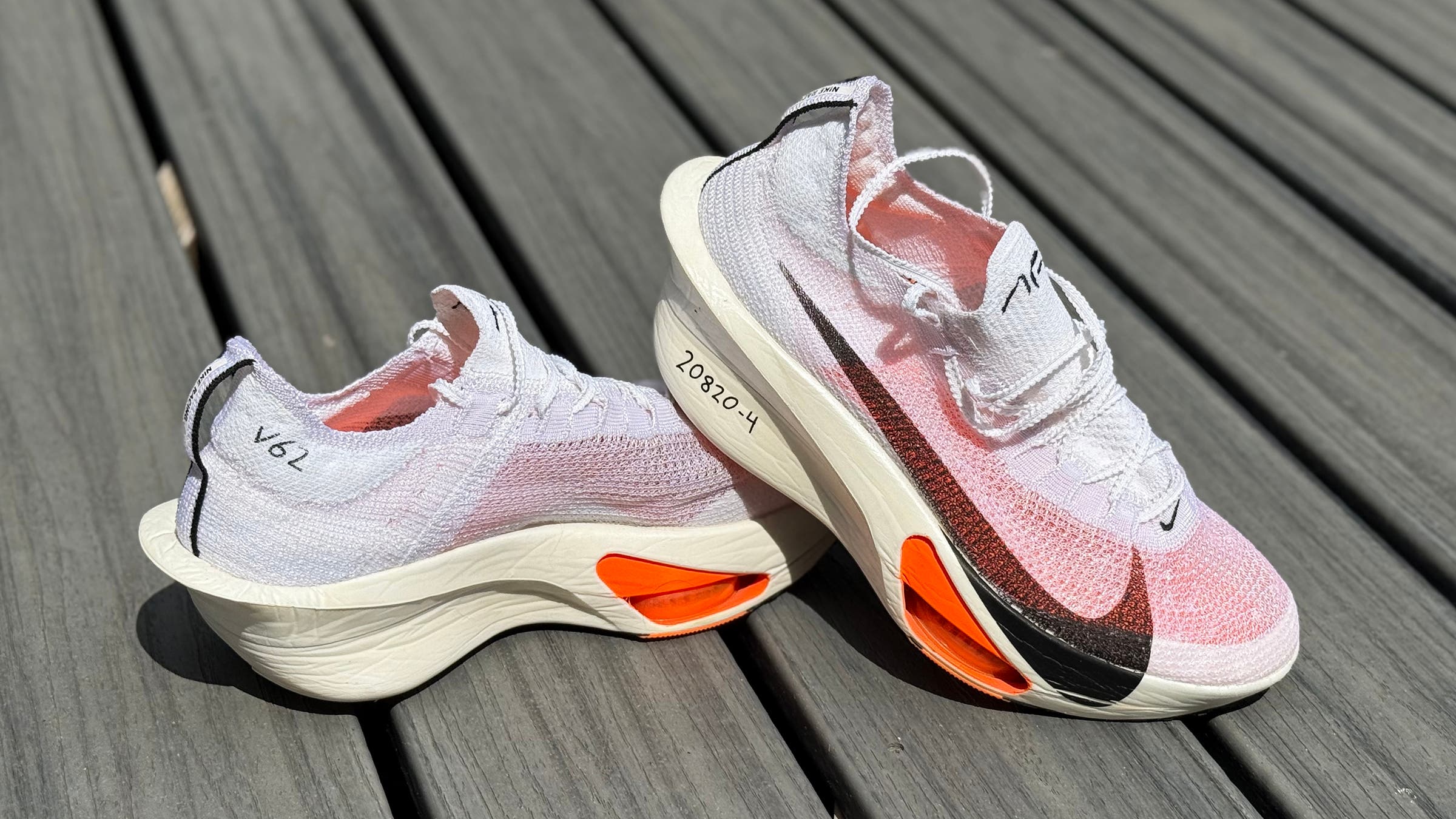
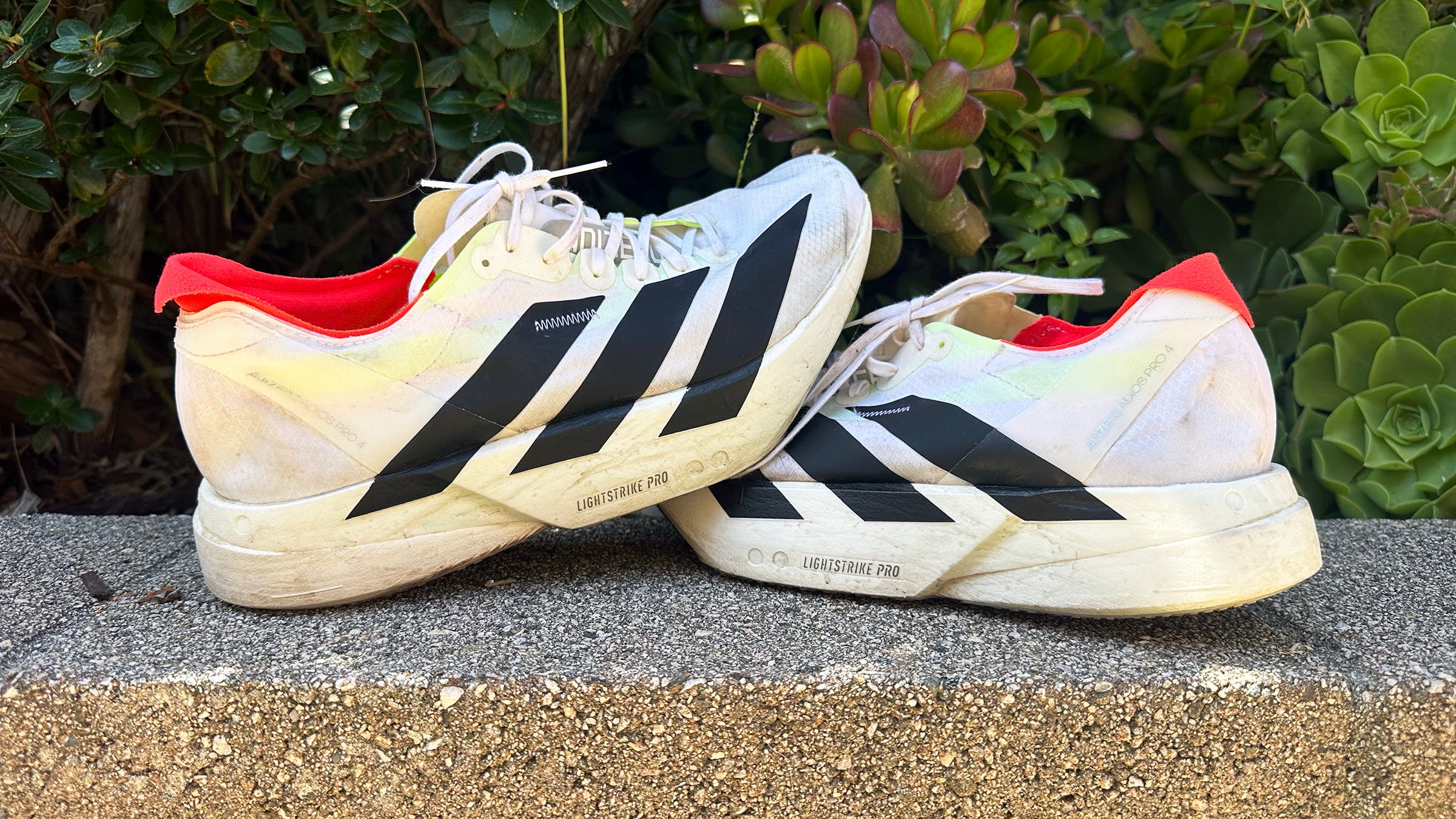
The marathon, once a test of pure human endurance, has increasingly become a showcase for footwear innovation. Since the introduction of the first carbon-plated prototypes in late 2016, the sport has undergone a paradigm shift. In 2026, the Nike Alphafly 3 maintains its position as the premier all-around carbon-plated racing shoe, lauded by testers for its balance of energy return and relative stability. However, the market has diversified significantly, with the Hoka Cielo X1 3.0 claiming the title of the highest-rebound model and the Adidas Adizero Adios Pro 4 emerging as the leader in midsole softness.
A Decade of Transformation: The Chronology of Super Shoe Evolution
The current landscape of 2026 is the culmination of a decade-long technological arms race. The timeline began in 2017 with the public release of the Nike Vaporfly 4%, a shoe that redefined running economy. By 2019, Eliud Kipchoge’s sub-two-hour marathon in a prototype Alphafly proved that footwear could bypass traditional physiological limits.
Between 2021 and 2024, competitors such as Asics, Adidas, and Saucony closed the gap, introducing their own proprietary "super foams"—mostly Polyether Block Amide (PEBA) or Thermoplastic Polyurethane (TPU) derivatives. The year 2025 saw the introduction of Aliphatic-TPU (A-TPU), a material that offered higher resilience than previous iterations. By early 2026, the industry moved toward "illegal" stack heights—shoes exceeding the World Athletics 40mm limit—designed specifically for recreational runners who are not bound by professional regulations but seek maximum joint protection and energy return.
Technical Analysis of Leading Plated Models
The April 2026 testing results highlight the Nike Alphafly 3 as the benchmark for professional-grade performance. Utilizing a PEBA-based ZoomX midsole and dual Air Zoom Units in the forefoot, the Alphafly 3 is engineered for a "bouncy" and efficient ride. Recent adjustments to its geometry include a wider footprint to address previous stability concerns, a common critique of high-stack racers. Despite its 7.8-ounce weight for men, the shoe remains the choice for elite athletes aiming for personal bests.
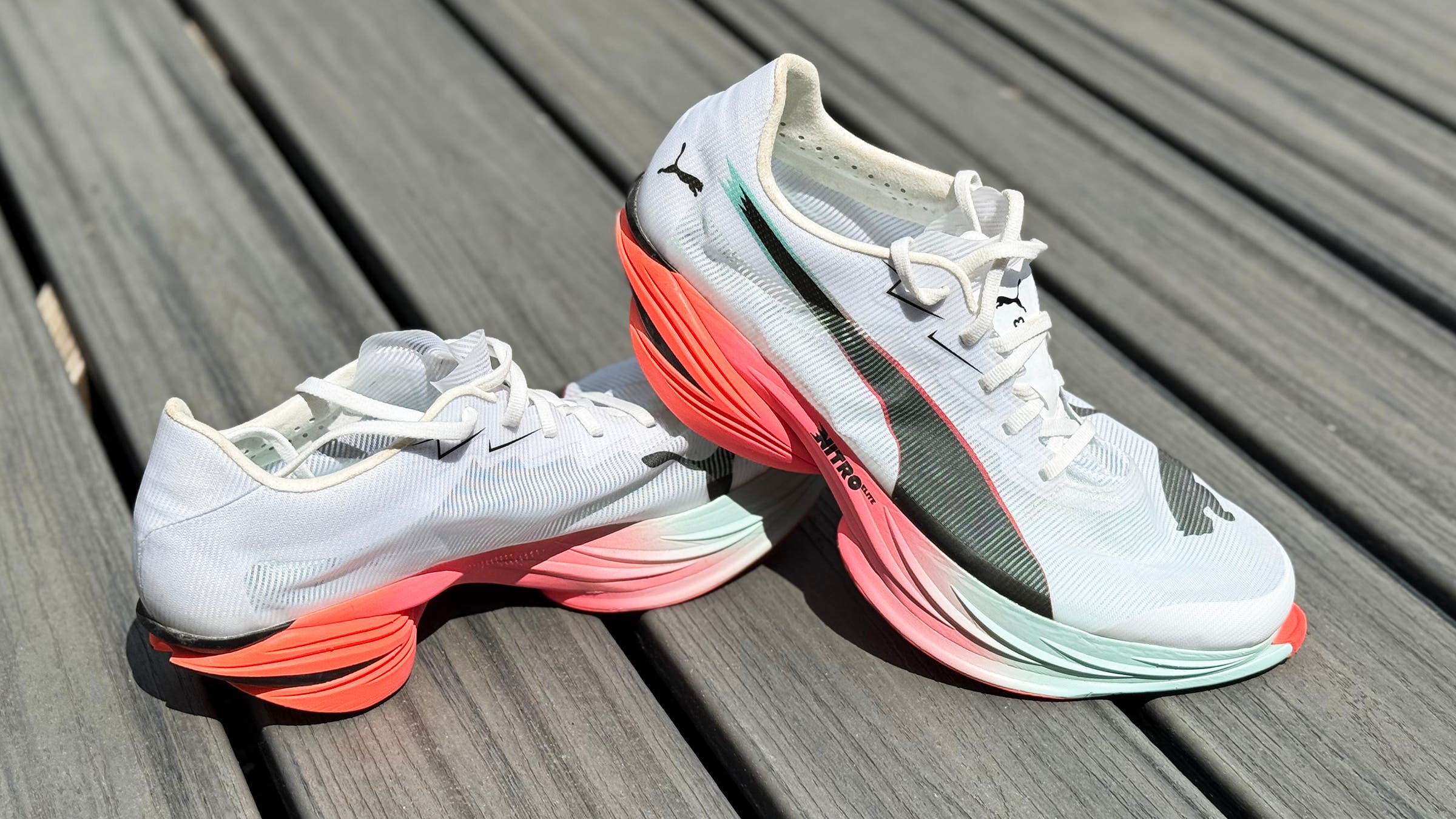
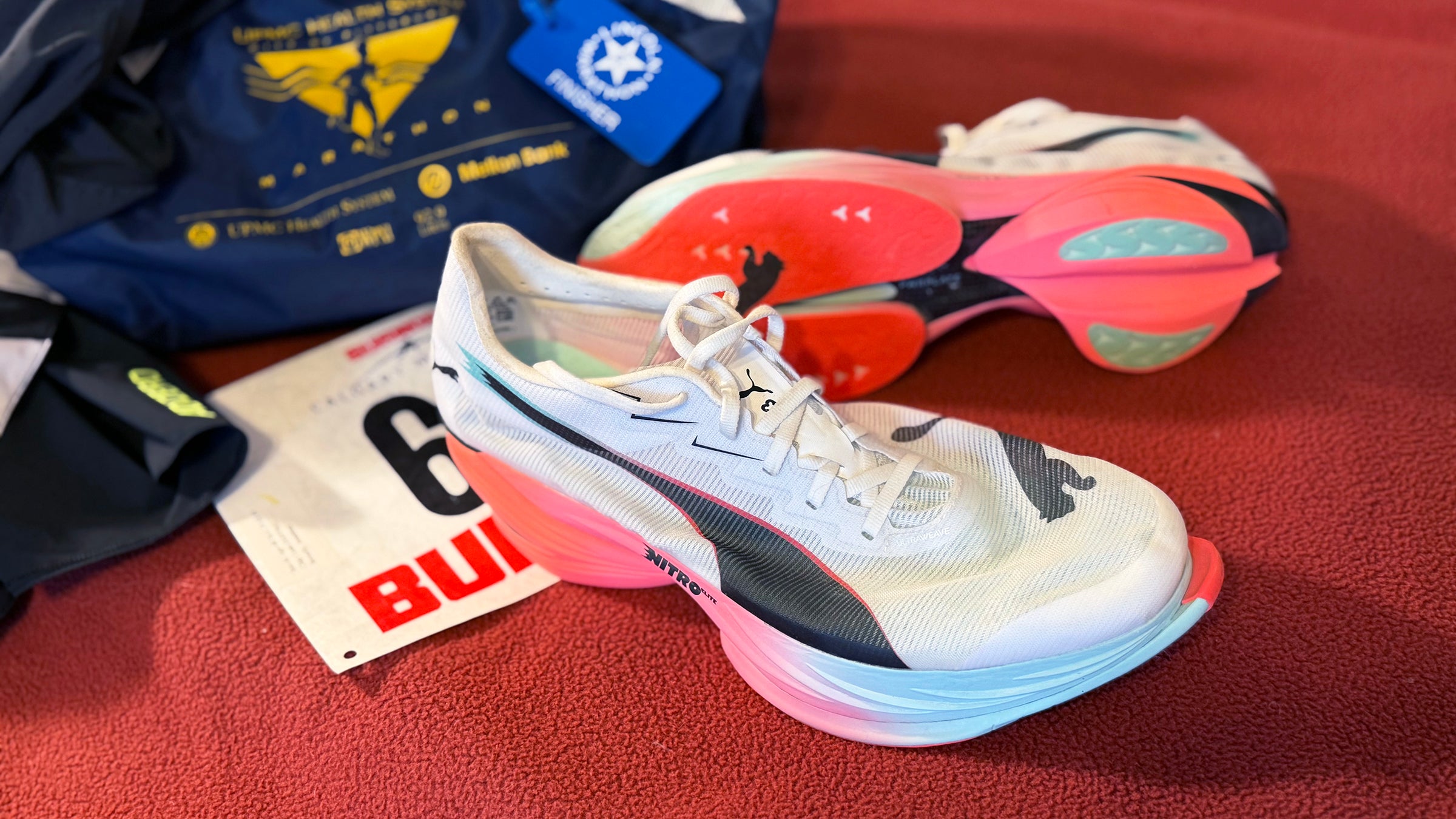
In contrast, the Puma FAST-R Nitro Elite 3 has emerged as a formidable challenger, supported by independent research from the University of Massachusetts Amherst. Data from the study indicated that the FAST-R 3 improved running economy by 3.1 to 3.6 percent across a sample of fifteen runners. This improvement is attributed to its unique decoupled midsole design and the use of A-TPU foam, which provides a more aggressive propulsive sensation than traditional PEBA.
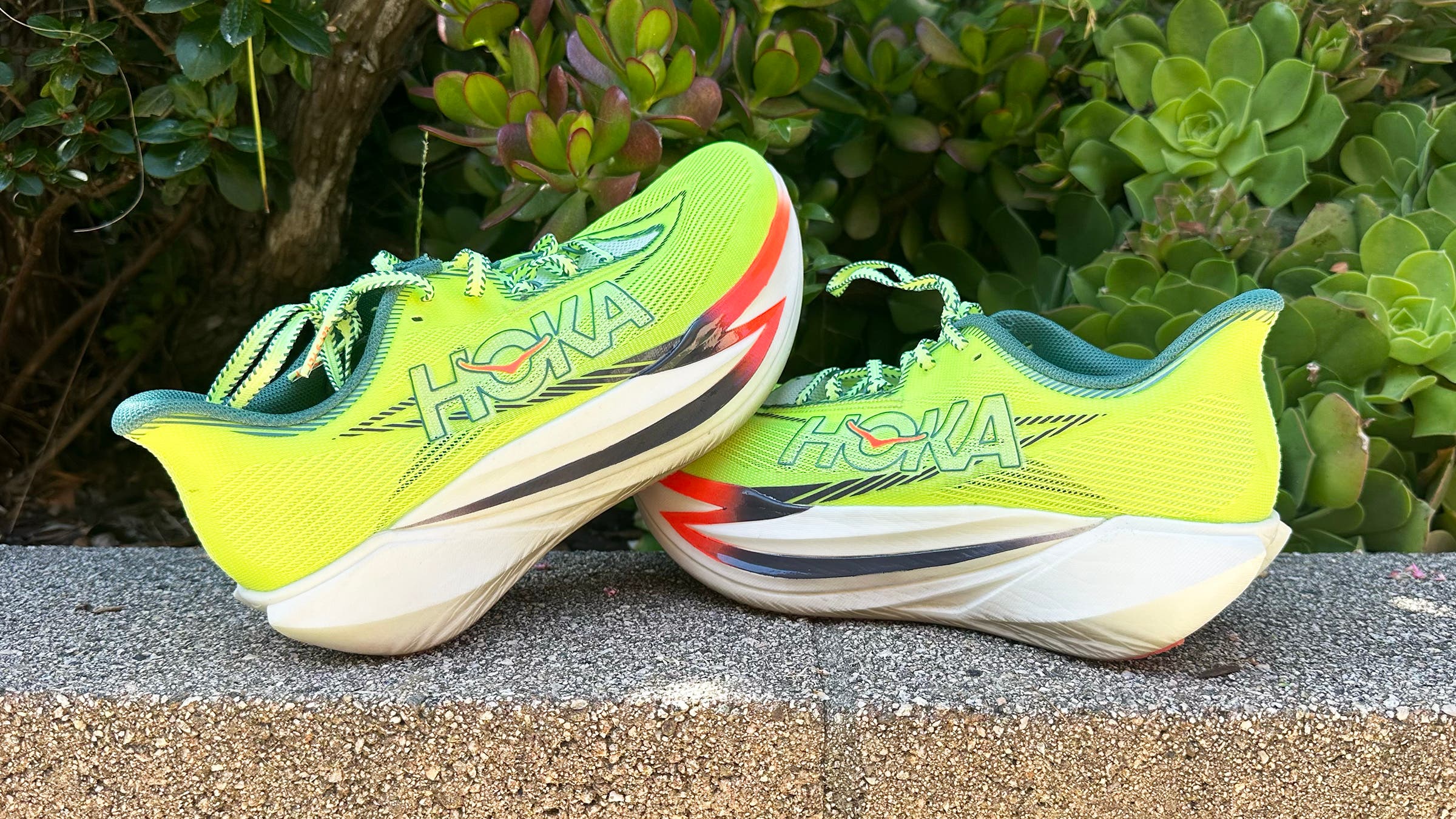
The Hoka Cielo X1 3.0 represents the extreme end of the cushioning spectrum. By re-tuning its PEBA foam and repositioning the winged carbon fiber plate, Hoka has created a shoe that testers described as a "trampoline for the feet." While the 7.5-ounce shoe offers unprecedented rebound, its narrow arch and soft foam present stability challenges for heel strikers or heavier runners, illustrating the trade-offs inherent in modern super-shoe design.
The Rise of High-Performance Non-Plated Footwear
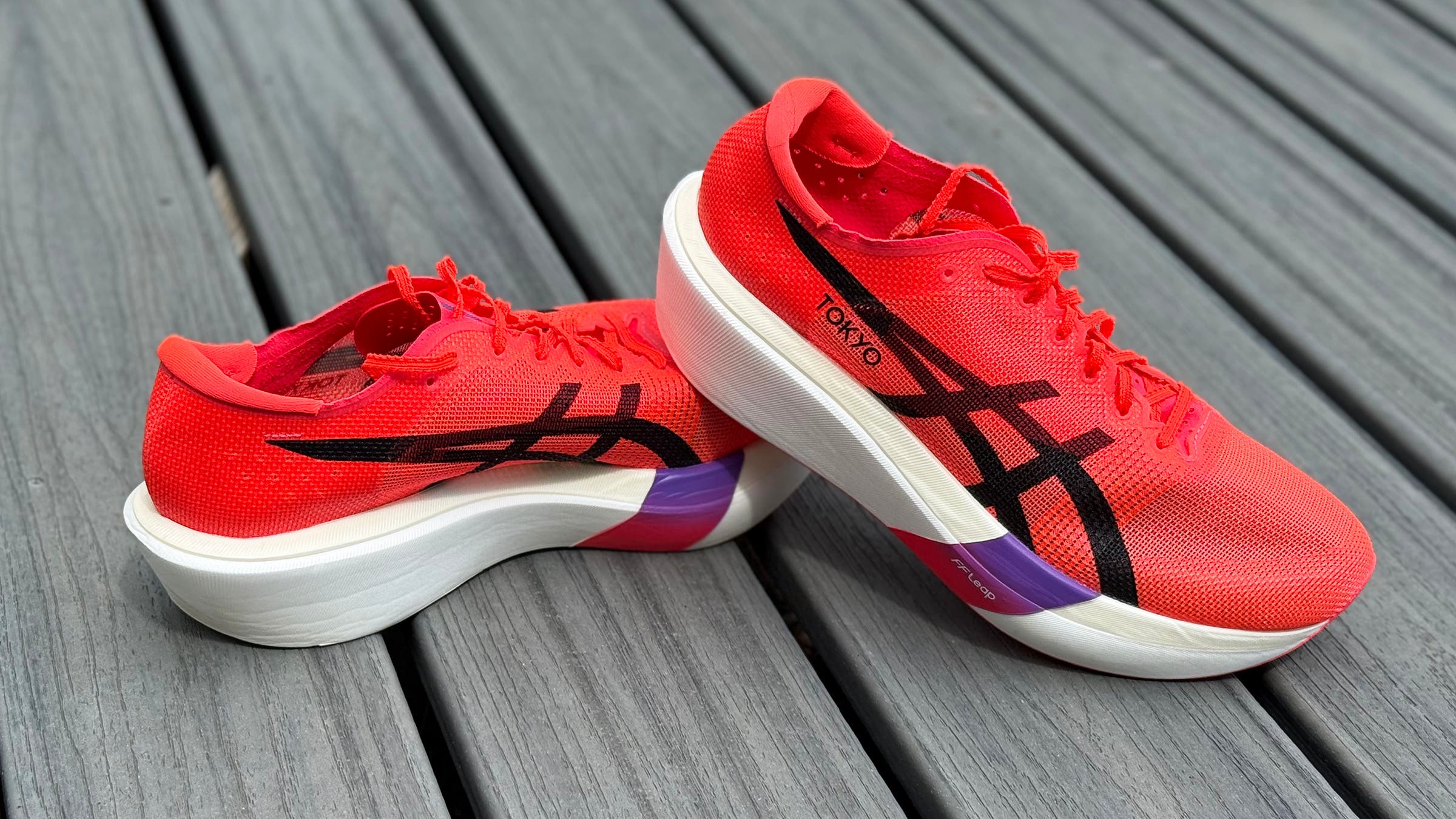
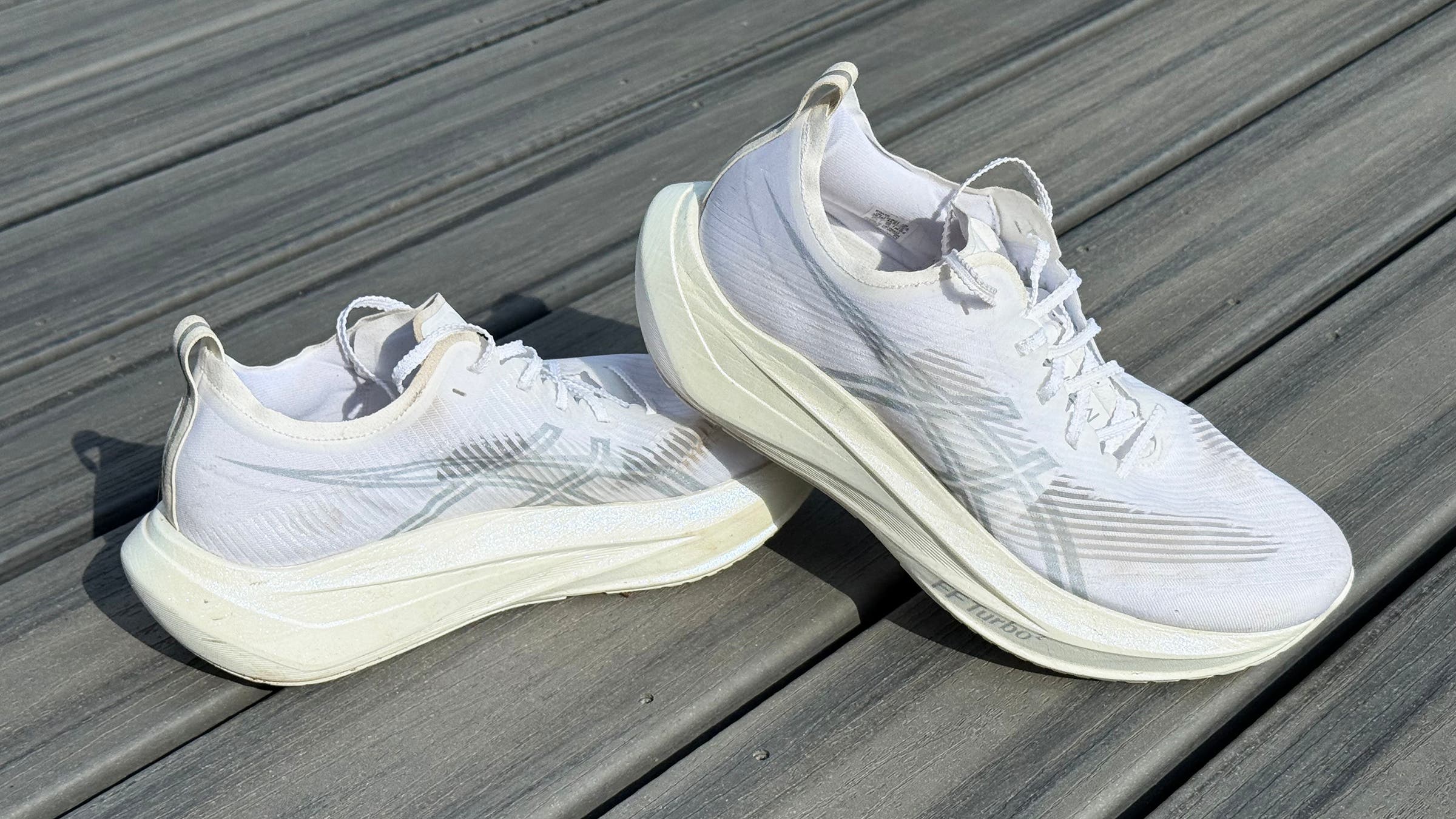
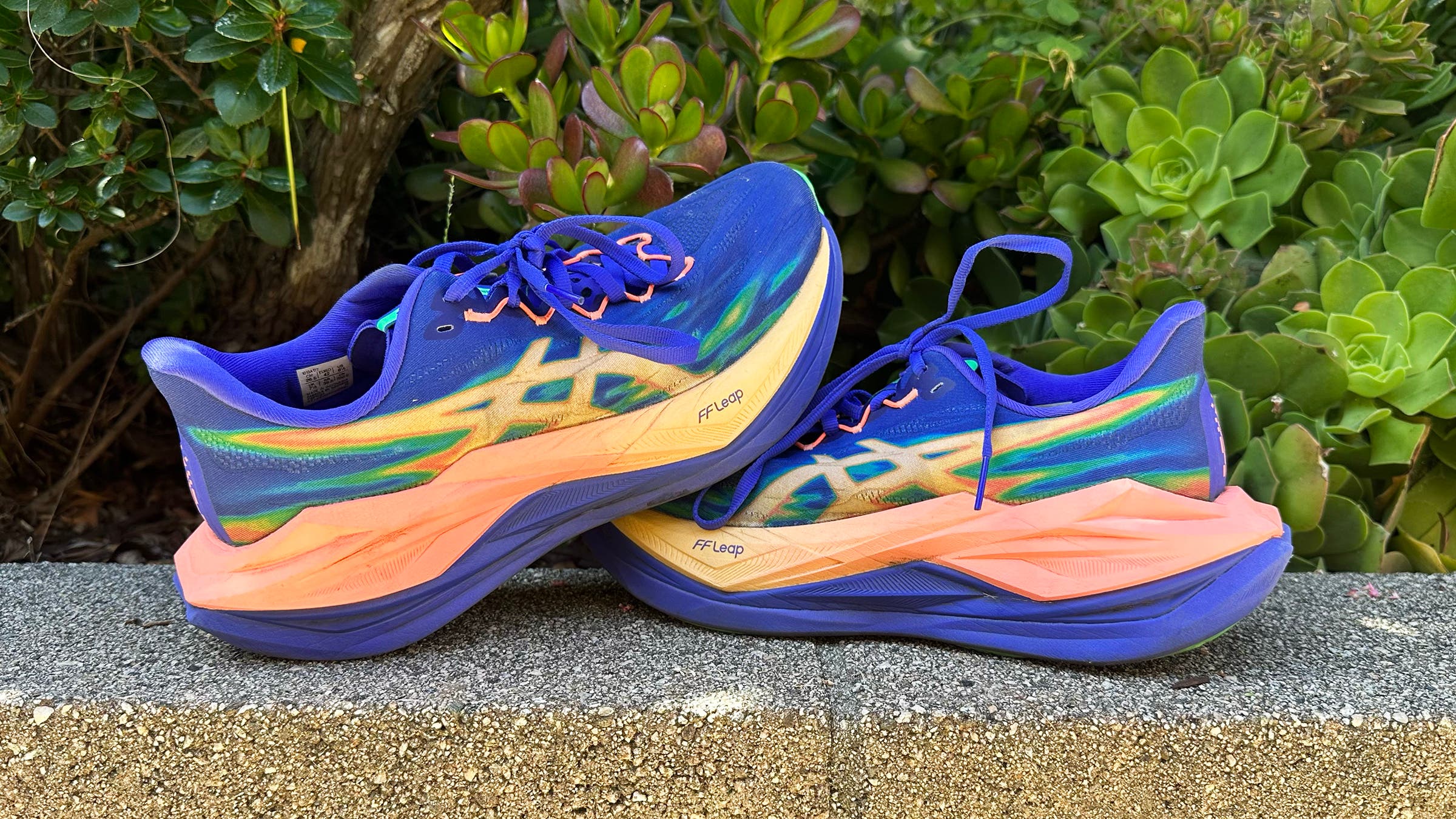
A significant trend in 2026 is the growing preference for non-plated racing shoes among amateur marathoners. While carbon plates provide stiffness and propulsion, they can also cause muscular strain for runners whose mechanics are not optimized for a rigid rocker. The Asics Megablast has been named the best non-plated option for 2026, featuring an "illegal" 45mm stack height. Because it lacks a plate, the Megablast offers a more natural foot flex while providing the impact protection of a super shoe.
Similarly, the Asics Superblast 3 and the Adidas Hyperboost Edge have carved out niches for runners seeking stability. The Hyperboost Edge, launched in March 2026, utilizes "Hyperboost Pro," a pelletized foam that offers a firmer, more predictable ride than the squishier PEBA alternatives. This model is particularly relevant for back-of-the-pack runners who spend more time on the ground and require a platform that does not wobble during the latter stages of a 26.2-mile race.
Supporting Data and Performance Metrics
The efficacy of these shoes is no longer anecdotal. Laboratory data from 2022 to 2026 consistently shows that high-stack, highly cushioned shoes can reduce oxygen consumption by over 3 percent. In a 2022 study involving 32 recreational runners, highly cushioned models were found to improve performance by 5.7 percent during incremental treadmill tests.
Current 2026 market data suggests that the lifespan of these high-performance materials is also evolving. While early super shoes were often discarded after 50 to 100 miles, the latest A-TPU and TPEE (Thermoplastic Polyester Elastomer) foams are maintaining their structural integrity for up to 200 miles. However, testers still observe that the "peak" performance—the maximum energy return—often begins to degrade after the first 100 miles, making them a costly investment for the average consumer.
Official Responses and Regulatory Context
The footwear industry remains under the close watch of World Athletics, the sport’s governing body. The "40mm Rule," which limits stack height for elite competition, has created two distinct markets. Brands like Asics and Adidas have leaned into this by creating "super trainers" like the Superblast 3 (46.5mm) that are technically banned from the Olympics but legal for 99 percent of marathon participants globally.
"Our goal is to democratize speed," a representative from a major footwear brand stated during the Spring 2026 trade show. "By removing the plate and increasing the foam, we provide the amateur runner with the same recovery benefits as the elite pro, without the biomechanical ‘tax’ that a rigid carbon plate can impose on a non-professional stride."
Furthermore, newcomer brands like R.A.D. (Rally Against Destruction) have entered the fray, challenging established giants. Their UFO model, released in late 2025, has gained traction for its dual-layer PEBA construction, signaling that the barrier to entry for high-performance foam technology is lowering.
Broader Impact and Implications for the Sport
The proliferation of advanced marathon shoes has led to a significant shift in race results across all levels. Boston Marathon qualifying times have seen a downward trend as more runners utilize footwear that preserves leg freshness into the final 10 kilometers. However, this has also sparked debates regarding "technological doping" and whether the spirit of the sport is being overshadowed by equipment.
From a health perspective, the shift toward maximalist cushioning has changed the profile of common running injuries. While traditional racing flats often led to Achilles tendonitis and stress fractures due to lack of protection, modern super shoes are more frequently associated with midfoot issues and stability-related strains in the ankles and hips.
Conclusion and Selection Criteria
For runners navigating the 2026 market, the selection process must prioritize individual biomechanics over brand marketing. While the Nike Alphafly 3 and Puma FAST-R 3 offer the highest theoretical gains, they require an efficient, mid-to-forefoot strike to be fully utilized. Beginners or those seeking a more comfortable, stable experience are increasingly directed toward the non-plated category, where the Asics Megablast and Adidas Hyperboost Edge provide a safer, yet still technologically advanced, alternative.
As the industry moves toward the 2027 season, the focus is expected to shift from "more foam" to "smarter foam," with personalized, 3D-printed midsoles and bio-based materials becoming the next frontier in marathon racing excellence. For now, the April 2026 recommendations represent the current apex of human-centric design in the pursuit of the perfect 26.2-mile journey.




 Chandra Hamzah
 Tatiana Tantri Indah Sari
 Budi Mulyono
 Lukman Taruna Persada Ramadan